
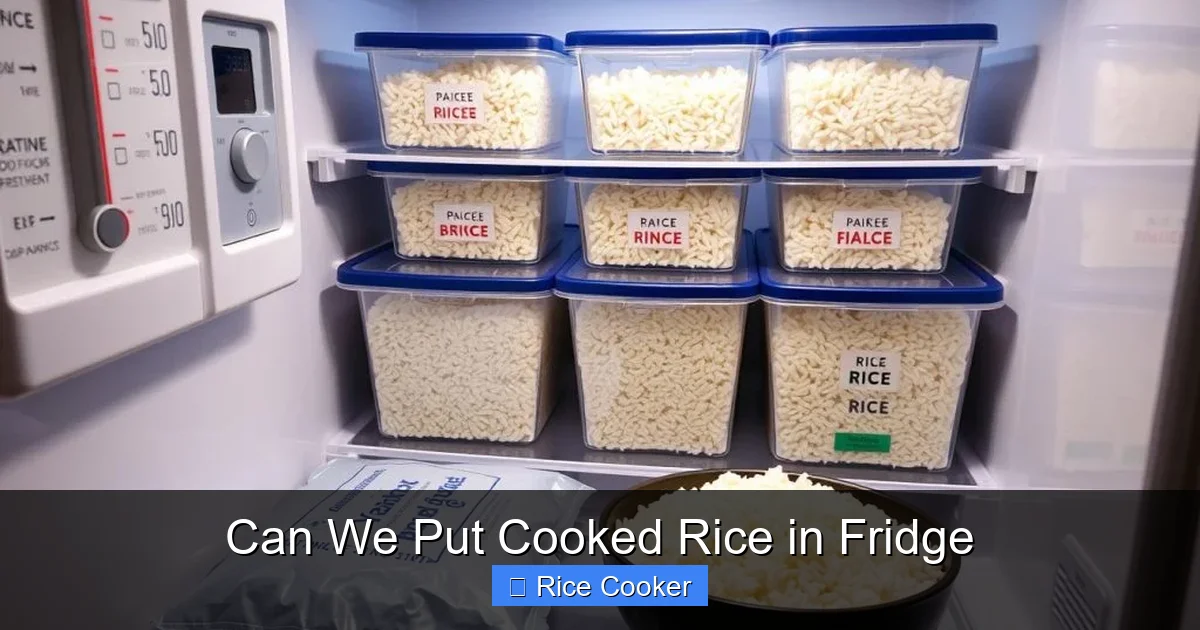
Can we put cooked rice in the fridge? Absolutely yes—but only if done quickly and stored properly. Leaving rice at room temperature too long increases the risk of Bacillus cereus growth, which causes food poisoning. Always cool rice within two hours, refrigerate in shallow containers, and reheat thoroughly. With proper care, cooked rice can stay safe for up to 5–7 days in the fridge.
When you’re cooking rice—whether it’s jasmine, basmati, brown, or sushi rice—you often end up with more than you need. Leftover rice is common, especially when making large meals or batch-cooking for the week. But here’s something many people wonder: can we put cooked rice in the fridge? The short answer is yes—but with important caveats. Simply tossing warm rice into the refrigerator isn’t enough. If not handled correctly, even a small amount of rice can become unsafe to eat.
Rice, especially white rice, contains spores of a bacterium called Bacillus cereus. These spores are harmless when dry, but they come to life once the rice is cooked and becomes moist and warm. When rice cools slowly—especially at room temperature—these bacteria can multiply and produce toxins that cause food poisoning. Symptoms include nausea, vomiting, diarrhea, and stomach cramps, typically starting within 6 to 18 hours after eating contaminated rice.
That’s why understanding how to safely store cooked rice is essential. In this guide, we’ll walk through everything you need to know: from immediate storage steps to reheating techniques, freezing tips, and how to tell if your rice has gone bad. Whether you’re using a rice cooker, stovetop, or microwave, these best practices apply across all methods. Let’s dive in and make sure your next meal of leftover rice is both delicious and safe.
Key Takeaways
- Refrigeration slows bacterial growth: Storing cooked rice in the fridge prevents dangerous bacteria like Bacillus cereus from multiplying rapidly.
- Cooling time matters: Never leave cooked rice sitting out for more than 2 hours (or 1 hour if above 90°F/32°C).
- Use shallow containers: Spread rice thinly in containers to speed up cooling and reduce spoilage risk.
- Reheat to 165°F (74°C): Always bring leftover rice to a full boil or steam until hot throughout before eating.
- Label and date leftovers: Keep track of how long rice has been stored to ensure freshness and safety.
- Freezing extends shelf life: Cooked rice can be frozen for up to 6 months if not refrigerated first.
- Avoid repeated reheating: Limit how often you reheat rice to maintain texture and minimize bacterial exposure.
Quick Answers to Common Questions
Can I eat rice that’s been sitting out overnight?
It’s not recommended. Rice left at room temperature for more than two hours can harbor Bacillus cereus, which causes food poisoning. Even if it smells fine, the toxins may already be present.
Is it okay to reheat rice more than once?
No. Each reheating cycle increases the risk of uneven heating and bacterial survival. Cook only what you plan to eat.
Does freezing kill bacteria in rice?
Freezing doesn’t kill bacteria—it stops their growth. But since no new toxins form during freezing, thawed rice is still safe if handled properly.
Can I put hot rice straight in the fridge?
Not ideal. Hot rice raises the fridge temperature temporarily. Cool it to room temperature first, ideally within 30–60 minutes, before refrigerating.
How do I know if my fridge is cold enough?
Use a refrigerator thermometer. Set it to 40°F (4°C) or lower. If it reads higher, adjust settings or check for blocked vents.
📑 Table of Contents
- Why You Should Refrigerate Cooked Rice Immediately
- How to Safely Store Cooked Rice in the Refrigerator
- How Long Can You Keep Cooked Rice in the Fridge?
- How to Reheat Cooked Rice Safely
- Can You Freeze Cooked Rice?
- Common Mistakes People Make With Leftover Rice
- Signs Your Cooked Rice Has Gone Bad
- Tips for Preventing Food Poisoning from Rice
Why You Should Refrigerate Cooked Rice Immediately
After cooking rice, whether it’s fluffy white rice or hearty brown rice, it enters a critical window where bacteria can thrive. The danger zone for food safety is between 40°F (4°C) and 140°F (60°C). Within this range, bacteria reproduce rapidly. Since rice is typically served warm or at room temperature right after cooking, it often lingers in this danger zone—especially if left uncovered or undisturbed.
Putting cooked rice in the fridge as soon as possible helps pull it out of this temperature range. The cold environment slows down bacterial growth dramatically. According to food safety experts at the USDA and FDA, refrigerating food within two hours (or one hour if ambient temperatures exceed 90°F) significantly reduces the risk of foodborne illness.
But here’s the catch: refrigeration alone isn’t a magic solution. If rice sits at room temperature too long before being chilled, any bacteria that have already started growing may release heat-stable toxins. These toxins aren’t killed by normal reheating, meaning your rice could still make you sick even after you microwave it.
So while the answer to “can we put cooked rice in the fridge?” is definitely yes, timing and technique matter just as much as the act itself.
How to Safely Store Cooked Rice in the Refrigerator
Visual guide about Can We Put Cooked Rice in Fridge
Image source: practicalcooks.com
Proper storage is key to keeping cooked rice safe. Follow these steps to minimize risks:
Cool It Quickly
Don’t let rice cool on the counter for more than two hours. Instead, spread it out in a single layer on a baking sheet or divide it into shallow containers. This increases surface area, allowing heat to escape faster. You can also place the container in an ice bath if you’re concerned about timing.
Use Airtight Containers
Once cooled to room temperature (within 30–60 minutes), transfer rice to airtight containers. Glass or BPA-free plastic containers work well. Avoid leaving rice in open bowls—this exposes it to airborne contaminants and accelerates drying, which affects texture later.
Label and Date Everything
Write the date on the container so you remember when it was made. Most cooked rice stays safe in the fridge for 5 to 7 days. After that, flavor and texture degrade, and the risk of contamination increases.
Avoid Overcrowding the Fridge
Make sure there’s enough airflow around your containers. Don’t stack them tightly unless necessary. Proper air circulation ensures even cooling and prevents warmer spots that encourage bacterial growth.
Check Temperature Regularly
If your fridge runs warmer than 40°F, consider investing in a thermometer. Consistent cold temperatures are essential for food safety.
By following these steps, you’re not just answering “can we put cooked rice in the fridge?”—you’re doing it the smart way.
How Long Can You Keep Cooked Rice in the Fridge?

Visual guide about Can We Put Cooked Rice in Fridge
Image source: appliancesfirst.com
The general rule is: cooked rice can be safely stored in the refrigerator for up to 5 to 7 days. This applies to all types—white, brown, jasmine, basmati, and wild rice. However, some factors can shorten this timeframe:
– **Texture and moisture loss**: Rice dries out over time, becoming hard or crumbly.
– **Cross-contamination**: If stored near raw meat or strong-smelling foods, rice may absorb odors or contaminants.
– **Fridge conditions**: Fluctuating temperatures or poor ventilation can compromise safety.
To test if your rice is still good:
– Look for mold, unusual discoloration, or a sour smell.
– Check for sliminess or off textures.
– If in doubt, throw it out.
Remember, just because rice looks fine doesn’t mean it’s safe. Bacillus cereus produces toxins that aren’t visible, smelly, or taste-altering—so trust your instincts and err on the side of caution.
How to Reheat Cooked Rice Safely
Reheating leftover rice properly is just as important as storing it correctly. Here’s how to do it right:
Microwave Method
Place rice in a microwave-safe dish. Add a splash of water or broth to prevent drying. Cover with a damp paper towel or vented lid to retain moisture. Microwave on high for 1–2 minutes, stir, then heat in 30-second intervals until steaming hot. Internal temperature should reach at least 165°F (74°C).
Stovetop Method
Heat a nonstick pan over medium heat. Add rice and a tablespoon of water or oil. Stir frequently to prevent sticking. Cook until heated through—about 5–7 minutes. For extra fluffiness, cover the pan briefly to trap steam.
Oven Method
Spread rice evenly on a baking sheet lined with parchment. Drizzle with a little oil and toss. Bake at 350°F (175°C) for 10–15 minutes, stirring halfway. This method works well for larger batches.
Steamer Method
Use a bamboo steamer or electric food steamer. Steam rice for 5–8 minutes until hot. This preserves moisture and prevents drying.
No matter the method, always check that the center is piping hot. Never reheat rice more than once—this increases the chance of uneven heating and bacterial survival.
Can You Freeze Cooked Rice?
Yes! Freezing is an excellent way to extend the life of cooked rice beyond what’s possible in the fridge. Here’s how to freeze it properly:
Portion It Out
Divide rice into meal-sized portions using freezer-safe containers or heavy-duty ziplock bags. Remove as much air as possible before sealing to prevent freezer burn.
Flash Freeze First (Optional)
For easier thawing, spread rice in a thin layer on a baking sheet and freeze for 1–2 hours. Once solid, transfer to bags or containers. This prevents clumping.
Store for Up to 6 Months
Frozen rice maintains quality for up to half a year. Label each container with the date and contents.
Thaw Safely
Thaw overnight in the refrigerator or use the defrost setting on your microwave. Reheat thoroughly before eating.
Freezing is ideal for meal prep or when you know you’ll have leftovers. Just remember: once thawed, treat the rice as if it were freshly refrigerated—don’t refreeze it.
Common Mistakes People Make With Leftover Rice
Even experienced cooks sometimes overlook simple safety steps. Here are frequent errors and how to avoid them:
– **Leaving rice out overnight**: This gives bacteria ample time to grow and produce toxins.
– **Using the same utensil for raw and cooked rice**: Cross-contamination can introduce harmful pathogens.
– **Skipping the cooling step**: Pouring hot rice directly into the fridge creates warm pockets inside.
– **Not covering rice properly**: Exposure to air leads to drying and potential contamination.
– **Ignoring fridge temperature**: A warm fridge defeats the purpose of refrigeration.
By avoiding these pitfalls, you’ll enjoy safe, tasty leftover rice every time.
Signs Your Cooked Rice Has Gone Bad
Trust your senses. If your rice shows any of these signs, discard it immediately:
– **Mold**: White, green, or black fuzzy spots indicate fungal growth.
– **Slimy texture**: Excess moisture and bacteria create a sticky film.
– **Unpleasant odor**: A sour, rancid, or ammonia-like smell means spoilage.
– **Discoloration**: Dark patches or grayish hues suggest contamination.
– **Off taste**: Even if reheated, bad rice will taste bitter or metallic.
When in doubt, throw it out. Food poisoning from rice is unpleasant and avoidable.
Tips for Preventing Food Poisoning from Rice
Prevention starts before the rice even hits your plate. Here are proactive steps:
– **Cook rice fully**: Use the right water ratio and cooking time for your type.
– **Cool promptly**: Get rice into the fridge within two hours.
– **Avoid cross-contact**: Keep raw and cooked rice separate during storage.
– **Use clean tools**: Wash hands, utensils, and containers before handling.
– **Monitor fridge temps**: Aim for 40°F or below.
These habits protect not just rice—but all your other leftovers too.
Frequently Asked Questions
Can you eat rice that’s been in the fridge for a week?
Possibly, but not guaranteed. Cooked rice is generally safe for 5–7 days. If it smells, looks, or feels off, discard it. Trust your senses over the calendar.
Should I rinse rice before storing it?
Rinsing is only needed before cooking to remove excess starch. Once cooked, rinsing again introduces moisture and increases contamination risk. Store dry and covered.
Does type of rice affect storage time?
Brown rice has more oil and nutrients, so it spoils slightly faster than white rice. Still, both types last 5–7 days refrigerated. Freeze brown rice if not used quickly.
Can I mix old and new rice when reheating?
Yes, but ensure all rice reaches 165°F (74°C). Mixing helps distribute heat evenly. Avoid combining rice older than 7 days with fresher batches.
What’s the fastest way to cool rice?
Spread it in a thin layer on a baking sheet or divide into shallow containers. An ice bath can speed things up further. Aim to cool from 140°F to 70°F within 30 minutes.
Is instant rice different when storing?
No. Instant rice follows the same rules as regular rice. Cook it properly, cool quickly, and refrigerate within two hours.