
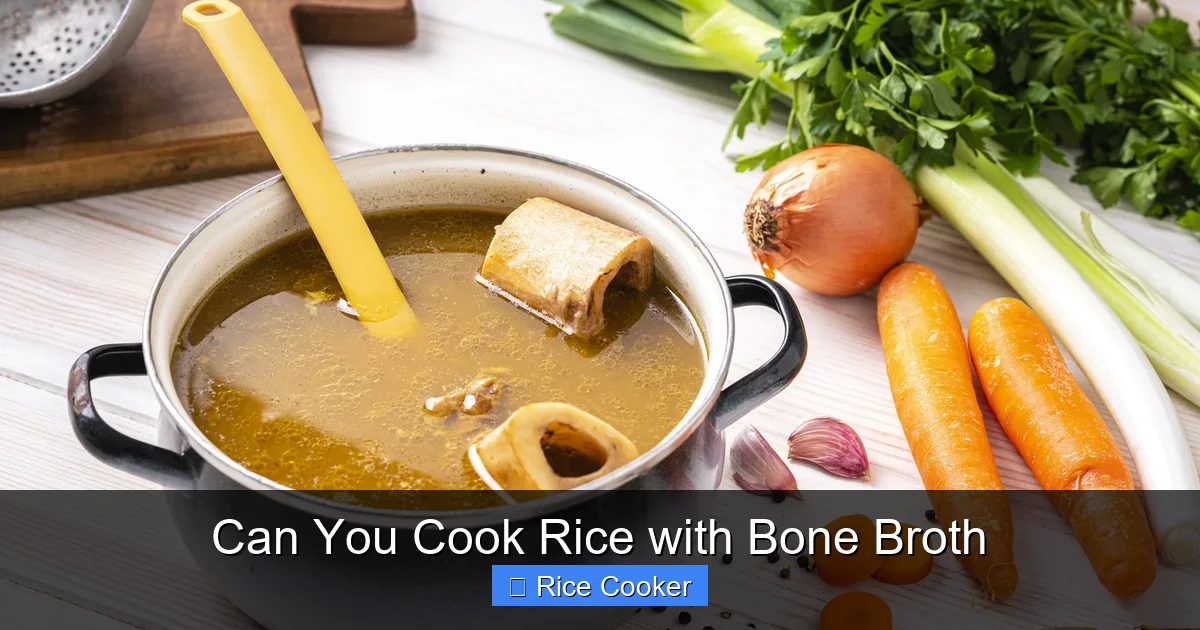
Yes, you can cook rice with bone broth instead of water, and it’s a game-changer for flavor, nutrition, and comfort. This simple swap infuses every grain with rich, savory depth while adding collagen, minerals, and gut-friendly benefits. Whether you’re using chicken, beef, or vegetable broth, your rice cooker makes it effortless.
Key Takeaways
- Enhanced Flavor: Bone broth adds a deep, savory umami taste that transforms plain rice into a gourmet side dish.
- Nutritional Boost: Cooking rice in bone broth increases its protein, collagen, and mineral content compared to water.
- Easier Digestion: The amino acids in bone broth, like glycine and proline, may support gut health and reduce inflammation.
- Convenient Method: Most rice cookers work perfectly with bone broth—just swap the water for broth and follow standard instructions.
- Versatile Base: Use chicken, beef, turkey, or even mushroom-based broth depending on your meal theme or dietary needs.
- Improved Texture: Some users report softer, more tender grains when using broth due to its fat content and natural enzymes.
- Great for Meal Prep: Make large batches ahead of time and store them in the fridge or freezer for quick, healthy meals.
📑 Table of Contents
- Can You Cook Rice with Bone Broth? Absolutely—Here’s Why You Should
- Why Cook Rice with Bone Broth Instead of Water?
- How to Cook Rice with Bone Broth: Step-by-Step Guide
- Types of Bone Broth Perfect for Cooking Rice
- Best Rice Varieties for Broth Cooking
- Creative Ways to Serve Broth-Cooked Rice
- Tips for Perfect Broth-Cooked Rice Every Time
- Common Misconceptions About Cooking Rice with Bone Broth
- Environmental and Ethical Considerations
Can You Cook Rice with Bone Broth? Absolutely—Here’s Why You Should
Imagine serving up a bowl of perfectly cooked rice that doesn’t just fill you up—it nourishes you from the inside out. That’s exactly what cooking rice with bone broth can do. While traditional rice recipes call for plain water, swapping it out for homemade or high-quality store-bought bone broth introduces layers of flavor and powerful nutrients you won’t get from water alone. It’s not just a trendy upgrade—it’s a smarter, more wholesome way to prepare one of the world’s most beloved grains.
In recent years, bone broth has surged in popularity thanks to its reputation as a “superfood” packed with collagen, gelatin, and essential minerals like calcium, magnesium, and phosphorus. But did you know you can harness all those benefits simply by cooking your next pot of rice in it? Whether you’re meal prepping for the week, whipping up a cozy family dinner, or looking to elevate your grain game, using bone broth as your liquid base is both practical and delicious.
And the best part? You don’t need special equipment. If you already have a rice cooker—which most people do—you’re all set. This guide will walk you through everything you need to know: how to do it right, why it works, and how to make it even better. Let’s dive in!
Why Cook Rice with Bone Broth Instead of Water?
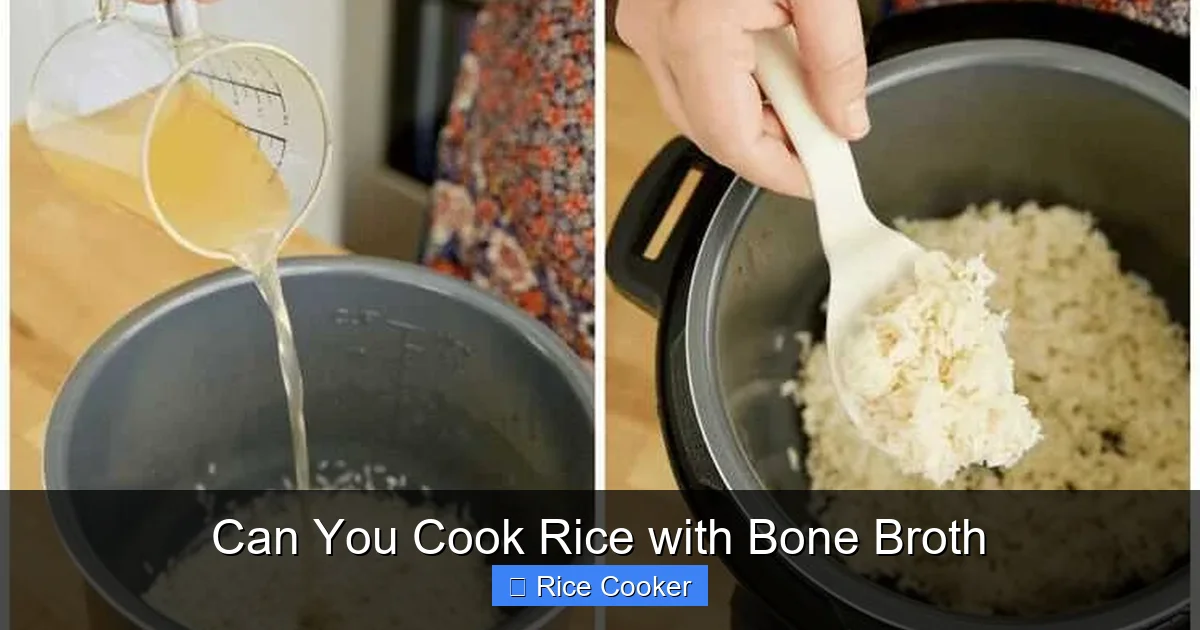
At first glance, replacing water with bone broth might seem like a small change. But trust us—it makes a world of difference. When you cook rice in bone broth, you’re not just adding saltiness; you’re introducing a complex flavor profile that elevates every single grain. Think of it like seasoning your food while it cooks, so nothing gets lost.
Visual guide about Can You Cook Rice with Bone Broth
Image source: metrocookingdallas.com
The Flavor Transformation
Bone broth carries a rich, deeply savory character thanks to slow-simmered bones, vegetables, herbs, and spices. Whether it’s a smoky chicken broth with thyme and garlic or a hearty beef broth with carrots and onions, that flavor seeps into the rice during cooking. The result? A side dish that tastes like it took hours to prepare, even if you only spent 20 minutes making it.
For example, try cooking jasmine rice in a fragrant chicken bone broth infused with lemongrass and ginger. The aroma alone will make your mouth water, and each bite will carry subtle hints of those warming spices. It turns a humble staple into something memorable.
Nutritional Advantages Over Water
Water hydrates but doesn’t add much beyond H₂O. Bone broth, on the other hand, is a nutrient powerhouse. As bones simmer for 12–24 hours (or longer), they release collagen, gelatin, amino acids like glycine and proline, and trace minerals. When this liquid cooks the rice, many of these compounds transfer into the grains.
Studies suggest that glycine supports sleep quality and reduces inflammation, while gelatin aids digestion and joint health. Plus, bone broth often contains more potassium than bananas—something plain rice lacks. So yes, your rice is technically getting “broth-fortified.”
Gut Health Benefits
If you’ve ever felt sluggish after eating refined carbs, consider switching to bone broth–cooked rice. The amino acids in bone broth are gentle on the digestive system and may help balance gut bacteria. Gelatin, in particular, acts as a prebiotic, feeding good bacteria in your intestines.
For anyone dealing with occasional bloating, leaky gut syndrome, or just wanting to support overall wellness, this simple tweak could make a noticeable difference over time.
How to Cook Rice with Bone Broth: Step-by-Step Guide
Ready to give it a try? Here’s how to cook rice using bone broth like a pro—even if you’re new to either ingredient.
Visual guide about Can You Cook Rice with Bone Broth
Image source: metrocookingdallas.com
Ingredients You’ll Need
- 1 cup uncooked rice (white, brown, jasmine, basmati—your choice!)
- 2 cups bone broth (unsalted preferred)
- Optional: pinch of salt, butter or olive oil, fresh herbs
Equipment Tips
Any standard electric rice cooker works great. Just make sure your model has a “white rice” setting unless you’re using brown rice (then select “brown rice”). No rice cooker? No problem—a heavy-bottomed pot with a tight-fitting lid does the job too.
Step 1: Rinse Your Rice
Washing removes excess starch, which prevents clumping. Place rice in a fine-mesh strainer and rinse under cold water until the water runs clear. This step is especially important for sushi or sticky rice varieties.
Step 2: Add Broth and Rice
Transfer rinsed rice to your rice cooker or pot. Pour in bone broth—no need to adjust quantities. Unlike water, broth has flavor and body, so you typically use the same ratio: 1 cup rice to 2 cups liquid.
Step 3: Optional Enhancements
Want extra richness? Stir in a tablespoon of grass-fed butter or ghee. A sprig of rosemary or thyme adds aromatic notes. For vegan options, use coconut oil and nutritional yeast.
Step 4: Cook and Rest
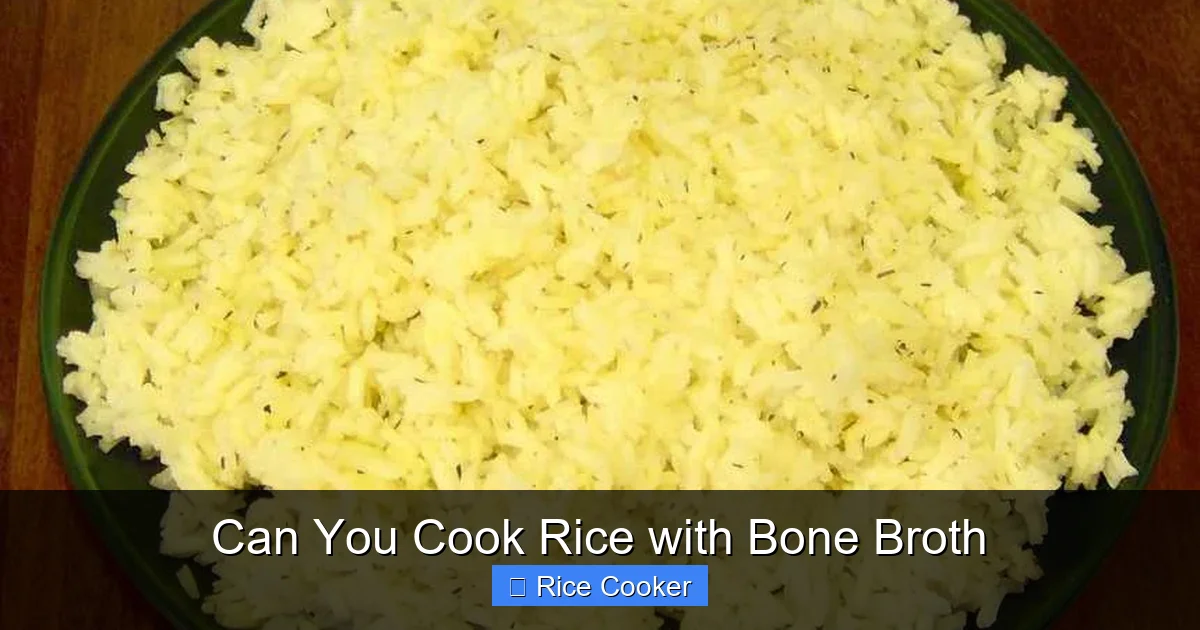
Close the lid, select your setting, and let the magic happen. Once done, let the rice rest for 5–10 minutes before fluffing. This allows steam to redistribute evenly and yields fluffier results.
Troubleshooting Common Issues
- Rice too salty? Use unsalted broth and taste before salting further.
- Rice mushy? Reduce broth slightly next time or check if your cooker overfills.
- Too dry? Add a splash of warm broth while fluffing.
Types of Bone Broth Perfect for Cooking Rice
Not all broths are created equal—especially when it comes to cooking. The quality and type of bone broth you choose directly affect your rice’s flavor, texture, and nutritional value.
Chicken Bone Broth
The classic choice. Chicken bones (neck, feet, or whole carcass) simmered with onion, celery, garlic, and bay leaf create a light, versatile base. Great with white rice, quinoa, or polenta. Look for broths labeled “made with real bones”—not just “chicken stock” with added MSG.
Beef Bone Broth
Darker, richer, and deeply savory—beef bone broth pairs beautifully with brown rice or wild rice. It’s perfect for hearty winter meals or when you want bold flavors. Bonus: beef broth contains more iron than chicken.
Turkey Bone Broth
A lighter alternative, ideal for holiday leftovers or Thanksgiving cleanup. Turkey broth works well with short-grain rice like arborio or risotto-style preparations.
Veggie or Mushroom Broth (Vegan Option)
Made from kombu, shiitake mushrooms, carrots, and tomatoes, veggie broth offers umami without animal products. Excellent for plant-based diets or if you’re avoiding meat. Just ensure it’s low-sodium and free of artificial flavors.
Homemade vs. Store-Bought
Homemade wins for purity and customization—but store-bought isn’t bad! Look for brands that list bones, vegetables, and herbs as the first ingredients. Avoid those with long ingredient lists full of preservatives.
Best Rice Varieties for Broth Cooking
Different rice types absorb liquid differently. Choosing the right grain ensures optimal texture and flavor absorption.
White Rice (Long-Grain)
Most common and easiest to cook. Jasmine and basmati are excellent with chicken or veggie broth. They stay separate and fluffy, letting the broth’s flavor shine through without muddying the texture.
Brown Rice
Cooks slower and needs more liquid, but holds its shape beautifully. Beef or mushroom broth complements brown rice’s nuttiness. Expect chewier, more nutritious results.
Sushi Rice (Short-Grain)
Sticky and clingy—perfect for rolls or bowls. Use mild chicken or veggie broth to avoid overpowering delicate flavors.
Arborio & Risotto Grains
Absorb liquid slowly, creating creamy textures. Ideal for risotto made with bone broth—just stir frequently and finish with Parmesan or nutritional yeast.
Wild Rice Blend
Earthier and slightly bitter. Pair with dark meats like duck or lamb broth for a rustic, autumnal dish.
Creative Ways to Serve Broth-Cooked Rice
Once you master the basics, the possibilities explode. Here are fun, tasty ways to serve your new favorite rice.
Bone Broth Risotto
Cook Arborio rice in small batches of warm bone broth, stirring constantly until creamy. Finish with lemon zest, chives, and a drizzle of truffle oil for restaurant-worthy results.
Broth-Fried Rice
Use leftover broth-cooked rice stir-fry with scrambled eggs, diced veggies, soy sauce, and sesame oil. Top with green onions and crispy shallots.
Mediterranean Bowl
Fluffy jasmine rice cooked in chicken broth, topped with grilled halloumi, cherry tomatoes, cucumber, olives, and a tahini-lemon dressing.
Soup Foundation
Use broth-cooked rice as a base for soups—add it at the end of cooking for thickness and heartiness. Think miso soup, pho, or Vietnamese noodle broths.
Breakfast Power Bowl
Serve warm rice with poached egg, avocado slices, sautéed spinach, and a sprinkle of everything bagel seasoning. Drizzle with hot bone broth for extra warmth.
Tips for Perfect Broth-Cooked Rice Every Time
Even with the right ingredients, technique matters. Follow these pro tips to nail it consistently.
Use Room-Temperature Broth
Cold broth lowers the cooking temperature, extending time and risking mushiness. Warm it slightly before adding to rice.
Don’t Peek Too Often
Opening the lid lets steam escape, disrupting even heat distribution. Wait until the cycle finishes.
Let It Rest
Resting allows moisture to redistribute. Skipping this step leads to uneven texture—trust the process!
Adjust Salt Carefully
Many bone broths are naturally salty. Taste before salting further. You can always add salt, but you can’t take it away.
Double Up on Flavor
Add aromatics directly to the rice cooker: a cinnamon stick, star anise, or whole peppercorns infuse subtle complexity.
Make It Ahead
Cooked rice stores well in the fridge for up to 5 days or frozen for 3 months. Reheat gently with a splash of broth to revive moisture.
Common Misconceptions About Cooking Rice with Bone Broth
Despite growing popularity, some myths still circulate. Let’s clear them up.
Myth 1: “It’s Only for People on Special Diets”
False! Anyone who loves good food will appreciate the enhanced flavor and subtle creaminess. It’s not just for paleo, keto, or autoimmune protocol (AIP) followers.
Myth 2: “You Need a Slow Cooker”
Not true. Standard rice cookers handle broth beautifully. In fact, their precise temperature control prevents burning.
Myth 3: “It Makes Rice Too Salty”
Only if you use salty broth and add extra salt. Opt for unsalted versions and taste-test throughout.
Myth 4: “It Changes the Nutritional Profile Significantly”
Actually, research shows measurable transfers of minerals and amino acids into cooked grains. It’s a legit nutritional upgrade.
Myth 5: “It’s Harder to Make”
No harder than regular rice. If anything, it’s simpler since you’re using one ingredient instead of two (rice + water + seasoning).
Environmental and Ethical Considerations
Choosing quality bone broth also means supporting sustainable practices. Many commercial broths source bones from farms that prioritize animal welfare and waste reduction. By using bones that would otherwise be discarded, you’re embracing zero-waste cooking.
Plus, making your own broth at home reduces packaging waste and gives you full control over ingredients—no hidden additives.
Frequently Asked Questions
Is it safe to cook rice in bone broth every day?
Yes, daily consumption is safe and beneficial. Bone broth adds nutrients without excessive calories or sodium if you choose low-salt versions. Just vary your broths (chicken, beef, veggie) to enjoy different amino acids and minerals.
Can I use store-bought bone broth?
Absolutely. Choose high-quality, low-sodium, and additive-free options. Read labels carefully—avoid broths with long ingredient lists containing preservatives or monosodium glutamate (MSG).
Will cooking rice in bone broth make it unhealthy?
On the contrary, it makes it healthier. Bone broth contributes collagen, gelatin, and minerals that support joints, digestion, and immune function. It’s a nutritious alternative to plain water.
Do I need to adjust cooking times?
Generally no. Most rice cookers automatically detect when the rice is done. However, brown rice may take longer due to its bran layer. Check manufacturer guidelines for specific settings.
Can kids eat bone broth–cooked rice?
Yes! It’s gentle on little stomachs and packed with flavor they’ll love. Mild chicken or veggie broth works best for young children. Introduce it gradually to monitor tolerance.
What if I run out of bone broth?
Substitute with equal parts water and a splash of soy sauce, miso paste, or nutritional yeast for umami depth. Or blend broth powder with water according to package instructions.