
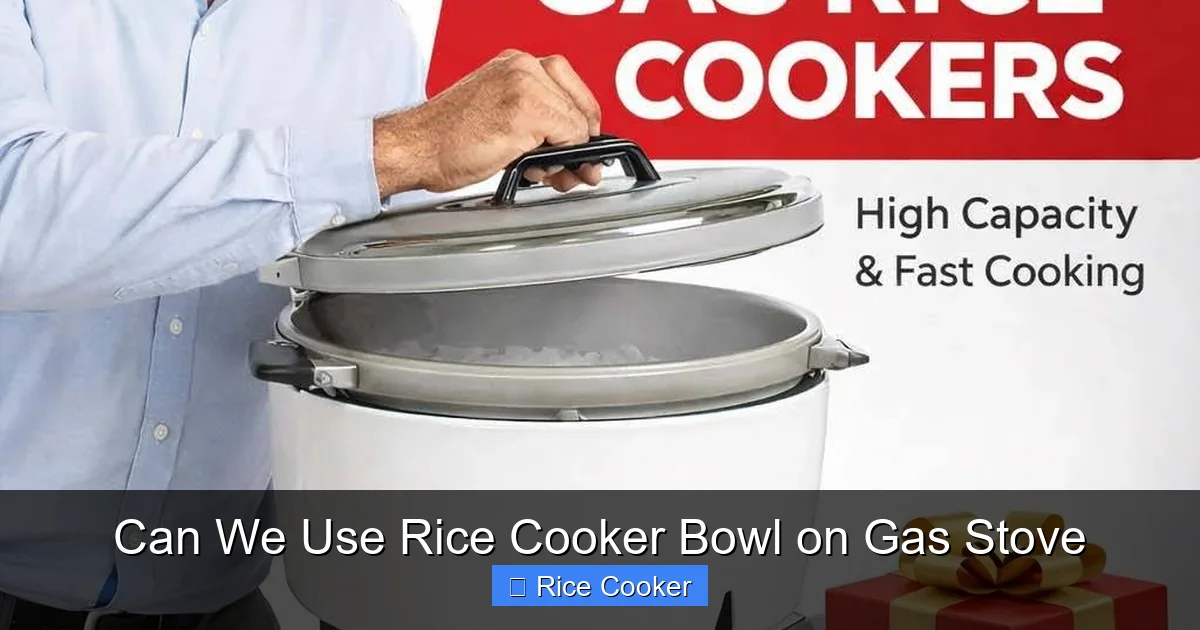
Using a rice cooker bowl on a gas stove is generally not recommended. Most rice cooker bowls are made of aluminum or non-stick coatings that can warp, melt, or release harmful chemicals when exposed to direct flame. However, some heavy-gauge stainless steel models may work with caution. Always check the manufacturer’s guidelines and never leave the bowl unattended while cooking.
Key Takeaways
- Material Matters: Rice cooker bowls are often made of aluminum or non-stick materials that aren’t designed for direct heat. Using them on a gas stove can damage the bowl or create safety hazards.
- Heat Distribution Risks: Gas stoves produce uneven, direct flames, which can cause hot spots in the bowl, leading to warping or burning—especially in non-stick versions.
- Safety First: Overheating can release toxic fumes from non-stick coatings, posing health risks. Always monitor cooking closely if attempting to use the bowl on a gas stove.
- Alternatives Exist: Consider using compatible cookware like cast iron, heavy stainless steel pans, or induction-safe pots instead of repurposing your rice cooker bowl.
- Manufacturer Guidelines: Always consult your rice cooker’s manual. Many brands explicitly warn against using the bowl outside the appliance or over open flames.
- Long-Term Damage: Even brief exposure to high heat can degrade the bowl’s integrity, reducing its lifespan and potentially contaminating food.
- Best Practice: Use the rice cooker bowl only inside the rice cooker for its intended purpose—cooking rice and similar grains—to ensure safety and performance.
Quick Answers to Common Questions
Can I boil water in my rice cooker bowl on the gas stove?
Only if the bowl is made of thick stainless steel and you monitor it closely. Otherwise, it’s risky due to potential warping or overheating. Safer to use a kettle or dedicated pot.
Will a non-stick rice cooker bowl melt on a gas stove?
Yes, especially if the flame directly touches the bottom. Non-stick coatings begin degrading above 260°C, and gas flames can easily exceed that temperature.
Is it okay to use a rice cooker bowl outdoors on a camping stove?
Not recommended unless it’s labeled for outdoor use. Outdoor stoves still produce direct heat, and many rice cooker bowls aren’t designed for such conditions.
Can I put my rice cooker bowl in the oven instead of the stove?
Some stainless steel models are oven-safe up to certain temperatures (usually 350°F/175°C). Always check the manual—never assume compatibility.
What happens if I accidentally leave my rice cooker bowl on the stove too long?
It may warp, discolor, or release harmful fumes. In severe cases, it could catch fire or damage your stovetop. Immediately turn off the burner and ventilate the area.
📑 Table of Contents
- Can We Use Rice Cooker Bowl on Gas Stove?
- Understanding Rice Cooker Bowls: What Are They Made Of?
- Why You Shouldn’t Use a Rice Cooker Bowl on a Gas Stove (Most of the Time)
- When Might It Be Okay (With Extreme Caution)?
- What Should You Use Instead?
- How to Check if Your Rice Cooker Bowl Is Safe for Stovetop Use
- Final Thoughts: Safety Over Convenience
Can We Use Rice Cooker Bowl on Gas Stove?
Have you ever been in the middle of making a quick stir-fry or boiling eggs and realized your regular pot is dirty or in the dishwasher? It’s tempting to grab your trusty rice cooker bowl and toss it over the gas flame. But before you do, pause and ask yourself: Can we actually use a rice cooker bowl on a gas stove?
This question pops up more often than you’d think, especially among home cooks who love efficiency and multi-use kitchen tools. After all, rice cooker bowls are typically sturdy, well-sized, and designed for consistent heat—so why not use them elsewhere?
The short answer? It depends on the material, but generally, it’s not safe or recommended. Let’s break this down so you can make an informed decision without risking your health, your cookware, or your dinner.
Understanding Rice Cooker Bowls: What Are They Made Of?
Before diving into whether they can be used on a gas stove, it’s essential to understand what rice cooker bowls are typically constructed from. Most modern rice cookers come with a removable inner pot or bowl that’s integral to the cooking process. These bowls vary in material depending on the model and brand, but the most common types include:
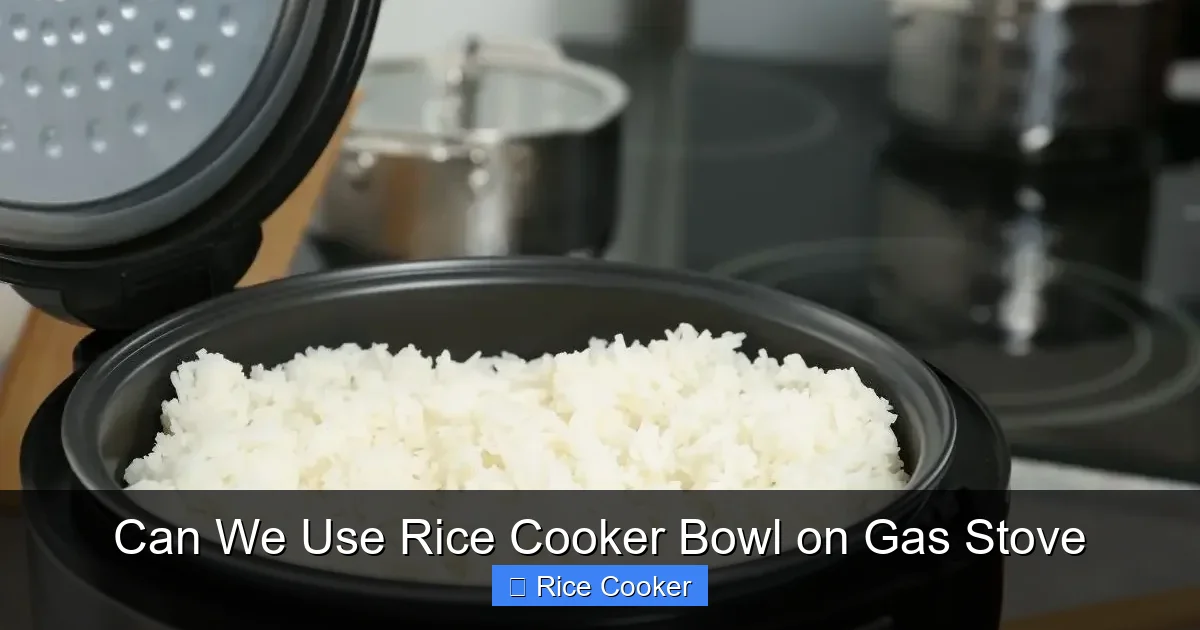
Visual guide about Can We Use Rice Cooker Bowl on Gas Stove
Image source: weknowrice.com
1. Anodized Aluminum
Many affordable rice cookers use anodized aluminum bowls. This material is lightweight, conducts heat well, and resists corrosion. However, anodization is a surface treatment—not a coating—so it doesn’t peel off easily. Still, when exposed to high, direct flames (like those from a gas stove), anodized aluminum can overheat, warp, or even melt if left unattended.
2. Non-Stick Coated Bowls
Higher-end rice cookers often feature non-stick interiors, usually coated with Teflon (polytetrafluoroethylene or PTFE). While these make cleanup a breeze, they have one major drawback: they can begin releasing toxic fumes at temperatures above 260°C (500°F). Gas stoves can easily exceed this temperature, especially around the edges where the flame directly touches the bowl.
3. Stainless Steel
Some premium models use thick, heavy-gauge stainless steel bowls. These are durable, scratch-resistant, and can handle higher temperatures. In theory, a stainless steel rice cooker bowl might survive brief exposure to a gas flame—but only if it’s specifically designed for stovetop use, which most aren’t.
Bottom line: Unless your rice cooker bowl is labeled as “stovetop-safe” or “induction-compatible,” it’s best to assume it’s not meant for direct flame contact.
Why You Shouldn’t Use a Rice Cooker Bowl on a Gas Stove (Most of the Time)
Even if your rice cooker bowl looks sturdy, there are several reasons why tossing it onto a gas burner isn’t a good idea. Let’s explore the risks involved.
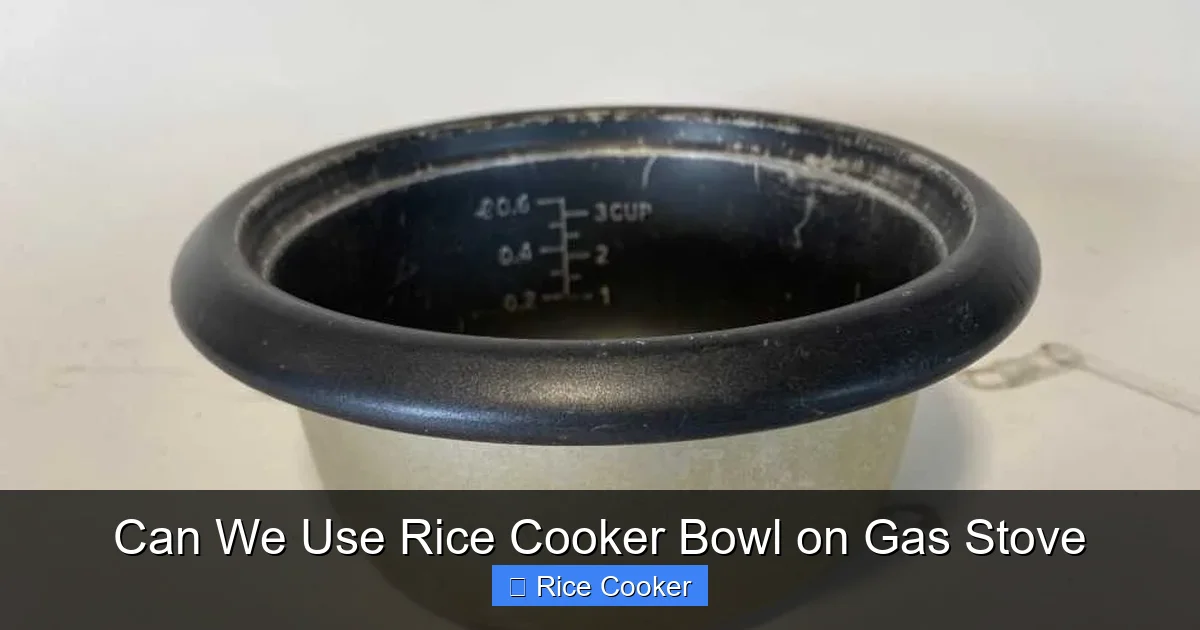
Visual guide about Can We Use Rice Cooker Bowl on Gas Stove
Image source: lockupprops.com
Risk #1: Uneven Heat Exposure
Gas stoves produce intense, localized heat directly beneath the flame. Unlike electric coils or induction burners, which spread heat more evenly, gas flames can scorch the bottom of your bowl while leaving the sides untouched. This creates hotspots that can warp aluminum or melt non-stick coatings.
Example: Imagine heating oil in your rice cooker bowl on the stove. The bottom gets super hot first, possibly smoking or catching fire if the oil overheats—something that rarely happens inside a sealed rice cooker.
Risk #2: Warping and Structural Damage
Rice cooker bowls are optimized for the controlled environment inside a rice cooker. The walls are thin enough to transfer heat efficiently but not thick enough to withstand prolonged exposure to an open flame. Over time, repeated misuse can cause dents, warping, or even cracks that compromise the bowl’s seal and performance.
Risk #3: Release of Harmful Chemicals
This is the biggest safety concern. Non-stick coatings start emitting dangerous fumes—including perfluorooctanoic acid (PFOA) and carbon monoxide—when heated beyond their safe threshold. Breathing these fumes can lead to flu-like symptoms (known as “polymer fume fever”) and long-term health issues.
Fun fact: The U.S. banned PFOA in consumer products years ago, but older non-stick pans may still contain trace amounts. Bottom line: better safe than sorry.
Risk #4: Voiding Your Warranty
Manufacturers design rice cookers with specific components in mind. Using the bowl outside the appliance voids warranties and indicates misuse. If something goes wrong—like the bowl melting or the cooker short-circuiting—you won’t be covered.
When Might It Be Okay (With Extreme Caution)?
Now, let’s address the elephant in the room: Are there any scenarios where using a rice cooker bowl on a gas stove might be acceptable?
Scenario 1: Heavy-Gauge Stainless Steel Models
If your rice cooker bowl is made of thick, food-grade stainless steel (look for markings like “18/10” or “304 stainless”), it might tolerate occasional use on low heat—but only under strict conditions:
- Use low-to-medium flame only.
- Never leave it unattended.
- Avoid sudden temperature changes (e.g., placing a cold bowl on a hot burner).
- Don’t use metal utensils that could scratch the surface.
Scenario 2: Short-Term Tasks Only
For very brief tasks—like warming soup or melting butter—a stainless steel bowl might survive. But even then, consider using a dedicated saucepan instead. Why risk it when alternatives exist?
Pro tip: Test your bowl by placing it on a cool burner first. If it feels warm within seconds, it’s likely not suited for stovetop use.
Scenario 3: Emergency Situations
In a pinch (e.g., your only pot is dirty), you might opt for temporary use—but again, with extreme caution. Keep the flame low, stir constantly, and remove the bowl immediately once done. Never attempt frying or deep-frying in it.
Remember: Just because something *might* work doesn’t mean it’s safe or wise. Prevention is always better than dealing with melted plastic or chemical exposure.
What Should You Use Instead?
If your rice cooker bowl isn’t suitable for gas stoves, don’t panic—there are plenty of safe, reliable alternatives.
1. Cast Iron Pans
Cast iron retains heat beautifully and handles high temperatures with ease. Plus, it’s versatile: sear steaks, bake cornbread, or make pancakes. Just remember to season it regularly to prevent rust.
2. Heavy Stainless Steel Pots and Pans
Look for tri-ply or clad stainless steel cookware with copper or aluminum cores. These distribute heat evenly and are oven-safe too. Brands like All-Clad, Cuisinart, and Calphalon offer excellent options.
3. Ceramic or Enameled Cast Iron
These combine the durability of cast iron with non-reactive surfaces. Great for simmering sauces or making soups—and they look gorgeous on the stove.
4. Dedicated Sauce Pans or Frying Pans
Keep a small pan just for melting butter or reheating leftovers. It’s cheaper and safer than risking your rice cooker bowl.
Bonus tip: If you love your rice cooker bowl, keep it reserved for its original purpose. Think of it like a special tool—just for rice, quinoa, or steaming veggies. That way, it lasts longer and stays safe.
How to Check if Your Rice Cooker Bowl Is Safe for Stovetop Use
Curious whether yours might be okay? Here’s a simple checklist:
- Check the label: Look for phrases like “stovetop safe,” “induction compatible,” or “for outdoor use.”
- Feel the thickness: A thick, solid base suggests sturdiness; a thin, lightweight one likely isn’t.
- Inspect the material: Stainless steel (with visible grain or markings) is safest. Avoid anything with glossy, smooth finishes unless confirmed non-toxic.
- Consult the manual: Manufacturers often specify usage restrictions. If it says “do not use on open flame,” take it seriously.
- Do a test: Place the empty bowl on a cool burner for 30 seconds. If it warms quickly or feels wobbly, skip the gas stove.
If any red flags appear, play it safe and find another vessel.
Final Thoughts: Safety Over Convenience
At the end of the day, asking “can we use rice cooker bowl on gas stove” comes down to one thing: safety. Kitchen appliances are designed with specific functions in mind, and deviating from those intentions can lead to accidents, health hazards, or wasted money.
While it’s tempting to repurpose kitchen items to save time or space, it’s always smarter to invest in proper tools for each task. Your rice cooker bowl is great for cooking grains—but not for frying, boiling, or sautéing. And that’s perfectly okay!
Instead of risking damage or harm, treat your rice cooker bowl like the special piece it is. Use it for rice, porridge, or even desserts like rice pudding. When you need something for the stove, reach for dedicated cookware that’s built to handle direct heat.
After all, peace of mind in the kitchen is worth more than a few extra minutes saved—or a melted bowl.
Frequently Asked Questions
Can I use my rice cooker bowl for making soup on the gas stove?
Generally no. Most rice cooker bowls lack the depth and heat resistance needed for simmering soup. Use a dedicated pot instead to avoid overheating or warping.
Are all rice cooker bowls made of non-stick material?
No. While many use non-stick coatings, others are made of anodized aluminum or stainless steel. Check your model’s specifications to confirm the material.
Does using a rice cooker bowl on a gas stove void the warranty?
Yes, almost always. Manufacturers explicitly state that the bowl should only be used inside the rice cooker, and misuse voids coverage.
Can I replace my rice cooker bowl with a regular pot?
Yes, but ensure the sizes match your rice cooker’s heating element. Too-large or too-small bowls affect cooking time and efficiency.
How can I tell if my rice cooker bowl is stainless steel?
Stainless steel has a dull, metallic finish and often includes engravings like “18/10” or “304 SS.” It’s heavier than aluminum and doesn’t feel flimsy.
Is it safe to clean my rice cooker bowl in the dishwasher?
Only if labeled dishwasher-safe. Non-stick and anodized aluminum bowls can degrade in harsh detergents and high heat, so hand washing is usually preferred.