
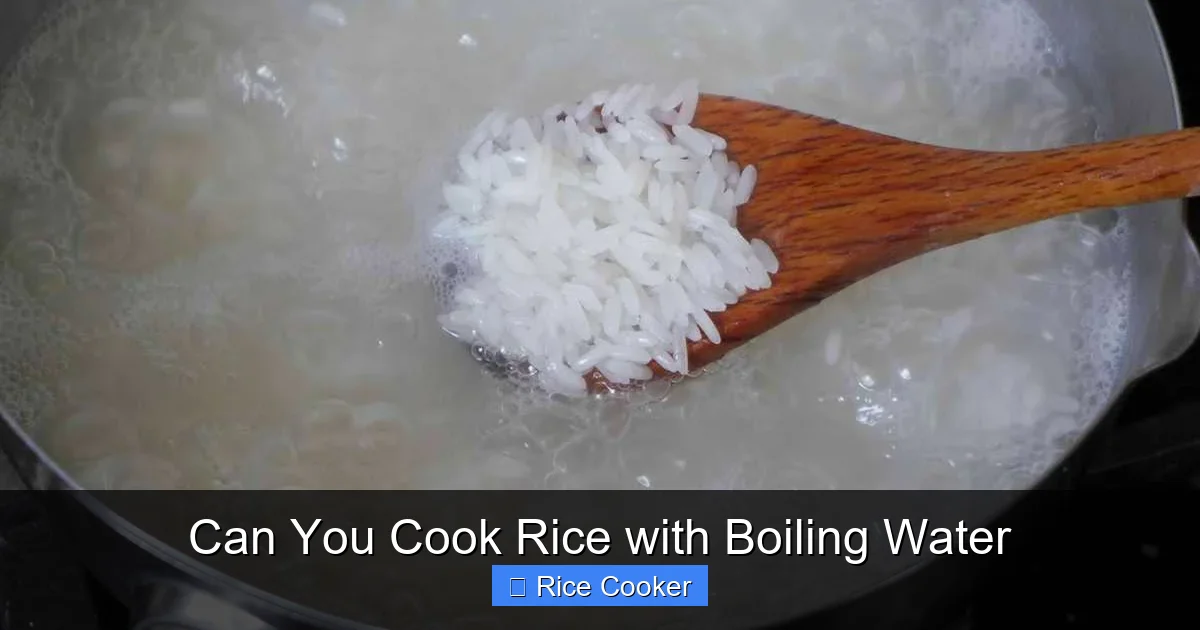
You absolutely can cook rice using boiling water, and it’s one of the fastest ways to get fluffy, flavorful grains on your plate. Whether you’re in a hurry or just prefer this method, boiling water delivers consistent results when done right. This guide walks you through timing, ratios, and expert tips so your rice turns out perfectly cooked every time.
Key Takeaways
- Boiling water is safe and effective: It speeds up the cooking process by transferring heat quickly, especially useful for short-grain rice like sushi or jasmine.
- Water-to-rice ratio matters: Most types use 1:1.5 to 1:2 (rice to water), but adjust based on grain type and desired texture.
- Timing is critical: Once boiling, reduce heat, cover, and cook for 10–18 minutes depending on the variety.
- Resting improves texture: Let rice sit off heat for 5–10 minutes after cooking to absorb residual steam and cool evenly.
- Common mistakes to avoid: Stirring too early, skipping salt, or overfilling the pot can lead to mushy or uneven results.
- Alternative methods work too: While boiling works well, simmering or using a rice cooker may offer more control for beginners.
- Flavor boosters: Add herbs, broth, or a pat of butter to elevate plain white rice into a delicious side dish.
📑 Table of Contents
- Can You Cook Rice with Boiling Water?
- The Science Behind Cooking Rice with Boiling Water
- Step-by-Step Guide: How to Cook Rice with Boiling Water
- Best Types of Rice for Boiling Water Method
- Common Mistakes and How to Avoid Them
- Tips for Perfect Rice Every Time
- Alternative Methods Compared: Boiling vs. Simmering vs. Rice Cooker
- Creative Ways to Serve Boiled Rice
- Conclusion: Why Boiling Water Is Worth Trying
Can You Cook Rice with Boiling Water?
Have you ever stood at the stove, staring at a pot of rice, wondering if starting with boiling water is a shortcut or a disaster waiting to happen? The short answer? Yes, you absolutely can cook rice with boiling water — and many home cooks swear by it. In fact, it might be the most efficient way to get tender, evenly cooked grains, especially when you’re short on time. But before you start tossing your dry rice into a bubbling pot, let’s unpack what actually happens when you do this, why it works, and how to make sure your rice comes out perfect every single time.
Contrary to popular belief, boiling water doesn’t ruin rice — it kickstarts the cooking process faster than cold water. When rice grains are added to boiling water, the surface starch begins to gelatinize almost immediately, helping them absorb moisture and cook uniformly. This method is particularly effective for shorter-grain varieties like Japanese short-grain or Thai jasmine rice, which have higher starch content and benefit from rapid initial heating. That said, even long-grain rice can cook beautifully using this technique when handled correctly. So whether you’re making fried rice, a simple side dish, or experimenting with new recipes, boiling water can be your secret weapon for speed without sacrificing quality.
The Science Behind Cooking Rice with Boiling Water
Understanding why boiling water works starts with knowing how rice absorbs liquid. Rice is essentially a seed, and when you add it to hot liquid, the outer layer begins to swell and soften as the internal starches break down. Cold water takes longer to reach this stage because it must first heat up through conduction. With boiling water, the temperature difference is already optimal, so the transfer of thermal energy to the rice is immediate and efficient.
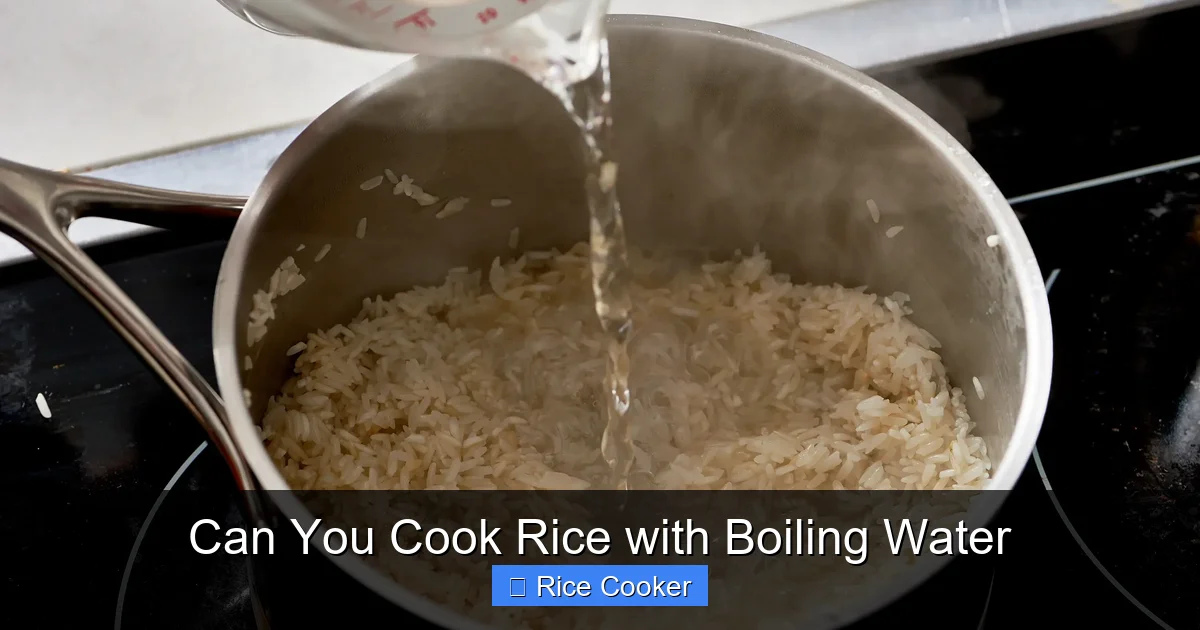
Visual guide about Can You Cook Rice with Boiling Water
Image source: cdn.apartmenttherapy.info
Why Temperature Matters
When you pour boiling water over rice, the heat penetrates the grain quickly, triggering the gelatinization of starch molecules. This process gives rice its signature chewy-yet-tender texture. If you used cold water, the rice would take much longer to reach the same point, potentially leading to uneven cooking or undercooked centers.
How Water Absorption Works
Rice isn’t just absorbing water — it’s actively drawing it in through capillary action. As the outer layer softens, tiny pores open up, allowing more liquid to seep inside. The key is maintaining steady heat so that absorption happens gradually and evenly. Too high a flame can cause scorching; too low, and the rice may become gummy.
Grain-Specific Responses
Different rice varieties respond differently to boiling water. Short-grain rice, with its sticky texture, benefits greatly from the rapid heat because it helps bind the grains together without overcooking them. Long-grain rice, like basmati or American long-grain, also cooks well but requires slightly less water since it tends to stay separate. Brown rice, however, needs more time due to its bran layer, which slows down absorption.
Step-by-Step Guide: How to Cook Rice with Boiling Water
Cooking rice with boiling water isn’t rocket science — but precision makes all the difference. Follow these steps closely, and you’ll end up with restaurant-quality results right at home.
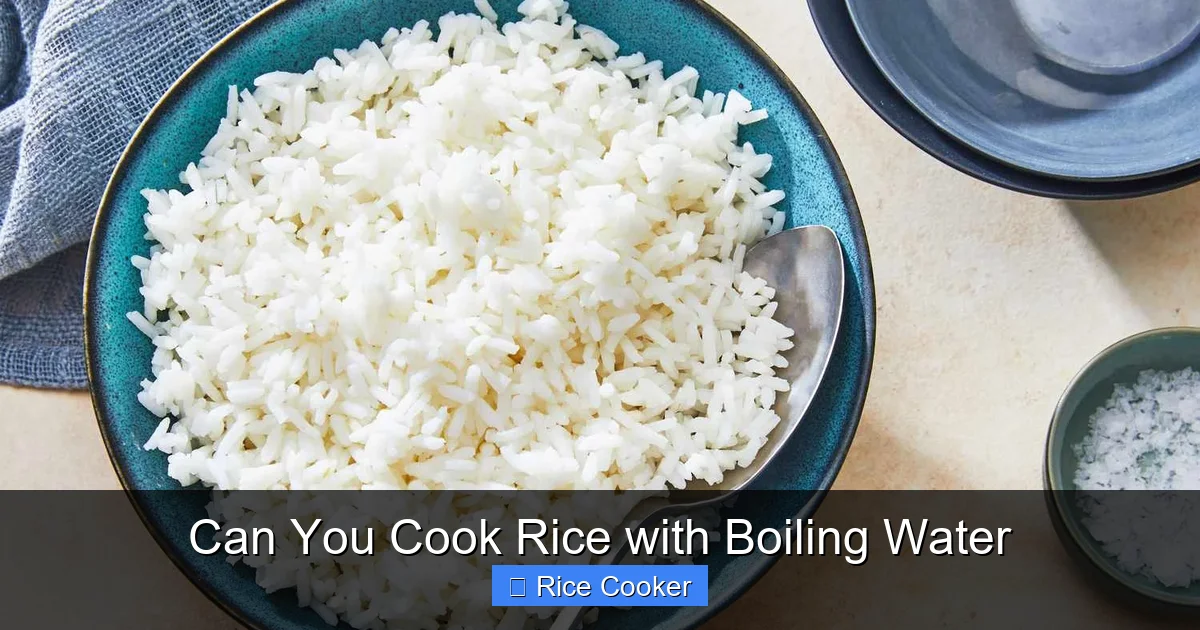
Visual guide about Can You Cook Rice with Boiling Water
Image source: southernliving.com
What You’ll Need
- Fresh or dried rice (any variety)
- Filtered or tap water (boiling)
- A heavy-bottomed pot with a tight-fitting lid
- Salt (optional but recommended)
- Wooden spoon or spatula
- Towel (to cover the pot during resting)
Step 1: Measure Your Ingredients
For every cup of uncooked rice, use 1.5 to 2 cups of boiling water. For example, if you’re cooking 2 cups of rice, measure out 3 to 4 cups of boiling water. Don’t eyeball it — accuracy ensures consistent results.
Step 2: Rinse the Rice (Optional but Recommended)
Rinsing removes excess starch, which prevents clumping. Place rice in a fine-mesh strainer and rinse under cold running water until the water runs clear. This step is especially important for sushi or sticky rice.
Step 3: Bring Water to a Rolling Boil
Fill a pot with your measured boiling water. If you don’t have a kettle handy, bring water to a boil first, then add the rice. Never add dry rice directly to cold water and expect fast results.
Step 4: Add Rice and Salt
Gently stir in the rinsed rice, then add a pinch of salt (about ½ teaspoon per 2 cups of rice). Salt enhances flavor and helps regulate cooking speed slightly by affecting starch behavior.
Step 5: Simmer and Cover
Reduce heat to low-medium so the water simmers gently. Put the lid on immediately to trap steam. Avoid lifting the lid during cooking — each peek releases precious heat and disrupts absorption.
Step 6: Cook According to Time
White rice: 10–15 minutes
Brown rice: 20–25 minutes
Wild rice: 40–45 minutes
Jasmine or sushi rice: 12–15 minutes
Use a timer! Overcooking leads to mushiness, while undercooking leaves hard, chalky bits.
Step 7: Rest and Fluff
Turn off the heat and let the rice rest for 5–10 minutes with the lid on. Then fluff gently with a fork. This allows any remaining moisture to distribute evenly and stops further cooking.
Best Types of Rice for Boiling Water Method
Not all rice is created equal — some thrive under the boiling water technique, while others need gentler treatment. Here’s a breakdown of the top performers and their ideal uses.
Short-Grain Rice (Japanese, Sushi, Arborio)
These dense, starch-rich grains stick together beautifully when cooked with boiling water. Their high amylopectin content makes them ideal for dishes like sushi, risotto, or creamy risottos. Because they absorb liquid quickly, timing is crucial — too long, and they become gluey.
Long-Grain White Rice (Basmati, Jasmine, American)
Long-grain rice stays separate and fluffy, making it perfect for pilafs, fried rice, or everyday sides. When cooked with boiling water, it retains its shape and avoids mushiness. Just be careful not to overfill the pot — space allows even heat distribution.
Brown Rice
With its nutty flavor and chewy texture, brown rice takes longer to cook due to its fiber-rich bran layer. Use a 1:2.25 ratio (1 cup rice to 2.25 cups water) and extend cooking time by 10–15 minutes. Some prefer soaking brown rice overnight to speed up absorption.
Wild Rice
Technically a grass seed, wild rice expands dramatically during cooking (up to three times its volume). It requires the longest cook time and benefits from starting with boiling water to jump-start the process. A 1:3 ratio works well.
Instant or Parboiled Rice
These pre-processed grains are designed for speed. You can even skip rinsing and cook them straight from the package. Since they’re partially cooked, they only need 3–5 minutes in boiling water — perfect for emergency meals.
Common Mistakes and How to Avoid Them
Even experienced cooks slip up sometimes. Here are the most frequent errors when using boiling water, plus practical fixes.
Mistake #1: Not Using Enough Water
Skimping on water leads to dry, crumbly rice. Always follow tested ratios — deviating too far throws off texture. If your rice is too firm, add a splash of warm water and steam for 2 more minutes.
Mistake #2: Stirring Too Soon
Stirring right after adding rice breaks apart grains and causes uneven cooking. Wait until the first 3–5 minutes pass, then give it a gentle stir only once or twice.
Mistake #3: Overfilling the Pot
Packing too much rice into one pot creates hot spots and inconsistent results. Stick to no more than 3–4 cups at once. If you need more, cook in batches.
Mistake #4: Ignoring Resting Time
Rushing to serve means missing out on improved texture. Resting lets steam redistribute and cool the rice evenly. Skipping this step often results in lumpy, uneven bites.
Mistake #5: Using Low-Quality Rice
Old, improperly stored, or low-grade rice won’t yield great results no matter the method. Invest in fresh, labeled rice from reputable brands. Check expiration dates and store in airtight containers.
Mistake #6: Adding Oil or Butter Before Boiling
While fat adds richness, adding it before boiling can prevent proper absorption. Instead, stir in butter or oil after fluffing the rice for best effect.
Tips for Perfect Rice Every Time
Want to take your rice game to the next level? These pro tips will help you achieve consistently excellent results, whether you’re cooking for one or feeding a crowd.
Use a Timer Religiously
Set an alarm — rice can go from perfect to pasty in just 30 seconds too long. Different grains have different needs, so timing is everything.
Try Broth Instead of Water
Swap plain water for chicken, vegetable, or beef broth to infuse extra flavor. This is especially good for one-pot meals or grain bowls.
Add a Splash of Vinegar or Lemon Juice
A tablespoon of vinegar per 2 cups of rice keeps sushi rice shiny and separates the grains. It also adds subtle brightness to white rice.
Keep Rice Warm Without Drying Out
If you’re serving later, transfer cooked rice to a warm oven (200°F/95°C) wrapped in foil or place a kitchen towel over the pot. Avoid reheating — it ruins texture.
Store Leftovers Properly
Let rice cool completely before refrigerating. Store in an airtight container for up to 4 days. Reheat with a damp paper towel to retain moisture.
Experiment with Aromatics
Throw in garlic cloves, bay leaves, or onion slices while boiling for a fragrant base. Remove solids before serving for clean taste.
Alternative Methods Compared: Boiling vs. Simmering vs. Rice Cooker
While boiling water gets you started fast, other methods offer different advantages. Understanding the differences helps you choose the right tool for the job.
Boiling Water: Speed and Control
Pros: Fast, hands-off after adding rice, great for large batches.
Cons: Requires monitoring to prevent overflow, less automated than a rice cooker.
Best for: Quick weeknight dinners, frying rice, or when you want full control.
Simmering (Cold Start + Low Heat)
Pros: Gentle cooking, fewer risks of burning.
Cons: Takes longer, needs constant attention.
Best for: Delicate grains like basmati or when you prefer traditional stovetop methods.
Rice Cooker (Electric or Microwave)
Pros: Set it and forget it, precise settings, automatic keep-warm function.
Cons: Can be pricey, limited customization.
Best for: Beginners, meal prep, or consistent results day after day.
Pressure Cooker (Instant Pot)
Pros: Cooks rice in under 10 minutes, retains nutrients.
Cons: Can overcook if not timed right, requires venting carefully.
Best for: Busy families or those who want speed without sacrificing texture.
Creative Ways to Serve Boiled Rice
Plain rice is delicious, but it’s also incredibly versatile. Here are some creative ideas to transform your perfectly cooked boiled rice into memorable dishes.
Fried Rice
Use leftover rice (best if slightly chilled), scramble eggs, add vegetables, soy sauce, and a splash of sesame oil. Cook over medium-high heat for crispy, flavorful bites.
Rice Pudding
Replace water with milk and add sugar, cinnamon, and raisins. Simmer slowly until thickened — perfect for dessert or breakfast.
Stuffed Peppers or Tomatoes
Loose cooked rice mixed with meat, cheese, and herbs makes a hearty filling. Bake for 20 minutes until golden.
Risotto
Though traditionally made with constant stirring, you can adapt boiled rice by deglazing the pan with wine and broth gradually.
Grain Bowls
Top with roasted veggies, grilled protein, avocado, and tahini dressing. Layer flavors and textures for a satisfying meal.
Sushi or Onigiri
Use short-grain rice cooked with boiling water, then mix with rice vinegar, sugar, and salt. Shape into triangles or balls for handheld snacks.
Conclusion: Why Boiling Water Is Worth Trying
Cooking rice with boiling water is not only possible — it’s a smart, efficient choice for anyone looking to save time without compromising quality. By understanding the science behind heat transfer, mastering the right ratios, and avoiding common pitfalls, you can turn a simple side dish into something extraordinary. Whether you’re preparing sushi-grade short-grain rice, fluffy basmati, or hearty brown rice, this method delivers reliable results every time.
So next time you’re in a rush or just curious about alternative techniques, grab your pot, bring your water to a boil, and give it a try. With a little practice, you’ll find yourself reaching for this method more often — and impressing friends and family with your newfound rice mastery.
Frequently Asked Questions
Is it better to cook rice with cold or boiling water?
Both work, but boiling water is faster and yields more consistent results for most rice types. Cold water takes longer to heat and may lead to uneven cooking. Boiling water jumpstarts the process, especially for short-grain rice.
Can I use tap water instead of filtered water for boiling rice?
Yes, tap water is perfectly fine for cooking rice. Filtered water can improve taste slightly, especially in areas with strong mineral content, but it’s not necessary for good results.
How long should I cook rice once I add it to boiling water?
It depends on the type: white rice usually takes 10–15 minutes, brown rice 20–25 minutes, and wild rice up to 45 minutes. Always check doneness before draining or resting.
Do I need to soak rice before cooking with boiling water?
Soaking isn’t required, but it can help reduce cooking time and improve texture, especially for brown rice. Just drain thoroughly before adding to boiling water.
Can I cook rice in boiling water without a lid?
No, a lid is essential. Without it, steam escapes, and the rice won’t absorb enough moisture, resulting in dry, undercooked grains. Always cover tightly.
What should I do if my rice is too wet or mushy?
Spread it out on a baking sheet and bake at 250°F (120°C) for 10–15 minutes to evaporate excess moisture. Alternatively, let it sit uncovered for a few minutes to dry slightly.