
Using a rice cooker bowl directly on an induction stove is possible only if it has magnetic stainless steel or cast iron material. Most modern rice cookers are designed for electric heating elements, not induction. This guide explains how to safely adapt your setup, avoid damage, and choose the right cookware.
Key Takeaways
- Material Matters: Only magnetic materials like stainless steel or cast iron work with induction stoves. Aluminum and non-magnetic stainless steel won’t generate heat.
- Check Induction Compatibility: Look for labels like “induction ready” or test with a magnet. A strong attraction confirms suitability.
- Risk of Damage: Using non-induction-safe bowls can overheat or crack, especially with thick bases or plastic handles.
- Use a Diffuser Plate: If your bowl isn’t fully compatible, a stainless steel diffuser spreads heat evenly and protects the cooktop.
- Safer Alternatives: Consider induction-compatible pots or dedicated woks for better efficiency and safety.
- Energy Efficiency: Induction cooking is faster and more efficient than traditional methods—ideal for rice but only with the right tools.
- Always Supervise: Never leave rice cooking unattended, whether on induction, gas, or electric burners.
📑 Table of Contents
- Can We Use Rice Cooker Bowl on Induction Stove?
- Understanding How Induction Cooking Works
- How to Check if Your Rice Cooker Bowl Is Induction-Ready
- Safety Risks of Using Rice Cooker Bowls on Induction Stoves
- Safe Alternatives and Adaptations
- Tips for Cooking Rice on Induction Stoves
- Frequently Asked Questions About Using Rice Cooker Bowls on Induction
Can We Use Rice Cooker Bowl on Induction Stove?
Have you ever wondered whether you can skip the rice cooker and just use that familiar ceramic or glass bowl directly on your induction stove? Maybe you’re short on time, or perhaps you prefer the control of stovetop cooking. But before you place that rice cooker bowl on the glowing surface, it’s important to ask: Is it safe? Will it work at all?
Induction stoves are powerful, energy-efficient, and precise—but they don’t play nice with just any cookware. Unlike traditional gas or electric burners that heat up through radiant heat, induction uses electromagnetic fields to heat only magnetic metals directly. That means your rice cooker bowl must be made from the right material to function properly. In this complete guide, we’ll walk through everything you need to know—from checking compatibility to adapting your setup safely. You’ll learn when it’s okay to use your rice cooker bowl on induction, when it’s not, and what to do instead.
Understanding How Induction Cooking Works
The Science Behind Induction Heating
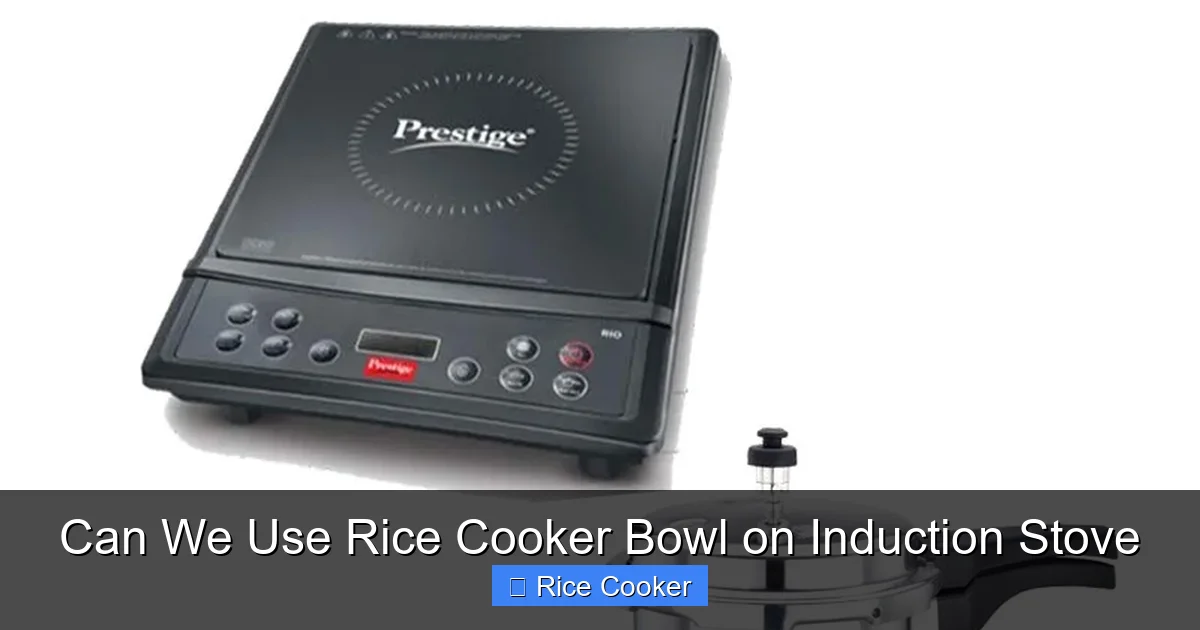
Induction stoves don’t get hot themselves. Instead, they create a magnetic field that passes through the bottom of your pot or pan. When the metal responds to this field—specifically ferromagnetic materials like iron or certain types of stainless steel—it generates heat through molecular friction. This heat then cooks your food.
Visual guide about Can We Use Rice Cooker Bowl on Induction Stove
Image source: sathya.in
This process is incredibly efficient because nearly all the energy goes into the cookware, not the air around it. That’s why induction stoves can bring water to a boil faster than gas or electric ranges. But here’s the catch: only certain metals respond to the magnetic field. Aluminum, copper, glass, and non-magnetic stainless steel won’t work—even if they look sturdy.
Why Rice Cooker Bowls Often Don’t Work
Most rice cooker bowls are made from either aluminum, ceramic, or non-magnetic stainless steel. These materials don’t conduct electromagnetic energy well, so they won’t heat up when placed on an induction stove. Even if your bowl looks heavy or metallic, its inner layer might be aluminum with a decorative outer coating.
Additionally, many rice cooker bowls have thick walls or insulated handles designed for electric heating plates—not direct flame or induction contact. Placing such a bowl on high heat can cause uneven heating, cracking, or even warping. So while it might seem convenient to repurpose your rice cooker bowl, doing so without proper compatibility checks can lead to wasted time, damaged cookware, or worse—a fire hazard.
How to Check if Your Rice Cooker Bowl Is Induction-Ready
Use a Magnet Test
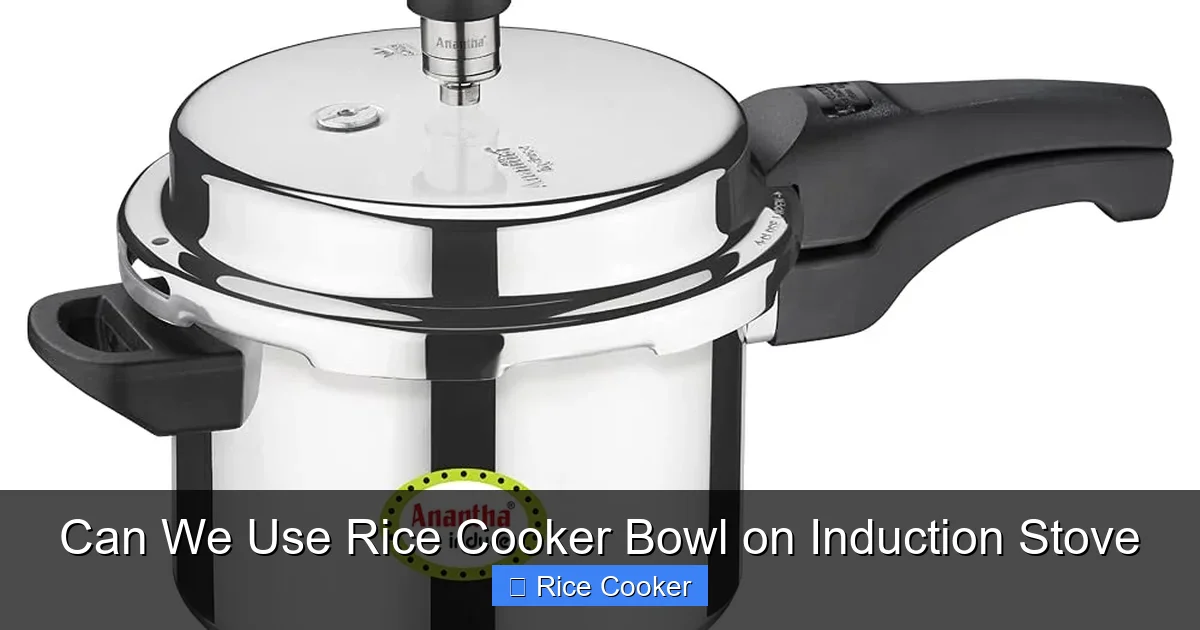
The simplest way to test compatibility is with a strong refrigerator magnet. Hold the magnet against the base of your rice cooker bowl. If it sticks firmly—especially all across the bottom—there’s a good chance your bowl contains magnetic stainless steel or cast iron.
Visual guide about Can We Use Rice Cooker Bowl on Induction Stove
Image source: m.media-amazon.com
Note: Some stainless steel alloys are non-magnetic (like 304 grade), so even if the magnet doesn’t stick strongly, it doesn’t automatically mean the bowl is unsafe. But if there’s no attraction at all, proceed with caution or avoid using it directly on induction.
Look for Labels or Markings
Some manufacturers stamp small symbols on the bottom of their cookware. Common indicators include:
- A zigzag line or wavy pattern (universal symbol for induction compatibility)
- Words like “Induction Safe,” “Induction Ready,” or “For Induction Ranges”
- Symbols resembling a coil or electromagnetic wave
If you can’t find any markings, check the product manual or manufacturer’s website. Many brands list induction compatibility in their specifications.
Consider the Weight and Thickness
Induction-friendly cookware tends to be heavier and have thicker bottoms. If your rice cooker bowl feels flimsy or has a thin, warped base, it may not distribute heat evenly on induction. Thin bases can also overheat quickly, increasing the risk of burning your rice or damaging the stove surface.
Safety Risks of Using Rice Cooker Bowls on Induction Stoves
Potential for Overheating
Rice cooker bowls aren’t built to handle the rapid, intense heat of induction cooking. Without proper thermal conductivity, parts of the bowl may become dangerously hot while others remain cool—leading to scorched rice or even smoke.
Cracking or Melting
Ceramic and glass rice cooker bowls can shatter under sudden temperature changes. Induction stoves heat up fast, and if the bowl expands unevenly, cracks may form. Plastic handles may melt or warp, creating both safety hazards and cleanup nightmares.
Inefficiency and Poor Heat Control
Even if your bowl works partially, it likely won’t heat evenly. Induction requires direct contact and consistent magnetic response. Gaps or uneven surfaces reduce efficiency and make it hard to maintain a steady simmer—essential for fluffy, perfectly cooked rice.
Damage to Induction Stove Surface
Using incompatible cookware can scratch or stain the smooth glass-ceramic surface of your induction stove. Scratches trap grease and food particles, making cleaning difficult and reducing the stove’s lifespan.
Safe Alternatives and Adaptations
Use an Induction Diffuser Plate
If your rice cooker bowl is compatible but lacks optimal thickness or shape, consider using an induction diffuser plate. These flat discs sit between your bowl and the stove, transferring heat evenly while protecting both the cookware and the surface.
Stainless steel diffusers are ideal because they’re durable, easy to clean, and enhance heat distribution. Just ensure the diffuser itself is induction-safe—many come with built-in magnetic bases.
Transfer Rice to Compatible Cookware
The safest option is to cook rice in an induction-compatible pot or saucepan. Look for pots labeled “induction ready” with thick, multi-ply bases made of stainless steel or cast iron. These provide even heat and prevent hot spots.
You can still use your rice cooker bowl for serving or reheating, just avoid direct stovetop use.
Invest in a Dedicated Induction Rice Cooker
Modern induction rice cookers combine the convenience of automatic cooking with induction-level speed and control. They’re designed specifically for induction stoves and often include features like fuzzy logic sensors, steam vents, and keep-warm functions.
While pricier than basic models, these devices offer precision and peace of mind—perfect for busy kitchens.
Tips for Cooking Rice on Induction Stoves
Start on Medium Heat
Unlike traditional stovetop cooking, induction responds instantly. Begin with medium heat and adjust as needed. Too much heat early on can cause the bottom layer of rice to burn before the rest is done.
Cover and Stir Occasionally
Keep the lid on to trap steam, which helps rice cook evenly. Every 5–7 minutes, give the rice a gentle stir to prevent sticking and promote uniform texture.
Let It Rest Before Fluffing
Just like with rice cooker results, let your rice sit covered for 5–10 minutes after turning off the heat. This allows moisture to redistribute, yielding fluffier grains.
Monitor Water Levels Closely
Induction heats faster than electric coils, so you may need slightly less water. Use the standard 1:1.5 rice-to-water ratio as a starting point, but adjust based on your rice type and stove sensitivity.
Frequently Asked Questions About Using Rice Cooker Bowls on Induction
Can I use any metal rice cooker bowl on induction?
Only if it’s made of magnetic stainless steel or cast iron. Aluminum, copper, and non-magnetic stainless steel won’t work. Always test with a magnet first.
Will using my rice cooker bowl on induction void the warranty?
Possibly. Manufacturers often specify approved usage methods. Using it outside those guidelines—especially on incompatible surfaces—could invalidate coverage.
What if my rice cooker bowl has a stainless steel exterior but an aluminum interior?
It likely won’t work. The aluminum core doesn’t respond to induction, and the thin steel shell may not provide enough magnetic mass to generate sufficient heat.
Can I put my rice cooker bowl in the dishwasher after using it on induction?
Yes, but only if the bowl is truly induction-safe. Check the care instructions—some ceramic or glazed finishes can chip or discolor when exposed to harsh detergents.
Are induction-compatible rice cooker bowls expensive?
Not necessarily. Look for budget-friendly options from reputable brands that clearly label induction readiness. Avoid ultra-cheap imports without certifications.
What’s the best way to clean an induction-stove-used rice cooker bowl?
Soak in warm, soapy water first. For stubborn residue, use a soft sponge—never abrasive pads that could scratch the surface or damage coatings.
Frequently Asked Questions
Can I use any metal rice cooker bowl on induction?
Only if it’s made of magnetic stainless steel or cast iron. Aluminum, copper, and non-magnetic stainless steel won’t work. Always test with a magnet first.
Will using my rice cooker bowl on induction void the warranty?
Possibly. Manufacturers often specify approved usage methods. Using it outside those guidelines—especially on incompatible surfaces—could invalidate coverage.
What if my rice cooker bowl has a stainless steel exterior but an aluminum interior?
It likely won’t work. The aluminum core doesn’t respond to induction, and the thin steel shell may not provide enough magnetic mass to generate sufficient heat.
Can I put my rice cooker bowl in the dishwasher after using it on induction?
Yes, but only if the bowl is truly induction-safe. Check the care instructions—some ceramic or glazed finishes can chip or discolor when exposed to harsh detergents.
Are induction-compatible rice cooker bowls expensive?
Not necessarily. Look for budget-friendly options from reputable brands that clearly label induction readiness. Avoid ultra-cheap imports without certifications.
What’s the best way to clean an induction-stove-used rice cooker bowl?
Soak in warm, soapy water first. For stubborn residue, use a soft sponge—never abrasive pads that could scratch the surface or damage coatings.