
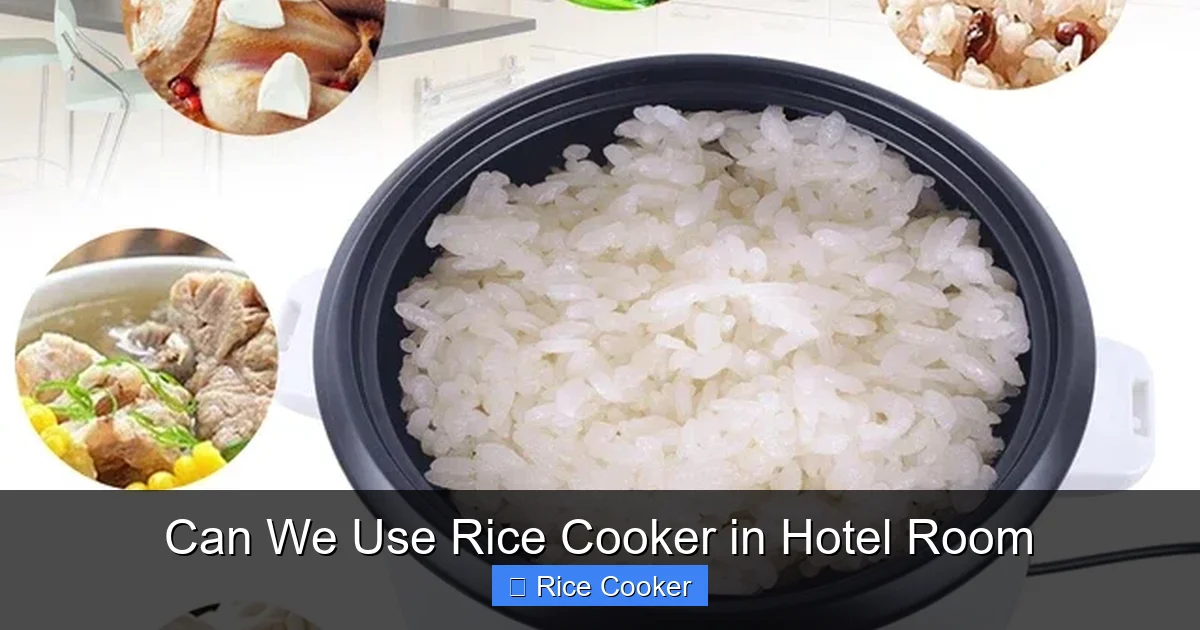
Traveling with a rice cooker isn’t always allowed—hotel rules vary by property. While some hotels permit small appliances, others restrict them due to fire safety or electrical concerns. Using a rice cooker in a hotel room can be safe and convenient if you follow guidelines and choose the right model. This guide explores what hotels allow, how to avoid issues, and smart alternatives for cooking on the road.
Key Takeaways
- Hotel policies differ: Many hotels prohibit rice cookers due to power limits or fire codes, but some upscale or extended-stay properties allow them.
- Check your room’s electrical capacity: Standard outlets may not handle high-wattage appliances like rice cookers safely.
- Portable and low-power models are safer: Look for compact, energy-efficient rice cookers under 500 watts to reduce risk.
- Ask before plugging in: Always inform front desk staff or read the policy—unauthorized appliances can lead to fines or eviction.
- Alternatives exist: Use electric kettles, portable stoves, or single-serve rice packets if a rice cooker isn’t an option.
- Practice kitchen etiquette: Clean up thoroughly and avoid strong odors to keep the room pleasant for future guests.
📑 Table of Contents
- Can We Use Rice Cooker in Hotel Room?
- Understanding Hotel Policies on Appliances
- Electrical Safety: What You Need to Know
- Choosing the Right Rice Cooker for Travel
- Alternatives to Using a Rice Cooker
- Practical Tips for Using a Rice Cooker Safely
- Real-Life Scenarios: What Actually Works
- Conclusion: Play Smart, Eat Well
Can We Use Rice Cooker in Hotel Room?
If you’re a rice lover traveling for work or pleasure, one of the first questions you might ask is: Can we use a rice cooker in a hotel room?
This question comes up often among foodies, digital nomads, budget travelers, and families who want to eat healthier while on the road. After all, nothing beats the aroma of freshly cooked jasmine rice or fluffy quinoa straight from the pot. But before you pack that rice cooker in your suitcase, it’s important to understand hotel rules, electrical limitations, and safety considerations.
In this comprehensive guide, we’ll walk you through everything you need to know about using a rice cooker in a hotel room—whether it’s allowed, how to do it safely, and what to do if it’s not. Whether you’re staying at a luxury resort, a budget motel, or an Airbnb-style apartment, you’ll find practical advice tailored to real-world travel scenarios.
Understanding Hotel Policies on Appliances
Hotels have strict policies regarding guest-use appliances, and these rules are usually outlined in the fine print of your reservation agreement or posted in the room. The main reasons hotels restrict appliances include:
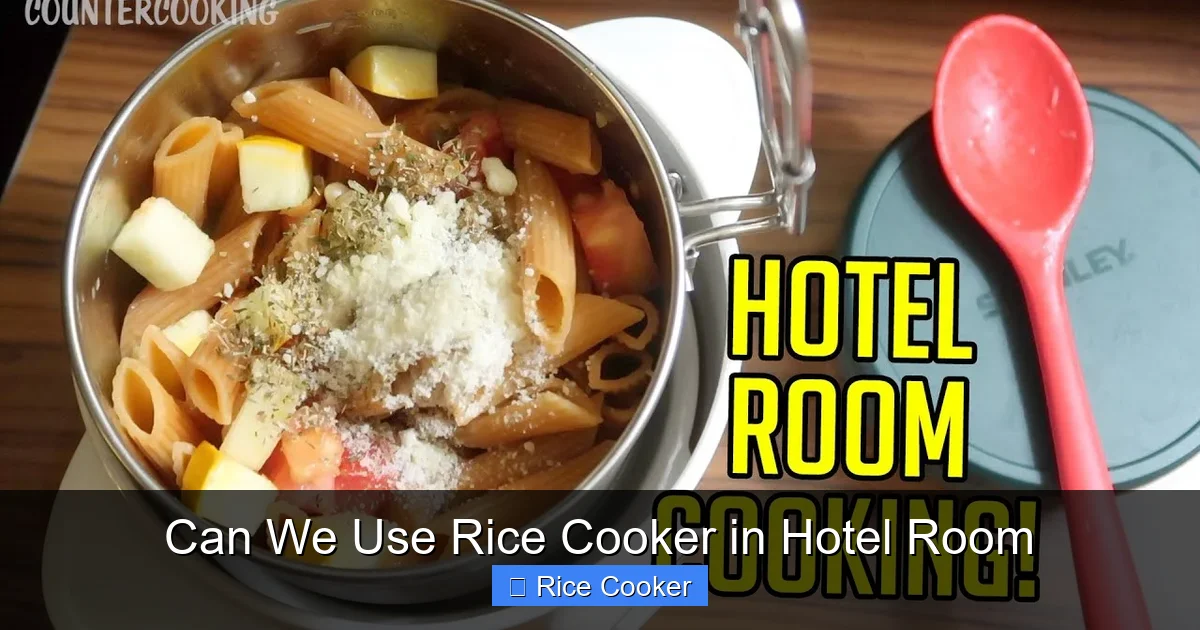
Visual guide about Can We Use Rice Cooker in Hotel Room
Image source: i.ytimg.com
- Fire safety: Overheating or faulty wiring can pose serious risks.
- Electrical load limits: Hotel circuits are designed for lighting, TVs, and basic outlets—not high-power devices.
- Damage liability: Staff want to avoid accidents caused by unauthorized equipment.
- Room turnover efficiency: Frequent appliance use can delay cleaning and maintenance.
For example, a study by the American Hotel & Lodging Association (AHLA) found that over 70% of mid-range and budget hotels explicitly ban small kitchen appliances like microwaves (unless provided), coffee makers, or rice cookers. However, extended-stay hotels—such as those operated by Residence Inn, Homewood Suites, or even certain boutique chains—often allow guests to use mini-fridges and sometimes even full-sized appliances.
If you’re unsure about your hotel’s policy, the best approach is simple: ask the front desk. Most staff are helpful and will clarify whether your rice cooker is permitted. Some hotels even offer in-room kitchens or kitchenettes, making it perfectly legal to prepare meals.
Common Signs a Hotel Allows Appliances
Look for these clues when checking in:
- A fully equipped kitchenette with stove, microwave, and sink
- Multiple high-wattage outlets near counter space
- Welcome packets mentioning “guest kitchen privileges”
- Reviews from other guests mentioning they used a rice cooker
On the flip side, signs that your hotel frowns upon appliances include:
- Only one standard outlet per room
- Warnings like “No refrigerators or heaters” in the policy
- Lack of counter space or utensils
- Small, cramped bathrooms with no drying area for wet dishes
Electrical Safety: What You Need to Know
Even if your hotel allows a rice cooker, electrical safety should never be overlooked. Here’s why:

Visual guide about Can We Use Rice Cooker in Hotel Room
Image source: pointswithacrew.com
Most hotel rooms in the U.S., Europe, and parts of Asia use either 110–120V or 220–240V systems. The wattage of your rice cooker determines how much current it draws. A typical rice cooker uses between 300W and 600W. That’s significantly more than a phone charger (5W) or a laptop (65W). If multiple high-wattage devices run simultaneously—like a hairdryer, space heater, and rice cooker—you risk tripping the circuit breaker.
To check compatibility:
- Find the label on your rice cooker—it lists voltage and wattage (e.g., “120V, 500W”).
- Count how many appliances you plan to plug into the same circuit.
- Avoid using extension cords or power strips unless they’re surge-protected and UL-listed.
Pro tip: Bring a travel voltage converter if you’re flying internationally. For instance, a 110V-only rice cooker won’t work safely in a 220V country without a converter—and may blow a fuse instantly.
What Happens If You Plug It In Anyway?
If you ignore the rules and plug in an unauthorized appliance:
- You might receive a warning or a fee.
- The hotel could unplug the device immediately.
- In extreme cases, especially with repeated violations, management may ask you to leave.
One traveler shared their experience on Reddit: “I brought my rice cooker to a Holiday Inn Express thinking it was fine. The next morning, housekeeping knocked and said, ‘We can’t have that here. Please remove it.’ I apologized and switched to instant rice. No charge, but definitely not worth the hassle.”
Choosing the Right Rice Cooker for Travel
Not all rice cookers are created equal—especially when you’re trying to sneak one past hotel security. Here’s how to pick a travel-friendly model:
Top Features to Look For
- Compact size: Under 1.5 liters (about 5 cups) fits easily in carry-on luggage.
- Low wattage: Opt for models below 500W to avoid overloading circuits.
- Auto shut-off: Ensures safety if forgotten overnight.
- Non-stick inner pot: Makes cleanup easier in a room without a sink (use a wet towel or sponge).
- No heating element outside the pot: Prevents burns and reduces fire risk.
Recommended Models for Travelers
| Model | Capacity | Wattage | Pros | Cons |
|---|---|---|---|---|
| Cuckoo CRP-DP0611F | 1.0L (3 cups) | 400W | Ultra-compact, keeps rice warm | Slightly expensive ($60+) |
| Zojirushi NS-TSC10 | 1.0L (3 cups) | 350W | Durable, excellent rice texture | Bulky for some backpacks |
| Instant Pot Duo Mini | 0.5L (2 cups) | 300W | Multi-use (rice, oatmeal, soup) | Limited capacity |
If portability is key, consider a steamer basket set instead of a full rice cooker. Some brands make collapsible silicone steamers that fit inside a small pot or even an electric kettle.
Alternatives to Using a Rice Cooker
What if your hotel doesn’t allow rice cookers—or you prefer not to risk it? No worries! There are several clever alternatives:
Option 1: Electric Kettle + Instant Rice Packets
Many travel brands now sell pre-seasoned rice packets (like Thai or Indian curries) that just need boiling water. Simply pour boiling water into a kettle, add the packet, stir, and wait 5 minutes. No mess, no electricity needed.
Brands like Olam Spice, TruRoots, and Good & Gather offer affordable, shelf-stable options. Plus, they’re TSA-approved for carry-on luggage.
Option 2: Portable Induction Cooktop
A tiny induction burner uses less than 300W and heats up fast. Pair it with a small pot, and you can cook rice on the countertop—just be mindful of heat distribution and ventilation.
Look for models under $30 from Amazon Basics or Mueller. Just remember: induction burners only work with magnetic cookware (stainless steel or cast iron).
Option 3: Single-Serve Rice Bowls with Steam Function
Some modern hotels (especially in Japan or Korea) provide onsen tamago or bento boxes with built-in steaming trays. If yours does, ask for extra hot water to reheat meals quickly.
Option 4: Room Service or Local Eateries
When all else fails, embrace local cuisine! Try a neighborhood noodle shop, sushi bar, or street food stall. It’s part of the adventure—and often cheaper than dining out at hotels.
Practical Tips for Using a Rice Cooker Safely
If you’ve confirmed your hotel allows it and chosen a safe model, here’s how to enjoy your meal responsibly:
Step-by-Step Guide
- Measure rice and water carefully. Too much water leads to mush; too little makes dry grains. Follow package instructions.
- Use filtered or bottled water. Tap water quality varies and can affect taste.
- Place the cooker on a flat, stable surface. Avoid carpeted floors—heat can warp surfaces.
- Keep the area clear. Ensure no curtains, towels, or bedding are near the appliance.
- Unplug after cooking. Never leave unattended.
- Clean the pot immediately. Use soap, water, and a sponge. Dry completely before packing.
Etiquette Matters
Even if allowed, be a considerate guest:
- Avoid cooking late at night—strong smells linger.
- Wipe down any spills.
- Dispose of scraps in trash cans (never down the toilet).
- Thank the staff if they accommodate your request.
One frequent traveler notes: “I once offered to buy the housekeeper a coffee after she let me keep my rice cooker plugged in. She smiled and said, ‘Just clean up well.’”
Real-Life Scenarios: What Actually Works
Let’s look at three common traveler profiles and how they handle rice cookers:
Case Study 1: The Digital Nomad in Tokyo
Maria, a remote designer, stays monthly at a business hotel in Shibuya. Her room has two outlets and a small table. She brought a 1.0L Zojirushi rice cooker and asked the front desk. They said yes—but warned her not to use it with a hair dryer. She sticks to early mornings and cleans up promptly. “It saves me $120 a week on meals,” she says.
Case Study 2: The Family Vacationer in Orlando
The Johnsons booked a suite at a Disney-area resort with a kitchenette. They packed their own rice cooker, microwave, and snacks. “Our kids loved having familiar foods,” says mom Lisa. “And we avoided buffet lines!” Their key: reading the listing carefully beforehand.
Case Study 3: The Budget Backpacker in Bangkok
Tom stayed at a hostel with thin walls and strict rules. He couldn’t bring his rice cooker. Instead, he bought instant Thai rice bowls from 7-Eleven and cooked them in the shared kitchen (with permission). “Cheaper and faster,” he admits. “Plus, I met cool travelers while waiting in line!”
Conclusion: Play Smart, Eat Well
So, can we use a rice cooker in a hotel room? The short answer is: sometimes—but not always.
Your success depends on researching the hotel’s policy, choosing a safe appliance, respecting electrical limits, and treating the space like your own home. When done right, bringing a rice cooker can transform your trip—offering comfort, savings, and delicious meals tailored to your taste.
But if the rules aren’t clear, or the risk feels too high, don’t hesitate to explore alternatives. From instant rice to local flavors, there are plenty of ways to eat well on the road.
At the end of the day, travel is about balance: convenience vs. compliance, adventure vs. routine. And sometimes, a perfectly cooked bowl of rice makes all the difference.
Frequently Asked Questions
Is it safe to use a rice cooker in a hotel room?
Yes, but only if the hotel permits it and your appliance meets electrical standards. Low-wattage models under 500W are safest. Always unplug after use and avoid overloading outlets.
Do all hotels allow rice cookers?
No. Budget and standard hotels often ban them due to fire codes and power limits. Extended-stay or apartment-style hotels are more likely to allow them.
Can I bring a rice cooker on a plane?
Yes, most carry-on bags accommodate small rice cookers. Check airline size restrictions and ensure it’s unplugged. Larger models may require checked baggage.
What if my hotel doesn’t allow rice cookers?
Try alternatives like instant rice packets, electric kettles, or portable stoves. Many hotels also have communal kitchens where appliances are welcome.
How do I clean a rice cooker in a hotel room?
Use bottled water, a sponge, and mild soap. Rinse thoroughly and air-dry before packing. Avoid leaving residue or strong smells.
Are there hotels that rent rice cookers?
Some boutique or Japanese-style hotels in Asia may offer loaner rice cookers. Ask at check-in or book through partner sites like Booking.com or Expedia.