
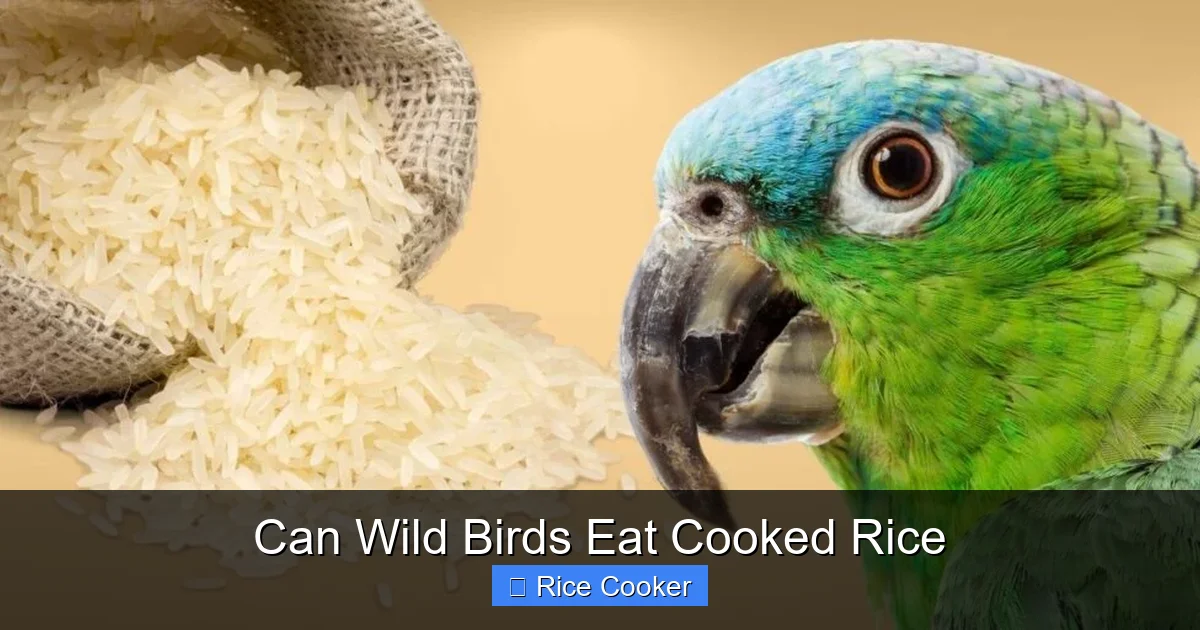
Wild birds can eat cooked rice without any issues. It’s a safe and nutritious food source when served plain and in moderation. However, always avoid seasoned or fried rice, as added salt, oil, and spices can harm them. Offering rice is a simple way to support local bird populations during winter or after natural disasters.
Key Takeaways
- Cooked rice is safe for wild birds: Plain, cooled rice poses no health risks and can be a valuable energy source.
- Avoid seasoned rice: Salt, butter, spices, and oils common in human meals are toxic or harmful to birds.
- Offer rice in moderation: Too much rice alone can lead to nutritional imbalances; it should supplement, not replace, natural diets.
- Best practice is to offer dry or slightly moistened rice: Wet or mushy rice can clump and cause choking or respiratory issues.
- Use rice as part of a diverse feeding strategy: Pair with seeds, fruits, and insects to ensure balanced nutrition.
- Clean up spilled rice promptly: Stagnant rice can attract pests and mold, creating unsanitary conditions.
- Rice is especially helpful in emergencies: It’s a reliable short-term food source during storms or habitat loss events.
Quick Answers to Common Questions
Can all types of wild birds eat cooked rice?
Yes, most common wild birds including sparrows, finches, doves, robins, and waterfowl can safely eat plain cooked rice. However, always monitor larger or rare species for signs of discomfort.
Is brown rice better than white rice for birds?
Brown rice offers more fiber and nutrients, but it’s harder for some birds to digest. White rice is often preferred in rescue settings because it’s softer and easier to eat.
Should I add anything to rice to make it more appealing?
No. Avoid salt, sugar, butter, or spices. Plain rice is safe and sufficient. Adding anything increases the risk of toxicity or digestive upset.
How long can cooked rice sit outside before it’s unsafe?
Ideally, remove uneaten rice within 24 hours. After that, mold or bacterial growth may occur, especially in warm weather.
Can baby birds eat rice?
Only if they are old enough to handle solid food. Very young nestlings cannot digest rice and should only receive appropriate formulas from trained wildlife rehabilitators.
📑 Table of Contents
- Can Wild Birds Eat Cooked Rice? A Complete Guide to Feeding Wildlife Safely
- Why Birds Are Attracted to Rice
- The Science Behind Cooked Rice and Bird Health
- How to Safely Feed Wild Birds Cooked Rice
- When Is Rice Most Beneficial for Wild Birds?
- Common Myths About Feeding Birds with Rice
- Alternatives to Rice: A Balanced Approach
- Environmental Impact of Feeding Wild Birds
- Conclusion: Use Rice Responsibly
Can Wild Birds Eat Cooked Rice? A Complete Guide to Feeding Wildlife Safely
Have you ever seen birds flocking around your backyard, pecking at fallen crumbs or spilled grains? If so, you might have noticed them nibbling on something familiar—like leftover rice from a picnic or a dropped bowl of cereal. But here’s the real question: can wild birds eat cooked rice? The short answer is yes—most wild birds can safely consume cooked rice, especially plain white rice, without any adverse effects. In fact, rice has become a go-to food source for many birdwatchers and rescue volunteers during emergencies. But while it’s generally safe, there are important guidelines to follow to ensure you’re helping, not hurting, our feathered friends.
In this comprehensive guide, we’ll explore everything you need to know about feeding wild birds cooked rice. From nutritional value to safety precautions, seasonal considerations, and even how to prepare rice properly, you’ll walk away with practical knowledge that makes a real difference. Whether you’re a seasoned bird enthusiast or just curious about supporting local wildlife, this article will help you make informed decisions that promote bird health and well-being.
Why Birds Are Attracted to Rice
You might wonder why birds seem so drawn to rice. After all, it’s not exactly a natural part of their diet in the wild. But rice is rich in carbohydrates, which provide quick energy—something birds need for flying, foraging, and surviving cold weather. During migration seasons or harsh winters, when natural food sources like seeds and insects are scarce, rice becomes an accessible and calorie-dense option.
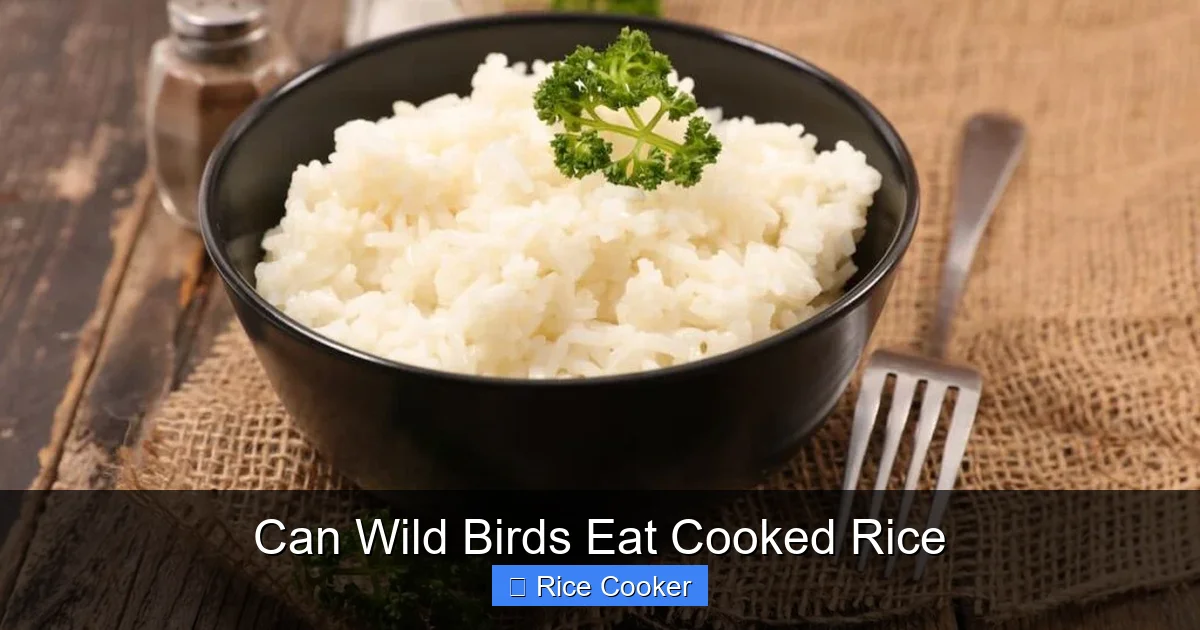
Visual guide about Can Wild Birds Eat Cooked Rice
Image source: meanderingwild.com
The Role of Carbohydrates in Bird Nutrition
Birds, especially small songbirds, rely heavily on carbohydrates for sustained energy. Unlike humans, birds have high metabolic rates and burn through calories rapidly. Simple carbs, like those found in rice, break down quickly into glucose, fueling their active lifestyles. This makes rice an excellent emergency food source—particularly in situations where birds are stressed or displaced due to natural disasters like hurricanes or forest fires.
For example, after Hurricane Katrina in 2005, thousands of birds were rescued and rehabilitated. Many organizations reported that offering plain cooked rice helped stabilize weak or malnourished birds. The easy digestibility and energy content made it a lifeline until proper veterinary care could be provided.
Rice as a Substitute in Urban Environments
In cities and suburban areas, natural habitats are often limited. Parks, backyards, and even parking lots become vital refuges for urban birds. When these environments lack native seeds or insects, people naturally turn to what they have on hand—including rice. A handful of plain rice scattered on the ground can attract sparrows, finches, doves, and even larger birds like pigeons or ducks.
But remember: attraction doesn’t mean overfeeding. While rice is safe, it shouldn’t replace a varied diet. Think of rice as a supplement, not a staple. Just as we wouldn’t survive on only bread and pasta, birds need protein, fats, vitamins, and minerals from a range of foods.
The Science Behind Cooked Rice and Bird Health
Let’s dig deeper into why cooked rice is both beneficial and potentially risky for wild birds. Understanding the science helps us use it wisely.
Visual guide about Can Wild Birds Eat Cooked Rice
Image source: birdsspotter.com
Nutritional Profile of Cooked Rice
Plain cooked white rice is primarily composed of carbohydrates (about 28 grams per cup), with minimal fat and protein. It contains trace amounts of fiber, B vitamins (especially thiamine), and small quantities of potassium and magnesium. While not nutrient-dense compared to whole grains or seeds, its simplicity makes it easy to digest—even for birds with sensitive systems.
Brown rice offers slightly more fiber, iron, and B vitamins than white rice, but it takes longer to cook and may be less appealing to some bird species due to its texture. For most purposes, either type is acceptable, though white rice is more commonly used in rescue scenarios because it cooks faster and is softer when cooled.
Dangers of Unhealthy Rice Varieties
This is where caution comes in. Not all rice is created equal when feeding wild birds. Seasoned, fried, or salted rice can be extremely harmful—even deadly. Here’s why:
- Salt: Excess sodium disrupts birds’ fluid balance, leading to dehydration, kidney damage, and neurological issues. Even a pinch of salt can be dangerous for small birds.
- Butter and oil: Fats from cooking can coat birds’ feathers, reducing insulation and waterproofing. This increases the risk of hypothermia, especially in waterfowl like ducks and geese.
- Spices and flavorings: Onions, garlic, pepper, and other seasonings are toxic to many animals and can cause digestive distress or anemia in birds.
- Gravy or sauce-soaked rice: These contain high levels of salt, fat, and artificial additives that are completely unsuitable for wildlife.
So when you’re considering offering rice to wild birds, always choose plain, unseasoned, and fully cooked rice. No butter, no salt, no flavorings—just clean, cooled rice.
How to Safely Feed Wild Birds Cooked Rice
Feeding wild birds isn’t as simple as tossing out a bowl of leftovers. Proper preparation and presentation matter. Follow these best practices to ensure your gesture supports bird health rather than causing harm.
Preparation Guidelines
Start by cooking rice without any additives. Use plain water and avoid salt, oil, or herbs. Once cooked, let the rice cool completely before placing it near birds. Hot rice can scorch delicate tissues in birds’ mouths and throats.
If you’re preparing rice in advance (for example, for a bird rescue effort), store it in airtight containers in the refrigerator for up to 48 hours. Reheat gently if needed, then allow it to cool again before serving.
For immediate feeding, you can offer rice that’s still slightly warm but not hot to the touch. Avoid making it mushy—birds prefer dry or lightly moist grains they can pick up easily.
Presentation Tips
Scatter rice on open ground, such as grassy areas or sidewalks, rather than placing it in feeders. Many wild birds forage on the ground, and elevated feeders may deter species like robins or thrushes. A small pile of rice (about a handful) is usually enough to attract attention without overwhelming the area.
Place rice in shaded spots to prevent rapid spoilage and reduce mold growth. Avoid areas with heavy foot traffic or pet activity to minimize stress on the birds.
Always clean up uneaten rice within 24 hours. Stagnant rice can ferment, grow mold, or attract rodents, flies, or other pests—turning a helpful meal into a sanitation hazard.
Frequency and Portion Control
Don’t feed rice daily unless absolutely necessary. Occasional offerings (once every few days) are sufficient to support birds without disrupting their natural foraging behaviors. Over-reliance on human-provided food can make birds dependent and reduce their ability to find food independently.
In emergency situations—such as after a storm—you may offer rice more frequently, but limit portions to small amounts (no more than a quarter-cup per location). Monitor the site to ensure birds are eating and not wasting the food.
When Is Rice Most Beneficial for Wild Birds?
Cooked rice is particularly useful during specific times of year or under certain conditions. Understanding these contexts helps you time your feedings appropriately.
Winter Months and Cold Weather
During winter, natural food sources dwindle. Seeds freeze, insects disappear, and plants stop producing fruit. Birds need extra calories to stay warm and maintain energy. A small offering of rice can bridge the gap between foraging trips.
However, don’t confuse winter feeding with year-round feeding. Set up a schedule: offer rice once every few days during cold snaps, but give natural foods like sunflower seeds or suet more prominence.
Post-Disaster Scenarios
After hurricanes, wildfires, or floods, birds lose their homes and food supplies. Rescue centers and compassionate individuals often step in with emergency rations. Rice is a popular choice because it’s easy to prepare, transport, and serve.
Organizations like the National Audubon Society and local wildlife rehab groups recommend plain rice as a temporary measure while longer-term recovery plans are developed. It’s not meant to replace professional care, but it can stabilize birds until help arrives.
Breeding and Migration Seasons
Birds require even more energy during breeding and migration. Parent birds feed hungry chicks, and migrating species fly hundreds of miles nonstop. Providing accessible energy sources like rice can support these critical life stages.
Still, focus on native foods when possible. Offer rice as a supplement rather than a replacement. For instance, mix a few grains into a seed blend or place rice near fruit offerings to encourage variety.
Common Myths About Feeding Birds with Rice
Despite its popularity, cooked rice feeding comes with myths and misconceptions. Let’s clear the air.
Myth #1: All Rice Is Safe
False. As mentioned earlier, seasoned, fried, or salted rice can poison birds. Only plain, unadorned cooked rice is safe. Always double-check ingredients if you’re using store-bought rice products.
Myth #2: Birds Will Starve Without Human Help
Not true. Most wild birds are resilient and adapt well to changing conditions. While assistance is appreciated in emergencies, regular feeding can create dependency and alter natural behaviors. Support birds by enhancing habitat, not replacing instinct.
Myth #3: Rice Should Be Soaked Before Feeding
Unnecessary. Dry or slightly damp rice is fine. Soaking creates mush, which can stick to birds’ beaks or cause respiratory irritation. Keep it simple.
Myth #4: Only Certain Bird Species Can Eat Rice
Most common wild birds—including sparrows, finches, doves, robins, and even some waterfowl—can eat rice safely. Larger birds like turkeys or pheasants may also consume it, but monitor closely to avoid overeating.
Myth #5: Leftover Restaurant Rice Is Ideal
Not recommended. Restaurant rice often contains garlic, onion, salt, or oil—all harmful to birds. Stick to homemade, plain rice for safety.
Alternatives to Rice: A Balanced Approach
While rice is a great emergency food, it’s not the only option—and certainly not the best long-term solution. A varied diet ensures birds get all essential nutrients.
Safe Grain Options
- Oats: Soft when cooked and rich in fiber.
- Barley and quinoa: Nutrient-dense and easy to digest.
- Cooked pasta: Plain, uncooked pasta is also safe in small amounts.
Protein-Rich Foods
Birds need protein for feather repair, egg production, and muscle development. Offer:
- Soft-boiled eggs (chopped)
- Dried mealworms
- Chopped insects (if available)
- Peanuts (unsalted, shelled)
Fruits and Vegetables
Many birds enjoy:
- Chopped apples, grapes, or berries
- Steamed carrots or sweet potatoes
- Leafy greens (occasionally)
Remember to remove pits, cores, or skins that could pose choking hazards.
Environmental Impact of Feeding Wild Birds
While feeding birds seems harmless, it can have unintended consequences. Understanding these helps us act responsibly.
Overpopulation and Disease
Frequent feeding can attract too many birds to one area, increasing competition and the spread of disease. Crowded conditions also make birds vulnerable to predators.
Dependency and Behavioral Changes
Birds may stop foraging naturally or become aggressive around food sources. This reduces their survival skills and disrupts local ecosystems.
Habitat Alteration
Consistent feeding can shift bird behavior patterns, leading to overuse of certain areas and neglect of others. This imbalance affects plant pollination, seed dispersal, and insect control.
To minimize impact, feed sparingly and diversify locations. Rotate feeding sites every few weeks to distribute birds across the landscape.
Conclusion: Use Rice Responsibly
In summary, cooked rice is safe and beneficial for wild birds when offered correctly. It’s a valuable energy source, especially in emergencies or during cold months. But safety, moderation, and variety are key. Always serve plain, cooled rice without salt, oil, or seasonings. Present it simply, clean up promptly, and avoid making it a daily habit.
By understanding the needs of wild birds and acting with compassion and responsibility, we can support their survival without compromising their independence. Whether you’re helping after a disaster or simply enjoying a moment of connection with nature, your thoughtful actions make a meaningful difference.
So next time you see birds circling your yard, consider offering a small handful of plain rice—but do it wisely. Your feathered friends will thank you.
Frequently Asked Questions
Is it safe to feed wild birds rice every day?
No, daily feeding can create dependency and disrupt natural foraging behaviors. Offer rice occasionally, such as once every few days during cold weather, and prioritize natural food sources.
Can rice help birds during winter?
Yes, rice provides quick energy when natural food is scarce. It’s especially useful during severe cold snaps, but should be paired with other safe foods like seeds or suet for balanced nutrition.
What happens if birds eat too much rice?
Overconsumption can lead to nutritional imbalances, reduced intake of protein-rich foods, and potential digestive issues. Always offer rice in small portions and alongside other foods.
Are there any bird species that should not eat rice?
Most healthy adult birds can eat rice safely. However, very young, sick, or injured birds should receive specialized care from professionals—never homemade meals like rice.
Can I reuse leftover rice from my kitchen?
Yes, but only if it’s plain and fully cooled. Never use rice that was seasoned, fried, or stored with sauces. Wash hands and surfaces thoroughly before handling.
How should I store prepared rice for bird feeding?
Store cooked rice in airtight containers in the refrigerator for up to 48 hours. Reheat gently if feeding later, then let it cool completely before offering to birds.