
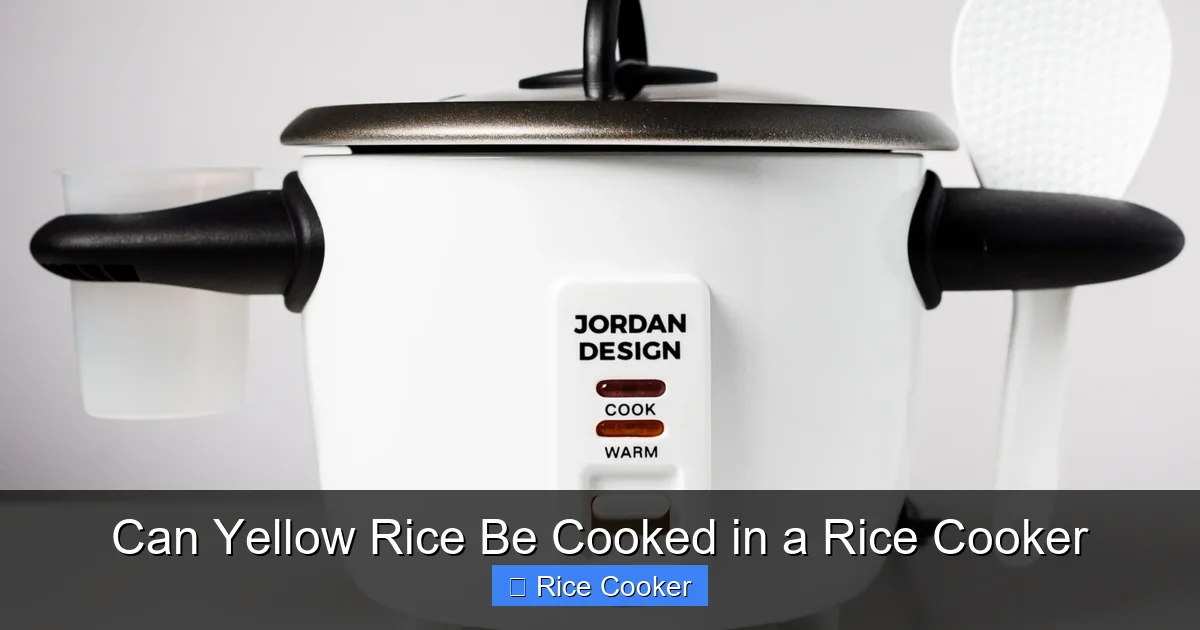
Can you cook yellow rice in a rice cooker? Absolutely! It’s not only possible but also one of the easiest ways to prepare this vibrant, nutritious dish. Whether you’re using turmeric, saffron, or food coloring, your rice cooker handles it all with minimal effort. In this guide, we’ll walk through everything you need—from preparation to troubleshooting—so your yellow rice turns out fluffy, fragrant, and delicious every time.
Key Takeaways
- Yes, yellow rice can absolutely be cooked in a rice cooker. The appliance is designed to handle various grains and seasonings, including those that give rice a golden hue.
- Turmeric is the most common ingredient used to make yellow rice, providing both color and subtle earthy flavor without altering the texture of the rice.
- A rice cooker ensures even cooking and consistent results, eliminating guesswork when preparing dishes like biryani, pilaf, or spiced rice.
- You don’t need special settings or modes—standard white rice settings work perfectly for yellow rice as long as liquid ratios are correct.
- Soaking rice before cooking improves texture and helps distribute color evenly, especially important if using natural dyes like turmeric.
- Adding aromatics like onions, garlic, or bay leaves during cooking enhances flavor and complements the golden color beautifully.
- Troubleshooting tips help fix common issues such as mushy rice, uneven coloring, or weak aroma—ensuring success every time.
📑 Table of Contents
- Introduction: Why Yellow Rice Deserves a Spot on Your Dinner Table
- The Science (and Simplicity) Behind Cooking Yellow Rice
- Step-by-Step Guide: Making Perfect Yellow Rice in a Rice Cooker
- Pro Tips for Elevating Your Yellow Rice
- Cooking Different Types of Yellow Rice in Your Rice Cooker
- Common Mistakes and How to Fix Them
- Beyond the Basics: Creative Uses for Yellow Rice
- Conclusion: Embrace the Golden Simplicity
Introduction: Why Yellow Rice Deserves a Spot on Your Dinner Table
If you’ve ever seen a plate of golden-yellow rice at an Indian restaurant or a Middle Eastern feast, chances are it wasn’t just dyed—it was lovingly prepared with ingredients that add both beauty and nutrition. Known as yellow rice, this vibrant dish gets its signature color from spices like turmeric, saffron, or annatto, depending on regional traditions. Beyond aesthetics, yellow rice often carries rich cultural significance and health benefits, making it more than just a side dish—it’s a celebration on your plate.
But let’s get real: cooking rice manually takes focus, timing, and a little luck. That’s where the humble rice cooker comes in. This kitchen workhorse has revolutionized how we cook rice across cultures and cuisines. And yes—you can absolutely cook yellow rice in a rice cooker. In fact, it might be the easiest, most reliable way to achieve perfectly fluffy, evenly colored, and aromatic results every single time.
In this article, we’ll explore exactly how to make yellow rice using your rice cooker, why it works so well, and share pro tips to take your dish from good to great. Whether you’re new to spiced rice or a seasoned home cook looking to simplify your routine, read on—because cooking yellow rice has never been this stress-free.
The Science (and Simplicity) Behind Cooking Yellow Rice
How Does Yellow Rice Get Its Color?
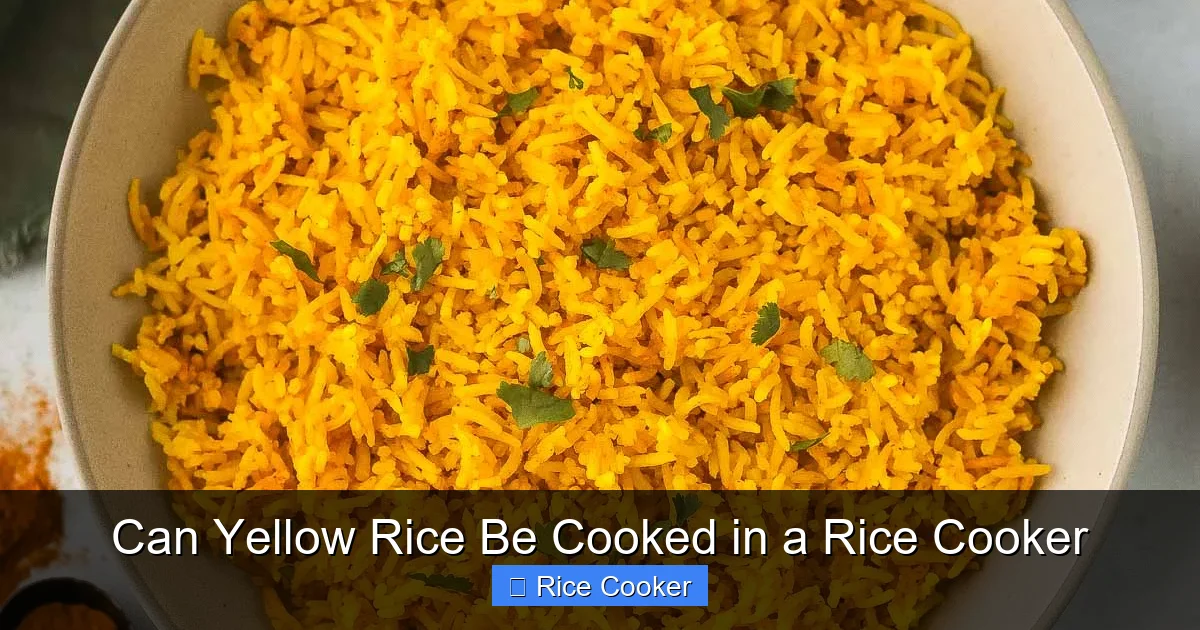
Yellow rice owes its radiant hue to natural pigments found in certain spices and plants. The most popular options include:
Visual guide about Can Yellow Rice Be Cooked in a Rice Cooker
Image source: iheartvegetables.com
- Turmeric: A staple in South Asian cuisine, turmeric contains curcumin, which gives rice a bright yellow-orange shade and imparts a mild, slightly bitter, earthy flavor.
- Saffron: Often used in Persian and Mediterranean cooking, saffron threads steep into water to create a deep golden liquid that colors rice beautifully—plus adds floral notes and luxury appeal.
- Annatto (achiote): Common in Latin American and Caribbean dishes, annatto seeds produce a reddish-yellow dye and a nutty, citrusy taste.
- Food-grade yellow food coloring: While less traditional, some recipes use this for consistent results—especially in commercial kitchens or when replicating specific looks.
Regardless of the method, the goal is to infuse the rice with color and flavor without compromising texture. This brings us to our next point: how a rice cooker makes it all possible.
Why a Rice Cooker Is Ideal for Yellow Rice
Rice cookers operate on precise temperature control—heating water to boiling, then switching to simmer mode once the water evaporates and the rice absorbs moisture. This two-stage process prevents burning and ensures each grain cooks uniformly. For yellow rice, this consistency is key. Unlike stovetop methods where heat distribution can vary, your rice cooker maintains steady conditions, meaning your turmeric-infused grains won’t turn mushy or remain undercooked.
Additionally, modern rice cookers come with features like fuzzy logic, delay timers, and multiple settings (white rice, brown rice, steam, etc.), giving you flexibility. Most importantly, they require almost zero attention after setup—perfect for busy weeknights or meal prep days.
Step-by-Step Guide: Making Perfect Yellow Rice in a Rice Cooker
Gathering Ingredients and Tools
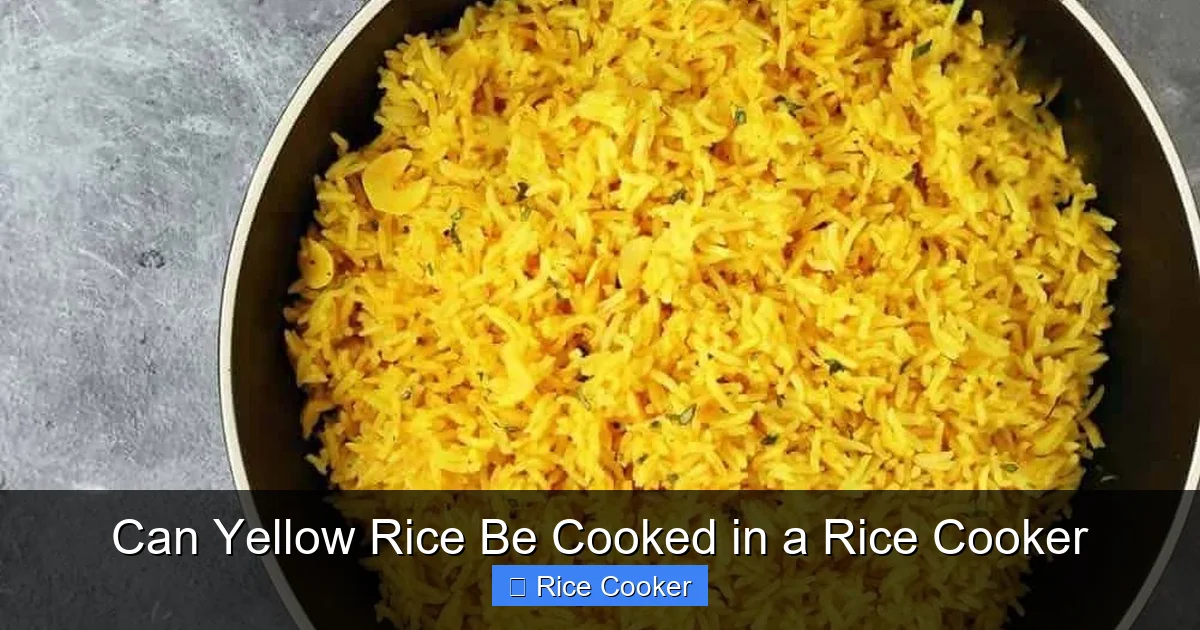
Before you press “start,” gather these essentials:
Visual guide about Can Yellow Rice Be Cooked in a Rice Cooker
Image source: i.pinimg.com
- 1 cup long-grain white rice (jasmine, basmati, or regular white rice all work)
- 1½ cups water or broth (for extra flavor)
- 1 teaspoon ground turmeric (or 5–6 saffron threads soaked in warm water)
- ½ teaspoon salt
- Optional: 1 small onion, sliced; 2 cloves garlic, minced; 1 bay leaf; 1 tablespoon oil or ghee
- Rice cooker pot (non-stick preferred)
- Fine-mesh strainer
- Measuring cups and spoons
Prepping the Rice Like a Pro
The secret to foolproof yellow rice starts with rinsing. Place your rice in a bowl and rinse under cold running water until the water runs clear. This removes excess starch, preventing clumping and helping the turmeric bind evenly. Drain thoroughly using a strainer.
For deeper color and better absorption, soak the rinsed rice for 15–30 minutes. While soaking, heat oil or ghee in a pan, sauté onions until translucent, then stir in turmeric (or add saffron-infused water) to create a fragrant paste. Add drained rice and toast for 1–2 minutes—this step boosts flavor and ensures even coloring before transferring to the rice cooker.
Setting Up Your Rice Cooker
Transfer the rice mixture (with any sautéed aromatics) to the inner pot of your rice cooker. Add water or broth, salt, and optional bay leaf. Stir gently to combine. Close the lid and select the “White Rice” setting—most standard models don’t differentiate between colored and plain rice. Press start and forget it!
Once the cycle completes, let the rice rest for 5–10 minutes with the lid closed. This allows residual heat to finish steaming, resulting in fluffier grains. Finally, fluff gently with a fork before serving.
Pro Tips for Elevating Your Yellow Rice
Flavor Boosters You Can Add
While basic yellow rice is delicious on its own, layering in additional flavors transforms it into a standout dish:
- Herbs & Spices: Cumin, coriander, cardamom pods, or cinnamon stick add warmth and complexity.
- Liquid Variety: Swap water for chicken, vegetable, or lentil broth for richer taste.
- Protein Pairings: Add chickpeas, diced carrots, peas, or shredded chicken during the last few minutes of cooking.
- Fresh Herbs: Toss in chopped cilantro or parsley after cooking for brightness.
Texture Matters: Avoiding Mushy or Dry Results
Even with the best intentions, rice can go wrong. Here’s how to avoid common pitfalls:
- Mushy Rice? Overfilling the cooker or using too much liquid causes sticking. Stick to 1:1.5 rice-to-water ratio.
- Dry or Undercooked? Check if your rice cooker seal is airtight. Also, ensure you’re using the right type of rice—long-grain holds shape best.
- Uneven Coloring? Toast turmeric with rice before adding water, or simmer saffron longer to release full pigment.
- Use fresh turmeric root (grated) instead of powder for richer color.
- Simmer saffron threads in warm milk or water for 10 minutes before adding to rice.
- Add a pinch of baking soda to turmeric-water mix—this alkaline environment enhances yellow intensity.
- Buddha Bowls: Top with roasted veggies, beans, avocado, and tahini dressing.
- Sushi Rolls: Mix turmeric into sushi rice for a fun, edible art piece.
- Risotto Alternative: Combine with mushrooms, thyme, and white wine for a comforting main course.
- Breakfast Option: Serve warm with fried eggs, spinach, and feta for a savory morning twist.
Color Consistency Without Artificial Additives
If you prefer natural coloring, here’s how to maximize vibrancy:
Cooking Different Types of Yellow Rice in Your Rice Cooker
Indian-Style Turmeric Rice
This everyday staple pairs perfectly with curries, dal, or grilled meats. Simply replace water with coconut milk for a creamy twist. Add mustard seeds, curry leaves, and green chilies while sautéing onions for authentic flavor.
Persian Saffron Rice (Tahdig Variation)
While tahdig—the crispy bottom layer—is traditionally made on a stovetop, you can still enjoy saffron rice in your cooker. Use a heavy-bottomed inner pot and sprinkle breadcrumbs or potatoes at the bottom before adding rice. After cooking, crisp them up under the broiler for 2–3 minutes.
Spanish Arroz Amarillo (With Annatto)
Common in Latin American kitchens, this version uses achiote paste or seeds. Soak seeds in hot water, strain, and use the infused liquid as your cooking base. Add smoked paprika and olives for extra depth.
Vegan & Gluten-Free Options
Yellow rice is naturally vegan and gluten-free when made with plain white rice and plant-based liquids. Just double-check spice blends for hidden additives. Nutritional yeast or miso can enhance umami without compromising dietary needs.
Common Mistakes and How to Fix Them
Problem: Rice Sticks Together
Cause: Too much starch, insufficient rinsing, or overfilling.
Fix: Rinse rice thoroughly, use exact measurements, and fluff immediately after cooking.
Problem: Weak or Patchy Coloring
Cause: Low-quality turmeric or insufficient steeping time.
Fix: Toast turmeric with rice, or let saffron steep longer. Consider adding a splash of lemon juice—acidity helps brighten color.
Problem: Bland Flavor
Cause: Not enough salt, spices, or aromatic ingredients.
Fix: Season generously during sautéing stage. Taste and adjust before adding water.
Problem: Burnt Bottom Layer
Cause: Uneven heating or dirty inner pot.
Fix: Clean your rice cooker regularly. Use parchment paper or a thin layer of oil-coated rice at the bottom if needed.
Beyond the Basics: Creative Uses for Yellow Rice
Yellow rice isn’t just a side dish—it shines in bowls, salads, and fusion meals:
Its versatility makes it a pantry hero—ready for quick lunches, holiday spreads, or Instagram-worthy dinners.
Conclusion: Embrace the Golden Simplicity
Cooking yellow rice in a rice cooker isn’t just convenient—it’s transformative. No more watching the stove, stirring constantly, or risking burnt batches. With your rice cooker doing the heavy lifting, you free up time for creativity, conversation, or simply enjoying the moment.
Whether you choose turmeric for everyday ease, saffron for elegance, or annatto for bold flavor, the process remains delightfully simple. The key lies in preparation: rinse well, toast spices, and trust the machine. From there, the magic unfolds—fluffy grains, radiant color, and aromas that signal dinner is ready.
So next time you’re planning a family meal or hosting friends, skip the complicated recipes. Grab your rice cooker, toss in some turmeric, and watch your kitchen glow. Because sometimes, the simplest tools deliver the most beautiful results.
Frequently Asked Questions
Can I use brown rice instead of white rice for yellow rice in a rice cooker?
Yes, you can use brown rice, but it requires more water (about 1¾–2 cups per cup of rice) and longer cooking time. Brown rice may also absorb spices differently, so adjust quantities accordingly.
Does yellow rice have health benefits?
Absolutely! Turmeric contains anti-inflammatory compounds like curcumin, while saffron offers antioxidants. Yellow rice made with whole ingredients supports digestion and adds vibrant nutrients to your diet.
How do I store leftover yellow rice?
Store in an airtight container in the refrigerator for up to 4 days. Reheat gently on the stovetop with a splash of water or broth to restore moisture.
Can I make yellow rice ahead of time?
Yes! Cooked yellow rice keeps well for 2–3 days. It’s ideal for meal prep—just portion and reheat when needed.
Is it safe to use food coloring to make yellow rice?
Only if it’s labeled as food-grade and suitable for consumption. While effective for color, natural methods like turmeric are healthier and more authentic.
What if my rice cooker doesn’t have a “white rice” setting?
Most standard rice cookers have a default setting that works perfectly for yellow rice. If unsure, consult your manual—but rest assured, colored rice follows the same basic principles as white rice.