
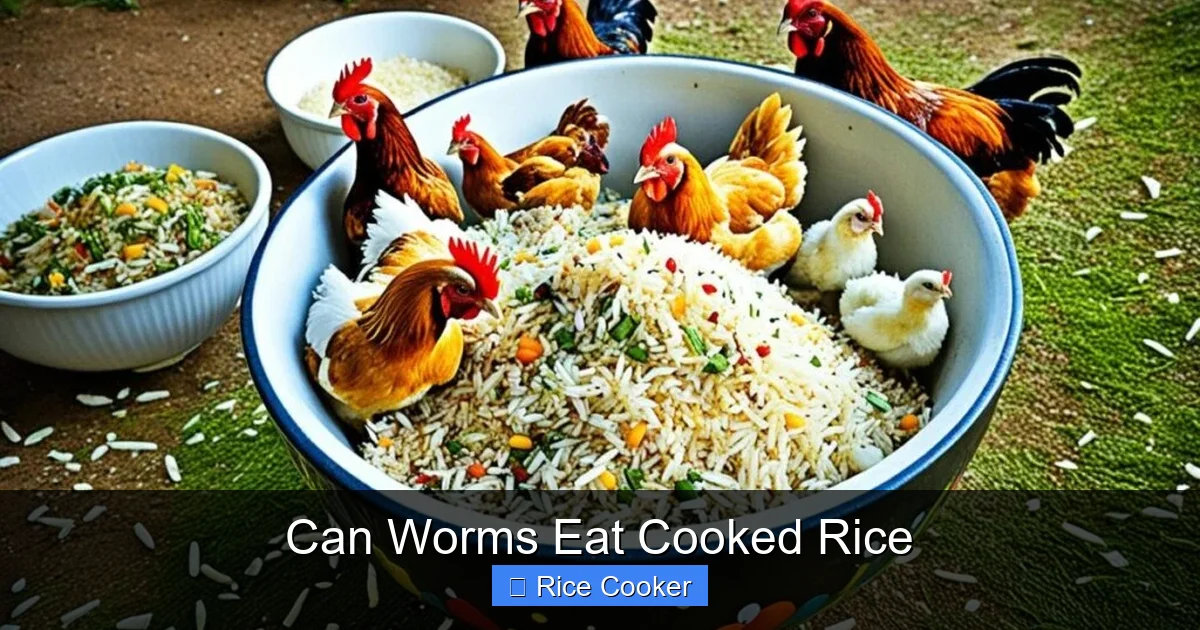
Can worms eat cooked rice? Yes, but only small amounts and properly prepared—raw or overcooked rice can harm your composting system. Worms love soft, partially digested grains because they’re easy to break down, making cooked rice a useful food scrap in moderation.
When added correctly, cooked rice feeds red wigglers and supports healthy decomposition without clogging airflow or creating odors. However, too much rice causes ammonia spikes, attracts pests, and upsets the balance of your worm bin. Always mix rice into bedding and avoid adding it frequently or in large quantities.
Key Takeaways
- Worms can safely eat small amounts of cooked rice: Cooked rice is soft and easily digestible for earthworms, especially red wigglers commonly used in vermicomposting.
- Raw or stale rice may not be safe: Raw rice contains starch that resists digestion, while stale or moldy rice can introduce harmful bacteria or fungi to the worm bin.
- Overfeeding leads to problems: Excessive rice causes ammonia buildup, attracts fruit flies, and creates anaerobic conditions that stress worms and slow composting.
- Cooking method matters: Plain boiled rice without salt, oil, or spices is best; fatty or sauced rice can create greasy residues that suffocate worms.
- Mix thoroughly with bedding: Spread rice evenly under the surface of the worm habitat to prevent clumping, ensure oxygen flow, and reduce odor.
- Use sparingly as an occasional treat: Rice should supplement—not dominate—the diet; prioritize leafy greens, vegetable scraps, and coffee grounds for balanced nutrition.
- Monitor your worm bin closely: Watch for changes in moisture, smell, or worm behavior after introducing rice to catch issues early.
📑 Table of Contents
- Can Worms Eat Cooked Rice? A Friendly Guide to Feeding Your Composting Friends
- The Basics: What Are Worms and Why Do They Matter?
- Why Cooked Rice Is Often Considered Safe
- What Kind of Rice Can Worms Eat?
- How Much Cooked Rice Can You Feed Worms?
- Step-by-Step: How to Safely Add Cooked Rice to Your Worm Bin
- Potential Risks of Feeding Too Much Cooked Rice
- Alternatives to Cooked Rice: What Else Do Worms Love?
- Signs Your Worm Bin Is Thriving (And When to Worry)
- Bonus Tips: Making the Most of Kitchen Scraps
- Final Thoughts: Cooked Rice Can Be Part of a Healthy Worm Diet
Can Worms Eat Cooked Rice? A Friendly Guide to Feeding Your Composting Friends
If you’re into composting—or thinking about starting a worm bin—you’ve probably wondered what your little wriggling helpers can (and can’t) eat. One common question pops up time and again: Can worms eat cooked rice? The short answer is yes, but with caveats. Cooked rice can be a helpful addition to your worm bin when used wisely. But like any good thing, too much of it can cause trouble.
In this article, we’ll walk through everything you need to know about feeding cooked rice to worms. We’ll cover why rice works well, how to prepare it safely, what to watch out for, and how to keep your worm bin thriving. Whether you’ve got a backyard composter or just want to turn kitchen scraps into rich soil, you’ll find practical tips that make sense—no jargon, no fluff, just clear advice you can use today.
The Basics: What Are Worms and Why Do They Matter?
Worms are nature’s recyclers. Red wigglers—scientifically known as Eisenia fetida—are the stars of most home compost systems. These hardworking creatures munch on organic waste, turning it into nutrient-rich castings (aka worm poop), which is one of the best soil amendments around. Unlike other worms that live in garden soil, red wigglers prefer the cozy, moist environment of a compost bin.
Visual guide about Can Worms Eat Cooked Rice
Image source: petshun.com
But worms aren’t just garbage disposals—they’re living organisms with specific needs. They breathe through their skin, so they need air. They thrive in temperatures between 55–77°F (13–25°C), and they love dark, damp spaces. Their diet should be mostly plant-based, high in carbon (“browns”) and nitrogen (“greens”), and free from chemicals, meat, dairy, or oily foods.
Why Cooked Rice Is Often Considered Safe
Cooked rice fits neatly into the worm diet for several reasons. First, it’s soft and easy for worms to chew and digest. After cooking, the starches gelatinize, making them more accessible than raw rice. This means worms can break down the carbohydrates efficiently, extracting energy without much effort.

Visual guide about Can Worms Eat Cooked Rice
Image source: m.media-amazon.com
Second, cooked rice is essentially a form of leftover carbohydrate—similar to bread, pasta, or potatoes. In nature, worms would encounter such materials in decaying plant matter or fallen fruit. So while rice isn’t a natural part of their wild diet, it behaves similarly once broken down.
That said, not all rice is created equal. Let’s dig deeper into what makes some types safe and others risky.
What Kind of Rice Can Worms Eat?
Plain Boiled White Rice
This is your safest bet. Plain white rice—whether basmati, jasmine, or long-grain—is ideal. Just make sure it hasn’t been seasoned with salt, butter, or sauces. Salt dehydrates worms, and fats coat their bodies, preventing gas exchange. If you’re using rice from a leftover stir-fry, rinse it first to remove excess oil.
Brown Rice
Brown rice is slightly tougher because of its bran layer, but it’s still digestible for worms—especially if cooled completely after cooking. It contains more fiber and nutrients than white rice, which can benefit both worms and the final compost product. Just remember: smaller pieces work better.
Rice Water (Cooking Liquid)
You might wonder—can worms drink the water used to cook rice? Technically, yes, but it’s not necessary. The liquid is mostly starch and water, which could add extra moisture to your bin. While not harmful in small amounts, it’s easier to skip unless your bin is unusually dry.
Avoid These Types of Rice
- Raw rice: Uncooked rice expands dramatically when wet and can swell inside a worm’s digestive tract, causing blockages.
- Moldy or spoiled rice: Mold produces mycotoxins that kill worms and contaminate the entire bin.
- Fried or greasy rice: Fats trap moisture and create anaerobic pockets, leading to foul smells and pest infestations.
- Rice mixed with meat or sauce: Protein and fats from meat rot quickly, producing ammonia and attracting flies.
How Much Cooked Rice Can You Feed Worms?
Moderation is key. Think of cooked rice as an occasional treat, not a staple. Too much rice throws off the carbon-to-nitrogen (C:N) ratio in your worm bin. Worms need a balanced mix: roughly 2/3 “browns” (carbon-rich materials like paper, leaves, straw) and 1/3 “greens” (nitrogen-rich foods like vegetable scraps, coffee grounds, and yes—rice).
A good rule of thumb: if you have a full-size worm bin (about 1 cubic foot), limit rice to no more than 1 cup per week. Spread it thinly across the top layer of bedding so worms can access it gradually. Over time, they’ll consume it slowly, reducing the risk of overloading the system.
Step-by-Step: How to Safely Add Cooked Rice to Your Worm Bin
Ready to try it? Follow these simple steps to keep your worms happy and healthy:
- Cool the rice completely: Hot rice raises the temperature in your bin, which stresses worms. Let it sit until it’s room temperature.
- Rinse if needed: If the rice has sauce, oil, or salt, wash it briefly under tap water to remove contaminants.
- Break it into small pieces: Chop or crush chunks into bits no larger than half an inch. This helps worms eat it faster and prevents clumping.
- Mix into bedding: Bury the rice under a layer of shredded newspaper, cardboard, or coconut coir. Don’t pile it on top—this attracts fruit flies and creates anaerobic zones.
- Add moisture if needed: If your bin feels dry, lightly mist the surface with water. Worms don’t need wet rice—just damp bedding.
- Wait and observe: Check in a day or two. Look for signs that worms are eating it (reduced volume, new castings). Also monitor for pests or unusual odors.
Potential Risks of Feeding Too Much Cooked Rice
While cooked rice is generally safe, overdoing it invites problems. Here’s what to watch for:
Ammonia Smell
Rice is high in nitrogen. When microbes decompose too much nitrogen at once, they produce ammonia—a pungent, eye-watering gas. If your bin starts smelling like cat urine, you’ve fed too much rice (or other protein-heavy scraps). Fix it by adding more browns (shredded paper, dry leaves) and cutting back on greens.
Pest Attraction
Fruit flies and fungus gnats love fermenting rice. If you see tiny black flies buzzing around your bin, it’s likely due to uncovered food or excess moisture. Always bury food scraps and keep lids tight. Using fine mesh over ventilation holes also helps keep bugs out.
Clogged Aeration
Too much soft food creates dense, compacted layers that prevent airflow. Worms suffocate without oxygen, and decomposition slows down. To avoid this, maintain loose, fluffy bedding and never pack food deeply.
Mold Growth
Stale rice left sitting in warm conditions breeds mold. Mold competes with worms for oxygen and releases spores that can harm them. Always feed fresh rice and remove uneaten portions after a few days if possible.
Alternatives to Cooked Rice: What Else Do Worms Love?
If you’re looking for variety—or want to avoid rice altogether—there are plenty of worm-friendly foods. Here’s a quick list:
- Vegetable peels: Carrot tops, potato skins, onion ends (avoid garlic and leeks in large amounts).
- Fruit scraps: Apple cores, banana peels (in moderation—too much sugar ferments).
- Coffee grounds: Rich in nitrogen and loved by worms. Mix with paper to balance acidity.
- Tea bags: Use plain, unwaxed tea bags. Avoid those with synthetic fibers or artificial flavors.
- Shredded paper/cardboard: Excellent carbon source. Soak in water first if very dry.
- Eggshells: Crush finely and dry before adding—they provide calcium.
Remember: variety keeps your worms healthy and your compost diverse. Rotate foods weekly to mimic natural decomposition cycles.
Signs Your Worm Bin Is Thriving (And When to Worry)
A happy worm bin looks and smells good. You should see:
- Damp, crumbly bedding that holds shape when squeezed but drips no water.
- Active worms tunneling through the material.
- Rich, dark castings forming on the surface.
- No strong odors—just earthy, compost-like smells.
If instead you notice:
- Foul ammonia smell → overfeeding or poor aeration.
- White fuzzy mold → too much moisture or lack of air.
- Worms climbing the walls → dry conditions or overcrowding.
- Dead worms or sluggish movement → temperature extremes or toxins.
In these cases, adjust feeding, add bedding, or relocate the bin. Don’t panic—most issues are fixable!
Bonus Tips: Making the Most of Kitchen Scraps
Want to turn your whole kitchen into a worm buffet? Here’s how:
- Keep a countertop scrap bucket: Collect fruit rinds, veggie ends, eggshells, and coffee grounds. Empty into the worm bin every few days.
- Chop scraps small: Smaller pieces decompose faster and discourage pests.
- Balance your menu: Aim for a mix of greens and browns. Too many greens = ammonia. Too many browns = slow decomposition.
- Avoid citrus and onions: High acidity can deter worms, though small amounts are usually fine.
- Freeze problematic scraps: Meat, dairy, and oily foods go in the freezer until you’re ready to compost them separately.
Final Thoughts: Cooked Rice Can Be Part of a Healthy Worm Diet
So, can worms eat cooked rice? Absolutely—but like a special dessert, not a daily meal. When introduced correctly, cooked rice adds valuable carbohydrates and helps speed up decomposition. It’s especially handy when you have leftover rice from dinner or want to recycle holiday meals.
Just remember: worms are sensitive creatures. They rely on you to provide the right conditions and balanced nutrition. By feeding them thoughtfully—including rice in moderation—you’ll grow healthier compost and support sustainable gardening practices.
If you’re new to vermicomposting, start small. Observe how your worms respond. Adjust as needed. And always prioritize cleanliness, moisture control, and airflow. With a little care, your worm bin will become a powerhouse of regeneration—turning waste into wealth, one grain at a time.
Frequently Asked Questions
Can worms eat uncooked rice?
No, uncooked rice is not safe for worms. It expands when wet and can cause digestive blockages in their delicate systems. Always feed only fully cooked rice.
Is it okay to feed worms rice with salt or spices?
No, avoid salt, oils, or sauces. These substances are toxic to worms and can disrupt the microbial balance in your compost bin.
How often should I give my worms cooked rice?
Feed cooked rice once every week or two, depending on your bin size and activity level. Limit it to about 1 cup per cubic foot of bedding.
What happens if I overfeed worms with rice?
Overfeeding causes ammonia buildup, attracts pests like fruit flies, and creates anaerobic conditions that harm worms and slow decomposition.
Can I compost rice water with my worms?
It’s optional. Rice water adds extra moisture and starch, which may help if your bin is dry—but it’s easier to stick to solid rice and monitor humidity separately.
Are there better foods for worms than cooked rice?
Yes! Vegetable scraps, fruit peels, coffee grounds, and shredded paper are excellent staples. Rice should be a supplement, not the main course.