

Yes, you can absolutely add coconut milk to cooked rice — it’s a simple, flavorful way to transform plain rice into a creamy, rich side dish or dessert. Whether you’re aiming for a tropical flair or a comforting texture, mixing coconut milk into cooled or warm rice opens up endless culinary creativity. This technique works especially well with jasmine, basmati, or brown rice and pairs beautifully with curries, stir-fries, or sweet treats.
Key Takeaways
- Understanding can you add coconut milk to cooked rice: Provides essential knowledge
📑 Table of Contents
- Can You Add Coconut Milk to Cooked Rice? Yes — And It’s Delicious!
- The Science (and Sensation) Behind Creamy Rice
- Choosing the Right Rice for Coconut Milk
- How Much Coconut Milk Should You Use?
- Creamy Savory Dishes: Beyond Plain Rice
- Sweet Coconut Rice: Desserts Made Easy
- Tips for Perfect Coconut-Rice Every Time
- Common Mistakes to Avoid
- Pairing Coconut Rice with Food
- The Health Angle: Is Coconut Milk Good for You?
- Global Inspiration: Coconut Rice Around the World
- Final Thoughts: Simple Ingredients, Big Impact
Can You Add Coconut Milk to Cooked Rice? Yes — And It’s Delicious!
Imagine serving a plate of fluffy, fragrant rice that’s not just warm — it’s velvety, subtly sweet, and carries the gentle warmth of coconut. Sounds dreamy, right? Well, you don’t need a fancy kitchen gadget or exotic ingredients to achieve this. All you need is cooked rice and a splash of coconut milk. That’s it. No magic wand, no complicated steps — just good food made better.
Adding coconut milk to cooked rice might sound like a small tweak, but it transforms the entire character of the dish. Whether you’re looking to elevate a simple dinner or create something truly indulgent, this technique is a game-changer. From creamy Thai-inspired sides to decadent desserts, coconut milk brings depth, moisture, and a touch of tropical charm to rice. Plus, it’s incredibly easy to do — even if you’re new to cooking. In this article, we’ll walk you through everything you need to know: how to do it properly, what types of rice work best, flavor combinations to try, and why this simple addition could become your new go-to trick.
The Science (and Sensation) Behind Creamy Rice
Before we dive into recipes and tips, let’s talk about why coconut milk makes such a difference. When you mix coconut milk into cooked rice, you’re not just adding liquid — you’re introducing fat, flavor, and structure. The fat in coconut milk coats each grain, giving it a luxurious mouthfeel that plain water or broth simply can’t match. This is especially noticeable in long-grain varieties like jasmine or basmati, which can sometimes feel dry or starchy on their own.
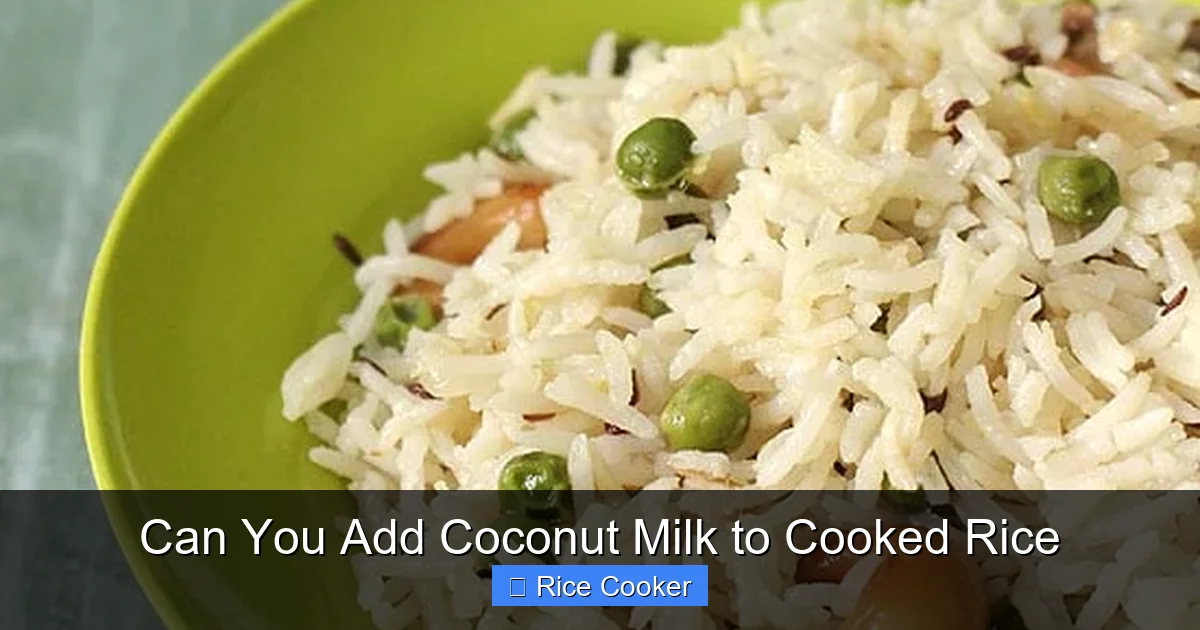
Visual guide about Can You Add Coconut Milk to Cooked Rice
Image source: spiceupthecurry.com
But here’s a pro tip: cool your rice first. Once rice is cooked, let it sit for 10–15 minutes off the heat. This allows excess moisture to evaporate slightly and the grains to firm up just enough to hold onto the coconut milk without becoming mushy. Then, gently fold in the coconut milk using a fork or wooden spoon. Stirring too vigorously can break the grains, so keep it light and steady.
Why Rice Cookers Aren’t Required (But They Help)
One common question is whether you need a rice cooker to add coconut milk. The short answer? No. You can do this with any cooked rice — whether it came from a pot on the stove, an electric cooker, or even leftover takeout. However, if you’re using a rice cooker, you can also cook the rice with coconut milk directly, which infuses flavor from the start. Just note that cooking times may vary slightly, and you might want to use half coconut milk and half water to avoid overly soft grains.
Choosing the Right Rice for Coconut Milk
Not all rice is created equal when it comes to pairing with coconut milk. While you can use almost any type, some work better than others based on texture, aroma, and absorption capacity.

Visual guide about Can You Add Coconut Milk to Cooked Rice
Image source: ansoup.com
Jasmine Rice: The Aromatic Favorite
Jasmine rice is perhaps the most popular choice for coconut-infused dishes, especially in Southeast Asian cuisine. Its naturally floral notes complement the nutty sweetness of coconut milk beautifully. After cooking, let it cool slightly, then mix in 1–2 tablespoons of coconut milk per cup of rice. For extra richness, try warming the mixture gently over low heat while stirring occasionally.
Basmati Rice: Light Yet Flavorful
Long-grain basmati rice has a delicate, slightly nutty taste and stays separate when cooked. It’s excellent for absorbing subtle flavors without turning gluey. Because it doesn’t release as much starch as short-grain rice, it holds up well when mixed with coconut milk. Try adding a pinch of cardamom or a dash of lime zest along with the coconut milk for an aromatic twist.
Brown Rice: Nutritious & Hearty
If you’re aiming for a healthier option, brown rice absorbs liquids slowly but steadily. It’s denser and chewier than white rice, making it perfect for soaking up coconut milk’s richness. Since brown rice takes longer to cook, make sure it’s fully tender before adding the coconut milk. A 1:1 ratio of coconut milk to water during cooking often yields ideal results.
Arborio Rice: Creamy Italian Style
Don’t overlook Arborio — the star of risotto. While traditionally used for creamy sauces, it also works wonderfully with coconut milk for a non-dairy version of risotto. Its high starch content creates a luscious, almost custard-like texture. Cook it like regular risotto (stirring frequently), then finish with coconut milk toward the end for maximum creaminess.
How Much Coconut Milk Should You Use?
This depends on your personal preference and the dish you’re making. As a general rule:
- Light coconut milk: Use ½ to ¾ cup per 2 cups of rice for a subtle coconut flavor.
- Full-fat coconut milk: Go for ¾ to 1 cup per 2 cups of rice if you want a richer, more indulgent result.
- Sweetened vs. unsweetened: Unsweetened keeps things savory; sweetened pairs perfectly with desserts or spiced rice.
Remember, you can always add more — but you can’t take it back once it’s mixed in. Start small, taste, and adjust!
Creamy Savory Dishes: Beyond Plain Rice
While adding coconut milk to plain rice is tasty, its real magic shines in bold, flavorful dishes. Think of it as the secret ingredient that turns humble rice into a standout accompaniment.
Coconut Rice with Turmeric & Ginger
Warm your rice in a saucepan with a splash of water, grated ginger, a pinch of turmeric, and a tablespoon of coconut milk. Let it simmer gently for 2–3 minutes until fragrant. Serve alongside grilled fish, curry, or roasted vegetables. The golden color and earthy aroma are irresistible.
Thai-Style Coconut Jasmine Rice
This classic side dish uses coconut milk, water (or chicken stock), a palm sugar substitute like brown sugar, fish sauce, and a squeeze of lime. Cook the rice as usual, then stir in the seasoned coconut mixture. The result? A fragrant, slightly salty-sweet base that complements spicy curries and satay dishes.
Curry-Infused Rice Pudding (Savory Twist)
Yes, really! Swap cinnamon and sugar for curry powder, garlic, and a dash of soy sauce. Mix into cooled rice with coconut milk, then bake at 325°F (160°C) for 20–25 minutes until set. Top with toasted nuts or fried shallots for crunch.
Sweet Coconut Rice: Desserts Made Easy
When it comes to desserts, coconut milk elevates rice into something extraordinary. From traditional puddings to modern reinterpretations, the combination is timeless.
Classic Coconut Rice Pudding
Combine 2 cups cooked rice, 1 cup coconut milk, 1 cup whole milk or almond milk, ¼ cup sugar, a pinch of salt, and a vanilla bean (or 1 tsp vanilla extract). Simmer on low for 20 minutes, stirring often. Serve warm with toasted coconut flakes or fresh fruit.
Mango Sticky Rice with Coconut Cream
If you love mango sticky rice, consider making your own version at home. Cook glutinous rice with coconut milk instead of water, then chill overnight. Slice fresh mango over top and drizzle with extra coconut cream. It’s restaurant-quality and ready in under 30 minutes.
Chia-Coconut Overnight Rice Porridge
For a quick breakfast, mix cooked rice with chia seeds, coconut milk, maple syrup, and shredded coconut. Refrigerate overnight. In the morning, top with berries, sliced banana, and a sprinkle of cinnamon. Creamy, satisfying, and full of fiber.
Tips for Perfect Coconut-Rice Every Time
Even with simple ingredients, a few smart techniques ensure success:
- Cool the rice first: Prevents clumping and helps the coconut milk coat evenly.
- Stir gently but thoroughly: Use a fork to fluff and mix without crushing grains.
- Warm gradually if reheating: Heat coconut-rice mixtures over low heat with a splash of water to restore moisture.
- Add acid for balance: A squeeze of lime or lemon juice cuts through richness.
- Experiment with spices: Cardamom, cinnamon, or star anise add complexity.
- Store properly: Keep in an airtight container in the fridge for up to 4 days. Reheat with a lid to retain steam.
Common Mistakes to Avoid
Like any recipe hack, there are pitfalls to watch out for:
- Using boiling-hot rice: Can cause uneven mixing and stickiness.
- Over-stirring: Leads to broken grains and a gummy texture.
- Skipping seasoning: Plain coconut milk can taste flat — always balance with salt, sugar, or acid.
- Using low-fat versions exclusively: They lack body and flavor depth compared to full-fat.
Pairing Coconut Rice with Food
Coconut rice isn’t just a side — it’s a canvas. Here’s how to serve it:
- With proteins: Grilled chicken, shrimp skewers, tofu stir-fry, or Indian dal.
- In bowls: Layer with beans, avocado, salsa, and a fried egg for a colorful meal.
- As stuffing: Stuff bell peppers or tomatoes with coconut rice and bake.
- For breakfast: Top with poached eggs, spinach, and hollandaise (made with coconut butter).
The Health Angle: Is Coconut Milk Good for You?
Let’s address the elephant in the room: coconut milk is high in saturated fat. But here’s the nuance — unlike other saturated fats, coconut contains medium-chain triglycerides (MCTs), which are metabolized differently and may support energy levels and metabolism. Moderation is key, especially if you’re watching cholesterol or weight. Opt for unsweetened versions to avoid added sugars, and enjoy coconut rice as an occasional treat rather than daily staple.
On the plus side, coconut milk is dairy-free, making it a great alternative for lactose-intolerant individuals. It also provides a boost of healthy fats and contributes to satiety, helping you feel full longer.
Global Inspiration: Coconut Rice Around the World
Coconut milk and rice share deep roots across many cultures. In Thailand, it’s a staple in biryani and khao man kai (chicken rice). In the Caribbean, it flavors rice and peas. Filipino arroz caldo uses coconut milk for a creamy, nourishing dish. Even in India, coconut rice (called “kichdi” or “coconut pulao”) appears in coastal regions. Exploring these traditions can spark your own creative adaptations.
Final Thoughts: Simple Ingredients, Big Impact
At the heart of this whole idea is something powerful: the ability to transform ordinary ingredients into extraordinary meals with just one thoughtful addition. Coconut milk to cooked rice isn’t just a trend — it’s a time-tested technique rooted in global kitchens. Whether you’re cooking for one or feeding a crowd, this method delivers comfort, flavor, and flexibility.
So next time you make rice, think beyond water. Reach for that can of coconut milk and imagine the possibilities. Sweet or savory, quick or slow-cooked, simple or elaborate — the choice is yours. And who knows? You might just discover your new favorite way to eat rice.
Frequently Asked Questions
Can you add coconut milk to hot cooked rice?
It’s best to let rice cool slightly before adding coconut milk to prevent clumping and ensure even distribution. If you must use hot rice, add the coconut milk slowly while stirring gently.
Does coconut milk change the texture of rice?
Yes — coconut milk adds creaminess and richness, making the rice softer and more moist than plain cooked rice, especially when used with long-grain varieties.
How long does coconut rice last in the fridge?
Properly stored in an airtight container, coconut rice lasts up to 4 days in the refrigerator. Reheat gently with a splash of water or coconut milk.
Can you freeze coconut rice?
Yes, freeze for up to 2 months. Thaw overnight in the fridge and reheat thoroughly. Texture may soften slightly after freezing.
Is coconut milk necessary for rice pudding?
No, but it gives rice pudding a rich, dairy-free alternative with authentic tropical flavor. Regular milk or plant-based milks work too, but coconut adds depth.
Will coconut milk make rice too wet?
Only if you add too much. Start with small amounts (e.g., 1 tbsp per cup of rice) and adjust to taste. Excess liquid can be drained or absorbed by reheating uncovered.