
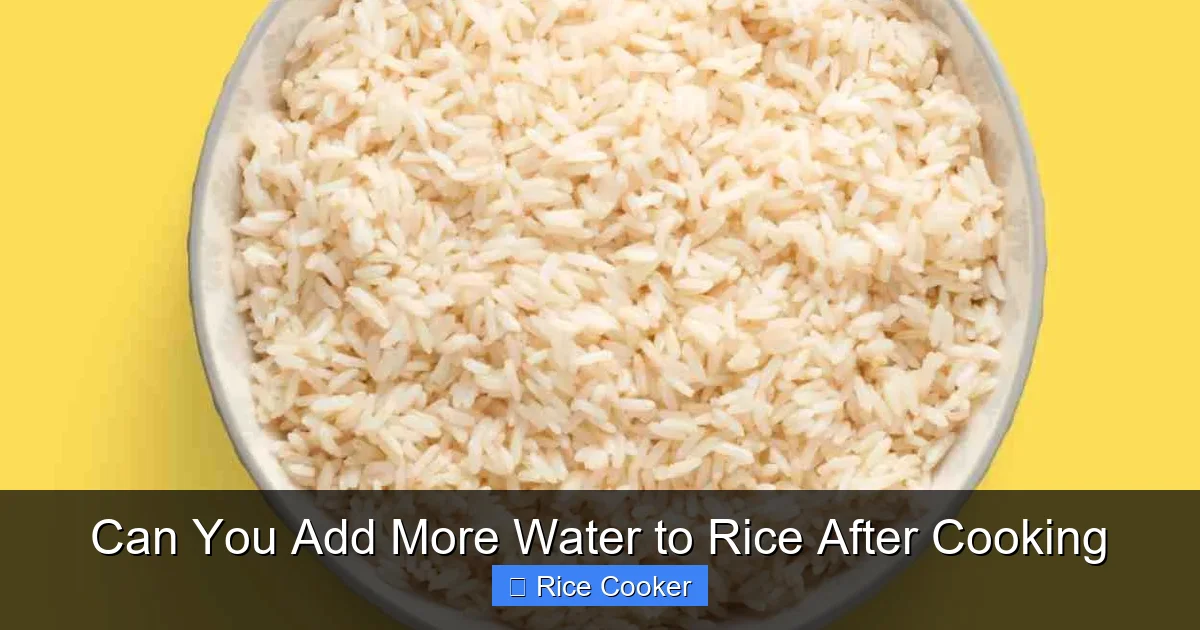
Adding extra water to cooked rice isn’t recommended, as it can ruin texture, promote bacterial growth, and dilute flavor. However, with proper techniques, you can sometimes rescue slightly dry rice. This guide explains how, why, and when it matters.
Can You Add More Water to Rice After Cooking?
Rice is one of those kitchen staples that brings comfort to millions. Whether it’s fluffy white rice with stir-fries, savory jasmine rice with curry, or hearty brown rice in soups, rice anchors so many meals. But what happens when your rice comes out too dry? Or maybe you accidentally used less water than needed? That’s where the big question pops up: Can you add more water to rice after cooking?
At first glance, it seems simple—just pour in some water and hope for the best. But the truth is more complex. Adding liquid to already-cooked rice isn’t just about fixing dryness; it’s also about food safety, texture, and flavor. In this article, we’ll break down everything you need to know—from the science behind rice absorption to practical tips for rescuing over-dried grains.
Let’s dive into the world of rice hydration, because knowing when (and how) to add water after cooking could save your meal—and your peace of mind.
Understanding How Rice Absorbs Water
To understand why adding water after cooking doesn’t always work, we need to look at how rice actually absorbs liquid during the cooking process.
Rice grains contain starch, which acts like a sponge. When you add hot water to uncooked rice and heat it, the starch swells and softens. The outer layer of the grain breaks down, allowing steam and water to penetrate inward. This is why rice cooks evenly—the internal structure changes in response to heat and moisture.
But here’s the catch: once the rice has finished cooking and been removed from heat, that absorption process stops. The starches have already done their job. Pouring additional water into cooled or warm rice won’t reactivate the same chemical reactions. Instead, the extra water sits on top, creating a soggy mess or failing to distribute evenly.
Think of it like trying to revive a dried-out sponge by soaking it in water after it’s already collapsed. It might absorb some, but much of the liquid stays pooled rather than being absorbed throughout.
This is especially true for long-grain varieties like basmati or jasmine. They have tighter grain structures compared to short-grain rice, making them less forgiving when rehydrated after cooking.
The Risks of Adding Water to Cooked Rice
Even if you don’t notice immediate texture issues, adding water to cooked rice introduces real risks—especially when it comes to food safety.
When rice cools after cooking, it enters what’s called the “temperature danger zone” (between 40°F and 140°F). During this window, bacteria such as Bacillus cereus can multiply rapidly. These spores are naturally present in rice and survive even high heat during cooking. If the rice isn’t cooled quickly or stored improperly, these bacteria can grow and produce toxins that cause food poisoning.
Now, imagine pouring warm or room-temperature water onto already-cooled rice. You’re essentially creating a perfect environment for bacterial growth. The moisture raises the surface humidity, and the residual warmth (if any) gives microbes a head start. Even if you plan to reheat the rice later, the initial contamination may be too far along to reverse.
Moreover, adding water changes the pH balance and nutrient profile of the rice. Over time, this can lead to off-flavors and further degradation of quality—not to mention potential health concerns.
So while it might seem harmless, adding water after cooking isn’t just about texture—it’s also about keeping yourself and your family safe.
Can Dry Rice Be Salvaged Without Adding Water?
Before reaching for the kettle, consider whether you really need to add water at all. Sometimes, dry rice can be rescued through alternative methods that don’t compromise safety or taste.
One effective technique is steaming. Take a damp paper towel or clean kitchen cloth, place it over the bowl of dry rice, and cover it with an airtight lid. Microwave on high for 30–60 seconds, checking frequently. The steam from the damp cloth gently rehydrates the surface without pooling water. This method works well for small batches and preserves the rice’s structure.
Another option is using a rice steamer or bamboo basket placed over boiling water. Gently steam the dry rice for 5–10 minutes until warmed through and slightly softened. Again, no direct water contact means less risk of sogginess.
If you’re using a rice cooker, most models have a “warm” setting that maintains temperature without adding moisture. While this won’t soften dry rice, it keeps it ready for serving without encouraging bacterial growth.
These approaches avoid the pitfalls of direct water addition while still improving texture safely.
What About Leftover Rice?
Leftover rice is a common scenario where people wonder if adding water helps. The answer depends on timing and handling.
Freshly cooked rice that has been refrigerated within two hours should be reheated thoroughly—not by adding water, but by steaming or microwaving with a splash of broth or sauce to reintroduce moisture. Never add plain water unless you plan to simmer it again, as this defeats the purpose of having leftover rice.
Also, always check for signs of spoilage before reheating. If the rice smells sour, feels slimy, or shows visible mold, discard it immediately—adding water won’t fix bad rice.
Tips for Preventing Dry Rice
Rather than worrying about fixing dry rice, focus on preventing it in the first place. Accurate water measurement is key. Most recipes provide ratios based on rice type:
– White rice: 1.5 cups water per 1 cup dry
– Brown rice: 2 cups water per 1 cup dry
– Jasmine or basmati: 1.75 cups water per 1 cup dry
Use a clear measuring cup and level off the rice for consistency. Avoid lifting the lid too often during cooking—steam escapes reduce efficiency.
For rice cookers, follow manufacturer guidelines. Many modern units have preset programs that adjust timing and temperature automatically, reducing human error.
Finally, let rice rest for 5 minutes after cooking. This allows steam to redistribute evenly, resulting in fluffier grains without excess water loss.
When Is It Okay to Add Water?
There are rare exceptions where adding water after cooking makes sense—but they require caution.
If you’re planning to use the rice immediately and will reheat it soon (within an hour), a small amount of hot broth or seasoned liquid added directly to the pot can help loosen grains. Stir gently, then cover and let sit for 1–2 minutes before fluffing. This is common in Asian cooking when reviving leftover congee or fried rice.
However, never add cold water. Always use hot liquid to minimize bacterial risk and ensure even heating.
Also, avoid adding large quantities. A tablespoon or two is usually enough to moisten without turning rice into soup.
Alternatives to Water: Broth, Sauce, or Steam
Instead of plain water, consider enriching your rice with flavorful liquids after cooking. Chicken broth, vegetable stock, or even a bit of soy sauce can elevate both moisture and taste.
Steam remains the safest and most effective method. As mentioned earlier, a damp cloth or steamer basket creates gentle, uniform hydration without pooling.
For quick fixes, try placing a microwave-safe plate filled with hot water next to the rice container for 30 seconds. The steam will transfer through the vent holes in many containers, softening the top layer.
Each method offers trade-offs between convenience, safety, and outcome. Choose based on your urgency and available tools.
Common Myths About Rice and Water
Several myths circulate about rice hydration that aren’t backed by science or experience.
Myth 1: “Adding milk to dry rice makes it creamier.”
Truth: Milk adds fat and sweetness, not structural moisture. It won’t fix dry texture and may curdle if heated improperly.
Myth 2: “You can soak rice in hot water after cooking to soften it.”
Truth: Soaking post-cooking doesn’t reactivate starch gelatinization. It may create uneven spots or encourage mold.
Myth 3: “All rice cookers allow adding water mid-cycle.”
Truth: Only some advanced models have pause functions. Even then, interrupting the cycle disrupts temperature control.
Stick to proven techniques and prioritize safety over shortcuts.
Final Thoughts
Adding more water to rice after cooking is generally discouraged due to texture, safety, and flavor concerns. While occasional rescue attempts with hot broth or steaming can work, prevention is always better. Measure carefully, respect cooking times, and store rice properly.
Remember: rice isn’t just fuel—it’s part of cultural traditions, family meals, and global cuisines. Treating it with care ensures every grain tastes its best.
With these insights, you’re equipped to handle dry rice confidently—without reaching for the kettle unnecessarily. Happy cooking!
Key Takeaways
- It’s not ideal: Adding water after cooking rice can make it mushy or cause uneven moisture distribution.
- Risk of contamination: Warm, moist rice becomes a breeding ground for bacteria like Bacillus cereus if left at room temperature.
- Flavor dilution: Extra water weakens the rice’s natural taste and can make dishes bland.
- Rescue methods exist: Steaming dry rice with a damp cloth or using a microwave can help without compromising safety.
- Proper storage matters: Cool rice quickly and reheat thoroughly—never leave it sitting out for hours.
- Prevention is better: Measure water accurately before cooking to avoid needing water later.
- Rice cooker settings help: Use the right ratio and settings to get consistent results every time.
Frequently Asked Questions
Can I add water to rice after it’s been cooked and cooled?
Technically yes, but it’s not advised. Adding water to cooled rice can make it soggy or promote bacterial growth if not reheated promptly. It’s safer to use steaming or reheating methods instead.
Will adding water to cooked rice make it taste better?
Not necessarily. Extra water dilutes flavors and can result in bland, mushy rice. Enhancing with broth or sauces is a better way to improve taste and moisture.
How do I fix dry rice without adding water?
Try covering dry rice with a damp cloth and microwaving for 30–60 seconds, or steam it over boiling water for 5–10 minutes. These methods add moisture safely without pooling liquid.
Is it safe to eat rice that’s been sitting out overnight?
Only if handled correctly. Rice must be cooled within two hours and stored in the fridge. Reheat thoroughly before eating. If unsure, it’s better to discard it.
Why does my rice always come out dry?
Common causes include using too little water, lifting the lid too often during cooking, or not letting rice rest after cooking. Check your water-to-rice ratio and avoid frequent interruptions.
Can I add water to rice while it’s still in the rice cooker?
Some advanced models allow pausing mid-cycle, but this isn’t foolproof. It’s usually better to measure water beforehand to avoid needing to add it later.