
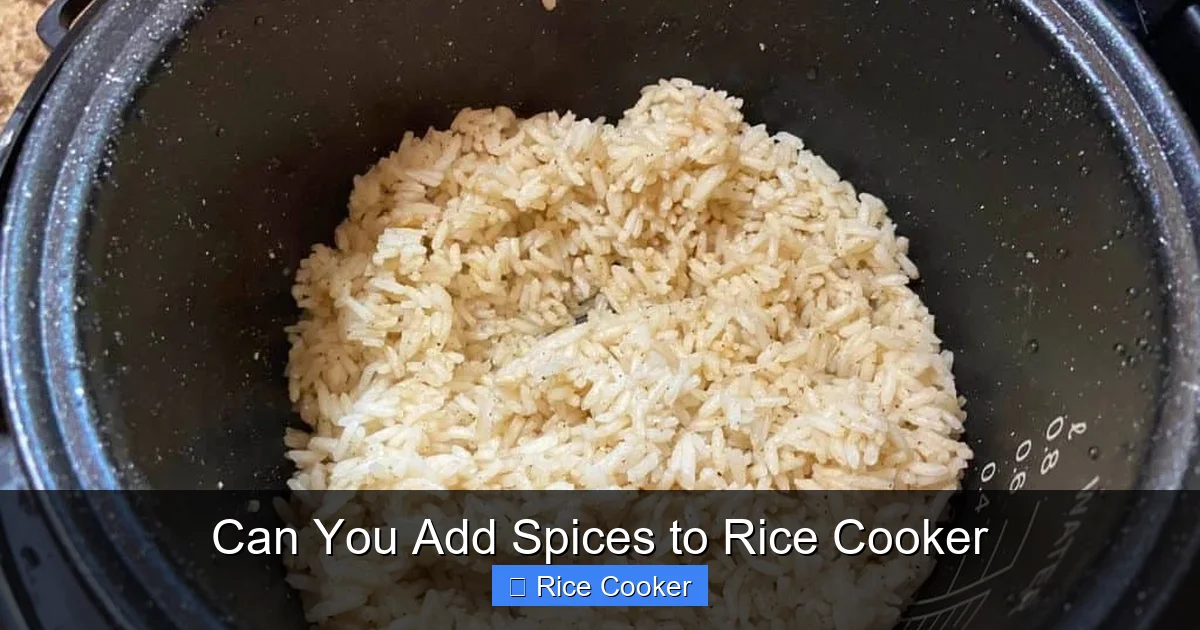
Adding spices to your rice cooker is not only possible—it’s a game-changer for flavor! With the right techniques and ingredient pairings, you can transform plain white or brown rice into aromatic, restaurant-quality dishes in minutes. Whether you’re cooking jasmine rice with lemongrass or quinoa seasoned with cumin and turmeric, this simple hack enhances taste without extra effort. Your rice cooker isn’t just for grains—it’s a flavor powerhouse waiting to be unlocked.
Let’s face it—plain rice can feel… well, plain. But what if we told you your trusty rice cooker could do more than just cook perfect grains? Yes, you read that right: **you can absolutely add spices to your rice cooker**, and doing so opens up a world of flavor possibilities. From fragrant Indian basmati to zesty Mexican cilantro-lime rice, spicing up your cooker is easier than you think. In this guide, we’ll walk you through everything—from basic principles to creative recipes—so you never have to settle for boring rice again.
Whether you’re meal-prepping for the week, impressing guests, or just craving something warm and comforting, adding spices to your rice cooker is a simple yet powerful trick. No fancy gadgets required. Just your favorite grains, a pinch of creativity, and a little know-how. Let’s dive in!
Key Takeaways
- Spices can deepen flavor: Adding spices like cumin, turmeric, or smoked paprika during cooking infuses rice with rich, complex tastes that complement any meal.
- No special equipment needed: Most standard rice cookers handle spices perfectly, so you don’t need an upgraded model or fancy accessories.
- Timing matters: Add dry spices early (with water) for even distribution; oil-soluble flavors work best when added with fat or toward the end.
- Pair wisely: Match spices to rice type—basmati shines with cardamom and saffron, while brown rice stands up to bold spices like chili flakes or garlic powder.
- Safety first: Avoid oily or wet spices that might clog vents; stick to whole dried spices or finely ground powders.
- Experiment creatively: Try global twists like Mexican-style cilantro-lime rice, Indian jeera rice, or Thai coconut-spiced jasmine.
- Cleaning tip: Rinse spices off the inner pot after use to prevent residue buildup and maintain appliance performance.
📑 Table of Contents
Why Spice Up Your Rice Cooker?
Rice is one of the most versatile staples in kitchens worldwide—but too often, it remains underutilized. When cooked alone, plain rice lacks depth and personality. That’s where spices come in. By introducing aromatic ingredients during the cooking process, you elevate each bite with layers of flavor that pair beautifully with proteins, vegetables, and sauces.
Beyond taste, spiced rice offers nutritional benefits too. Turmeric adds anti-inflammatory properties, while cumin aids digestion. Even something as simple as a dash of cinnamon can boost antioxidants. Plus, cooking rice with spices reduces the need for heavy sauces or butter at the table—making your meals lighter and healthier.
And let’s not forget convenience. Why make two separate dishes when you can flavor your rice in one go? It saves time, minimizes cleanup, and ensures every component of your meal harmonizes perfectly. Whether you’re making a quick dinner or planning ahead for leftovers, spiced rice cooker meals are both practical and delicious.
Types of Spices You Can Use
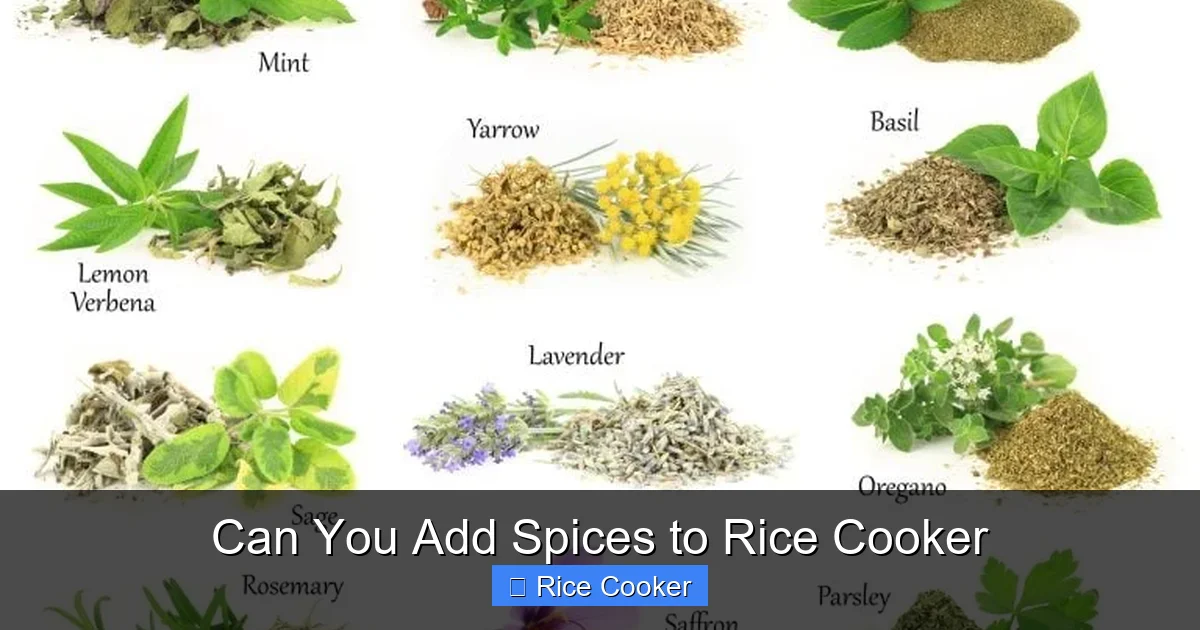
Visual guide about Can You Add Spices to Rice Cooker
Image source: stretchrecipes.com
Not all spices behave the same way in liquid environments. Some dissolve quickly, others release oils slowly, and a few need heat to bloom their full aroma. Understanding these differences helps you choose the right spices—and when to add them.
Dry Whole Spices
These include star anise, mustard seeds, cloves, fennel, and black peppercorns. They’re ideal for long-cooking grains like brown rice or pilafs. Their hard shells protect the flavor until heated, releasing fragrance gradually. For example, adding whole cumin seeds to basmati creates the classic Indian “jeera rice” effect.
Ground Spices
Turmeric, paprika, garam masala, and cinnamon powder work well too—just remember to mix them thoroughly into the water before adding rice. Because they’re already broken down, they infuse faster but may lose potency if overheated.
Aromatic Herbs
Fresh or dried herbs like bay leaves, thyme, rosemary, and oregano can also be added. Tie them in cheesecloth for easy removal, or crush them lightly so flavors seep out. Note: delicate herbs like parsley should be stirred in after cooking to preserve their brightness.
Oils and Fats
For oil-soluble spices (like cayenne or chili powder), consider heating a teaspoon of oil or ghee in the inner pot first. This “blooms” the spice, unlocking maximum flavor. Then add water and rice on top. This method is especially effective for Mexican, Middle Eastern, or Southeast Asian dishes.
Sweet & Savory Combinations
Don’t shy away from sweet spices either! A pinch of nutmeg or cardamom pairs wonderfully with jasmine or wild rice. Just balance them with salt and acid (like lemon juice) to keep things interesting.
Step-by-Step Guide: How to Add Spices Safely
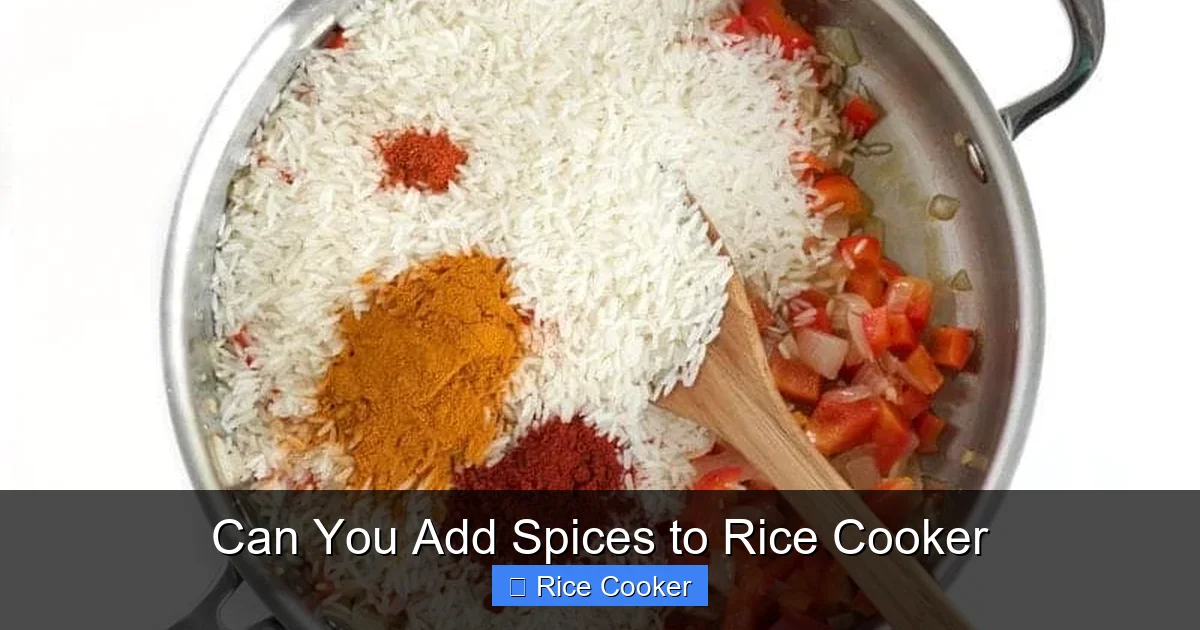
Visual guide about Can You Add Spices to Rice Cooker
Image source: budgetbytes.com
Adding spices to your rice cooker sounds easy—but there are a few pitfalls to avoid. Follow these steps to ensure success every time:
1. Choose the Right Inner Pot
Make sure your inner pot is clean and free of old food residue. Sticky or burnt buildup can react with new spices, altering taste or damaging the non-stick coating.
2. Measure Accurately
Use measuring cups for rice and water as usual. Spices should be used sparingly—start with small amounts (¼ to ½ teaspoon per cup of rice). Taste as you go!
3. Add Water First (Mostly)
Pour water into the pot first, then sprinkle in dry spices. Mix gently so they disperse evenly. If using oils, heat them briefly over low flame before adding liquid.
4. Place Rice Gently
Add rinsed rice on top of the spiced water—don’t stir aggressively, which can break grains or trap spices underneath.
5. Close Lid & Wait
Set your rice cooker to its default cycle (white rice, brown rice, etc.). The steam and heat will carry the aromas throughout the cooking process.
6. Fluff & Discard Solids
Once done, fluff the rice with a fork. Remove any large spice pieces (like whole bay leaves or star anise) before serving.
Pro Tip: If you’re unsure about compatibility, start with mild spices like turmeric or paprika. You can always increase intensity next time!
Best Rice Types for Spicing
Different rices absorb flavors differently. Here’s how to match your grains with the perfect spice profile:
White Rice (Jasmine, Basmati)
Delicate and fluffy, these varieties shine with floral or citrusy spices. Try:
– **Basmati + Cardamom + Saffron**: Classic Indian biryani base.
– **Jasmine + Lemongrass + Kaffir Lime Leaves**: Authentic Thai-inspired dish.
– **White Rice + Smoked Paprika + Lemon Zest**: Mediterranean twist.
Brown Rice
Heartier and chewier, brown rice handles robust spices beautifully:
– **Cumin + Garlic Powder + Chili Flakes**: Mexican-inspired “spicy brown rice.”
– **Turmeric + Ginger + Black Pepper**: Golden turmeric rice with digestive benefits.
– **Rosemary + Thyme + Olive Oil**: Italian-style herb rice.
Wild Rice & Other Varieties
Nutty and earthy, wild rice loves deep, savory notes:
– **Sage + Mushroom Broth + Parmesan**: Umami-rich side dish.
– **Ancho Chili Powder + Cinnamon + Orange Peel**: Sweet-savory fusion.
Cooked Legumes (Quinoa, Lentils)
Legume-based “rice” also takes spices well:
– **Curry Powder + Coconut Milk + Red Lentils**: Vegan curry rice.
– **Smoked Paprika + Lime Juice + Chickpeas**: Spanish-style sofrito rice substitute.
Remember: Always rinse sticky or clumpy spices before adding them to prevent uneven distribution.
Flavor-Pairing Tips & Global Recipes
The magic happens when spices complement—not compete—with your main dish. Here are some tried-and-true combinations across cultures:
Indian Jeera Rice
This iconic side dish uses whole cumin seeds cooked in ghee or oil. Heat 1 tsp ghee, add ½ tsp cumin seeds until they sizzle. Pour in 1½ cups water and 1 cup basmati. Cook as usual. Garnish with fresh coriander.
Mexican Cilantro-Lime Rice
Skip the cilantro in the water—it turns bitter. Instead, cook 1 cup jasmine rice with 1½ cups chicken broth, 1 diced tomato, and ¼ tsp cumin. After cooking, stir in ¼ cup chopped cilantro and juice of 1 lime.
Thai Coconut Jasmine Rice
Simmer 1 cup jasmine rice with 1¼ cups coconut milk, ½ cup water, 1 stalk lemongrass (bruised), and a pinch of salt. Remove lemongrass before serving. Topped with mango slices? Even better.
Spanish Arroz con Azafrán
Use saffron threads soaked in warm water for vibrant color and earthy flavor. Add to 1½ cups water along with 1 cup short-grain rice. Simmer until absorbed.
Middle Eastern Za’atar Rice
Mix ½ tsp za’atar (a blend of thyme, sesame, and sumac) into 1 cup cooked rice. Drizzle with olive oil and squeeze lemon over top.
Experimentation is key! Keep a journal of what works so you build your own signature recipes.
Common Mistakes & How to Avoid Them
Even experienced cooks slip up sometimes. Watch out for these errors:
Mistake #1: Using Too Much Spice
Overpowering your rice ruins the meal. Start light—you can always add more later, but you can’t take it out!
Mistake #2: Adding Wet or Oily Spices Directly
Grease can clog your cooker’s vent or create unpleasant smells. Always heat oils separately first.
Mistake #3: Not Rinsing Rice Properly
Starchy residue blocks spice absorption. Always rinse until water runs clear.
Mistake #4: Ignoring Salt Balance
Spices enhance—they don’t replace salt. Adjust seasoning carefully during cooking.
Mistake #5: Leaving Spices in Too Long
Some spices (like cumin) become bitter if burned. Stir occasionally during initial heating.
If your rice tastes flat next time, double-check these points. Small tweaks make big differences!
Cleaning & Maintenance After Spiced Cooking
After enjoying your flavorful rice, cleaning is simple but important:
1. **Unplug** your rice cooker and let it cool completely.
2. **Remove the inner pot** and wash it with warm, soapy water. Scrub gently—especially around edges where spice particles hide.
3. **Check the vent hole** for stuck debris. Use a toothpick to clear it if needed.
4. **Wipe exterior surfaces** with a damp cloth.
5. **Air-dry** before storing.
Never soak metal parts in harsh detergents—they can damage coatings over time. A quick rinse usually suffices.
Frequently Asked Questions
Can I add fresh herbs directly to the rice cooker?
It’s best to add delicate fresh herbs like parsley or cilantro after cooking, as prolonged heat makes them bitter. However, sturdy herbs like bay leaves or rosemary can be added with water and removed before serving.
Will spices change how my rice cooker works?
No—standard rice cookers function the same regardless of spices. Just avoid clogging the vent with large chunks or excessive grease, and your appliance will last longer.
How much spice should I use per cup of rice?
Start with ¼ to ½ teaspoon of dry spices per cup of rice. Adjust based on taste—remember, you can always add more, but removing excess afterward is difficult.
Can I cook flavored rice overnight?
Yes! Many people use programmable rice cookers to set a delayed start. Add spices with water and rice, then let it cook while you sleep or work.
Does spiced rice need extra liquid?
Generally no—spices don’t significantly alter water absorption. Stick to your usual ratio (e.g., 1:1.5 for white rice), unless using coconut milk or broth instead of water.
Is it safe to reuse spice-infused water?
Not recommended. Once spices have released their oils and flavors, the water becomes cloudy and less effective. Always use fresh water for each batch.