
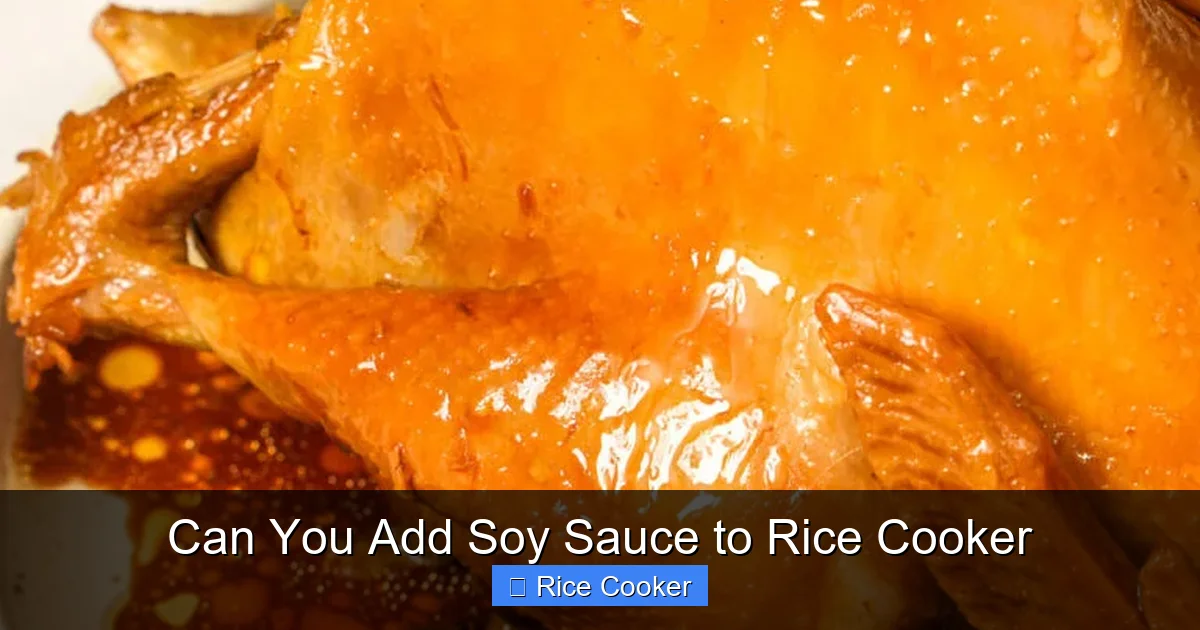
Can you add soy sauce to a rice cooker? Absolutely—but only in moderation and with the right techniques. Adding soy sauce directly to the cooking water or rice can enhance flavor while preserving your rice cooker’s performance. With a few simple adjustments, you can turn basic white rice into a savory, restaurant-quality dish that pairs perfectly with stir-fries, grilled meats, or noodle bowls.
Key Takeaways
- Soy sauce can be added to a rice cooker: It’s possible, but it should be done carefully to avoid over-salting or affecting the rice texture.
- Use low-sodium soy sauce: This helps control sodium levels and reduces the risk of making the rice too salty.
- Add soy sauce to the water, not directly to dry rice: Pouring it into the water reservoir ensures even distribution.
- Don’t exceed 1–2 tablespoons per cup of rice: Too much soy sauce can make rice mushy or overly dark.
- Pair soy sauce with other seasonings: Combine with garlic, ginger, sesame oil, or sugar for deeper flavor.
- Clean your rice cooker promptly: Soy sauce residue can stain or affect future use if left uncleaned.
📑 Table of Contents
- Can You Add Soy Sauce to Rice Cooker? A Friendly Guide to Flavorful Rice
- Understanding Your Rice Cooker and Its Limits
- How to Safely Add Soy Sauce to Your Rice Cooker
- Creative Recipes Using Soy Sauce in the Rice Cooker
- Common Mistakes to Avoid When Using Soy Sauce in Your Rice Cooker
- Health Considerations and Nutritional Tips
- Cleaning Your Rice Cooker After Soy Sauce Use
- Final Thoughts: Soy Sauce + Rice Cooker = Happy Cooks
Can You Add Soy Sauce to Rice Cooker? A Friendly Guide to Flavorful Rice
Have you ever stood in front of your rice cooker, wondering how to make your plain steamed rice burst with flavor? Maybe you’re tired of eating the same old side dish, or perhaps you’re prepping for a big family dinner and want something more exciting than just white rice. If so, you’re not alone. One of the most common questions cooks ask is: can you add soy sauce to a rice cooker?
The short answer is yes—you absolutely can! But like any kitchen experiment, there are some do’s and don’ts to keep in mind. Whether you’re making sushi rice, fried rice, or a savory side for your favorite stir-fry, soy sauce can elevate your rice from boring to brilliant. In this guide, we’ll walk you through everything you need to know about adding soy sauce to your rice cooker, from safety tips to creative flavor combinations. Let’s get started!
Understanding Your Rice Cooker and Its Limits
Before we dive into the fun part—adding soy sauce—it’s important to understand how your rice cooker works. Most modern rice cookers are designed to handle water, rice, and sometimes a bit of salt. They’re built to maintain consistent heat and moisture levels to cook grains evenly. However, they aren’t meant to process thick liquids, sauces, or highly concentrated seasonings directly in the cooking chamber.
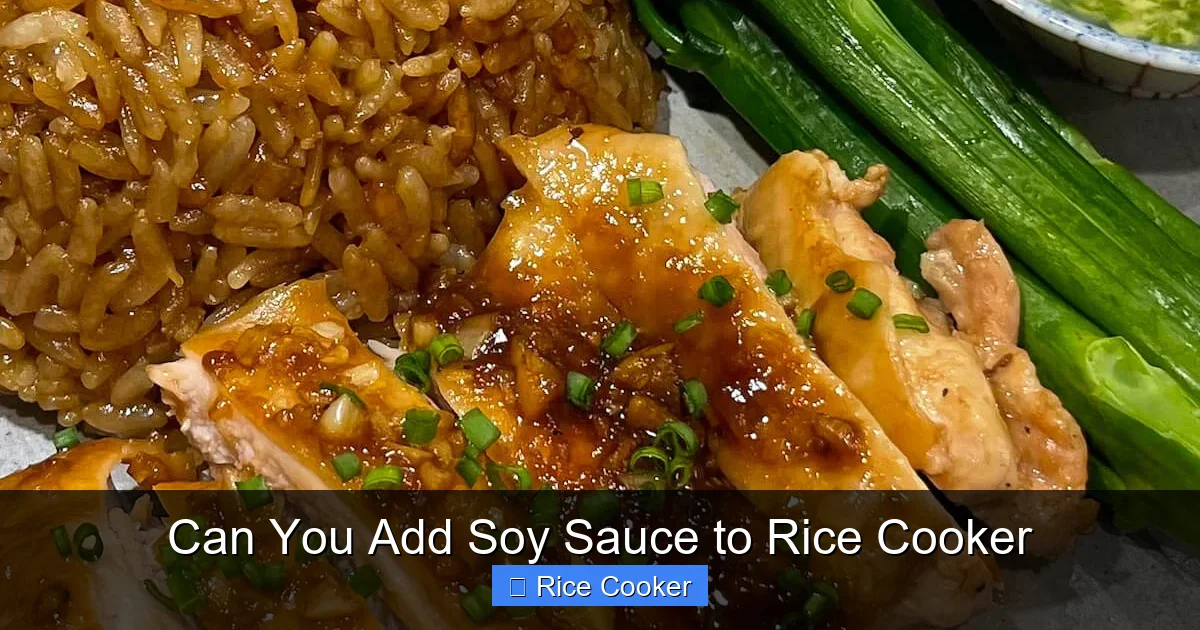
Visual guide about Can You Add Soy Sauce to Rice Cooker
Image source: jasmineandtea.com
Why You Shouldn’t Pour Soy Sauce Directly on Dry Rice
One of the biggest mistakes people make is opening the rice cooker after adding rice and dumping soy sauce directly onto the dry grains. While this might seem like an easy shortcut, it often leads to uneven flavoring and can even damage the inner pot over time. Soy sauce is acidic and contains vinegar, which may react with certain coatings (like non-stick surfaces) if left sitting too long.
Instead, the best practice is to incorporate soy sauce into the cooking water. This allows the flavors to infuse naturally as the rice absorbs the liquid, resulting in a more balanced taste throughout every grain.
Types of Soy Sauce: Which One Should You Use?
Not all soy sauces are created equal—and this matters when cooking rice. There are several varieties, each with different saltiness, sweetness, and depth of flavor:
- Light soy sauce: Also known as usukuchi, this is saltier and thinner in consistency. Best for everyday cooking.
- Dark soy sauce: Thicker and richer, with a deep umami flavor. Adds color and complexity—great for fried rice or sushi.
- Tamari: A gluten-free option derived from wheat-free soybeans. Milder and sweeter than regular soy sauce.
- Low-sodium soy sauce: Ideal for health-conscious cooks who still want great flavor.
For rice cooker recipes, we recommend using either light or low-sodium soy sauce to avoid overpowering the dish. If you’re making Japanese-style sushi rice, a small amount of dark soy sauce can add beautiful color and richness—just don’t go overboard.
How to Safely Add Soy Sauce to Your Rice Cooker
Now that you know your rice cooker can handle soy sauce (when used correctly), let’s talk about the safest and tastiest ways to add it.
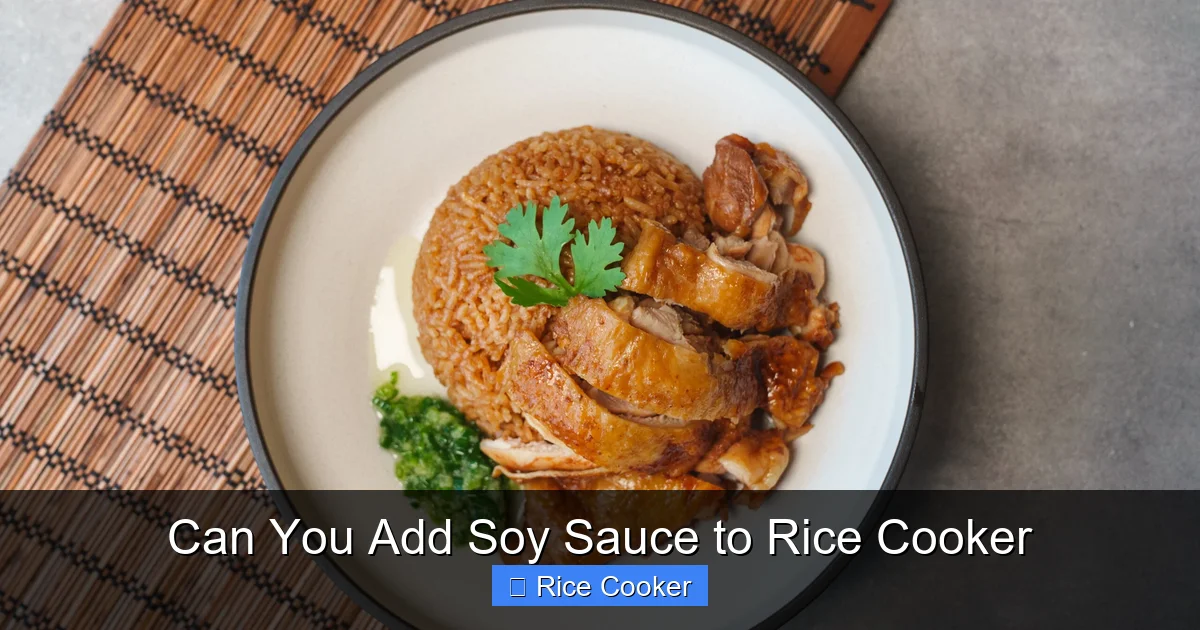
Visual guide about Can You Add Soy Sauce to Rice Cooker
Image source: themeatmen.sg
Method 1: Add Soy Sauce to the Cooking Water
This is the most reliable method. Here’s how to do it step by step:
- Rinse your rice according to package instructions (usually 1–2 times).
- Add the rinsed rice to the inner pot of your rice cooker.
- Pour in the appropriate amount of water (typically 1:1.2 ratio for white rice).
- Stir in 1–2 teaspoons of soy sauce per cup of rice (adjust to taste).
- Optional: Add minced garlic, grated ginger, or a pinch of sugar for extra depth.
- Close the lid and press the “Cook” button.
This method ensures the soy sauce mixes evenly with the water, allowing the rice to absorb the flavor during the cooking cycle. The result? A fragrant, savory rice that tastes like it came from a high-end Asian restaurant.
Method 2: Make Soy Sauce-Infused Rice Water Ahead of Time
If you want a stronger soy sauce flavor, you can pre-make a soy sauce-infused water solution. Simply bring 2 cups of water to a boil, remove from heat, and stir in 1 tablespoon of soy sauce. Let it cool completely before using it as your base liquid when cooking rice. This concentrates the flavor and gives you more control over saltiness.
Method 3: Layer Soy Sauce After Cooking (Gentle Option)
For those who prefer not to alter the cooking process at all, you can lightly brush or drizzle soy sauce over cooked rice right after it finishes. This works well for small batches or when you’re serving guests and want full control over seasoning. Just remember to fold it in gently to avoid clumping.
Creative Recipes Using Soy Sauce in the Rice Cooker
Once you’ve mastered the basics, the possibilities are endless. Here are three delicious recipes that showcase how versatile soy sauce can be when used in a rice cooker.
1. Garlic Soy Chicken & Rice Bowl
This one-pot wonder combines tender chicken thighs, fragrant jasmine rice, and a rich soy-garlic sauce for a complete meal.
Ingredients:
- 1 cup jasmine rice
- 1.5 cups water
- 1 tbsp low-sodium soy sauce
- 1 tbsp oyster sauce (optional)
- 2 cloves garlic, minced
- 1 chicken thigh, skin-on, cut into pieces
- 1 tsp sesame oil
- Salt and pepper to taste
Instructions:
- Place rice, water, soy sauce, oyster sauce, and garlic in the rice cooker pot.
- Add chicken pieces and drizzle with sesame oil.
- Cook on “White Rice” setting.
- Once done, fluff rice and serve hot with a sprinkle of green onions.
2. Teriyaki Glazed Salmon & Rice
A healthy, flavor-packed dinner that comes together in under 30 minutes.
Ingredients:
- 1 cup brown or sushi rice
- 1.75 cups water
- 2 tbsp soy sauce
- 1 tbsp mirin
- 8 oz salmon fillet
- 1 tsp grated ginger
Instructions:
- Cook rice with soy sauce, water, and mirin.
- When rice is half-cooked, place salmon on top.
- Continue cooking until rice is done and salmon flakes easily.
- Garnish with sesame seeds and serve.
3. Spicy Korean-Inspired Soy Rice (Gyeran Bap Style)
Perfect for fans of bold, spicy flavors.
Ingredients:
- 1 cup short-grain rice
- 1.5 cups water
- 1 tbsp soy sauce
- 1 tsp gochujang (Korean chili paste)
- 1 tsp sesame oil
- 1 green onion, chopped
Instructions:
- Combine all ingredients except green onion in the rice cooker.
- Cook as usual.
- Fold in green onion after cooking and serve immediately.
Common Mistakes to Avoid When Using Soy Sauce in Your Rice Cooker
Even experienced cooks can run into trouble when experimenting with flavors. Here are some common pitfalls—and how to fix them.
Mistake #1: Using Too Much Soy Sauce
Too much soy sauce turns rice gray, mushy, and overwhelmingly salty. Stick to 1–2 tablespoons per cup of rice. Taste as you go, especially if using dark soy sauce, which is darker and more potent.
Mistake #2: Not Rinsing the Rice
Skipping the rinse means starch remains on the grains, leading to clumpy, sticky rice—especially problematic when flavored. Always rinse until the water runs clear.
Mistake #3: Ignoring Acidity Levels
Soy sauce contains acetic acid, which can degrade non-stick coatings over time. To protect your rice cooker, clean it immediately after use and avoid leaving soy sauce-soaked rice sitting overnight.
Mistake #4: Forgetting to Adjust Salt Intensity
If you’re using soy sauce instead of table salt, reduce or omit added salt entirely. Soy sauce is already salty, so doubling down can ruin the dish.
Health Considerations and Nutritional Tips
While soy sauce adds amazing flavor, it’s also high in sodium. One tablespoon contains about 920 mg of sodium—more than half your daily recommended intake if you consume it regularly. That’s why many chefs prefer low-sodium or tamari versions.
Here are a few smart swaps:
- Use coconut aminos: A soy-free, lower-sodium alternative that still delivers umami.
- Blend with broth: Replace some of the water with vegetable or chicken broth infused with soy sauce for extra depth.
- Make your own soy sauce blend: Mix equal parts soy sauce and water to dilute strength while maintaining flavor.
Remember, balance is key. A little soy sauce goes a long way—especially when cooking for a crowd.
Cleaning Your Rice Cooker After Soy Sauce Use
Soy sauce stains can be tricky to remove, but with the right cleaning routine, your rice cooker will stay in tip-top shape.
After each use:
- Let the inner pot cool completely.
- Scrub gently with warm, soapy water and a soft sponge.
- For stubborn stains, soak the pot in warm water with a teaspoon of baking soda for 15–20 minutes before scrubbing.
- Rinse thoroughly and air-dry before storing.
Avoid abrasive scouring pads or steel wool, as they can scratch the non-stick surface and trap food particles.
Final Thoughts: Soy Sauce + Rice Cooker = Happy Cooks
So, can you add soy sauce to a rice cooker? Yes—and doing so opens up a world of delicious, easy meals. Whether you’re whipping up a quick weeknight dinner or impressing dinner guests with homemade sushi rice, soy sauce is a game-changer. Just remember to measure wisely, clean promptly, and always trust your taste buds.
With these tips and tricks, you’re now equipped to turn ordinary rice into extraordinary dishes. So go ahead—dip that spoon, pour that soy sauce, and enjoy the magic of homemade, flavorful rice cooked to perfection in your trusty appliance.
Frequently Asked Questions
Can I use dark soy sauce in my rice cooker?
Yes, you can use dark soy sauce, but use it sparingly—about half the amount of light soy sauce. It adds rich color and depth but can make rice darker and saltier if overused.
Will soy sauce make my rice cooker break?
No, soy sauce won’t damage your rice cooker if used properly. However, leaving acidic residues like soy sauce on the inner pot for extended periods may affect non-stick coatings over time.
How much soy sauce should I add per cup of rice?
Start with 1–2 teaspoons per cup of uncooked rice. Adjust based on personal preference and the type of soy sauce used—light varieties are milder than dark ones.
Can I substitute soy sauce with another ingredient?
Absolutely! Try coconut aminos, tamari, or a splash of Worcestershire sauce for similar umami flavor without excess sodium.
Does soy sauce change the texture of rice?
In small amounts, no—but too much soy sauce can make rice stickier due to its sugar content. Always mix it into the water, not the dry grains.
Is it okay to add soy sauce to instant rice in a rice cooker?
Yes, but follow package directions for water ratios. Instant rice absorbs liquids faster, so monitor closely to prevent mushiness.