
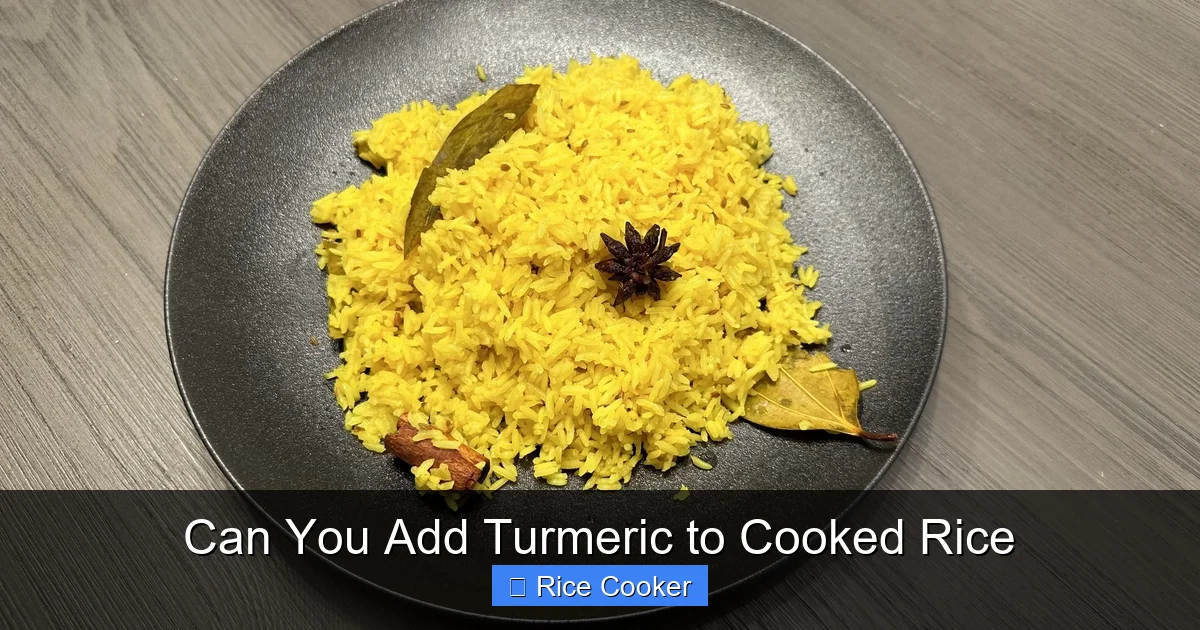
Adding turmeric to cooked rice is not only safe but also a delicious way to boost nutrition. This vibrant spice enhances both flavor and color while offering anti-inflammatory benefits. Whether you’re using a rice cooker or reheating leftovers, incorporating turmeric is simple and versatile.
Can You Add Turmeric to Cooked Rice?
If you’re looking to spice up your meals without much effort, adding turmeric to cooked rice might be exactly what you need. That bright yellow-orange spice you see in curry dishes? That’s turmeric—and yes, you can absolutely toss it into your cooked rice. In fact, doing so can transform an ordinary side dish into something both visually stunning and nutrient-packed.
But before you reach for the jar, you might wonder: Is it really okay to mix turmeric into already-cooked rice? Can you even do it without making the rice bitter or grainy? The short answer? Absolutely yes—and here’s everything you need to know to get it right every time.
Key Takeaways
- Turmeric adds both flavor and color: It gives cooked rice a warm, earthy taste and a beautiful golden hue that looks as good as it tastes.
- It’s packed with health benefits: Curcumin, the active compound in turmeric, supports anti-inflammatory and antioxidant properties.
- You can easily mix it into warm rice: Simply stir turmeric powder into freshly cooked or reheated rice for quick integration.
- Pair it with black pepper for better absorption: Adding a pinch of black pepper helps your body absorb curcumin more effectively.
- Use it in rice cooker recipes ahead of time: Mix turmeric with water or broth before cooking to infuse flavor from the start.
- Perfect for dietary needs: Turmeric rice is naturally gluten-free, vegan, and suitable for many lifestyle diets.
- Great for meal prep: Make a batch of turmeric-infused rice at once and store it for easy, healthy meals all week.
📑 Table of Contents
- The Magic of Turmeric in Rice
- How to Safely Add Turmeric to Cooked Rice
- Using Your Rice Cooker to Infuse Turmeric
- Flavor Pairings That Shine With Turmeric Rice
- Health Benefits of Turmeric Rice
- Common Mistakes to Avoid When Adding Turmeric
- Storage Tips for Leftover Turmeric Rice
- Is Turmeric Rice Safe for Everyone?
- Creative Ways to Serve Turmeric Rice
- Final Thoughts: Why Turmeric Rice Belongs in Your Kitchen
The Magic of Turmeric in Rice
Turmeric (Curcuma longa) has been used for centuries in traditional medicine and cuisine, especially in South Asian countries like India. Its most famous compound, curcumin, is responsible for both its vivid color and many of its health-promoting effects. While curcumin alone isn’t absorbed well by the body, combining it with black pepper—which contains piperine—can significantly boost bioavailability.
When you add turmeric to cooked rice, you’re not just enhancing flavor; you’re layering in antioxidants, aiding digestion, and potentially supporting joint and heart health. Plus, the earthy, slightly bitter-sweet taste pairs wonderfully with vegetables, lentils, and proteins like chickpeas or grilled tofu.
How to Safely Add Turmeric to Cooked Rice

Visual guide about Can You Add Turmeric to Cooked Rice
Image source: joyfoodsunshine.com
You don’t have to be a chef to make this work. Here’s how to add turmeric to cooked rice without turning it into a science experiment gone wrong.
Use Freshly Cooked Rice
The best time to add turmeric is when the rice is still warm—either straight out of the rice cooker or just after reheating. At this point, the grains are soft and absorbent, allowing the spice to blend evenly without clumping.
Avoid adding turmeric to cold rice. Cold grains don’t mix well, and the turmeric may sit on top or create uneven patches. Instead, gently reheat your cooked rice in a saucepan over low heat, then stir in your spices.
Start With a Small Amount
A little goes a long way. Too much turmeric can overwhelm the dish and leave a chalky residue. Begin with ½ to 1 teaspoon of ground turmeric per cup of rice. If you’re making a large batch, adjust accordingly—but always taste as you go.
Pro tip: If you’re new to turmeric, try mixing it into a small portion first. Once you’re happy with the flavor and color, apply the same ratio to the rest.
Stir Well for Even Distribution
After sprinkling or dissolving the turmeric in a splash of warm water or broth, stir vigorously for 30–60 seconds. This helps break down any clumps and ensures the color spreads evenly throughout the rice.
For best results, use a wooden spoon or silicone spatula—metal can react with the spice and alter flavor.
Combine With Liquid First
To prevent dry, patchy spots, dissolve the turmeric in a tablespoon of warm water, broth, or even coconut milk before adding it to the rice. This creates a smooth paste that coats each grain beautifully.
This method also helps distribute the spice more uniformly, especially if your rice has cooled slightly.
Using Your Rice Cooker to Infuse Turmeric

Visual guide about Can You Add Turmeric to Cooked Rice
Image source: littlesunnykitchen.com
One of the easiest ways to make turmeric rice is by using your rice cooker—no extra steps required. Just follow these simple instructions:
Measure Ingredients Carefully
For every cup of uncooked white or brown rice, use:
– 1 cup water (or vegetable/chicken broth for extra flavor)
– ½ teaspoon turmeric powder
– A pinch of salt (optional)
– Optional: ¼ teaspoon black pepper and ½ teaspoon grated ginger for added benefit
Pre-Mix the Liquid
Before adding rice, whisk together water (or broth), turmeric, salt, and any other seasonings in the inner pot of your rice cooker. This ensures the spice is fully dissolved and ready to infuse during cooking.
Add Rice and Start Cooking
Once everything is mixed, add your rinsed rice, swirl gently to coat, and close the lid. Press “Cook” or select the appropriate setting (white rice, brown rice, etc.).
The heat will activate the turmeric, releasing its color and aroma into the grains as they cook.
Let It Rest Before Fluffing
After the cycle ends, let the rice sit for 5–10 minutes with the lid closed. This allows residual steam to finish cooking the rice evenly and helps the flavors meld.
Then fluff gently with a fork—avoid overmixing to keep the grains intact.
Flavor Pairings That Shine With Turmeric Rice
Turmeric rice isn’t just a one-trick pony. It works beautifully with a wide range of ingredients, making it perfect for diverse cuisines and dietary preferences.
Vegetarian & Vegan Bowls
Top your turmeric rice with sautéed spinach, roasted sweet potatoes, black beans, and avocado slices. Drizzle with tahini or lemon-coconut sauce for a colorful, satisfying bowl.
Indian-Inspired Meals
Serve alongside dal (lentil soup), paneer tikka, or spiced chickpeas. Add a dollop of plain yogurt or raita on the side for cooling contrast.
Mediterranean Twist
Mix in sun-dried tomatoes, olives, artichoke hearts, and grilled zucchini. Finish with fresh parsley and a squeeze of lemon for brightness.
Asian Fusion
Try it with stir-fried tofu, bok choy, carrots, and a soy-ginger glaze. Garnish with sesame seeds and green onions.
Breakfast Option
Who says turmeric rice is only for dinner? Try it warmed with almond milk, cinnamon, and chopped dates for a cozy breakfast porridge.
Health Benefits of Turmeric Rice
Beyond taste and looks, turmeric rice offers real wellness perks—especially when made regularly as part of a balanced diet.
Anti-Inflammatory Properties
Curcumin, the star compound in turmeric, has been studied for its ability to reduce inflammation in the body. Chronic inflammation is linked to conditions like arthritis, heart disease, and certain cancers, so including anti-inflammatory foods like turmeric in your meals may support long-term health.
Antioxidant Powerhouse
Turmeric neutralizes harmful free radicals thanks to its potent antioxidants. These help protect cells from oxidative stress, which contributes to aging and disease.
Supports Brain Health
Some research suggests curcumin can cross the blood-brain barrier and may improve memory and mood. Studies indicate it could play a role in reducing symptoms of depression and Alzheimer’s disease.
Aids Digestion
Turmeric stimulates bile production in the liver, helping break down fats and improving digestion. This makes turmeric rice a great companion to rich or heavy meals.
May Support Heart Health
By lowering LDL (“bad”) cholesterol and preventing platelet buildup, turmeric may contribute to healthier blood flow and reduced risk of heart attacks.
Boosts Immunity
Rich in vitamins C and K, plus manganese and potassium, turmeric rice supports immune function and overall vitality.
Common Mistakes to Avoid When Adding Turmeric
Even experienced cooks can stumble when working with turmeric. Here are some pitfalls to sidestep:
Overdoing the Spice
Too much turmeric can result in a bitter aftertaste or overly yellow grains. Stick to recommended ratios and taste frequently.
Skipping Black Pepper
While optional, adding a pinch of black pepper maximizes curcumin absorption. Think of it as teamwork between two spices.
Using Low-Quality Powder
Not all turmeric is created equal. Choose organic, food-grade powder from reputable brands. Look for high curcumin content (usually labeled as “curcuminoids”) for maximum benefit.
Ignoring Moisture
Dry turmeric powder tends to clump. Always mix it with a small amount of liquid first to ensure smooth incorporation.
Cooking at High Heat for Too Long
Excessive heat can degrade curcumin. Gentle heating (like in a rice cooker or light simmer) preserves potency better than boiling or frying.
Storage Tips for Leftover Turmeric Rice
Made too much? No problem. Proper storage keeps your turmeric rice fresh and flavorful for days.
Refrigerate Promptly
Store leftover rice in an airtight container within two hours of cooking. Cool it quickly by placing the container in an ice bath if needed.
Keep It Covered
Cover tightly to prevent odor absorption from other fridge items and to retain moisture.
Reheat Gently
Microwave in short bursts with a splash of water or broth to revive texture. Alternatively, steam it over a pot of boiling water.
Freeze for Long-Term Use
Portion into freezer-safe bags or containers. Frozen turmeric rice lasts up to three months and reheats well—perfect for meal prep warriors.
Is Turmeric Rice Safe for Everyone?
In general, turmeric rice is safe for most people. However, there are a few considerations:
– **Pregnant women** should consult their doctor before consuming large amounts of turmeric.
– **People with gallbladder issues** may need to avoid excess turmeric due to its bile-stimulating effect.
– **Those on blood-thinning medications** should moderate intake, as turmeric may increase bleeding risk.
Otherwise, enjoy your golden rice knowing it’s both tasty and beneficial.
Creative Ways to Serve Turmeric Rice
Don’t limit yourself to plain servings. Get creative!
– **Make a turmeric fried rice:** Sauté cooked turmeric rice with soy sauce, garlic, and diced veggies.
– **Turn it into a risotto-style dish:** Toast the rice lightly in oil before adding broth slowly for creamy results.
– **Use it as a base for stuffed peppers or burritos.**
– **Blend it into soups** for added color and nutrition.
– **Serve chilled** as a tabbouleh-like salad with cucumber, mint, and lemon dressing.
Final Thoughts: Why Turmeric Rice Belongs in Your Kitchen
So, can you add turmeric to cooked rice? Absolutely—and now you know how to do it right. Whether you’re using a rice cooker, stovetop, or microwave, this humble spice can elevate your meals with minimal effort. Not only does it look gorgeous, but it also packs a nutritional punch that supports everything from digestion to brain health.
Next time you’re prepping dinner or meal planning for the week, consider making a batch of turmeric rice. It’s simple, versatile, and delicious—plus, it turns ordinary grains into something extraordinary.
With the right technique and a pinch of curiosity, you’ll soon find yourself reaching for turmeric not just in curries, but in bowls, salads, and even desserts. Your taste buds—and your body—will thank you.
Frequently Asked Questions
Can I add turmeric to cold cooked rice?
It’s best to add turmeric to warm or freshly cooked rice. Cold rice doesn’t absorb the spice evenly, leading to clumpy or patchy results. Reheat the rice briefly before stirring in turmeric for best integration.
How much turmeric should I use per cup of rice?
Start with ½ to 1 teaspoon of ground turmeric per cup of cooked rice. Adjust based on taste preference, but avoid overpowering the dish. For enhanced absorption, pair with a pinch of black pepper.
Does turmeric change the taste of rice?
Yes, but in a pleasant way. Turmeric adds a mild, earthy, slightly bitter flavor with a hint of sweetness. It doesn’t dominate unless used excessively, and works well with savory dishes.
Can I make turmeric rice in a rice cooker?
Absolutely! Mix turmeric with water or broth before adding rice. Follow standard rice cooker instructions—the heat will infuse the spice into the grains as they cook.
Is turmeric rice healthy?
Yes, especially when made regularly. Turmeric contains curcumin, which has anti-inflammatory, antioxidant, and potential brain-boosting benefits. Combined with rice as a whole grain or refined carb base, it makes a nutritious meal.
How do I prevent turmeric from staining my kitchen?
Wear an apron, use stainless steel pots, and clean spills immediately with vinegar or baking soda paste. Washing hands thoroughly after handling turmeric also prevents accidental staining.