
Can you add uncooked rice to a slow cooker? Absolutely! With the right water-to-rice ratio and cooking time, your slow cooker can turn plain grains into fluffy, flavorful meals. From one-pot dinners to breakfast bowls, using uncooked rice in a slow cooker saves time and infuses dishes with rich, layered flavors. Just remember: patience is key—don’t peek too early, and always use the right amount of liquid.
Key Takeaways
- Yes, uncooked rice works in slow cookers: It cooks evenly and absorbs flavors from other ingredients.
- Proper liquid ratio is essential: Use 1.5 to 2 times the volume of water or broth for every cup of rice.
- Cooking time varies by type: White rice typically needs 2–3 hours on low; brown rice takes 3–4 hours.
- Don’t stir during cooking: Stirring breaks up clumps and prevents scorching at the bottom.
- Let it rest before serving: A 5–10 minute cooldown helps steam finish the process gently.
- Add delicate ingredients last: Vegetables, beans, or dairy should go in toward the end to avoid overcooking.
- Experiment with flavorings: Garlic, herbs, soy sauce, or coconut milk can transform plain rice into gourmet sides.
📑 Table of Contents
- Can You Add Uncooked Rice to Slow Cooker? Yes—and Here’s How
- Why People Think You Can’t Put Raw Rice in a Slow Cooker
- Types of Rice Best Suited for Slow Cooking
- Step-by-Step Guide: Cooking Uncooked Rice in a Slow Cooker
- Flavor Boosters: Turning Plain Rice Into a Star Dish
- Common Mistakes and How to Avoid Them
- Creative Recipes Using Uncooked Rice in a Slow Cooker
- Health and Nutrition Considerations
- Equipment Tips: Getting the Most Out of Your Slow Cooker
- Frequently Asked Questions
Can You Add Uncooked Rice to Slow Cooker? Yes—and Here’s How
You’ve probably heard the myth that you shouldn’t put uncooked rice in a slow cooker. Maybe someone warned you it would turn mushy or burn at the bottom. But here’s the truth: you absolutely can add uncooked rice to a slow cooker, and when done correctly, it yields tender, fluffy, and deeply flavored results. Whether you’re meal-prepping for busy weekdays or whipping up a comforting one-pot dinner, using uncooked rice in your slow cooker is not only possible—it’s practical and delicious.
The secret lies in understanding how heat and moisture interact over several hours. Unlike stovetop cooking, where rice cooks quickly under direct flame, slow cookers use gentle, consistent heat to coax starch granules into expanding and absorbing liquid slowly. This method reduces the risk of scorching and ensures even cooking throughout. Plus, because everything cooks together, you get a harmonious blend of flavors without extra steps.
In this comprehensive guide, we’ll walk through everything you need to know about cooking uncooked rice in a slow cooker—from choosing the right type of rice to troubleshooting common pitfalls. By the end, you’ll feel confident turning your slow cooker into a rice-making powerhouse.
Why People Think You Can’t Put Raw Rice in a Slow Cooker
Before diving into the how-tos, let’s address the elephant in the room: why do so many people believe uncooked rice doesn’t belong in a slow cooker? The misconception likely stems from two main issues—overcooking and burning.
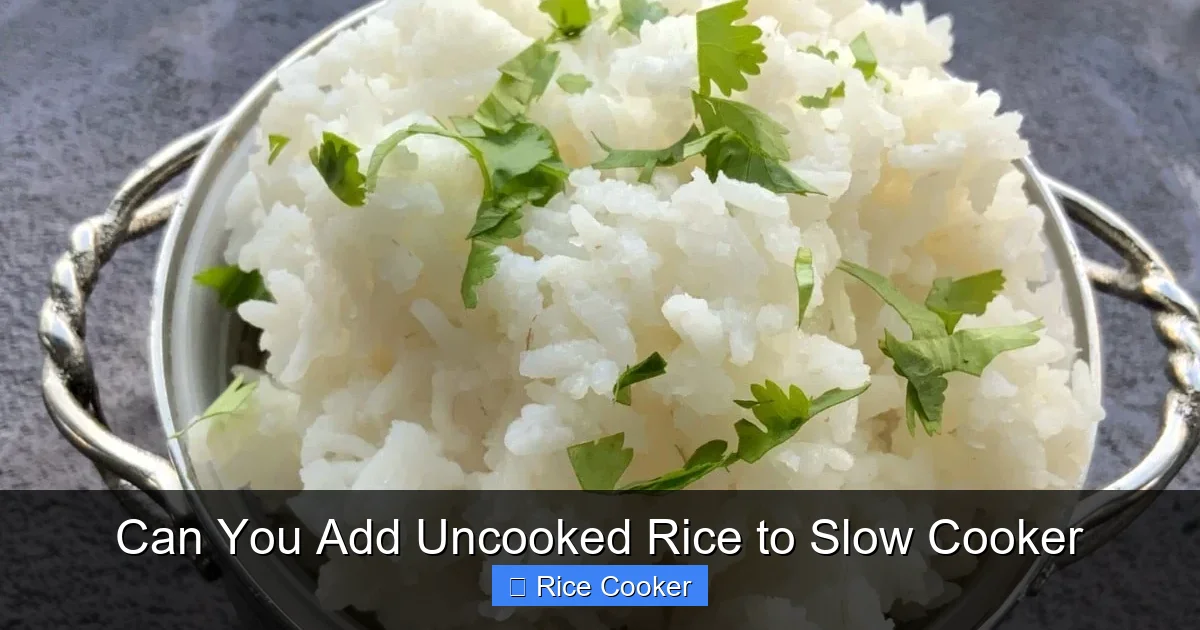
Visual guide about Can You Add Uncooked Rice to Slow Cooker
Image source: thelazyslowcooker.com
First, if you use too little liquid or don’t account for absorption rates, the rice at the bottom may dry out and stick to the crock. Second, if you set the timer too short or check the progress too early (a classic mistake!), the rice might remain gummy or undercooked while the top layers dry out. These problems are avoidable with the right technique, but they’ve created lasting skepticism.
Another factor is confusion between types of rice. Brown rice, for example, has a harder outer bran layer that requires more water and longer cooking than white rice. Without adjusting for these differences, even experienced cooks can run into trouble. But fear not—once you understand the science behind rice hydration and slow-cooker mechanics, you’ll never look back.
Types of Rice Best Suited for Slow Cooking
Not all rice is created equal when it comes to slow cooking. While most varieties can be used, some perform better than others due to their starch content, grain structure, and water absorption properties.
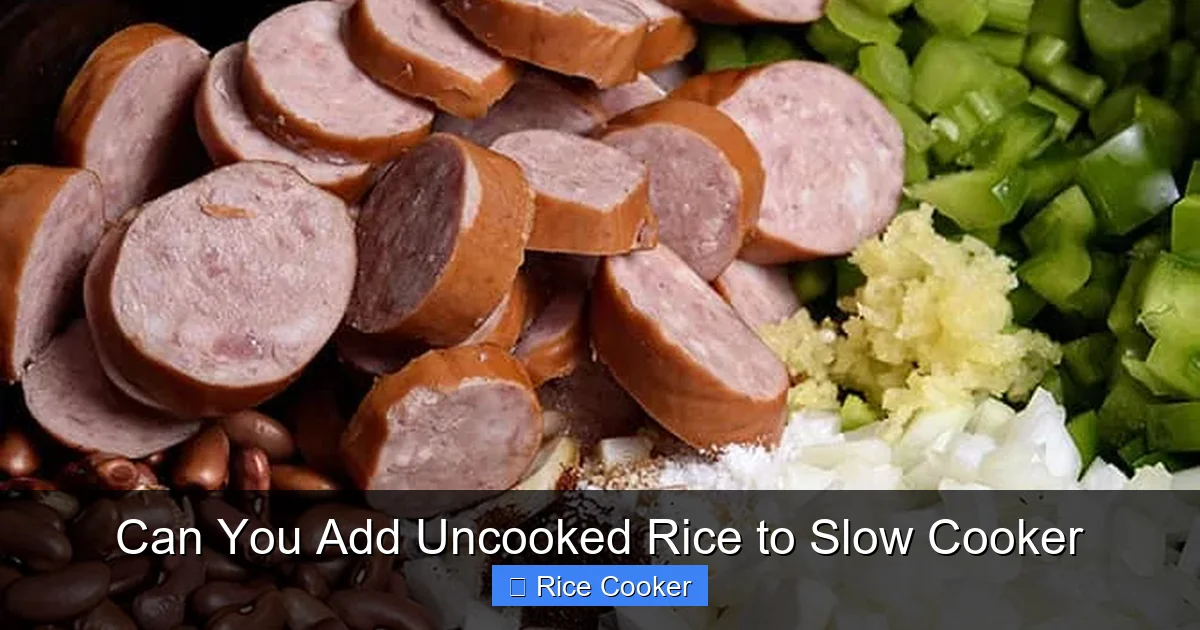
Visual guide about Can You Add Uncooked Rice to Slow Cooker
Image source: addapinch.com
White Rice (Long-Grain)
Long-grain white rice—like jasmine or basmati—is ideal for slow cookers because it remains separate and fluffy after cooking. Its low amylose content means less sticking, and it absorbs liquid evenly over time. For best results, rinse the rice briefly before adding it to remove excess surface starch.
Brown Rice
Brown rice takes longer to cook due to its fibrous husk, but it adds more fiber and nutrients. Because it retains more moisture, it tends to stay chewier and nuttier than white rice. You’ll need a higher liquid ratio (about 2 cups water per 1 cup rice) and longer cooking time—usually 3 to 4 hours on low.
Sushi Rice & Short-Grain Varieties
Short-grain rice, such as sushi or arborio, contains more amylopectin, which makes it sticky when cooked. This can work well in risotto-style dishes where creaminess is desired, but it’s trickier to control in a slow cooker. If you try it, use minimal stirring and monitor closely.
Instant Rice Mixes
These pre-mixed blends (like pilaf or wild rice mixes) often include seasonings and dried veggies. They’re convenient but may not absorb additional liquids evenly. Always follow package directions and adjust water levels if needed.
Bottom line: stick with long-grain white or brown rice for reliable, foolproof results in your slow cooker.
Step-by-Step Guide: Cooking Uncooked Rice in a Slow Cooker
Ready to try it yourself? Follow these simple steps for perfect rice every time.
- Gather Your Ingredients: Start with 1 cup uncooked rice, 1.5 to 2 cups liquid (water, broth, or a mix), and optional flavorings like garlic, onions, or herbs.
- Rinse the Rice (Optional): Rinse long-grain rice under cold water until the water runs clear. This removes excess starch and prevents clumping.
- Add Everything to the Crock: Place rice and liquid in the slow cooker. Stir once to distribute ingredients.
- Cook on Low for 2–4 Hours: Cover and cook on LOW. White rice usually finishes in 2–3 hours; brown rice needs 3–4.
- Test Doneness: After the time elapses, fluff the rice with a fork. It should be tender but not mushy, with no hard kernels.
- Rest Before Serving: Let it sit covered for 5–10 minutes. This allows residual heat to finish steaming.
Pro tip: For extra flavor, sauté aromatics like garlic or ginger in a bit of oil before adding them to the slow cooker. This builds depth without needing a stovetop step.
Flavor Boosters: Turning Plain Rice Into a Star Dish
Uncooked rice in a slow cooker isn’t just about sustenance—it’s an opportunity to create bold, complex flavors. Since everything steams together, seasonings infuse deeply into each grain.
Herbs and Spices
Add bay leaves, thyme, rosemary, or turmeric at the beginning. These release oils slowly, giving rice a fragrant backbone. Avoid fresh herbs near the end—they lose potency over long cook times.
Liquid Variety
Swap plain water for chicken, vegetable, or mushroom broth. Coconut milk adds richness and subtle sweetness—great with Thai-inspired dishes. Even tomato juice can give Southwestern-style rice a tangy kick.
Aromatics
Diced onions, minced garlic, ginger, or leeks build foundational flavor. Carrots or celery sticks also soften beautifully and add color.
Cheese and Dairy
Add grated Parmesan, cheddar, or crème fraîche in the last 30 minutes to prevent curdling. Creamy risottos shine this way.
Protein Pairings
Toss in cooked beans, shredded chicken, or diced sausage earlier in the cycle. They’ll soak up surrounding juices and stay moist.
Example recipe idea: Slow Cooker Lemon-Herb Chicken and Rice—combine chicken thighs, rice, broth, lemon zest, thyme, and carrots. Serve with a squeeze of fresh lemon and parsley.
Common Mistakes and How to Avoid Them
Even seasoned slow cookers can stumble when tackling uncooked rice. Here are frequent errors and fixes:
- Mistake: Using too little liquid.
Fix: Stick to 1.5–2 cups water per 1 cup rice. Brown rice needs closer to 2 cups. - Mistake: Peeking too soon.
Fix: Resist the urge to open the lid until at least halfway through cooking. Each peek releases steam and extends cook time. - Mistake: Stirring constantly.
Fix: Only stir once at the start. Frequent stirring breaks up grains and risks burning. - Mistake: Overloading the pot.
Fix: Don’t exceed 2–3 cups of rice total. Too much rice crowds the cooker and leads to uneven heating. - Mistake: Skipping the rest period.
Fix: Always let rice sit covered for 5–10 minutes. It completes the cooking process gently.
If your rice turns out dry, add a splash of hot water or broth and cover again for 10 minutes. If it’s soupy, transfer to a baking sheet lined with parchment, spread thinly, and bake at 300°F (150°C) for 15–20 minutes to evaporate excess moisture.
Creative Recipes Using Uncooked Rice in a Slow Cooker
Once you master the basics, the possibilities explode. Here are five tasty ideas to inspire your next meal prep:
1. One-Pot Mexican Rice
Combine rice, black beans, corn, diced tomatoes, taco seasoning, and chicken broth. Cook on low for 3 hours. Top with avocado, lime, and cilantro.
2. Creamy Mushroom Risotto
Sauté mushrooms separately (optional), then add to slow cooker with Arborio rice, vegetable broth, garlic, and nutritional yeast. Finish with heavy cream in the last 30 minutes.
3. Hawaiian BBQ Pulled Pork and Rice
Cook pork shoulder with pineapple juice, ketchup, brown sugar, and soy sauce. Add rice and cook for 3 hours on low. Shred meat before serving.
4. Veggie-Packed Lentil Stew with Rice
Layer lentils, rice, carrots, potatoes, and vegetable broth. Season with cumin and smoked paprika. Simmer for 3.5 hours.
5. Breakfast Rice Porridge
Mix oats, jasmine rice, almond milk, cinnamon, and raisins. Cook on low overnight for a warm, porridge-like breakfast.
Each recipe leverages the slow cooker’s ability to meld ingredients into something greater than the sum of its parts.
Health and Nutrition Considerations
Cooking rice in a slow cooker doesn’t change its core nutrition profile—but it does influence how your body absorbs nutrients. Whole grains like brown rice retain more fiber, vitamins, and minerals compared to refined white rice. Because slow cooking uses less added fat and salt than frying or sautéing, it’s generally a healthier preparation method.
However, watch out for hidden sodium in broths and seasonings. Opt for low-sodium or homemade versions when possible. Also, be mindful of portion sizes—rice is calorie-dense, so pair it with plenty of vegetables or lean protein for balanced meals.
For those managing blood sugar, consider rinsing rice thoroughly to reduce arsenic levels (especially important for white rice grown in certain regions). And if you’re gluten-free, ensure all ingredients—including broth and spices—are certified GF.
Equipment Tips: Getting the Most Out of Your Slow Cooker
Not all slow cookers are created equal. Size, shape, and material affect how evenly rice cooks.
- Choose the Right Size: A 4–6 quart slow cooker is perfect for 1–2 cups of rice. Smaller pots lead to hot spots; larger ones spread ingredients too thin.
- Use a Glass or Ceramic Crock: Metal conducts heat differently and may cause uneven browning. Ceramic distributes heat most evenly.
- Elevate Rice (If Needed): For very thick batches, place a trivet or heat-safe rack beneath the rice to prevent direct contact with hot surfaces.
- Cover Tightly: A well-fitting lid traps steam, which is crucial for proper gelatinization of starch.
Also, clean your slow cooker regularly. Sticky residues from previous meals can transfer unwanted flavors to your rice.
Frequently Asked Questions
Can I add frozen rice to a slow cooker?
No—frozen rice should never go directly into a slow cooker. Thawing it first prevents uneven cooking and increases the risk of bacterial growth. Always use room-temperature or refrigerated uncooked rice.
How do I keep rice from sticking to the bottom?
Use enough liquid, avoid stirring mid-cook, and ensure your slow cooker isn’t overfilled. Non-stick models help, but proper technique matters most. If sticking occurs, add a tablespoon of oil or butter at the start.
Can I cook rice in a slow cooker without a recipe?
Absolutely! Start with 1 cup rice + 1.75 cups water, cover, and cook on low for 2.5 hours. Fluff and serve. Adjust liquid slightly based on your preferred texture.
Is slow-cooked rice safe to eat if left unrefrigerated overnight?
Only if it was fully cooked and cooled within 2 hours. Otherwise, bacteria multiply rapidly in the danger zone (40°F–140°F). When in doubt, discard it.
Can I reheat slow-cooked rice?
Yes, but only once. Reheat thoroughly to 165°F (74°C) and consume immediately. Never leave reheated rice sitting out.
Does slow cooking destroy nutrients in rice?
Minimal nutrient loss occurs compared to boiling or frying. In fact, some studies suggest gentle, prolonged cooking can enhance bioavailability of certain compounds like antioxidants.
Frequently Asked Questions
Can I add frozen rice to a slow cooker?
No—frozen rice should never go directly into a slow cooker. Thawing it first prevents uneven cooking and increases the risk of bacterial growth. Always use room-temperature or refrigerated uncooked rice.
How do I keep rice from sticking to the bottom?
Use enough liquid, avoid stirring mid-cook, and ensure your slow cooker isn’t overfilled. Non-stick models help, but proper technique matters most. If sticking occurs, add a tablespoon of oil or butter at the start.
Can I cook rice in a slow cooker without a recipe?
Absolutely! Start with 1 cup rice + 1.75 cups water, cover, and cook on low for 2.5 hours. Fluff and serve. Adjust liquid slightly based on your preferred texture.
Is slow-cooked rice safe to eat if left unrefrigerated overnight?
Only if it was fully cooked and cooled within 2 hours. Otherwise, bacteria multiply rapidly in the danger zone (40°F–140°F). When in doubt, discard it.
Can I reheat slow-cooked rice?
Yes, but only once. Reheat thoroughly to 165°F (74°C) and consume immediately. Never leave reheated rice sitting out.
Does slow cooking destroy nutrients in rice?
Minimal nutrient loss occurs compared to boiling or frying. In fact, some studies suggest gentle, prolonged cooking can enhance bioavailability of certain compounds like antioxidants.