
Adding water to already-cooked rice is possible but not ideal. It can help loosen grains or revive stale rice, but overdoing it risks mushy texture. The key lies in timing, amount, and technique—whether you’re reheating leftovers or fixing a mistake.
Key Takeaways
- Yes, you can add water to cooked rice—but sparingly. Too much liquid turns it into porridge instead of fluffy grains.
- Use a rice cooker or stovetop with low heat for best results. Steam helps rehydrate without overcooking.
- Stale or slightly dry rice benefits most from added moisture. This method brings back tenderness and flavor.
- Seasonings like salt, butter, or broth enhance taste when adding water. Infuse flavor while rehydrating.
- Never add cold water directly to hot cooked rice in bulk. Sudden temperature shifts may affect texture.
- Proper storage prevents the need to add water later. Store rice properly to maintain freshness and avoid dryness.
- Microwave works in a pinch—but cover tightly to control steam. Stir halfway through for even rehydration.
📑 Table of Contents
- Introduction: The Rice Dilemma – Can You Really Add Water to Cooked Rice?
- Why People Think Adding Water to Cooked Rice Is a Bad Idea
- When Is It Actually Okay—or Even Beneficial—to Add Water?
- The Best Ways to Add Water to Cooked Rice Using a Rice Cooker
- Alternative Methods: Stovetop vs. Microwave
- Common Mistakes to Avoid When Adding Water to Cooked Rice
- How Much Water Should You Really Add?
- Does Adding Water Change the Taste or Texture Permanently?
- Storage Tips to Prevent the Need to Add Water Later
- Special Cases: What About Different Types of Rice?
- Creative Uses for “Wet” Rice: Beyond Basic Serving
- Final Thoughts: Is It Worth It?
- Conclusion: Master Your Rice, Master Your Meals
Introduction: The Rice Dilemma – Can You Really Add Water to Cooked Rice?
Have you ever opened your rice cooker after a perfectly cooked batch only to find yourself staring at stiff, dry grains? Or maybe you’ve reheated leftover rice only to realize it’s become rock-hard again. If so, you’re not alone. Many home cooks face this common kitchen hiccup—and the instinctive reaction is often, “Should I just add more water now?”
The short answer? Yes, you can add water to cooked rice, but doing it the wrong way can turn a good meal into a soggy mess. Whether you’re salvaging overcooked rice, reviving stale leftovers, or simply adjusting texture on the fly, understanding how and when to add water makes all the difference. And guess what? Your trusty rice cooker might be the secret weapon you didn’t know you needed.
Why People Think Adding Water to Cooked Rice Is a Bad Idea
It’s easy to see why some chefs warn against adding water to already-cooked rice. After all, rice absorbs water during cooking—adding more afterward seems counterintuitive. But here’s the truth: rice isn’t fully saturated; it just needs the right environment to reabsorb moisture evenly.
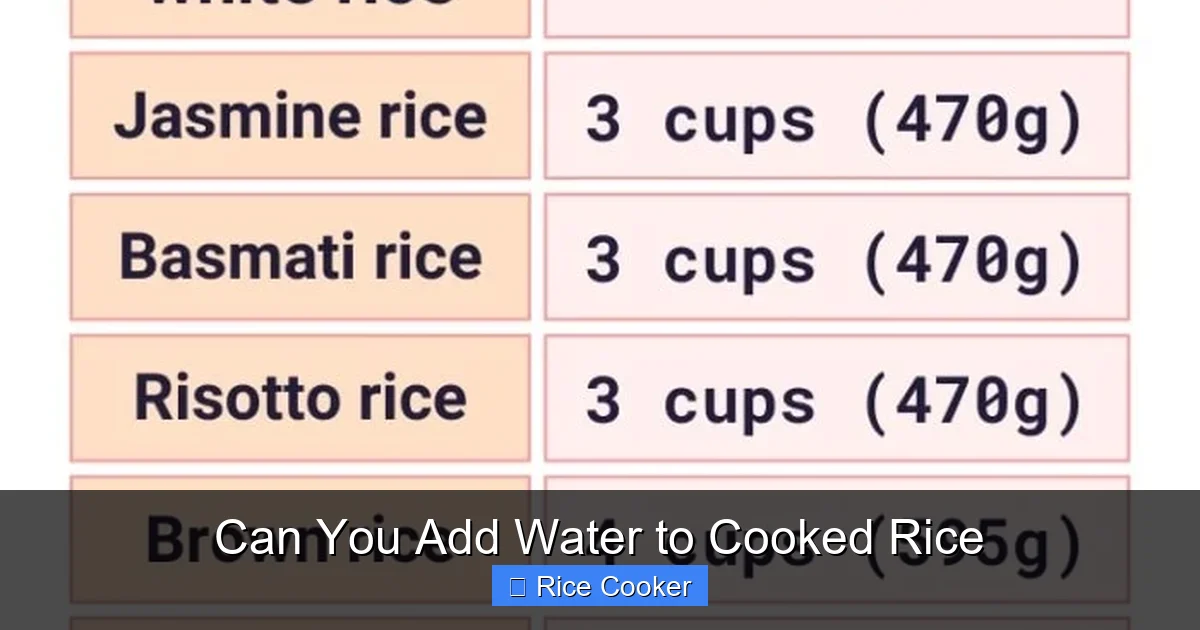
Visual guide about Can You Add Water to Cooked Rice
Image source: onerecp.com
The Myth of “Overcooked” When Water Is Added
One common misconception is that adding water will overcook rice. In reality, if done correctly, adding a small amount of water under controlled conditions (like in a rice cooker) actually helps redistribute moisture and restores softness. The key is low heat and gentle steaming, not boiling.
What Happens If You Overdo It?
If you dump too much water into cold rice or boil it aggressively, you’ll end up with mushy, gluey grains. That’s because excess water forces starch to gelatinize beyond its natural state, creating a sticky paste. But with moderation and proper technique, this risk is easily avoided.
When Is It Actually Okay—or Even Beneficial—to Add Water?
Adding water to cooked rice isn’t just about fixing mistakes. There are several valid scenarios where it’s not only acceptable but helpful:

Visual guide about Can You Add Water to Cooked Rice
Image source: i.ytimg.com
- Reviving stale rice: Rice dries out over time due to moisture loss. A quick steam bath brings it back to life.
- Loose or clumpy rice: Sometimes rice sticks together or becomes uneven. A splash of warm water loosens it without breaking apart.
- Reheating with extra moisture: If your rice feels dry after refrigeration, adding a bit of broth or water during reheating improves texture.
The Best Ways to Add Water to Cooked Rice Using a Rice Cooker
If you own a rice cooker, you’re in luck—it’s designed for this kind of precision cooking. Here’s how to do it safely and effectively:
Step-by-Step Guide: Rehydrating Rice in a Rice Cooker
- Start with lukewarm rice if possible. Cold rice holds less moisture and may crackle when heated.
- Add just 1–2 tablespoons of water per cup of rice. Never exceed ¼ cup unless making soup-like consistency.
- Mix gently so water distributes evenly without smashing grains.
- Close the lid and set to “Keep Warm” or “Steam” mode for 5–10 minutes. Avoid “Cook” mode unless necessary—it can overheat.
- Fluff with a fork before serving to break up any clumps.
Pro Tip: Use Broth Instead of Plain Water
For flavor boost, substitute water with chicken, vegetable, or soy broth. This works especially well with brown rice or when making fried rice the next day.
Alternative Methods: Stovetop vs. Microwave
Not everyone owns a rice cooker—and that’s totally fine! You can still add water to cooked rice using other methods. Just remember: gentle heat is your friend.
On the Stovetop
Place the rice in a saucepan, add 1 teaspoon of water per ½ cup of rice, cover tightly, and heat on low for 3–5 minutes. Let it sit covered for another minute before fluffing.
In the Microwave
Transfer rice to a microwave-safe bowl, sprinkle with water, cover with a damp paper towel (not plastic wrap), and heat in 30-second intervals. Stir between each interval to prevent hot spots.
Common Mistakes to Avoid When Adding Water to Cooked Rice
Even experienced cooks make these errors. Steer clear of them to keep your rice delicious:
- Using ice-cold water: Causes uneven heating and potential cracking.
- Boiling vigorously: Destroys structure and creates mush.
- Skipping the cover: Leads to rapid evaporation and uneven rehydration.
- Adding too much at once: Results in soupy, unappetizing rice.
- Not stirring gently: Aggressive mixing breaks fragile grains.
How Much Water Should You Really Add?
This depends on your goal:
| Purpose | Recommended Water Amount | Method |
|---|---|---|
| Loosen slightly dry rice | 1 tbsp per ½ cup | Low heat, covered, 3–5 min |
| Revive stale rice | 2 tbsp per cup | Rice cooker or stovetop, steam mode |
| Make fried rice base | 1–2 tsp per cup | Quick stir-fry over medium-high heat |
| Create rice pudding | ½ cup milk + 1 tbsp water per cup | Simmer slowly until creamy |
Note: Always start with less—you can always add more, but you can’t take it away!
Does Adding Water Change the Taste or Texture Permanently?
Minimal change occurs if you use the right technique. High-quality basmati or jasmine rice may lose a hint of aroma, but flavor remains largely intact. Texture improves dramatically when done correctly, going from hard/dry to soft/fluffy—without turning to paste.
However, if you repeatedly add water to rice meant for sushi or risotto, the result will trend toward softer, less distinct grain separation. So consider your dish type before deciding to rehydrate.
Storage Tips to Prevent the Need to Add Water Later
Prevention is better than cure. Proper storage keeps rice fresh longer and reduces dryness:
- Cool completely before storing—moisture traps promote bacteria.
- Use airtight containers to retain humidity.
- Refrigerate within 1 hour of cooking for safety.
- Label with date—best quality lasts 3–4 days refrigerated, 6 months frozen.
- Freeze in portion-sized bags to avoid repeated thawing/refreezing.
When freezing, let rice cool first, then spread it flat to freeze quickly—this prevents large ice crystals and keeps grains separate.
Special Cases: What About Different Types of Rice?
Not all rice behaves the same when water is added. Here’s how different varieties respond:
White Rice (Long-Grain)
Most forgiving. Easily revived with minimal water. Ideal for adding liquid if slightly overcooked.
Brown Rice
Denser and oilier. Needs slightly more water (up to 3 tbsp per cup) and longer steaming time. Patience pays off!
Arborio or Risotto Rice
Stickier by nature. Adding water may dilute its creamy texture. Better to use broth while cooking initially.
Sushi Rice
Too much water ruins its binding properties. Avoid adding liquid post-cooking unless making onigiri (rice balls) with careful shaping.
Creative Uses for “Wet” Rice: Beyond Basic Serving
Once you master adding water to cooked rice, new culinary possibilities open up:
- Fried rice starter: Add a touch of water and oil, then stir-fry with veggies and eggs.
- Shepherd’s pie topping: Fluff rice with butter and cream, then layer over mashed potatoes.
- Rice porridge (congee): Slowly simmer with water/milk for a comforting breakfast.
- Stuffed peppers or tomatoes: Mix rice with herbs, cheese, and a splash of broth before baking.
Final Thoughts: Is It Worth It?
Absolutely—if you follow the rules. Adding water to cooked rice is a simple trick that saves time, reduces waste, and rescues meals gone slightly awry. With your rice cooker acting as a gentle ally, you can restore dignity to yesterday’s leftovers or salvage today’s overcooked batch.
Just remember: less is more. A few drops of thoughtful moisture can transform dry, lifeless grains into something warm, tender, and delicious. And that’s a win in any kitchen.
Conclusion: Master Your Rice, Master Your Meals
So, can you add water to cooked rice? The answer is yes—but wisdom comes with practice. Whether you’re using a rice cooker, stovetop, or microwave, understanding how moisture interacts with starch unlocks better textures, flavors, and fewer kitchen regrets.
Next time your rice feels stiff or stale, don’t toss it out. Grab a spoon, a little water, and your favorite appliance—and give it a second chance. After all, great meals aren’t born perfect; they’re made with care, curiosity, and just the right amount of liquid love.
Frequently Asked Questions
Is it safe to add water to cooked rice?
Yes, it’s safe as long as you use clean water and reheat properly. Just avoid letting rice sit at room temperature too long after adding water.
Will adding water make rice soggy?
Only if you add too much or cook it too long. Use minimal amounts and low heat to maintain fluffy texture.
Can I add hot water to cold rice?
No—sudden temperature changes can cause uneven cooking or cracking. Use lukewarm or room-temperature water instead.
How long should I let rice sit after adding water?
A few minutes off the heat allows even absorption. For stovetop, 2–3 minutes covered works well.
Does adding water ruin the nutritional value of rice?
No significant loss occurs. Some vitamins may leach into water, but it’s negligible compared to the benefit of improved digestibility.
Can I reuse rice that I added water to?
Yes, but only once more and within 24 hours. Ensure it’s cooled and stored properly to prevent bacterial growth.