
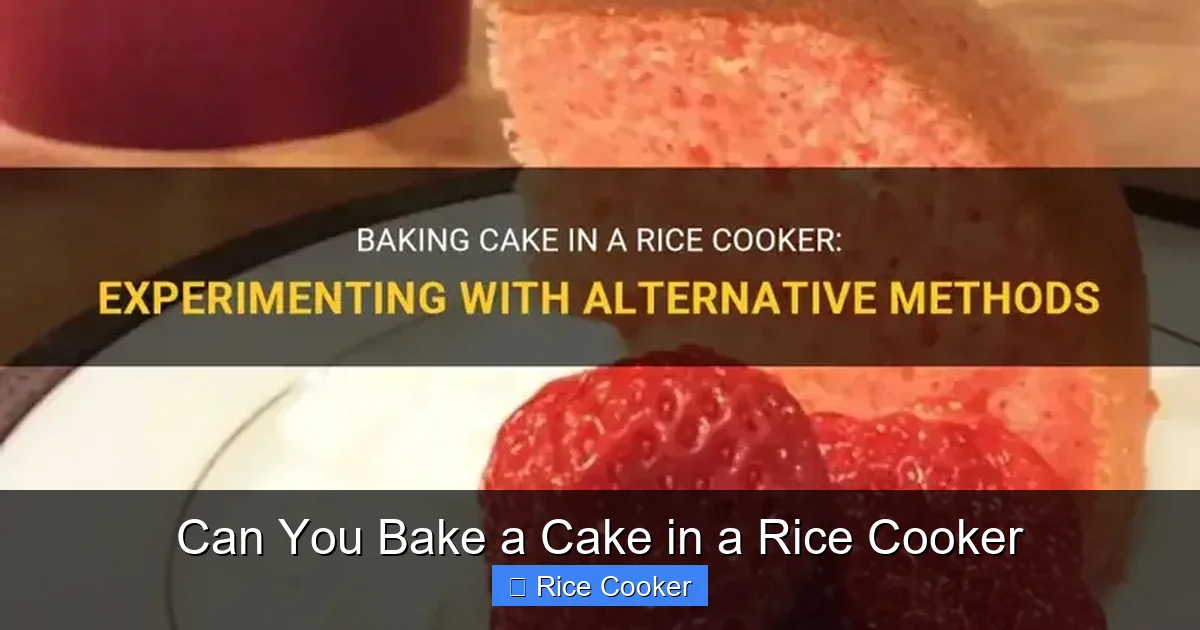
Can you bake a cake in a rice cooker? Absolutely! This versatile kitchen appliance can create fluffy, moist cakes with just the right amount of heat and steam. Whether you’re short on oven space or want a quick dessert, your rice cooker can be your new best baking buddy.
Have you ever been craving a fresh cake but found yourself staring at an empty oven? Or maybe you simply don’t have the counter space for a traditional cake pan? Don’t worry—your rice cooker might be the unsung hero you’ve been waiting for!
Most people think of rice cookers as glorified pots that just do one thing: cook grains. But here’s the secret: these humble appliances actually produce incredibly consistent heat and moisture that can transform into the perfect cake-baking environment. With a few simple adjustments and the right recipe, you can turn your morning cup of rice into a delicious homemade cake by dinner time.
The beauty of rice cooker baking lies in its simplicity and efficiency. No preheating required, minimal cleanup, and you can multitask while your cake cooks. Plus, the steam generated during the cooking process helps create that wonderfully soft, moist texture we all love in baked goods. Let me show you exactly how to make this magic happen!
Key Takeaways
- Rice cookers are surprisingly effective for baking cakes due to their consistent heat and steam generation, which mimics some aspects of traditional baking.
- You can make various cake types including basic vanilla, chocolate, and even layered cakes using the right techniques and timing.
- Preparation is key – proper batter consistency, correct measurements, and appropriate greasing make all the difference in success.
- Timing matters – most rice cooker cakes take 30-45 minutes, but exact times depend on your specific model and cake size.
- Cleanup is easier than expected since you’re working with one pot instead of multiple baking pans and utensils.
- It’s perfect for small spaces and when you need a quick dessert solution without turning on a hot oven.
📑 Table of Contents
- The Science Behind Rice Cooker Cake Baking
- Essential Equipment and Setup
- Perfecting Your Rice Cooker Cake Recipe
- Popular Rice Cooker Cake Varieties
- Advanced Techniques and Pro Tips
- Maintenance and Care for Your Rice Cooker
- Environmental and Economic Benefits
- Conclusion: Embracing the Rice Cooker Revolution
The Science Behind Rice Cooker Cake Baking
Before we dive into recipes, let’s talk about why this method works so well. A rice cooker operates differently from conventional ovens, and understanding those differences will help you achieve perfect results every time.
How Rice Cookers Create Ideal Baking Conditions
Unlike ovens that rely on dry heat convection, rice cookers generate steam through water evaporation and condensation. This creates a humid environment that’s perfect for cakes. The inner pot typically has a non-stick coating and often features a thick aluminum base that distributes heat evenly—something traditional cake pans often lack.
Most modern rice cookers also have multiple settings (white rice, brown rice, quick cook, etc.) that control temperature precisely. This means you can find the sweet spot where your cake bakes evenly without burning or undercooking.
The Importance of Heat Distribution
The single pot design eliminates the hot spots common in ovens and traditional pans. When you bake in a rice cooker, the entire surface area of your batter receives consistent warmth. This is especially beneficial for beginners who might struggle with uneven baking in conventional methods.
Additionally, the sealed environment prevents rapid moisture loss, which means your cake stays moist throughout the cooking process. Think of it like cooking steamed buns—the steam helps everything cook uniformly from the inside out.
Common Challenges and Solutions
Of course, there are some limitations to keep in mind. Rice cookers typically have smaller capacities than ovens, so larger cakes may not fit comfortably. Also, the lack of browning means your cake won’t develop that golden crust many people associate with freshly baked goods.
However, these challenges are easily overcome with the right approach. For best results, use round cake pans that fit snugly in your rice cooker’s inner pot. And if you really want that golden color, you can always finish your cake under the broiler for a minute or two after the main cooking cycle.
Essential Equipment and Setup
Visual guide about Can You Bake a Cake in a Rice Cooker
Image source: book-recipe.com
Getting started with rice cooker cake baking requires just a few pieces of equipment, most of which you likely already own. Here’s what you’ll need:
Basic Requirements
- A working rice cooker with a non-stick inner pot (most standard models work fine)
- Round cake pans that fit comfortably in your rice cooker (typically 6-8 inches in diameter)
- Standard mixing bowls and measuring cups/spoons
- Whisk or electric mixer for combining ingredients
- Cooling rack for removing cakes from pans
Optional but Helpful Tools
For even better results, consider investing in:
- Parchment paper circles to line your cake pans and prevent sticking
- A kitchen timer for precise timing (though most rice cookers have audible alerts)
- An instant-read thermometer to check doneness accurately
Setting Up Your Rice Cooker
Before you start mixing ingredients, prepare your rice cooker properly:
- Thoroughly clean the inner pot and ensure it’s completely dry
- Lubricate the bottom and sides of your cake pans with butter or non-stick spray
- If your rice cooker has multiple settings, choose “warm” or “keep warm” for the final stage
- Make sure the heating plate underneath is clean and level
Remember, the key to successful rice cooker baking is preparation. Taking these extra steps will save you from frustration later and ensure your cakes come out perfectly every time.
Perfecting Your Rice Cooker Cake Recipe
Visual guide about Can You Bake a Cake in a Rice Cooker
Image source: i.pinimg.com
Now comes the fun part—creating delicious cakes! While any standard cake recipe can be adapted, some work better than others in a rice cooker environment. Let’s explore the fundamentals of creating the perfect rice cooker cake.
Understanding Recipe Adaptations
Traditional cake recipes often include leavening agents (baking powder/soda) that work differently in a steam-heavy environment. You may need to adjust quantities slightly or add extra ingredients to compensate for the unique conditions.
Also, because rice cookers cook more quickly than ovens, liquid ratios might need tweaking. Too much liquid can result in soggy cakes, while too little may cause dryness.
Basic Ingredients Checklist
For most successful rice cooker cakes, you’ll need:
- All-purpose flour (or cake flour for extra tenderness)
- Sugar (granulated or superfine)
- Eggs (room temperature for best results)
- Butter or oil for moisture and richness
- Milk or buttermilk for tenderness
- Leavening agents (baking powder and/or soda)
- Vanilla extract for flavor
- Salt to balance flavors
Step-by-Step Mixing Process
1. **Combine dry ingredients first** – Sift together flour, sugar, baking powder, and salt
2. **Cream butter and sugar** until light and fluffy (about 3-4 minutes)
3. **Add eggs one at a time**, mixing well after each addition
4. **Alternate adding dry ingredients and wet ingredients** (starting and ending with dry)
5. **Mix until just combined** – overmixing can lead to tough cakes
6. **Divide batter evenly** among prepared pans
Troubleshooting Common Issues
If your first attempts aren’t perfect, don’t worry! Here are solutions to frequent problems:
- Dense or gummy texture – Usually caused by undercooking; extend baking time slightly next time
- Sticking to the pan – Ensure proper greasing and consider using parchment paper
- Too much rising – Reduce leavening agents by 1/4 teaspoon next time
- Uneven baking – Rotate pans halfway through cooking if possible
Popular Rice Cooker Cake Varieties
Once you master the basics, the possibilities are endless! Rice cookers can handle everything from simple vanilla cakes to elaborate layered creations. Let me share some popular options and how they work best in your appliance.
Classic Vanilla Cake
This is the perfect starting point for beginners. The neutral flavor allows you to experiment with different frostings and decorations later. Most vanilla cakes in rice cookers turn out light, fluffy, and moist—exactly what you’d expect from a good cake.
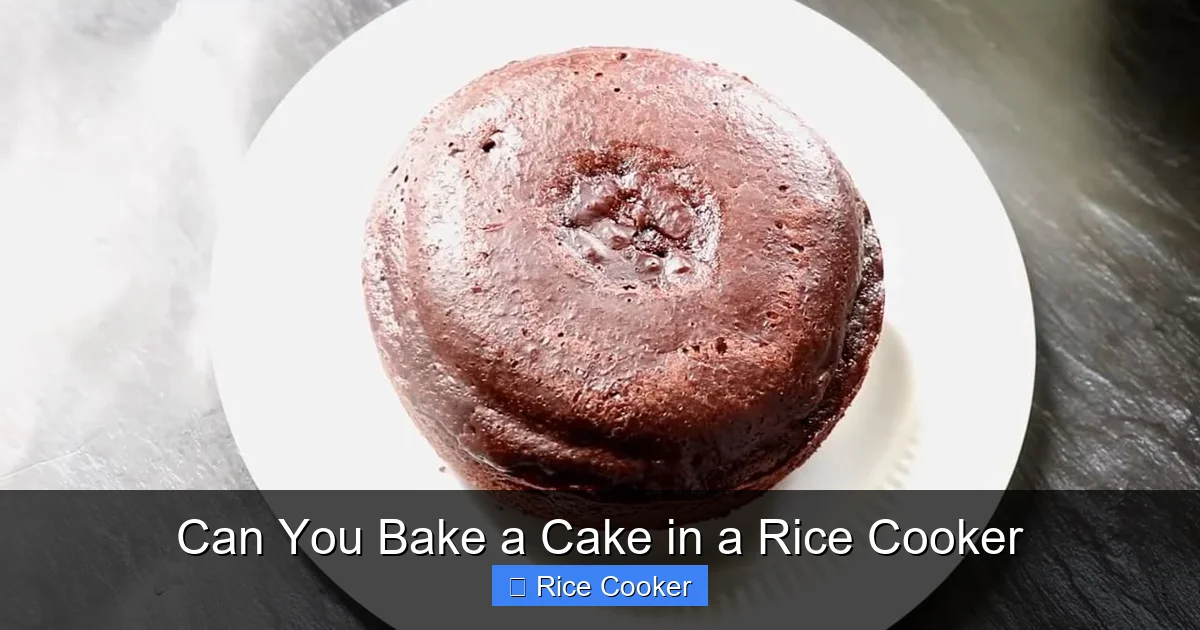
Chocolate Delight
Adding cocoa powder transforms your vanilla base into something rich and decadent. Many people find that chocolate cakes actually cook slightly faster than vanilla versions, so keep an eye on them!
Fruit-Infused Cakes
Strawberries, bananas, blueberries, or even pineapple all work beautifully in rice cooker cakes. Just remember to reduce other liquids slightly when adding fruits, as they contribute moisture too.
Layered Masterpieces
With careful timing, you can bake multiple layers simultaneously. Simply divide your batter between two pans and cook together—just watch closely to prevent overcooking.
Specialty Options
- Red velvet cake – Achieve that signature color and mild chocolate flavor
- Coffee-flavored cakes – Add a tablespoon of instant coffee for depth
- Spice cakes – Warm cinnamon, nutmeg, and cloves create cozy flavors
Each variety offers unique opportunities for creativity while maintaining the core principles of successful rice cooker baking.
Advanced Techniques and Pro Tips
Ready to take your rice cooker baking to the next level? These advanced techniques will help you achieve professional-quality results consistently.
Temperature Control Strategies
Different rice cookers have varying heat outputs, so learning to read your machine is crucial. If you notice your cakes are browning too much or cooking unevenly, try adjusting the cooking time by 2-5 minutes increments.
Some users find that placing a small bowl of water on top of their cake pans helps regulate temperature and adds extra humidity—perfect for preventing dry edges.
Timing and Monitoring
While rice cookers are generally reliable, it’s wise to check your cakes periodically rather than relying solely on automatic timers. Insert a toothpick into the center—if it comes out clean or with just a few moist crumbs, your cake is ready.
For larger cakes, you might need to extend cooking time by 10-15 minutes beyond what the rice cooker’s default setting suggests.
Flavor Enhancement Methods
Elevate your cakes with these pro tips:
- Citrus zest adds bright, fresh notes to both fruit and chocolate cakes
- Espresso powder intensifies chocolate flavors without making your cake taste bitter
- Spices like cardamom or star anise create complex, aromatic profiles
Storage and Serving Suggestions
Proper storage ensures your rice cooker cakes stay fresh longer. Store completed cakes in airtight containers at room temperature for up to 3 days, or refrigerate for longer storage. Bring to room temperature before serving for best texture and flavor.
Consider decorating with whipped cream, fresh berries, or dusting with powdered sugar for beautiful presentation. The smooth surface of rice cooker cakes makes them perfect canvases for creative frosting designs.
Maintenance and Care for Your Rice Cooker
Taking care of your rice cooker ensures it continues to bake amazing cakes year after year. Proper maintenance also extends the life of your appliance and keeps your cakes tasting their best.
Cleaning Best Practices
After each use, allow the inner pot to cool completely before washing. Use warm, soapy water and a gentle sponge—avoid abrasive scrubbers that could damage the non-stick coating. Never submerge the heating element or electronic components in water.
For stubborn residue, soak the pot in warm water with a bit of baking soda before washing.
Seasoning and Maintenance
Some users prefer to lightly oil their rice cooker pots after cleaning to maintain the non-stick properties. However, most modern coatings don’t require this step. Check your manufacturer’s recommendations for specific care instructions.
Regularly inspect the sealing ring (if applicable) and replace it if you notice cracks or wear.
Preventing Common Problems
- Burned residue – Clean immediately after noticing, don’t wait for buildup
- Uneven cooking** – Ensure the heating plate is clean and level
- Strange odors** – Run an empty cycle with vinegar occasionally to remove lingering smells
Following these maintenance tips will keep your rice cooker performing optimally for years to come.
Environmental and Economic Benefits
Beyond convenience, rice cooker cake baking offers several advantages that make it appealing beyond just delicious results.
Energy Efficiency
Rice cookers use significantly less energy than conventional ovens—often just 200-300 watts compared to ovens’ 2,000+ watts. This means lower electricity bills and reduced environmental impact, especially important as sustainability becomes increasingly important in home cooking.
Space Optimization
In small apartments or dorm rooms where kitchen real estate is limited, rice cookers serve dual purposes without taking up valuable counter space. You get the functionality of multiple appliances in one compact unit.
Cost-Effectiveness
Most rice cookers cost less than $50 new and can last 5-7 years with proper care. Compare that to buying specialized cake pans, mixers, and ovens, and you’ll see the long-term value proposition.
Waste Reduction
Using fewer dishes means less plastic waste from disposable alternatives. Plus, the ability to make smaller batches reduces food waste—perfect for households that don’t frequently need large quantities of cake.
These benefits make rice cooker cake baking not just a clever cooking hack, but a smart choice for environmentally conscious consumers.
Conclusion: Embracing the Rice Cooker Revolution
As we’ve explored, baking cakes in your rice cooker isn’t just possible—it’s practical, delicious, and surprisingly sophisticated. From basic vanilla to elaborate layered creations, this method proves that sometimes the simplest tools yield the most satisfying results.
The beauty of rice cooker cake baking lies in its accessibility. You don’t need special skills, expensive equipment, or hours of preparation. Just a willingness to experiment and learn your appliance’s quirks. And once you get the hang of it, you’ll wonder why you ever thought baking was complicated.
Whether you’re a college student with limited kitchen resources, someone living in a small apartment, or just looking for a fun new way to enjoy homemade treats, your rice cooker has been waiting to become your secret baking weapon. So go ahead—preheat that pot, mix up your favorite batter, and discover the joy of cake-making with nothing but a simple kitchen appliance and a little creativity.
Remember, every great baker started somewhere. Your first rice cooker cake might not be perfect, and that’s okay. What matters is that you’re trying, experimenting, and enjoying the process. Before long, you’ll be impressing friends and family with your rice cooker cake mastery.
Frequently Asked Questions
Is it safe to bake cakes in a rice cooker?
Yes, it’s completely safe and actually quite efficient! Modern rice cookers are designed for repeated cooking cycles and produce consistent, controlled heat that’s perfect for baking cakes safely.
What size cake pans work best in a rice cooker?
Round cake pans 6-8 inches in diameter work best, as they fit snugly in most rice cooker inner pots without blocking heat circulation or overflowing during cooking.
Can I use any cake recipe for rice cooker baking?
Most standard cake recipes can be adapted successfully, though you may need to adjust leavening agents and liquid ratios slightly due to the different cooking environment.