
Can you boil chicken in a rice cooker? Absolutely! This simple kitchen hack uses your rice cooker to cook tender, flavorful chicken with minimal effort. Whether you’re meal prepping or cooking for one, boiling chicken in a rice cooker is fast, efficient, and surprisingly effective.
Key Takeaways
- Yes, it’s possible: A rice cooker can effectively boil chicken using its steam and heat functions.
- Saves time and energy: Cooking chicken this way reduces active supervision and uses less stovetop space.
- Retains moisture: The sealed environment keeps the meat juicy and prevents drying out.
- Versatile method: Great for shredding into soups, salads, tacos, or meal prep containers.
- Easy cleanup: Fewer pots and pans means simpler post-meal chores.
- Customizable seasoning: Add herbs, garlic, or broth for extra flavor without extra steps.
- Safe and consistent: Rice cookers maintain steady temperatures, reducing risk of undercooking or burning.
📑 Table of Contents
- Can You Boil Chicken in a Rice Cooker? The Ultimate Guide to Effortless Chicken Cooking
- Why Use a Rice Cooker to Boil Chicken?
- How to Boil Chicken in a Rice Cooker: Step-by-Step Guide
- Tips for Perfect Boiled Chicken in a Rice Cooker
- Creative Ways to Use Boiled Chicken from Your Rice Cooker
- Common Mistakes and How to Avoid Them
- Food Safety Considerations
- Comparing Methods: Rice Cooker vs. Stovetop vs. Slow Cooker
- Frequently Asked Questions (FAQs)
Can You Boil Chicken in a Rice Cooker? The Ultimate Guide to Effortless Chicken Cooking
Imagine coming home after a long day at work—tired, hungry, and wondering what’s for dinner. You open your fridge, see some chicken breasts, and think, “Ugh, another boring meal.” But what if you told yourself, “Wait… I have a rice cooker. Can I boil chicken in it?” That simple question could change your entire approach to home cooking.
Believe it or not, yes—you can absolutely boil chicken in a rice cooker. It might sound too good (or too strange) to be true, but this kitchen hack is not only real but also incredibly practical. With just a few ingredients and minimal effort, your rice cooker becomes a multitasking powerhouse capable of turning plain chicken into a flavorful, juicy centerpiece for meals.
Whether you’re new to rice cookers or a seasoned pro, understanding how to use this appliance beyond just cooking grains opens up a world of culinary possibilities. In this article, we’ll walk you through everything you need to know about boiling chicken in a rice cooker—from preparation and safety to creative recipe ideas and troubleshooting tips. So grab your apron, plug in that trusty rice cooker, and let’s get cooking!
Why Use a Rice Cooker to Boil Chicken?
If you’ve ever wondered whether boiling chicken in a rice cooker is worth the hype, let’s break down the benefits first. Why would anyone choose this method over traditional boiling on the stove?
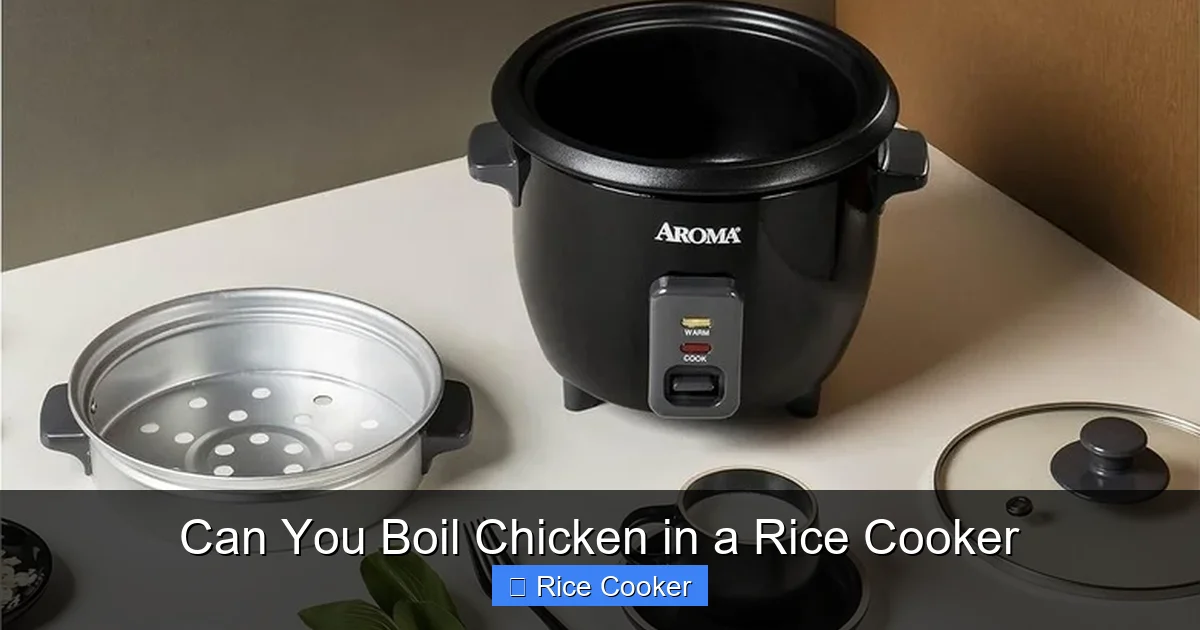
Visual guide about Can You Boil Chicken in a Rice Cooker
Image source: mashed.com
Convenience Meets Efficiency
Rice cookers are designed to do the heavy lifting while you relax. Unlike stovetop boiling—which requires constant monitoring and stirring—your rice cooker handles the process on its own. Once you add water and chicken, simply press “cook” and forget about it. No more hovering over a pot, adjusting heat, or worrying about boiling over.
This hands-off approach makes it ideal for busy families, students, or anyone looking to simplify their kitchen routine. Plus, rice cookers often come with keep-warm settings, so your chicken stays at serving temperature until you’re ready to eat.
Energy Savings and Space-Saving
Cooking on the stovetop takes up valuable burner space and consumes electricity (or gas). By using your rice cooker instead, you free up your stove for other dishes during meal prep. And since rice cookers use less energy than maintaining a rolling boil, you’re also saving on utility bills.
Consistent Results Every Time
One of the biggest advantages of electric appliances like rice cookers is their ability to maintain precise temperatures. Unlike open-pot boiling, where heat fluctuates based on stove settings, a rice cooker delivers steady, even heating. This consistency helps ensure your chicken cooks thoroughly without drying out or becoming rubbery.
Additionally, the sealed lid traps steam, which not only speeds up cooking but also infuses the meat with subtle flavors from added liquids like broth or seasonings.
How to Boil Chicken in a Rice Cooker: Step-by-Step Guide
Ready to try it? Here’s a foolproof method for boiling chicken in your rice cooker. Follow these steps for perfectly cooked, tender chicken every time.
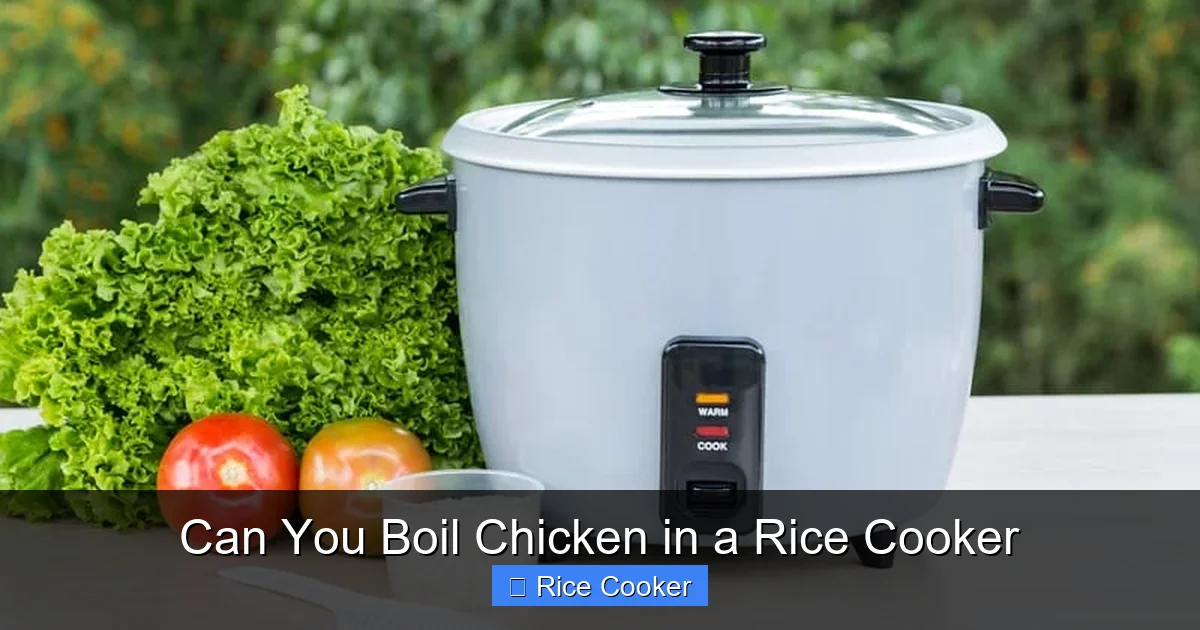
Visual guide about Can You Boil Chicken in a Rice Cooker
Image source: missvickie.com
What You’ll Need
- Raw chicken (breasts, thighs, or whole pieces)
- Water or low-sodium chicken broth
- Salt, pepper, and optional herbs/spices
- Airtight container or cooking pot that fits inside your rice cooker
- Tongs or slotted spoon
- Paper towels or clean dish towel
Preparation Tips
Before tossing everything into the rice cooker, take a moment to prepare your chicken properly. Pat the meat dry with paper towels—this helps seasonings stick better and promotes even cooking. If using bone-in pieces, consider trimming excess fat for cleaner flavor.
For maximum tenderness, avoid overcrowding the rice cooker insert. Too much chicken will slow down cooking time and may result in uneven doneness. Aim for no more than 3–4 pounds at once unless your model has a large capacity.
Step 1: Season and Add Liquid
Place your chicken in the inner pot of the rice cooker. Pour in enough liquid to fully submerge the meat—usually about 1–2 inches of water or broth. Adding flavorful liquid like broth instead of plain water makes a noticeable difference in taste.
Season generously with salt, black pepper, and any desired spices. For extra depth, toss in garlic cloves, onion slices, bay leaves, or fresh herbs like thyme or rosemary. These aromatics will infuse the chicken as it cooks.
Step 2: Set the Cooking Mode
Most modern rice cookers have multiple settings: white rice, brown rice, steam, keep warm, etc. Since you’re boiling chicken (not steaming), look for a “steam” function—but note that steaming typically uses vapor rather than submerged liquid. If your rice cooker lacks a dedicated boil setting, simply use the standard “cook” mode. The appliance will automatically detect the presence of liquid and adjust accordingly.
Close the lid securely and press the power button. Within minutes, you should hear bubbling sounds indicating the water is heating up. Depending on the size and quantity of chicken, cooking times range from 20–45 minutes.
Step 3: Check for Doneness
After the cycle ends, carefully open the lid (watch for hot steam!) and check the internal temperature of the thickest piece using a food thermometer. Chicken is safely cooked when it reaches 165°F (74°C) throughout. If needed, return to “cook” mode for an additional 5–10 minutes.
Alternatively, cut into the thickest part—if the juices run clear and there’s no pink remaining, it’s done.
Step 4: Shred or Slice
Use tongs or a fork to remove the chicken from the liquid. Let it rest for 5 minutes before shredding, slicing, or chopping. This short pause allows residual heat to finish cooking gently and keeps the meat moist.
Save the flavorful cooking liquid! Strain it through a fine mesh sieve to remove solids, then store it in the fridge for up to 3 days. It’s perfect for making gravy, soups, or sauces.
Tips for Perfect Boiled Chicken in a Rice Cooker
While the basic method works great, a few smart tweaks can elevate your results even further. Here are insider tips to help you master boiled chicken in your rice cooker.
Use Bone-In for Extra Flavor
Bone-in chicken pieces hold onto moisture better than boneless cuts and release collagen during slow cooking, resulting in richer, more tender meat. Drumsticks, thighs, and wings are excellent choices for boiling in a rice cooker.
Don’t Skip the Resting Time
Resisting the urge to immediately start shredding? Resist! Allowing the chicken to rest ensures even distribution of juices and prevents dryness. Plus, it gives you a chance to cool slightly if you plan to handle it with bare hands.
Reuse the Cooking Liquid
That savory broth left behind isn’t waste—it’s gold! Freeze portions in ice cube trays for future use in risottos, pasta dishes, or stir-fries. Or reduce it on the stove to make a quick pan sauce.
Experiment with Flavors
Try different combinations to suit your taste:
- Mediterranean: Lemon zest, oregano, olives, feta crumbles
- Asian-inspired: Soy sauce, ginger, green onions, sesame oil
- Mexican twist: Cumin, chili powder, lime juice, cilantro
Avoid Overcooking
Even though rice cookers regulate heat well, prolonged exposure to high temps can toughen proteins. Stick to recommended cooking times and always verify internal temperature to prevent dryness.
Creative Ways to Use Boiled Chicken from Your Rice Cooker
The beauty of boiled chicken lies in its versatility. Once you’ve mastered the technique, you’ll find endless ways to repurpose your results.
Meal Prep Staple
Boil a big batch of chicken at the start of the week and portion it into containers. You’ll have instant protein for:
- Grain bowls
- Salads
- Wraps and sandwiches
- High-protein snacks like egg muffins or omelets
Soups and Stews
Shredded boiled chicken shines in comfort foods like chicken noodle soup, gumbo, or creamy bisques. Simply add diced veggies, beans, and broth to the rice cooker along with the chicken before cooking—no separate pot needed!
Buffet-Style Serving
Serve sliced chicken over rice, mashed potatoes, or roasted vegetables for a family-friendly dinner. Include dipping sauces like ranch, honey mustard, or BBQ for variety.
Baking and Grilling Substitute
Prefer grilled or baked chicken but don’t want to fire up the oven? Boiled chicken reheats beautifully and retains texture. Sear it briefly in a skillet after boiling for a crispy exterior.
Common Mistakes and How to Avoid Them
Like any cooking technique, boiling chicken in a rice cooker comes with potential pitfalls. Awareness helps you sidestep frustration.
Using Too Little Liquid
If the water level doesn’t cover the chicken completely, lower parts may dry out or burn. Always add enough liquid to fully immerse the meat—even if it means starting with a larger pot.
Overcrowding the Pot
Packing too many chicken pieces slows heat transfer and extends cooking time. When in doubt, cook in batches.
Skipping Internal Temperature Check
Relying solely on time estimates risks undercooked chicken, which poses food safety concerns. Always verify temperature with a probe thermometer.
Neglecting to Drain Excess Moisture
Excess liquid can make shredded chicken soggy. After removing from the cooker, pat with paper towels before mixing into dishes.
Food Safety Considerations
Safety first! While rice cookers are generally reliable, improper handling can lead to bacterial growth.
Thaw Properly
Never cook frozen chicken directly in the rice cooker. Thaw completely in the refrigerator overnight or use the defrost setting if available. Partial freezing creates cold spots that hinder thorough cooking.
Refrigerate Promptly
Once cooked, refrigerate leftover chicken within two hours. Store in airtight containers and consume within 3–4 days.
Avoid Cross-Contamination
Use separate utensils and cutting boards for raw and cooked chicken. Wash hands and surfaces thoroughly between tasks.
Comparing Methods: Rice Cooker vs. Stovetop vs. Slow Cooker
You might be asking: “If I can boil chicken in a rice cooker, why bother with other methods?” Let’s compare.
| Method | Time | Hands-On Effort | Flavor | Best For |
|---|---|---|---|---|
| Rice Cooker | 20–45 min | Low | Moderate (with seasonings) | Meal prep, beginners |
| Stovetop | 20–30 min | Medium | Rich (deep simmering) | Traditional recipes, large batches |
| Slow Cooker | 4–8 hrs | Very Low | Deep, tender | Fall-off-the-bone textures, all-day meals |
Each method has strengths, but the rice cooker strikes a sweet spot between speed, convenience, and control.
Frequently Asked Questions (FAQs)
Can I boil frozen chicken in a rice cooker?
No, you should never boil frozen chicken directly. Thaw it completely in the refrigerator first to ensure safe, even cooking. Frozen meat can harbor bacteria in the center if not heated properly.
How long does it take to boil chicken in a rice cooker?
It usually takes 20–45 minutes depending on the size and type of chicken. Boneless breasts cook faster (20–25 min), while bone-in thighs or whole chickens may need 35–45 minutes. Always check internal temperature for accuracy.
Do I need to add oil when boiling chicken in a rice cooker?
No, oil isn’t necessary since the chicken will cook submerged in liquid. However, adding a splash of olive oil or butter to the broth enhances richness and helps carry fat-soluble flavors from herbs.
Can I use this method for other meats?
Absolutely! You can boil pork, beef, or turkey using the same technique. Adjust cooking times based on density—pork chops may take 25–30 minutes, while tougher cuts like brisket require longer.
Is it safe to leave chicken in the rice cooker overnight?
Only if it’s kept at a safe temperature (above 140°F). Otherwise, remove cooked chicken and refrigerate within two hours. Leaving perishable food at room temperature for extended periods increases spoilage risk.
What should I do with the leftover cooking liquid?
Strain and save the broth for soups, sauces, or gravy. It’s packed with flavor and nutrients—just don’t drink it straight unless you enjoy salty, herb-infused water!
Frequently Asked Questions
Can I boil frozen chicken in a rice cooker?
No, you should never boil frozen chicken directly. Thaw it completely in the refrigerator first to ensure safe, even cooking. Frozen meat can harbor bacteria in the center if not heated properly.
How long does it take to boil chicken in a rice cooker?
It usually takes 20–45 minutes depending on the size and type of chicken. Boneless breasts cook faster (20–25 min), while bone-in thighs or whole chickens may need 35–45 minutes. Always check internal temperature for accuracy.
Do I need to add oil when boiling chicken in a rice cooker?
No, oil isn’t necessary since the chicken will cook submerged in liquid. However, adding a splash of olive oil or butter to the broth enhances richness and helps carry fat-soluble flavors from herbs.
Can I use this method for other meats?
Absolutely! You can boil pork, beef, or turkey using the same technique. Adjust cooking times based on density—pork chops may take 25–30 minutes, while tougher cuts like brisket require longer.
Is it safe to leave chicken in the rice cooker overnight?
Only if it’s kept at a safe temperature (above 140°F). Otherwise, remove cooked chicken and refrigerate within two hours. Leaving perishable food at room temperature for extended periods increases spoilage risk.
What should I do with the leftover cooking liquid?
Strain and save the broth for soups, sauces, or gravy. It’s packed with flavor and nutrients—just don’t drink it straight unless you enjoy salty, herb-infused water!