
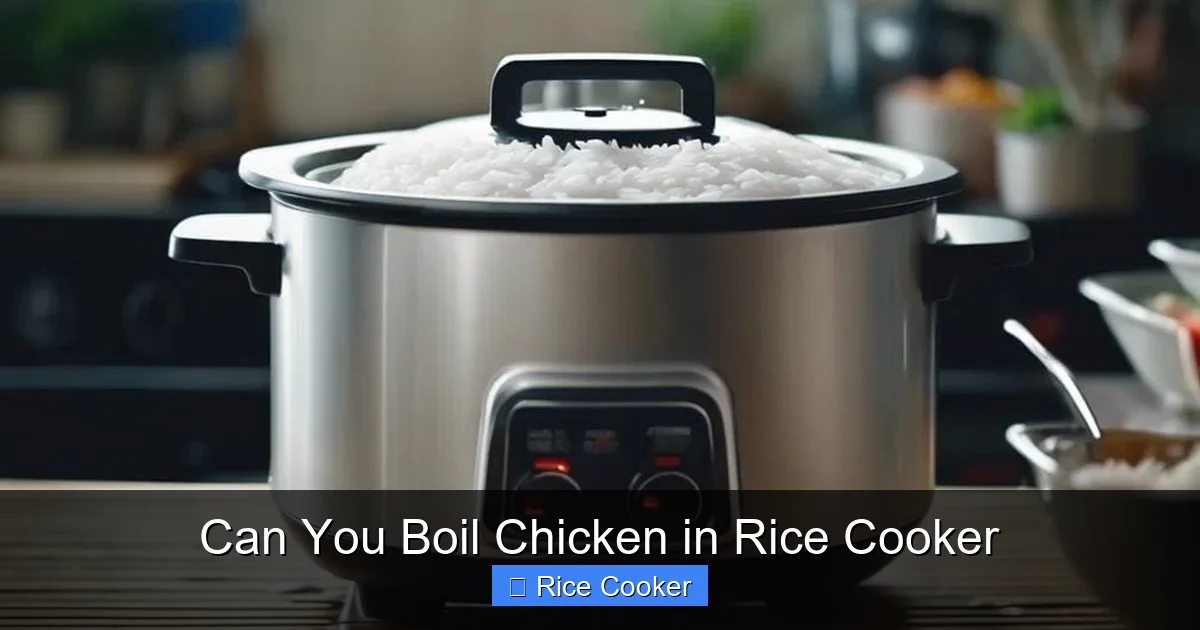
Can you boil chicken in a rice cooker? Absolutely! A rice cooker is not just for rice—it’s a versatile kitchen tool perfect for boiling chicken with minimal effort. With the right technique, you can produce tender, flavorful, and evenly cooked chicken in under an hour, ready for soups, salads, or meal prep.
Key Takeaways
- Rice cookers can boil chicken: Yes, they work well for simmering chicken in water or broth, producing moist and tender meat.
- No extra equipment needed: Use only your rice cooker and basic kitchen tools—no pressure cooker or stove required.
- Saves time and energy: Boiling chicken in a rice cooker is faster than traditional stovetop methods and uses less electricity.
- Perfect for meal prep: Cook large batches of boiled chicken at once, then shred or slice for easy use in recipes.
- Customizable flavors: Add herbs, garlic, or spices directly into the cooking liquid for infused, delicious chicken.
- Safety first: Always ensure chicken reaches 165°F (74°C) internally to avoid foodborne illness.
- Cleanup is simple: Most rice cooker inner pots are non-stick and dishwasher-safe, making post-meal cleanup a breeze.
📑 Table of Contents
- Introduction: The Rice Cooker’s Hidden Superpower
- Why Choose a Rice Cooker for Boiling Chicken?
- Choosing the Right Cut of Chicken
- Step-by-Step Guide: How to Boil Chicken in a Rice Cooker
- Flavor Boosting Tips: Make Your Boiled Chicken Irresistible
- Common Mistakes to Avoid
- Creative Ways to Use Boiled Chicken
- Cleaning Your Rice Cooker After Cooking Chicken
- Comparing Rice Cooker vs. Stovetop Boiling
- Frequently Asked Questions (FAQs)
Introduction: The Rice Cooker’s Hidden Superpower
Have you ever stared into your rice cooker, wondering what else it could do besides turning raw grains into fluffy perfection? Well, let me tell you—this humble kitchen appliance is about to become your new best friend in meal prep. Yes, you read that right: you can absolutely boil chicken in a rice cooker. In fact, it might just be one of its most underappreciated functions.
Cooking chicken on the stovetop requires constant attention—stirring, monitoring heat levels, and risking dry or uneven results. But with a rice cooker, everything happens automatically. You add water, set the timer, and walk away. When it’s done, you’re rewarded with moist, tender chicken that’s ready to shred, slice, or cube for countless meals. Whether you’re making chicken soup, tacos, or a quick salad, having pre-cooked chicken on hand makes life so much easier.
In this complete guide, we’ll walk through every step of boiling chicken in your rice cooker—from choosing the right cut to seasoning and storage. We’ll also share pro tips to maximize flavor, avoid common mistakes, and even suggest creative ways to repurpose leftover boiled chicken. So grab your rice cooker, and let’s get cooking!
Why Choose a Rice Cooker for Boiling Chicken?
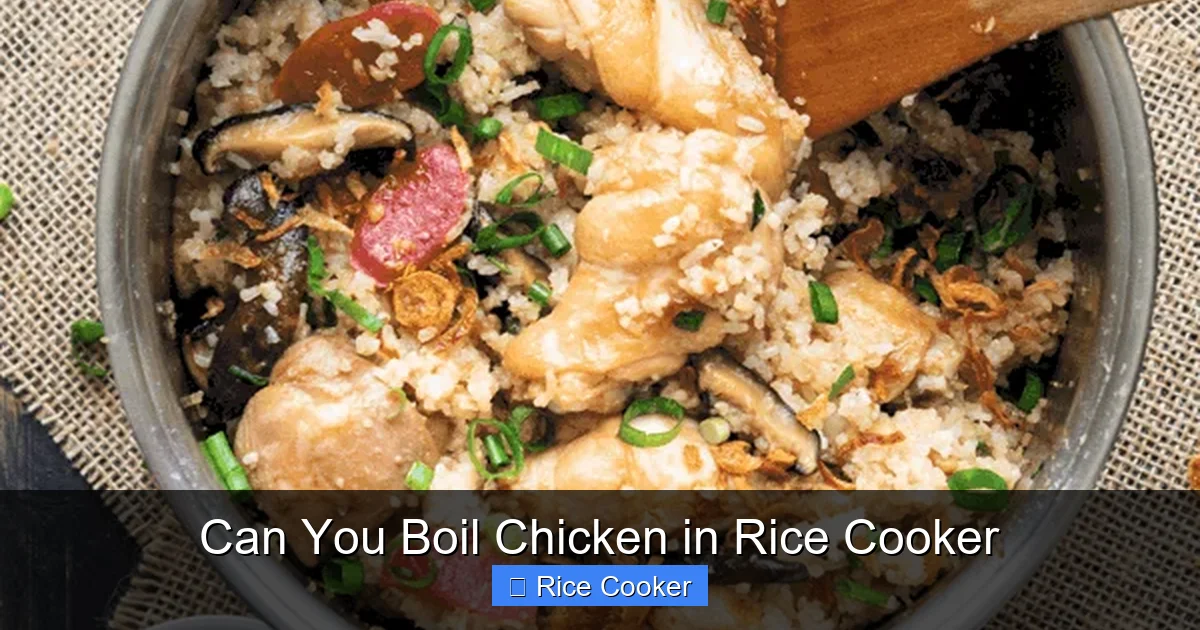
If you’re still skeptical about using a rice cooker for anything beyond oatmeal, let me convince you otherwise. Rice cookers are designed to maintain consistent temperatures—perfect for gentle, even cooking without scorching or overcooking. Unlike boiling on the stove, which can lead to hot spots and uneven results, your rice cooker keeps things calm and steady throughout the entire process.
Visual guide about Can You Boil Chicken in Rice Cooker
Image source: wokandkin.com
Another big advantage? Energy efficiency. A rice cooker uses far less power than a stove burner, especially when you’re cooking larger quantities. Plus, once the chicken is done, the cooker automatically switches to “warm” mode, keeping your meal ready while you finish up other tasks.
The Science Behind It
Most modern rice cookers operate using induction heating or infrared technology, maintaining precise temperature control. For boiling chicken, this means the water stays at a consistent 212°F (100°C), ensuring the chicken cooks through without drying out. The sealed environment also locks in moisture, resulting in juicier meat compared to open-pot boiling.
Choosing the Right Cut of Chicken
Not all chicken cuts are created equal when it comes to boiling. Some work better than others depending on your final use. Here’s what to look for:
Visual guide about Can You Boil Chicken in Rice Cooker
Image source: poultrycaresunday.com
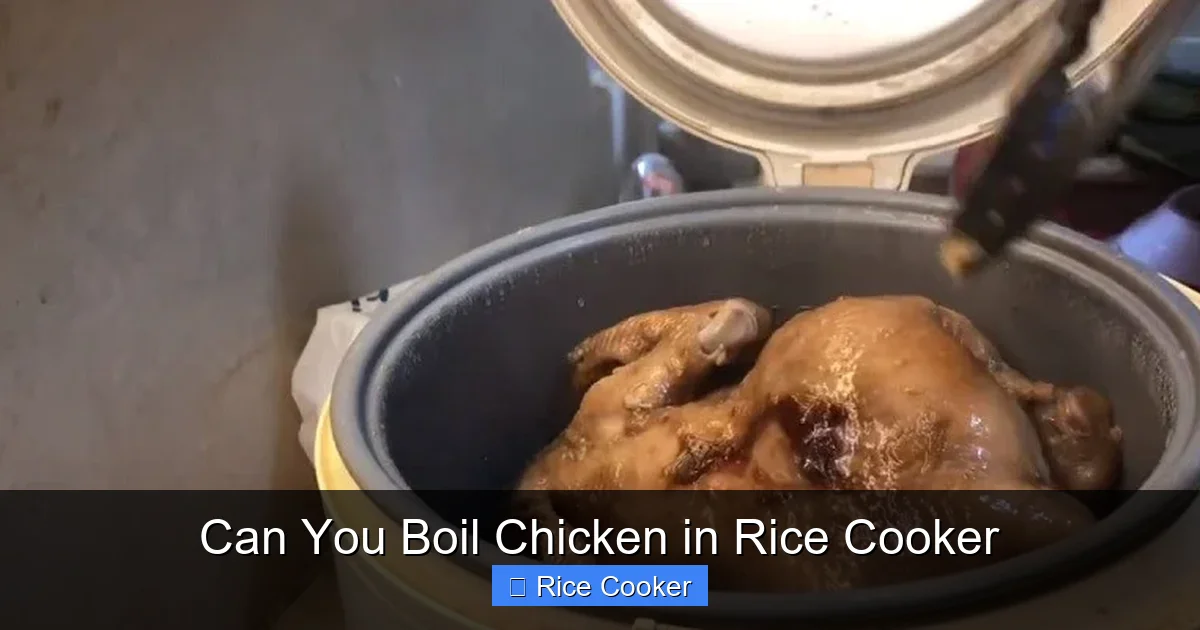
- Whole chicken or chicken pieces: A whole chicken takes longer but yields more versatile results—perfect for soups or broths. Bone-in pieces like thighs, drumsticks, or breasts are ideal for shredding.
- Boneless vs. bone-in: Bone-in cuts retain more flavor and moisture during cooking. Boneless is faster and easier to shred, but watch it closely to avoid overcooking.
- Skin-on or skinless: Skin adds richness and helps keep the meat moist. Remove it after cooking if desired.
Best Cuts for Rice Cooker Boiling
Chicken Thighs: Tender, juicy, and forgiving—great for beginners.
Chicken Drumsticks: Flavorful and affordable, excellent for broths.
Whole Chicken (for stock): Bones and skin help extract collagen, creating rich homemade broth.
Step-by-Step Guide: How to Boil Chicken in a Rice Cooker
Ready to try it? Follow these simple steps for foolproof results every time.
What You’ll Need
- 1–2 pounds of chicken (pieces or whole)
- Your rice cooker and inner pot
- Water or chicken broth (about 4–6 cups)
- Seasonings: salt, pepper, garlic cloves, bay leaves, onion, celery (optional)
- Tongs or slotted spoon
- Meat thermometer (recommended)
Step 1: Prep the Chicken
Start by rinsing the chicken under cold water and patting it dry with paper towels. If using a whole chicken, remove any giblets. Season generously with salt and pepper—this builds flavor from the inside out.
Step 2: Add Liquid and Aromatics
Fill your rice cooker’s inner pot with enough water or broth to fully submerge the chicken—usually 4 to 6 cups, depending on size. Add aromatics like halved onions, crushed garlic, a few celery stalks, and a bay leaf for extra depth. These won’t make it into your final dish but will infuse the meat with amazing flavor.
Step 3: Place Chicken in the Pot
Gently place the chicken into the liquid. Make sure it’s completely covered. If parts stick out, don’t worry—just push them down with a spoon or tongs.
Step 4: Set and Forget
Close the lid, plug in your rice cooker, and select the “Cook” or “White Rice” setting. Most rice cookers take about 30–45 minutes for boneless chicken, and 45–60 minutes for bone-in pieces or whole chicken. Avoid opening the lid during cooking—this releases steam and extends time.
Step 5: Check for Doneness
After the cycle ends, carefully open the lid. Use a meat thermometer to check the internal temperature. It should read 165°F (74°C) at the thickest part of the breast or thigh. If not, return it to the pot and cook in 5-minute increments until safe.
Step 6: Rest and Shred
Remove the chicken with tongs and let it rest for 5–10 minutes. This allows juices to redistribute. Then, use two forks to shred or slice as needed.
Flavor Boosting Tips: Make Your Boiled Chicken Irresistible
Plain boiled chicken can be boring. But with a few smart additions, you can transform it into something special—even if you’re not planning to eat it plain.
Infuse with Herbs and Spices
Add fresh herbs like thyme, rosemary, or parsley to the cooking liquid. A splash of lemon juice or vinegar at the end brightens the flavor. For spicy lovers, toss in a jalapeño or red pepper flakes.
Use Broth Instead of Water
Skip plain water and opt for low-sodium chicken broth. It adds richness and reduces the need for extra salt later.
Miso or Soy Sauce Glaze (Post-Cooking)
For umami-packed flavor, mix a little miso paste or soy sauce with water and brush it over warm chicken before serving.
Garlic Butter Soak
While the chicken rests, melt butter with minced garlic and drizzle it over the meat. It keeps it moist and adds savory goodness.
Common Mistakes to Avoid
Even with the best intentions, things can go wrong. Here’s how to dodge the pitfalls.
Overcrowding the Pot
Don’t cram too much chicken into the rice cooker. It needs space to cook evenly. Stick to one or two pounds at a time.
Skipping the Thermometer
Relying only on time is risky. Undercooked chicken is unsafe; overcooked chicken is dry. Always verify with a thermometer.
Using Cold Water Only
Starting with cold water helps the chicken cook more evenly. Hot water can cause the outside to overcook before the center is done.
Not Letting It Rest
Rushing to shred the chicken immediately leads to dry meat. Patience pays off!
Creative Ways to Use Boiled Chicken
Once you’ve mastered boiling chicken in your rice cooker, the possibilities are endless.
Chicken Soup & Broths
Simmer the cooked chicken with noodles, carrots, and celery for a comforting bowl of soup. Discard bones if making stock.
Salads & Wraps
Shredded chicken pairs beautifully with greens, avocado, corn, and lime vinaigrette. Perfect for meal prep lunches.
Tacos & Burritos
Toss with salsa, cheese, and lettuce for quick taco fillings. Or stuff into tortillas with beans and guacamole.
Grilled Chicken Alternative
Use shredded chicken in casseroles, pasta dishes, or as a protein base for stir-fries.
Freeze for Later
Portion cooked chicken into freezer bags. Label with date and use within 3 months. Thaw overnight before reheating.
Cleaning Your Rice Cooker After Cooking Chicken
One of the best parts about using a rice cooker? Cleanup is super easy.
- Unplug and let the pot cool completely.
- Remove any loose debris with a damp cloth.
- Wash the inner pot in warm, soapy water. Many are dishwasher-safe.
- Wipe the exterior with a dry towel.
Avoid abrasive scrubbers—they can damage non-stick coatings.
Comparing Rice Cooker vs. Stovetop Boiling
Let’s break down the differences so you know when to choose each method.
| Method | Time | Ease of Use | Energy Use | Flavor Control |
|---|---|---|---|---|
| Rice Cooker | 30–60 mins | Very easy (set and forget) | Low | Moderate (limited seasoning options) |
| Stovetop | 45–90 mins | Requires monitoring | Higher | High (full control over liquid and spices) |
For busy weeks, the rice cooker wins. For deep flavor and flexibility, the stovetop is better—but both work!
Frequently Asked Questions (FAQs)
Can I boil frozen chicken in a rice cooker?
Yes, but increase cooking time by 20–30%. Add the frozen chicken directly into cold water, cover, and cook. Check temperature thoroughly at the end to ensure safety.
How long does it take to boil chicken in a rice cooker?
Boneless chicken breasts: 30–40 minutes. Bone-in pieces: 45–60 minutes. Whole chicken: 60–90 minutes. Always verify with a thermometer.
Do I need to add oil when boiling chicken in a rice cooker?
No. Oil isn’t necessary for boiling since the chicken is submerged in liquid. However, adding a tablespoon of oil to the broth can help create a richer flavor base.
Can I reuse the cooking liquid?
Absolutely! Strain the broth and store it in the fridge for up to 3 days or freeze for future soups and stocks. Just discard any leftover chicken bones.
Is boiled chicken in a rice cooker safe?
Yes, as long as the chicken reaches 165°F (74°C) internally. Keep the lid closed during cooking to maintain temperature and prevent contamination.
Can I cook vegetables with the chicken?
Yes! Add carrots, potatoes, or celery halfway through cooking. They’ll absorb flavor and cook perfectly alongside the chicken.
Frequently Asked Questions
Can I boil frozen chicken in a rice cooker?
Yes, but increase cooking time by 20–30%. Add the frozen chicken directly into cold water, cover, and cook. Check temperature thoroughly at the end to ensure safety.
How long does it take to boil chicken in a rice cooker?
Boneless chicken breasts: 30–40 minutes. Bone-in pieces: 45–60 minutes. Whole chicken: 60–90 minutes. Always verify with a thermometer.
Do I need to add oil when boiling chicken in a rice cooker?
No. Oil isn’t necessary for boiling since the chicken is submerged in liquid. However, adding a tablespoon of oil to the broth can help create a richer flavor base.
Can I reuse the cooking liquid?
Absolutely! Strain the broth and store it in the fridge for up to 3 days or freeze for future soups and stocks. Just discard any leftover chicken bones.
Is boiled chicken in a rice cooker safe?
Yes, as long as the chicken reaches 165°F (74°C) internally. Keep the lid closed during cooking to maintain temperature and prevent contamination.
Can I cook vegetables with the chicken?
Yes! Add carrots, potatoes, or celery halfway through cooking. They’ll absorb flavor and cook perfectly alongside the chicken.