
Boiling potatoes in a rice cooker is not only possible—it’s easier than you think! With just water and a few minutes, you can achieve tender, evenly cooked potatoes using this kitchen workhorse. This method saves time, reduces cleanup, and works great for meal prep.
Key Takeaways
- Yes, you can boil potatoes in a rice cooker: It’s a simple process that yields soft, ready-to-use potatoes with minimal effort.
- Time varies by size and variety: Small new potatoes may take 10–15 minutes, while larger ones might need 20–30 minutes.
- No need for extra oil or seasoning: Since you’re boiling, keep it simple with just water and salt if desired.
- Ideal for meal prep and side dishes: Boiled potatoes are perfect for salads, soups, or mashing later.
- Clean-up is easy: Just rinse and store—no pots to scrub!
- Works with most rice cookers: Standard models with a “cook” or “boil” function are sufficient.
- Try different potato types: Russets, Yukon Golds, and red potatoes all work well.
📑 Table of Contents
- Can You Boil Potatoes in a Rice Cooker?
- Why Use a Rice Cooker for Boiling Potatoes?
- What Types of Potatoes Work Best?
- Step-by-Step Guide: How to Boil Potatoes in a Rice Cooker
- How Long Does It Take to Boil Potatoes in a Rice Cooker?
- Creative Ways to Use Boiled Potatoes from Your Rice Cooker
- Common Mistakes to Avoid
- Can You Cook Other Vegetables Alongside Potatoes?
- Maintenance Tips for Your Rice Cooker
- Final Thoughts: Is Boiling Potatoes in a Rice Cooker Worth It?
Can You Boil Potatoes in a Rice Cooker?
Imagine this: it’s a busy weekday evening, dinner is on the menu, and you realize you forgot to boil potatoes. Your usual pot of water is already steaming with pasta. But wait—what if you could skip the stove entirely? Enter the humble rice cooker, a kitchen appliance many consider nothing more than a one-trick pony. Yet, when used creatively, it becomes a multitool capable of doing far more than just cooking rice.
Yes, you can boil potatoes in a rice cooker. In fact, it’s one of the simplest and most efficient methods available. Whether you’re making mashed potatoes, potato salad, or just need soft potatoes for a soup base, the rice cooker delivers consistent results with little supervision. No stirring, no watching the clock—just set it and forget it (almost).
This guide walks you through everything you need to know about boiling potatoes in a rice cooker. From preparation to timing, storage, and even creative uses, we’ll cover it all. By the end, you’ll be convinced that your rice cooker isn’t just for grains—it’s a versatile kitchen ally.
Why Use a Rice Cooker for Boiling Potatoes?
You might wonder: why go through the trouble of using a rice cooker when you can just boil them on the stove? The answer lies in convenience, consistency, and efficiency. Let’s break down the benefits.
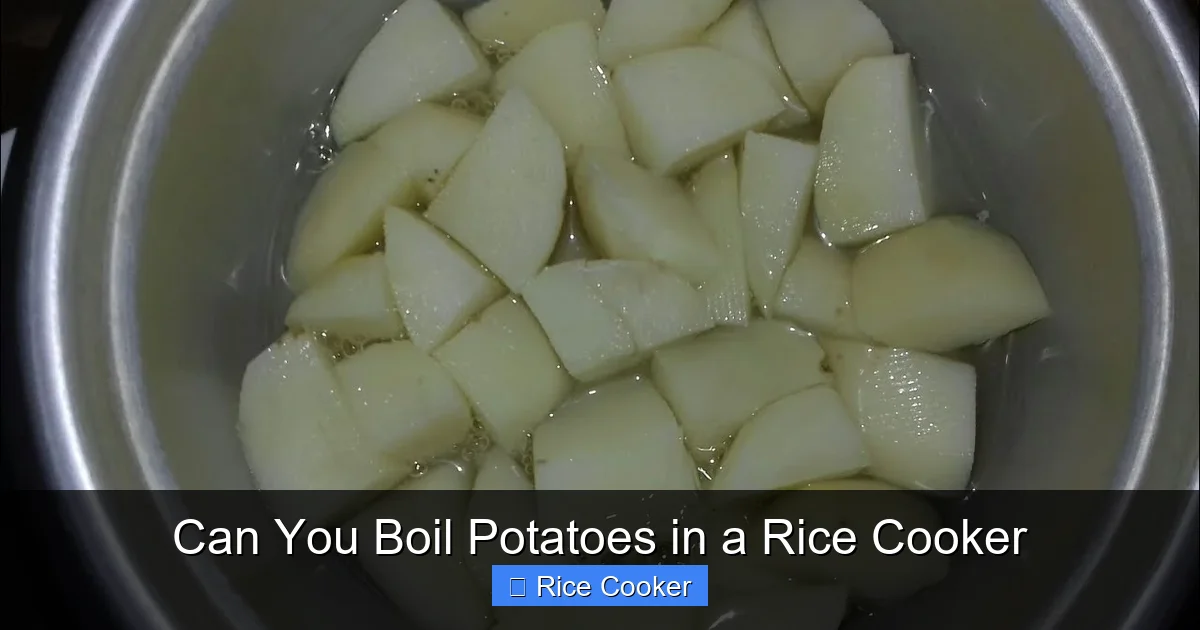
Visual guide about Can You Boil Potatoes in a Rice Cooker
Image source: i.ytimg.com
Convenience at Its Best
Rice cookers are designed to automate the cooking process. Once you add ingredients and water, the machine does the rest. This means you can chop onions, sauté garlic, or prep other parts of your meal while the potatoes cook in the background. No constant attention required. For busy families or solo cooks, this hands-off approach is a game-changer.
Even Heat Distribution
Rice cookers use a heating plate and internal circulation to maintain steady temperatures. Unlike stovetop boiling—which can cause hot spots and uneven cooking—the rice cooker gently heats the water, ensuring every potato gets cooked uniformly. This leads to fewer mushy bites and more perfectly tender spuds.
Energy Efficiency
Cooking on a stovetop uses gas or electricity directly over an open flame or burner. A rice cooker, by contrast, uses less energy once it reaches the cooking phase. After the initial heat-up, it cycles on and off to maintain temperature, making it more efficient for shorter cooking tasks like boiling potatoes.
Less Mess, Less Cleanup
No big pot to fill, no splatters on the stove, and no scrubbing afterward. The rice cooker’s non-stick inner pot makes draining and rinsing easy. Simply lift the lid, drain the water, and rinse the potatoes under cold water. Done.
Perfect for Meal Prep
If you’re prepping ahead of time, boiling potatoes in a rice cooker is ideal. Cook a batch, let them cool, and store them in the fridge for up to five days. They’re ready to mash, dice, or roast whenever needed.
What Types of Potatoes Work Best?
Not all potatoes are created equal—and some are better suited for boiling in a rice cooker than others. Here’s what to look for.
Visual guide about Can You Boil Potatoes in a Rice Cooker
Image source: i.ytimg.com
Starchy Potatoes: The Star Players
Russet and Idaho potatoes are high in starch and low in moisture, making them ideal for boiling. When cooked, they become fluffy and light—perfect for mashing or adding to soups. Their dense structure holds up well during the cooking process without falling apart.
Waxy Potatoes: Great for Salads
Yukon Gold, Red Bliss, and Fingerling potatoes have more moisture and natural sugars. They stay firm when boiled, making them excellent for potato salads or roasting later. Because they resist breaking down, they’re less likely to turn into mush in the rice cooker.
New Potatoes: Quick and Delicious
Small, tender new potatoes require minimal cooking time—usually 10–15 minutes. Their thin skins mean they absorb flavors quickly and cook evenly. Try them boiled with herbs for a simple side dish.
Avoid These Varieties
While technically possible, some potato types aren’t ideal. Sweet potatoes, for example, have a denser texture and may take longer to soften. Also, avoid overly large or irregularly shaped potatoes unless you cut them into uniform pieces.
Step-by-Step Guide: How to Boil Potatoes in a Rice Cooker
Ready to try it? Follow these simple steps for foolproof results every time.
Step 1: Choose and Prepare Your Potatoes
Start with 2–3 medium-sized potatoes per person. Peel if desired—though leaving the skin on adds fiber and nutrients. Cut larger potatoes into even chunks (about 1-inch cubes) so they cook uniformly. Smaller potatoes can be cooked whole.
Step 2: Add Water
Fill your rice cooker with enough water to fully submerge the potatoes—usually about 1–2 inches above them. Too little water risks burning; too much extends cooking time unnecessarily.
Step 3: Season (Optional)
Add a pinch of salt for flavor. Some people also toss in bay leaves or peppercorns for subtle aroma. Avoid oil—since you’re boiling, fat isn’t needed.
Step 4: Start Cooking
Close the lid and press the “Cook” or “Boil” button. If your model doesn’t have a specific setting, use the standard “White Rice” cycle. Most rice cookers automatically switch to “Keep Warm” once done—but don’t worry; the potatoes will still be soft.
Step 5: Test for Doneness
After 15–20 minutes, test a piece with a fork. It should pierce easily but still hold its shape slightly. Overcooked potatoes become gluey; undercooked ones feel firm.
Step 6: Drain and Rinse
Pour out the hot water using the built-in drain valve or carefully tilt the pot. Rinse the potatoes under cold running water to stop the cooking process and remove excess starch.
Step 7: Serve or Store
Use immediately for mashing, salads, or soups. Or let them cool completely before refrigerating for up to five days. Reheat gently in the microwave or oven when needed.
How Long Does It Take to Boil Potatoes in a Rice Cooker?
Cooking time depends on several factors: potato size, variety, and whether they’re peeled or unpeeled. Here’s a general timeline.
Small Potatoes (New or Halved)
10–15 minutes. These cook quickly due to their compact size and thin skin.
Medium Chunks (1-Inch Cubes)
15–20 minutes. Ideal for most home cooking needs.
Larger Pieces or Whole Unpeeled Potatoes
20–30 minutes. Larger cuts take longer to soften through.
Tip: Use a Timer
Even though rice cookers automate the process, it’s wise to set a timer. This prevents overcooking, especially if your model doesn’t have a “Keep Warm” indicator.
Adjust for Altitude
At higher elevations, water boils at lower temperatures, which can extend cooking time. Increase by 5–10 minutes if needed.
Creative Ways to Use Boiled Potatoes from Your Rice Cooker
Boiled potatoes aren’t just for basic sides. Get creative with these delicious ideas.
Mashed Potatoes
The ultimate comfort food. Mash boiled potatoes with butter, milk, salt, and pepper. For fluffier results, drain well and beat with a hand mixer. Add cheese or chives for extra flavor.
Potato Salad
Dice cooled potatoes and mix with celery, hard-boiled eggs, mustard, and Greek yogurt. Toss with fresh dill or parsley. Serve chilled or at room temperature.
Soup Base
Boiled potatoes make creamy, hearty bases for broccoli cheddar soup or French onion stew. Blend until smooth or leave chunky for texture.
Roasted Potatoes (Pre-Boil Method)
Par-boil potatoes first, then toss with olive oil, rosemary, and garlic before roasting at 425°F (220°C) for 25–30 minutes. This ensures crispy outsides and tender insides.
Latkes and Hash Browns
Grate cooled boiled potatoes, squeeze out excess moisture, and fry until golden. Perfect for Hanukkah or weekend breakfasts.
Veggie-Packed Bakes
Mix mashed potatoes with spinach, feta, and sun-dried tomatoes. Bake until bubbly and browned on top. A healthy twist on traditional mash.
Common Mistakes to Avoid
Even with a foolproof method, mistakes happen. Here’s how to avoid them.
Using Too Much Water
Excess water slows cooking and dilutes flavor. Stick to just enough to cover the potatoes.
Cutting Uneven Pieces
Small bits cook faster than large chunks. Aim for uniformity to prevent some being mushy while others remain hard.
Skipping the Rinse
Failing to rinse after boiling leaves behind excess starch, which can make mashed potatoes gummy. Cold water stops cooking instantly.
Overcrowding the Cooker
Too many potatoes reduce water circulation, leading to uneven cooking. Cook in batches if necessary.
Ignoring the Keep Warm Cycle
If you leave potatoes sitting on “Keep Warm” too long, they’ll continue cooking and may dry out. Remove them promptly once done.
Can You Cook Other Vegetables Alongside Potatoes?
Absolutely! A rice cooker is great for multi-ingredient meals. Carrots, green beans, and cauliflower florets cook well alongside potatoes. Just adjust timing—some veggies need less time than others.
Pro Tip: Layer Smartly
Place denser vegetables like carrots at the bottom near the heat source, and delicate greens on top. Stir halfway through if your model allows access.
Herbs and Spices
Add thyme, rosemary, or black pepper during cooking for infused flavor. Bay leaves also enhance taste without overpowering.
Maintenance Tips for Your Rice Cooker
To keep your rice cooker working well for years, follow these care instructions.
Clean the Inner Pot Promptly
Starchy residue from potatoes can harden if left in the pot. Wash with warm, soapy water immediately after use.
Avoid Metal Utensils
Scrubbing with steel wool or metal spatulas damages the non-stick coating. Use silicone or wooden tools instead.
Check the Heating Plate
Ensure the bottom plate is clean and free of food debris. Buildup affects heat transfer and can shorten the appliance’s life.
Store Properly
Keep the lid on and place in a dry area. Avoid stacking heavy items on top of the unit.
Final Thoughts: Is Boiling Potatoes in a Rice Cooker Worth It?
In short—yes. Boiling potatoes in a rice cooker is a smart, efficient technique that fits seamlessly into modern kitchens. It saves time, reduces mess, and produces consistently good results. Whether you’re meal prepping for the week, cooking for a crowd, or just want an easier way to make dinner, this method deserves a spot in your routine.
Your rice cooker was made for more than just rice. With a little creativity, it can handle boiling, steaming, even reheating. And now, you know exactly how to boil potatoes in it—without lifting a finger for most of the process.
So next time you reach for the pot, pause. Open your rice cooker instead. You might just discover your new favorite kitchen hack.
Frequently Asked Questions
Can I boil potatoes in a rice cooker without peeling them?
Yes, you can boil potatoes with the skin on. Just scrub them well before cooking. The skin adds nutrients and helps retain moisture. After boiling, peel them if desired—they’ll slide off easily once cooled.
Do I need to add oil or butter when boiling potatoes in a rice cooker?
No, oil or butter aren’t necessary when boiling. Since the potatoes are submerged in water, adding fat isn’t needed. However, you can add a small amount of butter or oil after draining for flavor—especially for mashed potatoes.
Will my rice cooker overheat if I boil potatoes in it?
Most modern rice cookers are designed to handle boiling tasks safely. They regulate temperature automatically and shut off when done. As long as you follow basic guidelines (like not overcrowding), there’s no risk of overheating.
Can I boil frozen potatoes in a rice cooker?
It’s not recommended. Frozen potatoes can release too much moisture and may not cook evenly. Thaw them completely first, or opt for fresh potatoes for best results.
How do I know when the potatoes are done?
Test with a fork or knife. If it slides in easily and the potato feels soft but still holds its shape, it’s ready. Avoid poking too many times—each test introduces air, which can make the inside gummy.
Can I reuse the water the potatoes were boiled in?
Yes, but only once and for mild recipes. The water retains some nutrients and flavor. Use it for soups, stocks, or boiling pasta—not for drinking. Discard after one use to avoid bacterial growth.