
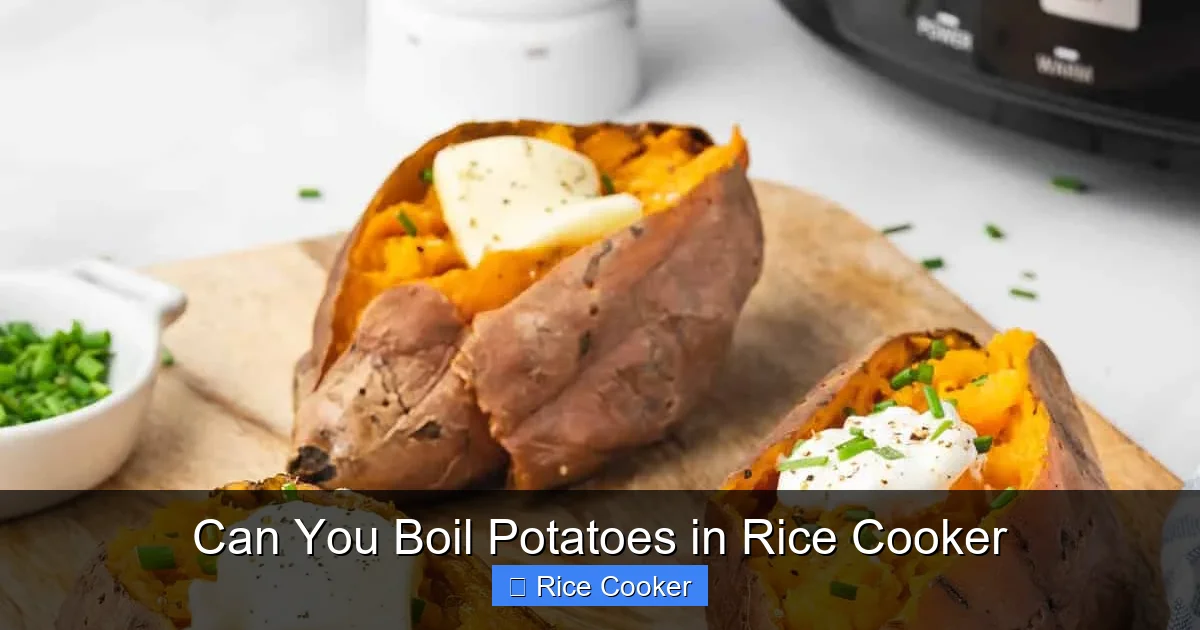
Boiling potatoes in a rice cooker is not only possible—it’s simple and efficient. With the right technique, your potatoes come out soft, evenly cooked, and ready for mashing or roasting. Whether you’re meal prepping or just want to save on stovetop space, this method delivers consistent results every time.
Key Takeaways
- Yes, you can boil potatoes in a rice cooker. It’s an easy, hands-off way to cook them without constant monitoring.
- The rice cooker uses steam and heat to cook potatoes thoroughly. This method works well for small to medium batches.
- Potatoes cook faster in a rice cooker than on the stovetop. Expect cooking times of 25–40 minutes depending on size.
- Peeling is optional but recommended for smoother textures. Leave skins on for extra nutrients and rustic dishes.
- You can add flavor with broth, herbs, or spices during cooking. This enhances taste without needing extra steps.
- Cooling the potatoes before peeling makes cleanup easier. Let them sit for 5–10 minutes after cooking.
- A rice cooker is great for batch cooking or meal prep. Cook large quantities and store them for later use.
📑 Table of Contents
- Can You Boil Potatoes in a Rice Cooker? Absolutely!
- Why Use a Rice Cooker for Boiling Potatoes?
- Choosing the Right Potatoes
- Step-by-Step Guide: How to Boil Potatoes in a Rice Cooker
- Flavoring Your Boiled Potatoes
- Meal Prep & Storage Options
- Troubleshooting Common Issues
- Alternatives & Variations
- Conclusion
Can You Boil Potatoes in a Rice Cooker? Absolutely!
Imagine coming home after a long day, craving a warm, comforting side dish, but you don’t feel like standing over a hot stove for an hour. Or maybe you’re meal prepping and need to cook a bunch of potatoes quickly without using up all your pots and pans. That’s where the humble rice cooker comes in—not just for rice, but also for boiling potatoes. Yes, you read that right: you can actually boil potatoes in a rice cooker, and it works surprisingly well. In fact, many home cooks have discovered this clever trick as a convenient alternative to traditional methods.
This article dives deep into everything you need to know about boiling potatoes in a rice cooker. From understanding how the process works to choosing the right potatoes, adding flavor, and troubleshooting common issues—we’ve got you covered. Whether you’re a beginner cook or a seasoned chef looking to expand your kitchen skills, this guide will show you why the rice cooker isn’t just for grains anymore. Let’s get started!
Why Use a Rice Cooker for Boiling Potatoes?
At first glance, it might seem odd to use a rice cooker for something other than rice. After all, these appliances are designed with specific functions in mind. But modern rice cookers—especially newer models—are equipped with advanced heating systems and programmable settings that make them versatile kitchen tools. One of their greatest strengths is the ability to maintain consistent internal temperature, which is perfect for cooking starchy foods like potatoes.
Visual guide about Can You Boil Potatoes in Rice Cooker
Image source: nomnompaleo.com
The Science Behind It
When you boil potatoes traditionally, you rely on direct heat from a pot of water on the stove. The water boils at 100°C (212°F), transferring heat to the potato through conduction. But in a rice cooker, the process is slightly different. Instead of submerging the potatoes completely in water, they’re typically placed in the inner pot with enough liquid to create steam. As the liquid heats up, steam builds inside the sealed environment, gently cooking the potatoes from the inside out.
This method is known as steaming with moist heat, and it’s actually gentler than boiling. Because there’s no vigorous bubbling or rapid movement, the starches in the potato absorb moisture evenly, resulting in a creamy interior without any mushiness. Plus, since the rice cooker is self-regulating, you don’t have to worry about overcooking—just set it and forget it.
Convenience and Energy Efficiency
One of the biggest advantages of using a rice cooker is convenience. Once you add your ingredients and close the lid, the machine does the rest. There’s no need to stand by the stove, stir occasionally, or keep checking for doneness. This is especially helpful when you’re cooking multiple items or preparing meals for a crowd.
Additionally, rice cookers consume less energy than stovetops. According to energy efficiency studies, electric appliances like rice cookers use about 60% less power than gas or induction burners during extended cooking sessions. So if you’re trying to reduce your carbon footprint or lower utility bills, this method checks both boxes.
Choosing the Right Potatoes
Not all potatoes are created equal, and selecting the best type makes a big difference in texture and outcome. For boiling in a rice cooker, you’ll want varieties that hold their shape well and absorb flavors nicely. Here are some top picks:
Visual guide about Can You Boil Potatoes in Rice Cooker
Image source: recipes.net
- Russet potatoes: Ideal for mashing due to their high starch content, but they can get too fluffy if overcooked. Use them for soups or salads instead.
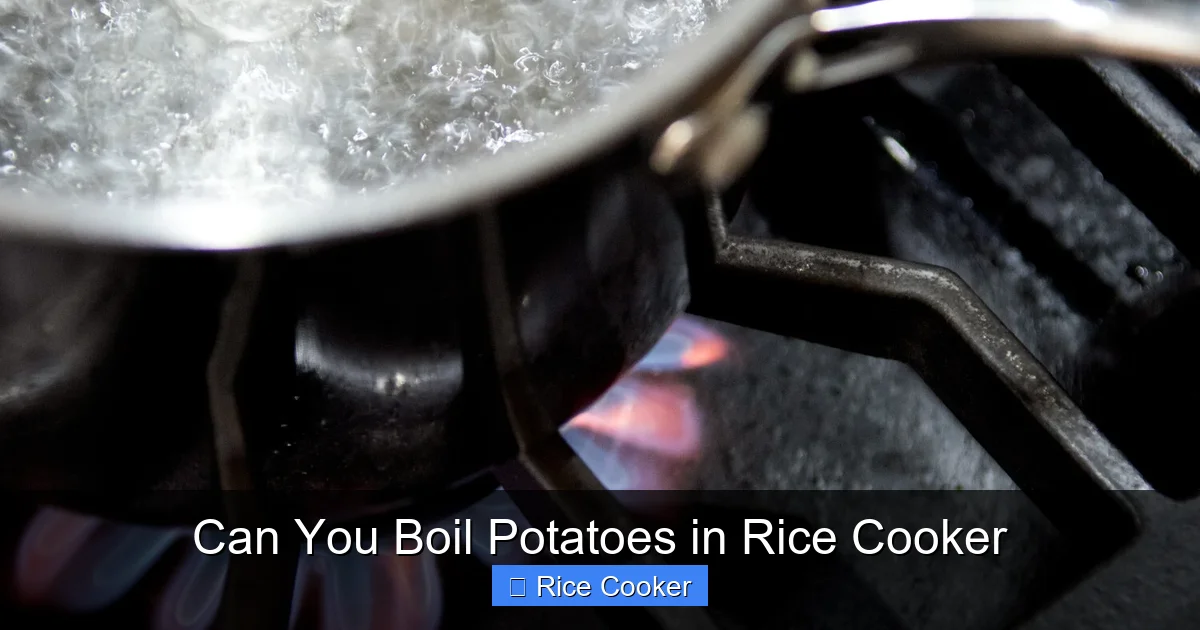
- Yukon Gold: A favorite among chefs—these potatoes have a buttery texture and natural sweetness. They’re perfect for creamy mashed potatoes or roasted dishes.
- Red Bliss or Red Pontiac: Great for salads or scalloped potatoes; they resist breaking down even after prolonged cooking.
- White potatoes: Similar to Yukon Golds but milder in flavor. Good for everyday cooking.
For beginners, we recommend starting with Yukon Golds because they offer reliable results across different recipes. Avoid waxy potatoes like fingerlings unless you’re making potato salad, as they tend to fall apart when boiled.
Preparing Your Potatoes
Before tossing your potatoes into the rice cooker, take a few minutes to prepare them properly. Start by washing them under cold running water to remove dirt and debris. You can peel them if desired—many people prefer peeled potatoes for smoother textures—but leaving the skin on adds fiber and nutrients. Just scrub gently with a vegetable brush if needed.
Cut the potatoes into uniform pieces so they cook evenly. Aim for chunks about 1–1.5 inches thick. Avoid slicing them too thin, or they may become mushy. If you’re making mashed potatoes later, quarter larger potatoes into eighths or sixteenths. For roasting or salads, cut into bite-sized cubes.
Step-by-Step Guide: How to Boil Potatoes in a Rice Cooker
Now that you’ve chosen your potatoes and prepped them, let’s walk through the actual cooking process. It’s simpler than you think!
What You’ll Need
- Clean rice cooker with removable inner pot
- Fresh potatoes (as described above)
- Water or broth (enough to cover the bottom of the pot)
- Optional: salt, garlic cloves, onion slices, bay leaves
- Measuring cup
Instructions
- Add Liquid First: Pour about 1–2 inches of water or broth into the inner pot. If using broth, it adds extra flavor—great for soups or casseroles later.
- Add Potatoes: Place the prepared potato pieces into the pot. Make sure they’re mostly submerged but not overcrowded. Stack gently to allow steam circulation.
- Add Seasonings (Optional): Toss in a pinch of salt, a crushed garlic clove, or an onion slice for extra depth. Bay leaves work wonders too!
- Close the Lid: Securely fasten the lid and plug in the rice cooker.
- Select “Steam” or “Cook” Mode: Most rice cookers have a “Steam” function ideal for vegetables. If not, use the regular “Cook” setting. Set the timer if your model allows it.
- Cook for 25–40 Minutes: Smaller cubes will finish faster (~25 min); larger chunks may need up to 40 minutes. Check for tenderness by inserting a fork—it should slide in easily.
- Let Them Rest: Once done, turn off the cooker and let the potatoes sit for 5–10 minutes. This helps them firm up slightly and makes peeling easier.
- Drain and Serve: Carefully remove the potatoes using a slotted spoon and drain excess liquid. Now they’re ready for mashing, frying, or tossing into salads!
Pro Tips
- Use a Rack or Basket: If your rice cooker has one, place potatoes on a steaming rack instead of directly in water. This reduces sogginess.
- Don’t Overfill: Never fill the pot beyond two-thirds full, or the lid won’t seal properly.
- Check Early: Start testing potatoes around the 25-minute mark to avoid overcooking.
Flavoring Your Boiled Potatoes
Plain boiled potatoes are delicious, but they’re even better when infused with subtle flavors. Since the rice cooker traps steam, aromatic ingredients can permeate the entire batch. Here are some tasty ideas:
- Herbs & Spices: Add fresh thyme, rosemary, or sage along with whole peppercorns. These infuse a fragrant aroma without overwhelming the dish.
- Broth Instead of Water: Chicken, beef, or vegetable broth adds richness and complexity—perfect for soups or stews.
- Butter & Cream: Stir in a pat of butter and a splash of heavy cream after draining for silky mashed potatoes.
- Lemon Zest & Dill: Brighten things up with citrus and fresh dill—ideal for Greek-inspired sides.
Remember, you can always adjust seasoning after cooking. Taste a piece first, then salt or spice to your preference. Too much salt early on can make the potatoes tough, so save some adjustments for later.
Meal Prep & Storage Options
One of the best reasons to boil potatoes in a rice cooker is how well they lend themselves to meal prep. Cook a big batch on Sunday, then repurpose them throughout the week. Here’s how:
- Mashed Potatoes: Mash with butter, milk, and chives. Store in airtight containers for up to 5 days in the fridge.
- Roasted Potatoes: Toss cooled cubes with olive oil, paprika, and rosemary. Roast at 425°F (220°C) for 20–25 minutes until golden.
- Potato Salad: Mix with mayo, mustard, celery, and hard-boiled eggs. Chill overnight for best flavor.
- Soup Base: Blend cooked potatoes with broth and onions for instant purée soup.
If you plan to freeze them, cool completely first, then portion into freezer bags. Label with dates and use within 3 months. Reheat gently in the microwave or oven to preserve texture.
Troubleshooting Common Issues
Even experienced cooks run into hiccups sometimes. Don’t worry—most problems have simple fixes:
- Potatoes Are Undercooked: Increase cooking time by 5–10 minutes next time. Cut smaller pieces for faster heat transfer.
- Texture Is Too Wet: Ensure proper drainage and avoid overcrowding. Using a rack helps too.
- Smell Lingering in Cooker: Clean the inner pot thoroughly after each use. Vinegar and baking soda work wonders for stubborn odors.
- Cracked Pot: Some rice cookers have non-stick coatings that can chip if metal utensils are used. Always use wooden or silicone tools.
Alternatives & Variations
While boiling is the most straightforward method, you can adapt this technique for other dishes:
- Sweet Potatoes: Follow the same steps, but expect longer cooking times (up to 50 minutes). They caramelize beautifully when roasted afterward.
- Green Beans or Carrots: Add them to the pot halfway through cooking for a one-pot vegetable meal.
- Hard-Boiled Eggs: Place eggs in the pot with potatoes—they cook simultaneously!
Experimentation is key! Try different combinations and see what works best for your taste buds.
Conclusion
So, can you boil potatoes in a rice cooker? The answer is a resounding yes—and now you know exactly how to do it like a pro. This unassuming kitchen appliance proves its worth beyond just making fluffy white rice. By leveraging steam and controlled heat, you can achieve perfectly tender potatoes with minimal effort and maximum flavor.
Whether you’re whipping up mashed potatoes for dinner, prepping ingredients for the week, or simply exploring new ways to use everyday gadgets, the rice cooker offers a world of possibilities. Give it a try tonight—you might just discover your new favorite kitchen hack.
Frequently Asked Questions
How long does it take to boil potatoes in a rice cooker?
It usually takes 25–40 minutes, depending on the size and type of potato. Smaller cubes cook faster than large chunks. Always check for tenderness with a fork before removing.
Do I need to peel the potatoes before boiling them in a rice cooker?
No, peeling is optional. Leaving the skin on adds nutrients and works well for rustic dishes. If you prefer peeled potatoes, go ahead—just make sure to scrub them clean first.
Can I use a rice cooker to boil sweet potatoes?
Absolutely! Sweet potatoes require slightly longer cooking times—about 45–50 minutes—but the method is identical. They turn out naturally sweeter and firmer.
Is it safe to leave the rice cooker unattended while boiling potatoes?
Yes, rice cookers are designed for hands-off cooking. Just ensure the lid is securely closed and the power cord isn’t damaged. Never open the lid during cooking unless necessary.
Can I cook other vegetables alongside potatoes in the rice cooker?
Yes! Add carrots, green beans, or broccoli about halfway through cooking. Adjust timing based on vegetable density. Just avoid overcrowding the pot.
What if my rice cooker doesn’t have a “steam” setting?
Use the regular “cook” or “white rice” setting instead. The principle remains the same—moist heat will cook the potatoes effectively. Just monitor closer to avoid drying out.