
Can you cook an egg in a rice cooker? Absolutely! This clever kitchen trick lets you prepare soft-boiled, scrambled, or even poached eggs with minimal effort. Using the rice cooker’s steam function, you can cook eggs gently and evenly without needing a stove. Whether you’re meal prepping, making breakfast on the go, or experimenting with new dishes, this method is fast, reliable, and surprisingly effective. Plus, it’s perfect for dorm rooms, small kitchens, or anyone who loves multi-functional appliances. With just water, a little timing, and the right setup, your rice cooker becomes an egg-cooking powerhouse.
Key Takeaways
- Yes, you can cook eggs in a rice cooker using its steaming or warming functions—no stove needed.
- Soft-boiled eggs are the easiest and require only 8–10 minutes of cooking time.
- Scrambled or sunny-side-up eggs can be made by adding oil and cracking eggs directly into the inner pot.
- Poached eggs are possible using a small ramekin or silicone mold to hold the egg while it steams.
- Timing and water levels matter—too much water can dilute flavor; too little risks burning.
- Clean-up is simple since the rice cooker handles most of the work and contains mess.
- This method saves energy and space, ideal for small kitchens or college students.
Cooking eggs in a rice cooker might sound like a kitchen hack, but it’s actually one of the most practical and efficient ways to prepare protein-packed meals—especially when you’re short on time or equipment. Whether you’re boiling, scrambling, or poaching eggs, your rice cooker can do it all. This guide walks you through every method, from beginner-friendly soft-boiled eggs to more advanced techniques like steaming whole eggs or making fluffy omelets. You’ll learn how to avoid common mistakes, choose the right settings, and even use accessories to elevate your results. By the end, you’ll see your rice cooker not just as a grain-cooker, but as a full-fledged breakfast station.
Why would anyone want to cook eggs in a rice cooker? First, it’s incredibly convenient. If you live in a dorm, studio apartment, or tiny kitchen without a stove, this method fills a real gap. Second, rice cookers maintain consistent temperatures, which means your eggs cook evenly—no hot spots or overcooked whites. Third, they’re energy-efficient and produce zero smoke, making them perfect for early-morning routines when you want something hot without waking up the rest of the house. And let’s be honest: who doesn’t love waking up to a perfectly cooked egg?
Before we dive into the methods, let’s talk about why this works so well. Rice cookers operate on precise temperature control—typically between 185°F and 212°F (85°C to 100°C), depending on the model. This mimics gentle simmering or steaming, both of which are ideal for eggs. The steam builds pressure and moisture, cooking the egg white and yolk without direct heat contact. That’s why soft-boiled eggs come out creamy and runny, while scrambled eggs stay tender and moist. It’s science, but also magic.
Key Takeaways
- Understanding can you cook an egg in rice cooker: Provides essential knowledge
📑 Table of Contents
- How to Cook Soft-Boiled Eggs in a Rice Cooker
- Cooking Scrambled or Sunny-Side-Up Eggs
- Making Poached Eggs in a Rice Cooker
- Steaming Whole Hard-Boiled Eggs
- Creative Egg Recipes Using Your Rice Cooker
- Choosing the Right Rice Cooker for Egg Cooking
- Cleaning and Maintenance Tips
- Safety Considerations
- Final Thoughts
How to Cook Soft-Boiled Eggs in a Rice Cooker
Soft-boiled eggs are the gold standard for rice cooker egg cooking. They’re creamy inside, firm outside, and perfect with toast or ramen. Here’s how to do it:
Start by filling your rice cooker’s inner pot with about 1 inch (2.5 cm) of water. Too much water can cool the pot too quickly, leading to uneven cooking. Place the pot inside the rice cooker and turn it on. Let it come to a boil—this usually takes 5–7 minutes. Once boiling, reduce heat to low or switch to the “warm” setting if your model has one.
Next, crack 1–4 eggs directly into the water. Use fresh eggs for best results—older eggs can crack more easily. Let them cook for 8–10 minutes. For firmer yolks, go closer to 10 minutes; for runnier yolks, try 8 minutes. After cooking, transfer the eggs to an ice bath to stop the cooking process. This makes peeling easier and prevents overcooking.
One pro tip: add a splash of vinegar to the water. It helps the egg whites coagulate faster and makes cleanup simpler. Also, don’t overcrowd the pot—too many eggs at once will lower the temperature and extend cooking time.
Why Soft-Boiled Eggs Work Best
Soft-boiled eggs are ideal because they don’t require oil or special pans. They rely entirely on steam, which distributes heat evenly. The gentle, indirect heat prevents the yolk from turning green (a sign of overcooking) and keeps the texture silky. Plus, they’re ready in under 15 minutes total—faster than boiling on the stove.
Cooking Scrambled or Sunny-Side-Up Eggs
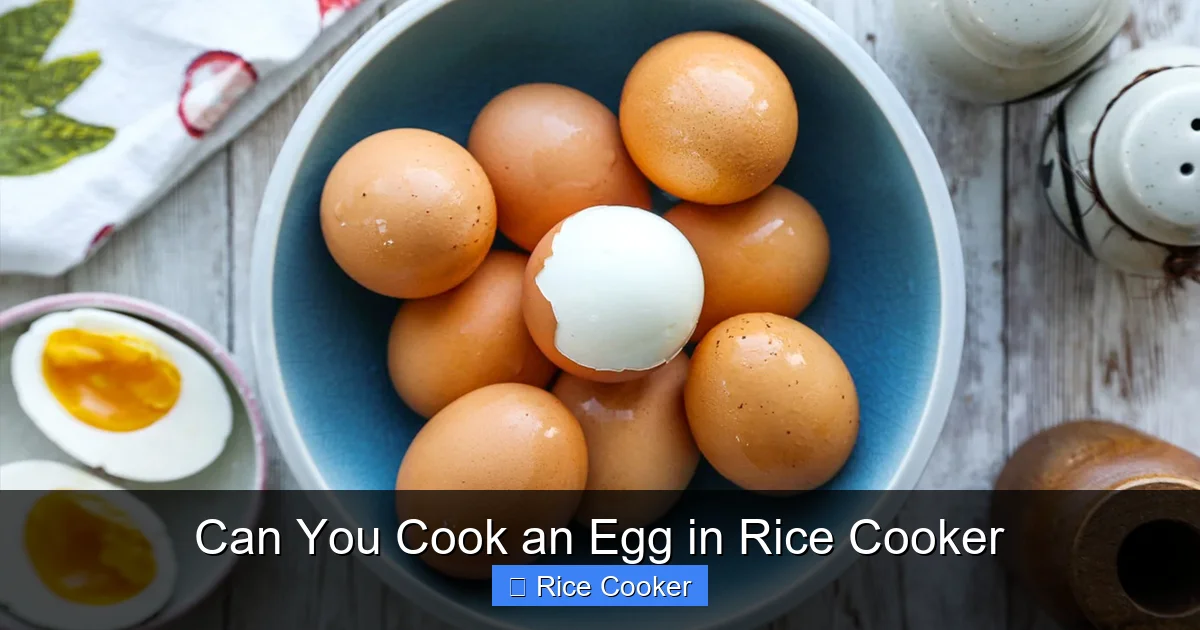
Visual guide about Can You Cook an Egg in Rice Cooker
Image source: recipes.net
Want fluffy scrambled eggs or a golden sunny-side-up egg? You can cook them directly in the rice cooker’s inner pot. This method is great for quick breakfasts or meal prep.
First, lightly grease the bottom of the inner pot with butter, oil, or non-stick spray. Heat the rice cooker on “cook” mode for 2–3 minutes until warm. Then, crack your eggs into a bowl, whisk them (for scrambled eggs), and pour them into the pot.
For scrambled eggs, whisk 2–3 eggs with a pinch of salt, pepper, and milk or cream. Pour into the heated pot and let cook uncovered for 3–4 minutes. Stir occasionally with a spatula to prevent sticking. When the edges start to set, fold the eggs gently until fully cooked—usually another minute or two.
For sunny-side-up eggs, crack one egg directly into the pot. Let it cook undisturbed for 3–4 minutes until the whites are opaque and the yolk begins to set. For runnier yolks, cover the rice cooker with a lid for the last minute to trap steam and cook the top.
Tips for Perfect Scrambled Eggs
– Don’t over-whisk—just enough to break the yolks.
– Keep the heat low to avoid rubbery eggs.
– Add cheese at the end for extra richness.
– Use a non-stick pot to minimize cleanup.
Common Mistakes to Avoid
– Using cold eggs straight from the fridge—they can crack in hot oil.
– Overcrowding the pot with multiple eggs at once.
– Not greasing the pot—eggs will stick and burn.
– Stirring too aggressively—gentle folds preserve fluffiness.
Making Poached Eggs in a Rice Cooker
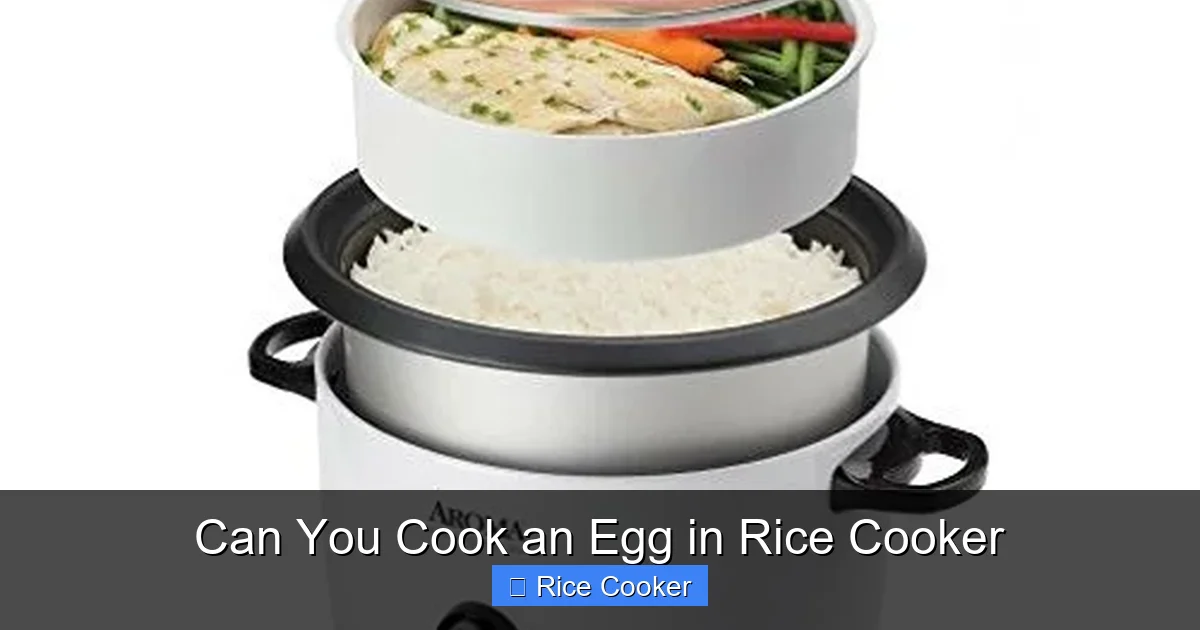
Visual guide about Can You Cook an Egg in Rice Cooker
Image source: m.media-amazon.com
Poached eggs are tricky on the stove, but surprisingly easy in a rice cooker. The key is creating a mini-poaching environment using a small container to hold the egg.
Use a silicone muffin tin, a ramekin, or even a small glass measuring cup. Fill it slightly with water—just enough to cover the egg halfway. Crack an egg directly into the container. Then, place the filled container into the rice cooker’s inner pot, which should have about 1/2 inch (1.25 cm) of water at the bottom.
Turn the rice cooker to “cook” and let it come to a simmer. Once simmering, reduce to low heat. Cook the egg for 5–7 minutes, depending on how set you want the yolk. The water in the container will gently steam the egg, creating that classic poached texture.
After cooking, remove the container carefully (use oven mitts). Drain off excess water and serve immediately. For best results, use room-temperature eggs and avoid moving the container during cooking.
Why This Method Works
The enclosed container traps steam around the egg, mimicking the effect of simmering water on a stove. The result is tender whites and a perfectly set yolk—no splashing or mess.
Steaming Whole Hard-Boiled Eggs
Want hard-boiled eggs without boiling water? Steaming them in a rice cooker gives you cleaner, easier-to-peel eggs.
Fill the inner pot with 1 inch of water. Place a steamer basket or colander inside so the eggs sit above the water. Gently crack whole eggs into the basket—don’t worry if they break slightly, as long as the shells stay intact.
Set the rice cooker to “cook” and bring to a boil. Once boiling, reduce to low and steam for 12–15 minutes. The longer you steam, the firmer the yolks. After cooking, transfer the eggs to an ice bath for 10 minutes. This stops the cooking and makes peeling a breeze.
Benefits of Steaming vs. Boiling
Steamed eggs peel more easily because the steam penetrates the shell slightly, separating it from the membrane. They also stay fresher longer and develop a cleaner taste compared to boiled eggs.
Creative Egg Recipes Using Your Rice Cooker
Once you’ve mastered the basics, get creative! Try these fun recipes:
Egg-in-a-Hole Omelet
Toast a slice of bread in the rice cooker (if your model has a toasting function). Cut a hole in the center, then slide the bread onto the heating plate. Crack an egg into the hole. Cover and cook for 3–4 minutes until the egg sets and the bread browns.
Rice Cooker Frittata
Whisk 3–4 eggs with diced vegetables (bell peppers, onions, spinach), cheese, salt, and pepper. Pour into a greased pot and cook on “warm” or low heat for 10–12 minutes, stirring halfway. Flip and cook another 2–3 minutes.
Egg and Rice Bowl
Cook rice in the rice cooker first. Top with a soft-boiled egg, soy sauce, and sesame seeds. Optional: add sautéed mushrooms or kimchi for flavor.
No-Stove Ramen Upgrade
Prepare instant ramen in the rice cooker. Add a soft-boiled egg and steamed broccoli. The steam cooks everything in one pot—no separate boiling required.
Choosing the Right Rice Cooker for Egg Cooking
Not all rice cookers are created equal when it comes to cooking eggs. Look for models with these features:
– Non-stick inner pot: Makes cleanup easy and prevents sticking.
– Adjustable temperature settings: Allows for precise control over cooking time and texture.
– Steam function: Ideal for poached or steamed eggs.
– Lid seal: Helps trap steam and speeds up cooking.
– Timer function: Lets you set it and forget it—perfect for overnight prep.
Popular brands like Zojirushi, Panasonic, and Instant Pot offer models that excel at multi-use cooking. Even basic rice cookers work, but higher-end ones give you more control.
What Not to Do
Avoid using aluminum pots—they react with acidic ingredients and can alter taste. Stick to stainless steel or ceramic-coated pots.
Never cook eggs in the rice cooker’s outer shell or without water—it can damage the heating element.
Cleaning and Maintenance Tips
After cooking eggs, clean the inner pot immediately. Egg proteins can stick and harden if left to dry. Wash with warm, soapy water and a soft sponge. For stubborn residue, soak in hot water with baking soda before scrubbing.
Don’t put the inner pot in the dishwasher unless it’s labeled dishwasher-safe. Hand washing preserves the non-stick coating.
Also, wipe the exterior and lid after each use to prevent food buildup. A clean rice cooker lasts longer and cooks more evenly.
Safety Considerations
While rice cookers are generally safe, always follow these precautions:
– Never leave the rice cooker unattended while cooking eggs.
– Use oven mitts when handling hot containers.
– Ensure proper ventilation—steam can accumulate.
– Don’t overload the pot with too many eggs at once.
– Keep children away during operation.
If your rice cooker has a “keep warm” function, don’t leave raw eggs in it for long periods—bacteria can grow.
Final Thoughts
Cooking eggs in a rice cooker isn’t just a clever trick—it’s a game-changer for busy lifestyles. Whether you’re making soft-boiled eggs for ramen, scrambled eggs for breakfast, or poached eggs for brunch, your rice cooker delivers consistent results with minimal effort. It’s especially useful in spaces where traditional stovetop cooking isn’t feasible.
The beauty lies in its simplicity and efficiency. No flames, no smoke, no constant attention. Just add water, crack an egg, press a button, and wake up to a perfectly cooked meal. Over time, you’ll find yourself reaching for your rice cooker more often—not just for rice, but for everything from omelets to custards.
So go ahead: unlock your rice cooker’s hidden potential. Your future self will thank you for the time and energy saved. And honestly, who knew one appliance could do so much? Now that you know how to cook an egg in a rice cooker, there’s no going back.
Frequently Asked Questions
Can you really cook eggs in a rice cooker?
Yes, absolutely! You can cook soft-boiled, scrambled, sunny-side-up, poached, and even hard-boiled eggs in a rice cooker using steam and gentle heat. It’s safe, easy, and works well with most models.
How long does it take to cook an egg in a rice cooker?
It depends on the method. Soft-boiled eggs take 8–10 minutes, scrambled eggs 3–5 minutes, and poached eggs 5–7 minutes. Always check the rice cooker’s manual for specific timing based on your model.
Do I need special equipment to cook eggs in a rice cooker?
Most methods require just the inner pot and a lid. For poached eggs, a small ramekin or silicone mold helps contain the egg. Otherwise, your standard rice cooker setup works perfectly.
Will eggs stick to the rice cooker pot?
If the pot isn’t greased, eggs may stick. Always use a light coating of oil or butter, especially for scrambled or sunny-side-up eggs. Non-stick pots help prevent sticking.
Can I cook multiple eggs at once in a rice cooker?
Yes, but avoid overcrowding. For soft-boiled eggs, cook 2–3 at a time. For scrambled eggs, cook in batches to ensure even cooking and prevent cooling the pot too much.
Is it safe to cook raw eggs in a rice cooker?
Yes, as long as you use clean hands and equipment. However, avoid leaving raw eggs in the “keep warm” setting for extended periods to prevent bacterial growth. Always cook fully before eating.