
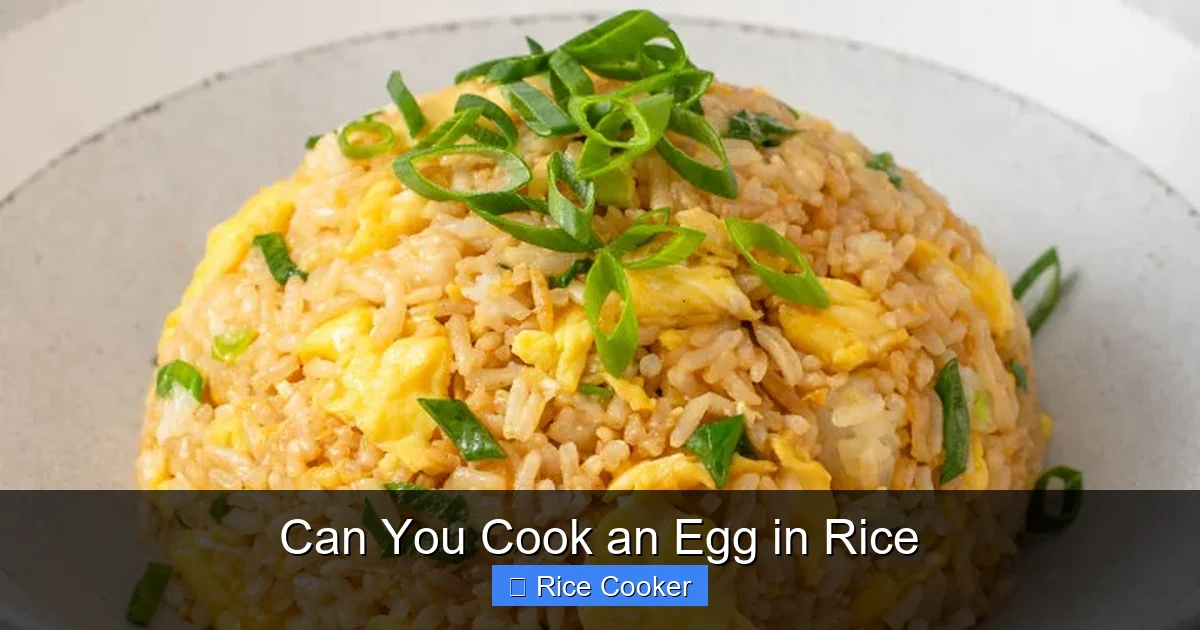
Yes, you can absolutely cook an egg in rice—and it’s easier than you think! Using a rice cooker, you can create fluffy scrambled eggs, soft-boiled eggs, or even fried rice with perfectly cooked eggs. This method saves time, enhances flavor, and adds protein to your favorite grain-based meals. It’s a simple hack that turns ordinary rice into a complete dish.
Key Takeaways
- Eggs can be cooked directly in rice: A rice cooker can steam or bake eggs while the rice cooks, creating a one-pot meal.
- No extra equipment needed: Use the rice cooker’s inner pot or add a steaming rack for perfect results every time.
- Popular egg styles work: Scrambled, soft-boiled, sunny-side up, and omelets are all possible with minor adjustments.
- Flavor and texture improve: Eggs absorb rice flavors and benefit from the moist heat of the cooker.
- Saves time and effort: Cook rice and eggs simultaneously, reducing cleanup and cooking steps.
- Great for meal prep: Make batches of egg-rice bowls for quick breakfasts or lunches.
- Safety matters: Follow food safety guidelines to avoid undercooked eggs or bacterial growth.
📑 Table of Contents
- Can You Cook an Egg in Rice? The Surprising Answer (And How to Do It)
- The Science Behind Cooking Eggs in Rice
- How to Cook an Egg in Rice: Step-by-Step Guide
- Different Ways to Cook Eggs in Rice
- Advanced Recipes: Egg-Rice Mastery
- Safety Tips and Common Mistakes
- Benefits of Cooking Eggs in Rice
- Frequently Asked Questions
- Conclusion: Why You Should Try Cooking Eggs in Rice Today
Can You Cook an Egg in Rice? The Surprising Answer (And How to Do It)
Imagine waking up on a busy morning with nothing but leftover rice and a few eggs in the fridge. You reach for the rice cooker—only to realize you’ve never tried cooking eggs inside it. What if I told you it’s not just possible, but surprisingly easy and delicious?
Cooking an egg in rice isn’t a gimmick—it’s a clever kitchen hack that leverages the steam and consistent heat of a rice cooker to cook both grains and protein together. Whether you’re making a quick breakfast, a post-workout meal, or just want to reduce dishwashing, this method checks all the boxes. Plus, combining rice and eggs creates a balanced dish rich in carbs, protein, and essential nutrients.
In this article, we’ll explore exactly how to cook an egg in rice, why it works, what techniques yield the best results, and how to turn this simple idea into a full-fledged meal. From basic scrambled eggs to more advanced recipes like egg-in-a-hole fried rice, you’ll learn everything you need to know to master this versatile cooking method.
The Science Behind Cooking Eggs in Rice
Before jumping into recipes, let’s talk about why this works so well. A rice cooker maintains a steady temperature—usually between 185°F and 212°F (85°C to 100°C)—depending on the setting. This controlled heat is ideal for cooking both rice and eggs without overcooking or drying them out.
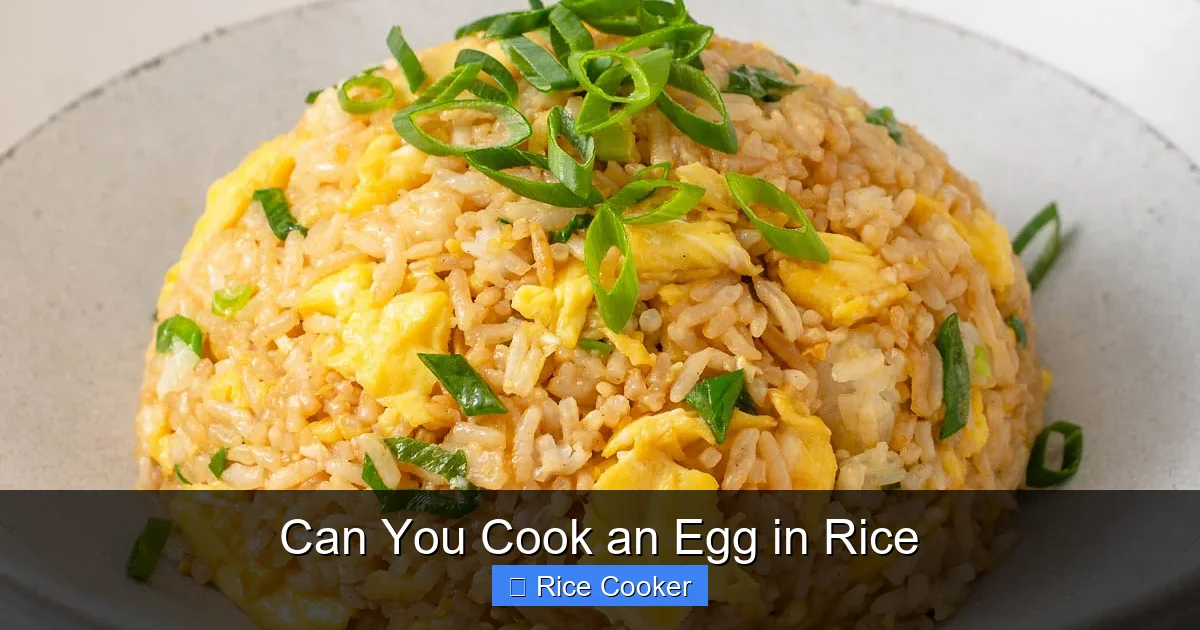
Visual guide about Can You Cook an Egg in Rice
Image source: takestwoeggs.com
Steam vs. Direct Heat
Most rice cookers use steam to cook rice, which also means they generate plenty of moisture in the pot. When you crack an egg into the mix, the steam gently cooks the proteins in the egg white and yolk. If you place the egg directly in the rice, it will absorb steam and heat evenly, resulting in tender, creamy scrambled eggs or soft-boiled eggs depending on timing.
Why Combine Them?
- Nutritional balance: Rice provides complex carbohydrates, while eggs deliver high-quality protein, healthy fats, and vitamins like B12 and choline.
- Time efficiency: Instead of cooking rice first and then scrambling eggs separately, you do both at once.
- Flavor infusion: Eggs soak up the aroma and taste of the rice, especially when seasoned with garlic, soy sauce, or herbs.
This method is especially popular in East Asian cuisines, where dishes like Japanese tamagoyaki (rolled omelet) or Chinese congee with soft-cooked eggs are everyday staples. Now, modern rice cookers make replicating these techniques at home simpler than ever.
How to Cook an Egg in Rice: Step-by-Step Guide
Ready to try it? Here’s a foolproof method to cook scrambled eggs in rice using just your rice cooker.
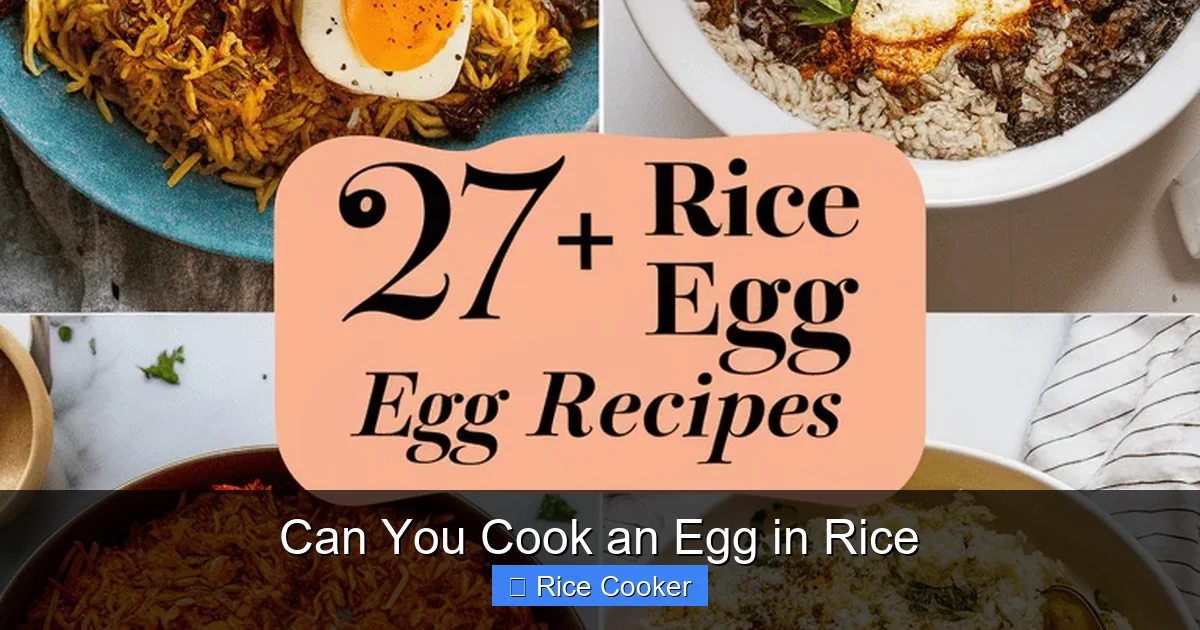
Visual guide about Can You Cook an Egg in Rice
Image source: foodeau.com
What You’ll Need
- 1 cup uncooked rice (white or brown)
- 2 eggs
- Water (for rice)
- Salt, pepper, or your favorite seasonings
- Optional: vegetables, cheese, soy sauce
Step 1: Prepare the Rice
Rinse the rice under cold water until the water runs clear. This removes excess starch and prevents the rice from becoming too sticky. Add the rinsed rice to the rice cooker pot along with 1.5 cups of water (adjust based on rice type and cooker instructions).
Step 2: Crack the Eggs Into the Pot
Once the rice is added, carefully crack 2 eggs directly into the water or on top of the rice layer. Don’t stir yet. The goal is to let the eggs cook slowly as the rice absorbs water and heats up.
Step 3: Start the Cook Cycle
Close the lid and press the “Cook” button. As the rice begins to absorb water, the heat will start cooking the eggs. For scrambled-style eggs, leave the lid on—the steam will cook the eggs gently.
Step 4: Stir Gently After Cooking
When the rice cooker switches to “Keep Warm,” carefully open the lid and gently fold the eggs into the rice using a spatula. Avoid over-stirring to keep the eggs fluffy. Season with salt, pepper, or soy sauce if desired.
Pro Tip:
For a creamier texture, add a splash of milk or water to the eggs before cracking them in. This mimics the consistency of traditional scrambled eggs.
Different Ways to Cook Eggs in Rice
While scrambled eggs are the most common, there are several other ways to prepare eggs in a rice cooker. Each method yields a different texture and flavor profile.
Soft-Boiled Eggs in Rice
Want runny yolks with firm whites? Try this method:
- After adding rice and water, crack 1–2 eggs onto the surface.
- Start cooking. After 10 minutes, check the eggs by poking gently with a fork. They should feel firm but slightly jiggly.
- Remove the eggs with a slotted spoon and peel. Serve with rice and a sprinkle of salt.
This is perfect for dipping rice into or eating alongside congee-style porridge.
Sunny-Side Up Eggs
For golden, flat-topped sunny-side up eggs:
- Use a small ramekin or muffin tin to hold the egg in place.
- Crack the egg into the container and cover with foil or a lid.
- Cook on “Warm” or “Slow Cook” mode for 15–20 minutes until the white is set but the yolk remains runny.
Omelet-In-A-Hole Fried Rice
Turn your rice cooker into a waffle iron with this fun twist:
- Make fluffy scrambled rice as usual.
- Press the mixture into a greased pan or use a ring mold to create a hole in the center.
- Crack an egg into the hole and cover with a lid or foil.
- Cook on low heat for 8–10 minutes until the egg sets.
Advanced Recipes: Egg-Rice Mastery
Once you’ve mastered the basics, it’s time to level up. These recipes show how to transform a simple rice cooker meal into something special.
Japanese-Inspired Tamagoyaki Rice Bowl
Tamagoyaki is a sweet, layered omelet often served with rice. You can mimic its texture in a rice cooker using a small baking dish.
Ingredients:
- 1 cup cooked sushi rice
- 2 eggs
- 1 tbsp sugar
- 1 tsp soy sauce
- Pinch of salt
Instructions:
- Mix eggs with sugar, soy sauce, and salt.
- Pour into a greased small baking dish.
- Place in rice cooker and cook on “Warm” for 20 minutes.
- Layer over rice and garnish with green onions.
Korean-Style Bibimbap in a Rice Cooker
Skip the stove and cook bibimbap entirely in your rice cooker for a hands-off version.
- Cook rice with gochujang (Korean chili paste) for flavor.
- Add sautéed spinach, mushrooms, carrots, and a soft-boiled egg on top.
- Finish with a drizzle of sesame oil and crushed peanuts.
Vegetarian Veggie Egg Fried Rice
Even vegetarians can enjoy this protein-packed version:
- Cook rice with diced bell peppers, peas, carrots, and onions.
- Add scrambled eggs halfway through cooking.
- Toss with soy sauce, garlic powder, and a pinch of black pepper.
Safety Tips and Common Mistakes
Cooking eggs in rice sounds easy, but there are a few pitfalls to avoid.
Avoid Undercooked Eggs
Raw or partially cooked eggs can harbor salmonella. Always ensure eggs are fully set. If you’re serving vulnerable people (like young children or elderly adults), consider pasteurized eggs or using a thermometer to verify internal temperature reaches 160°F (71°C).
Don’t Overfill the Pot
Leaving too much space in the pot allows steam to escape, reducing cooking efficiency. Keep ingredients close to the bottom to maximize heat transfer.
Clean Immediately After Use
Egg residue can harden and stick to the pot. Rinse the inner pot while still warm to prevent staining.
Myth: You Can’t Use the Same Pot
Some worry about cross-contamination, but as long as you wash the pot thoroughly after each use, it’s completely safe. Modern rice cookers are designed to handle multiple ingredients.
Benefits of Cooking Eggs in Rice
Beyond convenience, this method offers real advantages.
1. Nutrient Retention
Steaming preserves more nutrients than frying. Eggs retain their B vitamins and antioxidants better when cooked gently.
2. Reduced Oil Use
Unlike frying, no oil is needed—making this a healthier option.
3. Perfect for Gluten-Free Diets
White rice and eggs are naturally gluten-free, ideal for those with celiac disease or sensitivity.
4. Great for Batch Cooking
Make a big batch of egg-rice and store portions in the fridge for up to 3 days. Reheat quickly in the microwave or rice cooker.
5. Minimal Cleanup
One pot = one wash. That’s a win for busy families.
Frequently Asked Questions
Can you put raw eggs in a rice cooker?
Yes, but only if the rice cooker is already running and generating steam. Raw eggs won’t cook properly in a cold pot. Always add eggs after the cook cycle has started.
Do eggs cook faster in a rice cooker?
Not necessarily faster, but more evenly. The gentle steam ensures uniform cooking without scorching or drying out.
Can I cook hard-boiled eggs in rice?
Hard-boiled eggs require direct boiling, which isn’t possible in most rice cookers. Stick to soft-boiled or scrambled methods instead.
Will the eggs absorb the rice’s flavor?
Absolutely. Eggs cooked in rice take on subtle savory notes, especially when seasoned with garlic, onion, or soy sauce.
Can I cook multiple eggs at once?
Yes! Just space them out slightly so they cook evenly. For scrambled eggs, mix them in at the end.
Is it safe to reuse the same pot for eggs and rice?
Yes, as long as you clean it thoroughly. There’s no risk of chemical contamination—just bacteria, which proper washing eliminates.
Conclusion: Why You Should Try Cooking Eggs in Rice Today
Cooking an egg in rice isn’t just a novelty—it’s a practical, delicious, and nutritious way to elevate your meals. With a rice cooker, you can create everything from fluffy scrambled eggs to elegant omelet-style dishes, all in one pot. No stovetop required.
This method shines in its simplicity, speed, and ability to transform leftovers into something new. Whether you’re preparing a quick breakfast, packing a lunch, or experimenting with global flavors, cooking eggs in rice opens up a world of possibilities.
So next time you’re wondering what to make with leftover rice, don’t pitch it. Crack an egg, fire up your rice cooker, and turn ordinary grains into extraordinary meals. Your taste buds—and your schedule—will thank you.
Frequently Asked Questions
Can you put raw eggs in a rice cooker?
Yes, but only if the rice cooker is already running and generating steam. Raw eggs won’t cook properly in a cold pot. Always add eggs after the cook cycle has started.
Do eggs cook faster in a rice cooker?
Not necessarily faster, but more evenly. The gentle steam ensures uniform cooking without scorching or drying out.
Can I cook hard-boiled eggs in rice?
Hard-boiled eggs require direct boiling, which isn’t possible in most rice cookers. Stick to soft-boiled or scrambled methods instead.
Will the eggs absorb the rice’s flavor?
Absolutely. Eggs cooked in rice take on subtle savory notes, especially when seasoned with garlic, onion, or soy sauce.
Can I cook multiple eggs at once?
Yes! Just space them out slightly so they cook evenly. For scrambled eggs, mix them in at the end.
Is it safe to reuse the same pot for eggs and rice?
Yes, as long as you clean it thoroughly. There’s no risk of chemical contamination—just bacteria, which proper washing eliminates.