

Your rice cooker is way more than just a rice maker. With the right techniques, it can cook everything from hearty one-pot meals like chili and jambalaya to fluffy baked goods like banana bread and cakes. Whether you’re meal-prepping, saving time, or exploring new recipes, unlocking your rice cooker’s versatility can transform your cooking routine. From savory mains to sweet treats, this humble appliance proves itself as a true kitchen multitasker.
If you own a rice cooker, chances are you use it almost every day—probably just to make a single pot of white rice. But here’s the secret: your rice cooker is actually a powerhouse kitchen tool, capable of doing so much more than steaming grains. In fact, with a little creativity, you can use your rice cooker to prepare an entire meal—or even dessert—with minimal supervision and maximum flavor.
From creamy risottos and tender chicken thighs to fluffy cakes and chewy granola bars, the rice cooker’s simple design and consistent heat make it surprisingly adaptable. And the best part? No constant stirring, no watching the stove, and no messy cleanup. Sounds too good to be true? Let’s dive into exactly what you can cook in a rice cooker beyond plain white rice.
Key Takeaways
- Rice cookers are versatile appliances: Beyond rice, they can cook grains, proteins, vegetables, soups, and even desserts with minimal effort.
- They simplify meal prep: Use the keep-warm function for reheating or serving food at the perfect temperature without monitoring.
- Energy-efficient cooking: Rice cookers use less energy than ovens or stovetops, making them ideal for small kitchens or eco-conscious cooks.
- No stirring required: Unlike pots on the stove, rice cookers cook hands-off, freeing up time for other tasks.
- Great for dorms and small spaces: Compact and easy to use, they’re perfect for students, renters, or anyone with limited kitchen space.
- Experiment with textures: Try different rice-to-liquid ratios to mimic casserole, oatmeal, or risotto-like consistency.
- Upgrade your cooking game: Once you see how many dishes you can make in a rice cooker, you’ll never look at it the same way again.
📑 Table of Contents
- 1. Beyond Basmati: Cooking Different Types of Rice
- 2. One-Pot Meals That Cook Themselves
- 3. Tender Proteins Without the Grill
- 4. Soups, Stews, and Hearty Dishes
- 5. Desserts and Baked Goods
- 6. Snacks and Side Dishes
- 7. Tips for Maximizing Your Rice Cooker’s Potential
- Conclusion: Your Rice Cooker Is a Kitchen Swiss Army Knife
1. Beyond Basmati: Cooking Different Types of Rice
While most people think of white rice, your rice cooker can handle a wide variety of grains—each offering unique textures and flavors.
Brown Rice
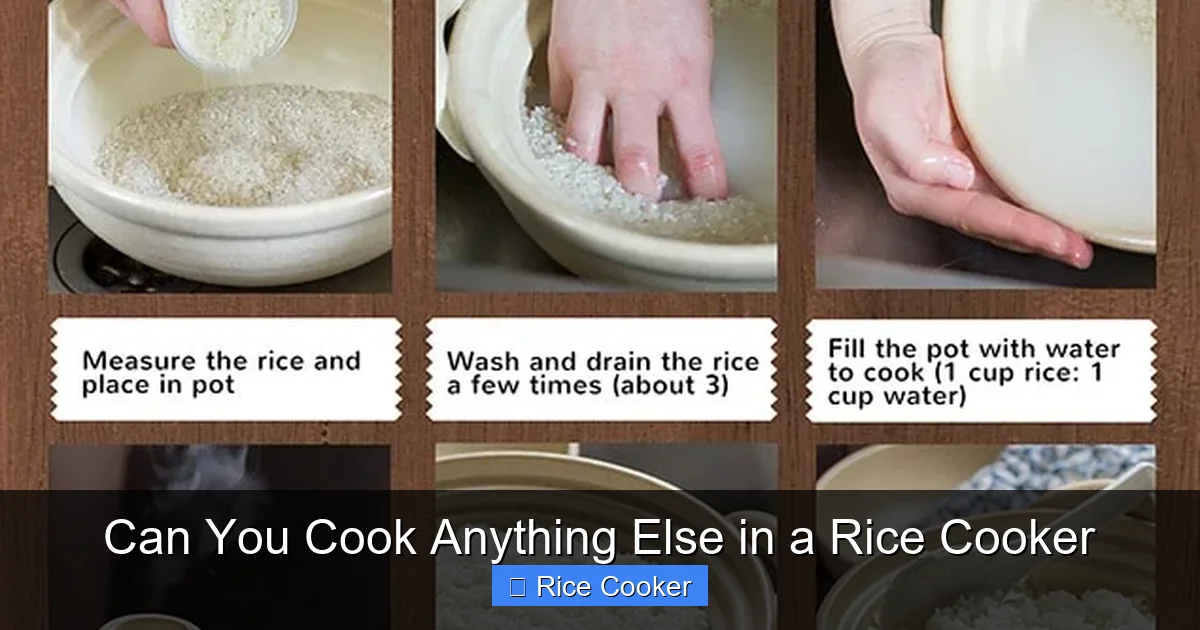
Brown rice takes longer to cook but yields a nuttier flavor and chewier texture. For best results, use a 1:2.5 ratio (one cup brown rice to two and a half cups water) and let the cooker do its thing. Some models have a dedicated brown rice setting that adjusts timing and heat.
Jasmine and Sushi Rice
These sticky, aromatic varieties shine in a rice cooker. Rinse the rice thoroughly before cooking to remove excess starch, then follow the standard ratio. The result? Fluffy, separate grains perfect for sushi rolls or stir-fries.
Quinoa and Other Grains
Yes, quinoa works great! Use a 1:2 ratio and rinse first. You can also try barley, millet, or even amaranth. Just remember that smaller grains may require slightly less water and shorter cooking times.
Tip:
For any non-rice grain, start with a small test batch until you get the water ratio right. Overwatering leads to mush, while undercooking leaves it crunchy.
2. One-Pot Meals That Cook Themselves
Visual guide about Can You Cook Anything Else in a Rice Cooker
Image source: expertreviewsbestricecooker.com
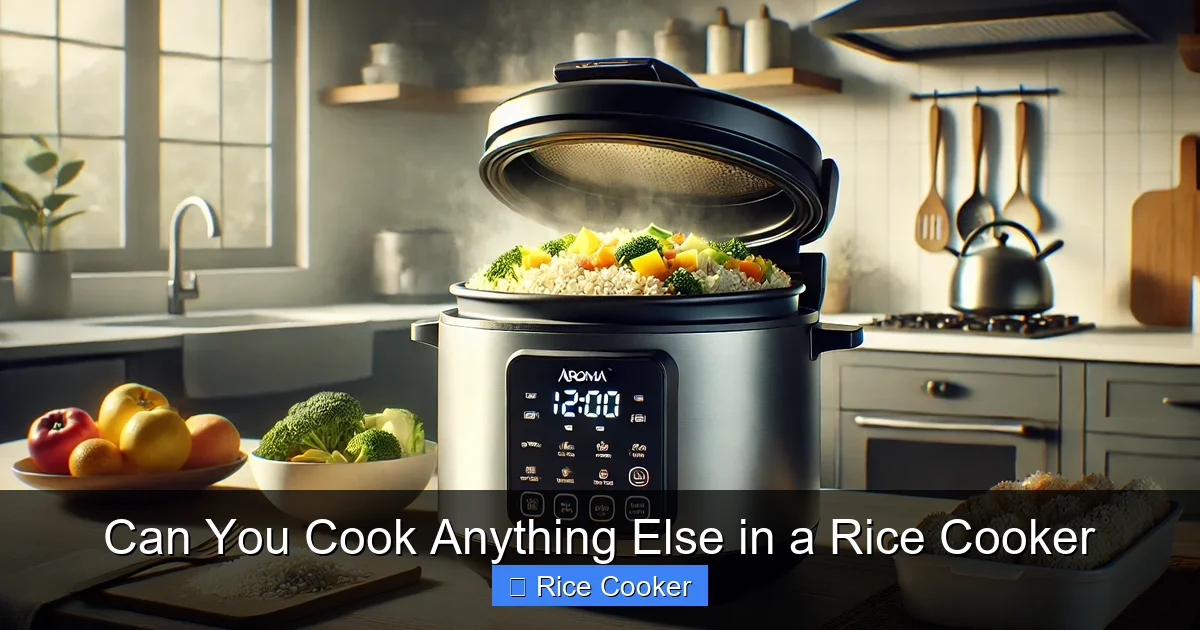
One of the biggest advantages of a rice cooker is its ability to turn simple ingredients into complete, delicious meals—no oven needed.
Chicken and Rice Casserole
Layer chicken breasts, diced carrots, onions, garlic, and rice in the cooker. Pour in broth and season with thyme, salt, and pepper. Set to “Cook” and let it do the rest. After cooking, shred the chicken and stir it back in for a comforting, hands-free dinner.
Jambalaya
Sauté sausage and onions in a skillet first (optional but adds flavor), then transfer everything—rice, chicken, tomatoes, bell peppers, and Cajun spices—into the rice cooker. Cook on high for about 45 minutes. The result is a rich, smoky dish with no extra pots to wash.
Vegetable and Lentil Soup
Combine lentils, diced tomatoes, carrots, celery, onion, and vegetable broth. Season with cumin, bay leaf, and salt. Cook until lentils are tender. This hearty soup becomes creamier if you blend half of it after cooking.
Note:
For dishes requiring browning (like sausages or meats), pre-cook them briefly on the stovetop before adding to the rice cooker. Otherwise, they’ll absorb too much liquid and stay tough.
3. Tender Proteins Without the Grill
Visual guide about Can You Cook Anything Else in a Rice Cooker
Image source: chopstickchronicles.com
You don’t need an oven or grill to cook meat or fish perfectly. Your rice cooker can gently steam or braise proteins to juicy tenderness.
Braised Chicken Thighs
Place chicken thighs skin-side down in the cooker. Add onion slices, garlic, soy sauce, honey, and a splash of broth. Cook on high for 30–40 minutes. The fat renders beautifully, and the sauce becomes rich and glossy.
Steamed Fish Fillets
Line the bottom of the inner pot with lemon slices or ginger. Place fish fillets on top, season with soy sauce, garlic, and scallions. Add water to the outer pot (if it’s a double-layer model). Steam for 10–15 minutes. The fish stays moist and flaky.
Pork Chops with Apples
Slice apples and layer them with pork chops, onion rings, and a glaze of apple cider vinegar, brown sugar, and mustard. Cover and cook for 25–30 minutes. The result? Sweet, tangy, and fall-off-the-bone tender.
Pro Tip:
Use parchment paper or a silicone liner for easier cleanup, especially when cooking sticky dishes like pulled pork or fruit-based meals.
4. Soups, Stews, and Hearty Dishes
Many people assume a rice cooker can’t handle liquids, but that’s not true—especially if your model has a “soup” or “stew” setting. Even basic models can simmer soups if you manage the liquid levels properly.
Hearty Bean Stew
Combine canned beans, diced potatoes, corn, tomatoes, and smoked paprika. Add enough broth to cover everything by an inch. Cook on high for 30 minutes, then reduce to low for another 20. Serve with crusty bread.
Creamy Tomato Basil Soup
Simmer tomatoes, onion, garlic, basil, and vegetable broth. Blend until smooth, then stir in coconut milk or heavy cream. Keep warm in the cooker until ready to serve.
Split Pea Soup
Cook dried split peas with ham hock (or smoked tofu for vegetarian), onion, celery, and carrots. Simmer for 45–60 minutes until pea paste forms. Remove the ham hock, shred the meat, and return it to the pot.
Caution:
Avoid overfilling—most rice cookers shouldn’t exceed 2/3 full when cooking with liquids to prevent overflow.
5. Desserts and Baked Goods
Here’s where things get really fun: your rice cooker isn’t just for savory dishes. It’s surprisingly effective at baking cakes, custards, and even bread.
Chocolate Cake
Mix flour, sugar, cocoa powder, eggs, oil, and water. Pour into a greased insert and cook on high for 30–35 minutes. Test with a toothpick—it should come out clean. The cake will be dense but moist, similar to a traditional bundt cake.
Banana Bread
Mash ripe bananas with eggs, sugar, melted butter, and flour. Add vanilla and baking soda. Bake for 40–45 minutes. The loaf comes out soft and fragrant, with no need for a loaf pan.
Flan (Caramel Custard)
Make caramel by heating sugar in a small pan until golden. Pour into the rice cooker insert. Whisk eggs, condensed milk, and vanilla; pour over caramel. Cover tightly with foil and steam for 45–50 minutes. Chill before serving.
Granola Bars
Mix oats, nuts, honey, and peanut butter. Press into the cooker insert and bake on high for 20–25 minutes. Cool completely before slicing into bars.
Note:
Always use oven mitts and let hot inserts cool slightly before handling. Some models aren’t rated for direct contact with batter, so check your manual.
6. Snacks and Side Dishes
Don’t forget about snacks! Your rice cooker can make quick, healthy bites that store well.
Roasted Chickpeas
Toss canned chickpeas with olive oil, cumin, and salt. Spread on a tray or line the insert. Roast at 375°F (or use the rice cooker’s “warm” function to dry-roast) for 20–30 minutes until crisp.
Popcorn
Heat kernels in oil using the “warm” setting. Shake occasionally until popping slows. Season with sea salt or nutritional yeast.
Overnight Oats (Instant Version)
Combine oats, milk, chia seeds, and fruit in the cooker. Cook on high for 10 minutes to thicken, then chill. Much faster than traditional soaking!
Sweet Potato Mash
Peel and cube sweet potatoes. Cook with a bit of water until fork-tender. Mash with butter and cinnamon. Creamy, nutritious, and ready in under 30 minutes.
7. Tips for Maximizing Your Rice Cooker’s Potential
Now that you know what you can cook, here are some universal tips to ensure success every time.
Use the Right Ratio
Stick to tested proportions for grains and liquids. A general rule: 1 cup rice to 1.5–2 cups water, depending on grain type.
Prep Ingredients Ahead
Chop veggies, measure spices, and marinate proteins before adding them to the cooker. This saves time and ensures even cooking.
Layer Smartly
Place heavier items like meat or root vegetables at the bottom. Lighter ingredients like greens or delicate fish go on top.
Don’t Overfill
Leave room for expansion—especially when cooking with yeast-based batters or soups that foam.
Clean Immediately
Rice cooker inserts often stick to cooked-on food. Soak in warm, soapy water right away for easy cleanup.
Experiment Gradually
Start with simple recipes and gradually try more complex dishes. Keep notes on what worked (and what didn’t).
Conclusion: Your Rice Cooker Is a Kitchen Swiss Army Knife
At first glance, a rice cooker seems like a one-trick pony. But once you explore its possibilities, you’ll realize it’s one of the most underrated appliances in your kitchen. Whether you’re making a weeknight dinner, baking a birthday cake, or whipping up a batch of overnight oats, the rice cooker delivers consistent results with zero stress.
So go ahead—dust off that old appliance. Open your pantry, gather some ingredients, and start experimenting. Who knows? Your next favorite recipe might just be hiding inside your rice cooker.
Frequently Asked Questions
Can you cook pasta in a rice cooker?
Yes, but only certain types. Short-cut pasta like orzo or elbow macaroni can be cooked directly in the rice cooker using a 1:2 pasta-to-water ratio. Stir occasionally after draining to prevent sticking. Long noodles like spaghetti won’t work well due to their length and tendency to clump.
Is it safe to leave food in a rice cooker all night?
Most modern rice cookers have a “keep warm” function that safely holds food at a low temperature for several hours. However, it’s best not to leave perishable foods (like meat or dairy) in the cooker for more than 2–3 hours to avoid bacterial growth. Always refrigerate leftovers promptly.
Can you cook frozen vegetables in a rice cooker?
Absolutely! Add frozen veggies directly to the cooker with a bit of liquid and cook as usual. They’ll thaw and soften beautifully. Just make sure there’s enough water to prevent drying out—frozen vegetables release moisture, so monitor the level during cooking.
Do I need special cookware for my rice cooker?
Most rice cookers come with a non-stick aluminum or stainless steel inner pot designed specifically for use with the appliance. Avoid using metal utensils that could scratch the surface. If you want to protect the pot or improve non-stick performance, consider using a removable silicone or parchment paper liner.
Can you cook eggs in a rice cooker?
Yes! Hard-boiled eggs are easy: place eggs in the inner pot, add cold water to cover them by an inch, and cook on high for 25–30 minutes. Then transfer to ice water to stop cooking. You can also make scrambled eggs by beating eggs with milk and cooking them on low heat with occasional stirring using a spatula.
Are rice cookers good for gluten-free cooking?
Definitely. Since rice cookers rely on basic ingredients like rice, beans, and grains, they’re naturally suited to gluten-free diets. Just avoid cross-contamination by using clean utensils and containers. Many gluten-free grains like quinoa, buckwheat, and millet cook perfectly in a rice cooker.