
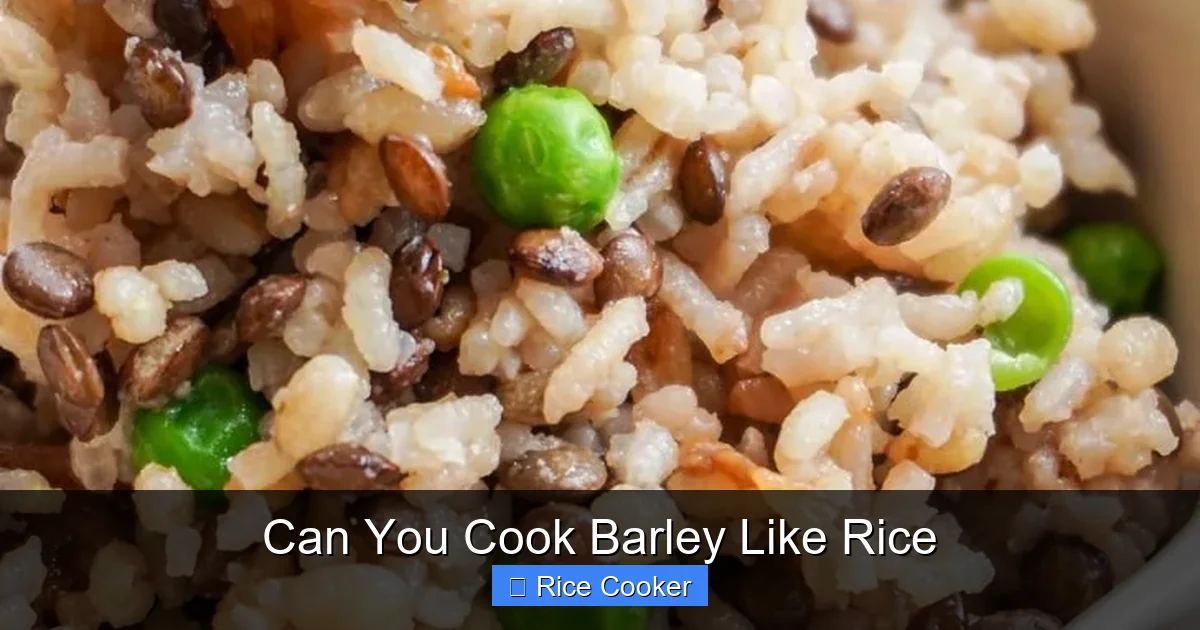
Can you cook barley like rice? Absolutely—but not all at once. Barley and rice share similarities, but their texture and cooking needs differ. With the right water ratio and method, you can enjoy perfectly cooked barley in your rice cooker, creating hearty, nutritious meals. This guide walks you through everything from ratios to troubleshooting common issues.
Key Takeaways
- Yes, barley can be cooked like rice in a rice cooker, but it requires adjustments to water and timing for best results.
- Barley takes longer to cook than rice, so soaking or pre-soaking hulled barley helps reduce cooking time and improve texture.
- The ideal water-to-barley ratio is 3:1 (or 2.5:1 for quick-cooking barley), slightly more than rice’s typical 1.5:1.
- A rice cooker works well for barley due to its consistent heat and automatic shut-off, but it may need a manual “keep warm” phase.
- Flavor and nutrition are enhanced when cooked properly—barley adds fiber, protein, and a chewy texture to any dish.
- Post-cooking resting time matters—let barley sit off-heat for 10–15 minutes to finish hydrating evenly.
- Try mixing barley with rice for a balanced, nutrient-rich grain blend that cooks efficiently in one pot.
📑 Table of Contents
- Can You Cook Barley Like Rice?
- Understanding Barley vs. Rice: Key Differences
- Cooking Barley in a Rice Cooker: Step-by-Step Guide
- Troubleshooting Common Barley Cooking Issues
- Mixing Barley with Rice: A Winning Combination
- Creative Ways to Use Cooked Barley
- Tips for Success Every Time
- Conclusion: Barley Is Worth the Effort
Can You Cook Barley Like Rice?
Have you ever wondered if you can cook barley just like rice? It’s a question many home cooks ask, especially those looking to diversify their grain-based meals without extra steps or complicated equipment. The short answer is yes—you can cook barley in a rice cooker, and it turns out surprisingly well. But before you toss barley into your cooker and hit “start,” there are some important details to consider. Unlike rice, which cooks quickly and evenly in most rice cookers, barley has a denser structure and different starch content, meaning it needs a little extra attention to achieve the perfect texture. In this article, we’ll walk through everything you need to know about cooking barley like rice, including the best methods, ratios, and tips to make it foolproof every time.
If you’re tired of eating the same old rice or quinoa every week, adding barley to your meal rotation can be a game-changer. Barley is not only affordable and shelf-stable but also packed with fiber, protein, and essential nutrients. Whether you’re making a savory pilaf, a cold salad, or a side dish to complement grilled meats, cooked barley delivers a satisfying chewiness and earthy flavor that pairs beautifully with vegetables, herbs, and spices. And the great news? Most rice cookers can handle it—no special gadgets required.
In this comprehensive guide, we’ll explore how barley compares to rice, what type of barley works best, the exact cooking process, troubleshooting tips, and creative ways to use your perfectly cooked barley. By the end, you’ll feel confident turning your rice cooker into a versatile grain station—ready to deliver fluffy, nutritious barley every single time.
Understanding Barley vs. Rice: Key Differences
Before diving into the cooking process, it’s helpful to understand why barley behaves differently from rice—even though both are grains and both work well in a rice cooker. While rice is primarily composed of starch that gelatinizes quickly when heated in water, barley contains more fiber and complex carbohydrates, giving it a firmer texture and slower absorption rate. This means that barley doesn’t just soak up water and puff up like rice—it needs time to fully hydrate and soften.

Visual guide about Can You Cook Barley Like Rice
Image source: i.pinimg.com
Types of Barley and Their Cooking Needs
There are three main types of barley: hulled (also called whole barley), pearled (partially polished), and quick-cooking barley. Each has unique characteristics that affect how it cooks.
- Hulled Barley: This is the least processed form, retaining its outer bran layer. It’s the most nutritious but also the hardest and longest to cook. Hulled barley can take up to 75–90 minutes to become tender, so soaking it overnight or for several hours is highly recommended.
- Pearled Barley: Also known as semi-pearled barley, this variety has had most of its bran removed. It cooks faster than hulled barley—typically 45–60 minutes—and is a good middle ground between nutrition and convenience.
- Quick-Cooking Barley: These are pearled barley pieces that have been cracked or split, then pre-cooked and dried. They require only 10–12 minutes of cooking time, almost matching rice’s speed. However, they’re less chewy and slightly less flavorful than regular barley.
For rice cooker users, pearled or quick-cooking barley is often the best choice because of the shorter cook time. Still, if you enjoy the heartier bite of whole barley, a rice cooker can handle it—just plan ahead with soaking.
Why Soaking Matters
Soaking barley before cooking significantly reduces its cook time and improves digestibility. When soaked, barley swells and begins breaking down its tough outer layers, allowing it to absorb water more efficiently during cooking. For best results, soak hulled barley in cool water for 6–8 hours or overnight. Pearled barley can benefit from a shorter soak (30–60 minutes), while quick-cooking barley usually doesn’t need soaking at all.
Cooking Barley in a Rice Cooker: Step-by-Step Guide
Now that you understand the basics, let’s get practical. Here’s how to cook barley in a rice cooker like you would rice—with just a few tweaks to ensure success.
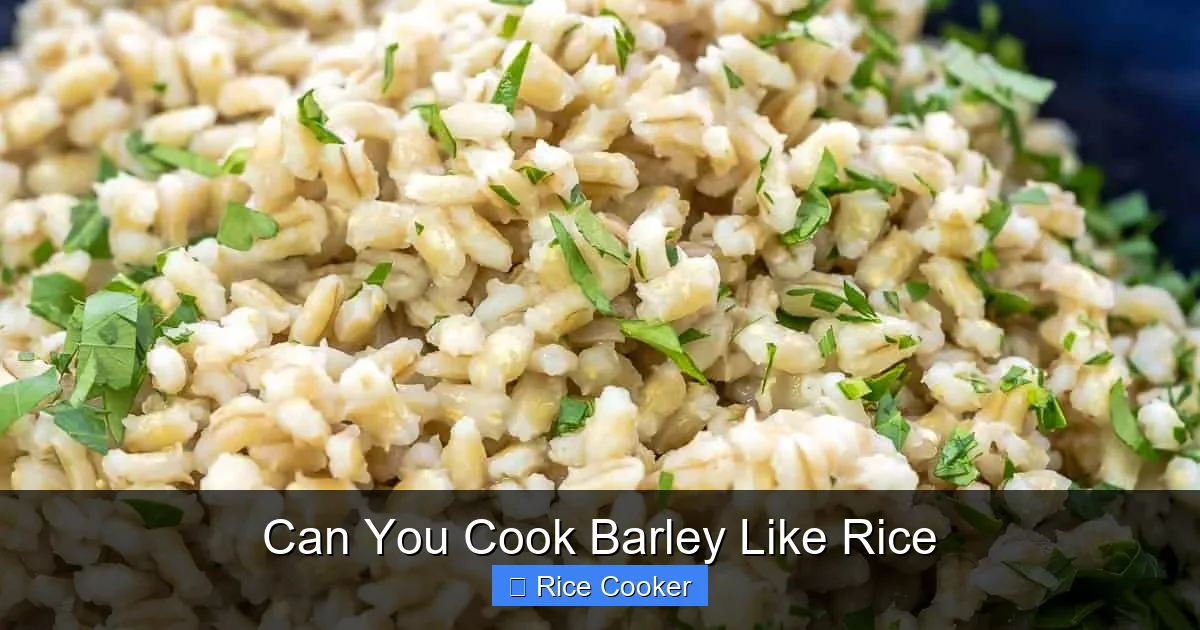
Visual guide about Can You Cook Barley Like Rice
Image source: themediterraneandish.com
Gathering Your Ingredients and Tools
You don’t need much beyond your rice cooker and barley, but having the right setup makes a difference:
- 1 cup barley (pearled or quick-cooking recommended)
- 3 cups water (for pearled) or 2.5 cups (for quick-cooking)
- Rice cooker with measuring cup
- Fine-mesh strainer (optional, for rinsing)
- Wooden spoon or spatula (for stirring, if needed)
Pro tip: Use a standard kitchen measuring cup—rice cookers often come with one, and it helps ensure accurate water ratios.
Preparing the Barley
Start by rinsing your barley under cold water using a fine-mesh strainer. This removes any dust or debris and prevents cloudiness in your final dish. If you’re using hulled barley, give it a good rinse and then transfer it to a bowl with enough water to cover it by an inch. Let it soak for 6–8 hours or overnight. Drain and rinse again before adding to the rice cooker.
Setting the Right Water Ratio
This is where many people go wrong. Rice typically uses a 1:1.5 ratio of grain to water, but barley needs more. The general rule is:
- Pearled barley: 1 cup barley to 3 cups water
- Quick-cooking barley: 1 cup barley to 2.5 cups water
- Hulled barley (soaked): 1 cup barley to 3.5–4 cups water
These ratios account for barley’s slower absorption and higher fiber content. Too little water leads to dry, chalky grains; too much makes it mushy. If you’re unsure, start with 3:1 and adjust next time based on preference.
Adding Flavor (Optional)
Want to boost the taste? Add a pinch of salt, a bay leaf, or a splash of broth instead of water. You can also sauté onions or garlic in a bit of oil before adding barley and liquid—this creates a richer base for pilafs or grain bowls.
Cooking Process
Once your barley is prepped and measured, add it to the rice cooker along with the water (and any seasonings). Close the lid and turn the cooker on. Most rice cookers will automatically switch to “cook” mode and then “warm” after the cycle completes.
Here’s the tricky part: **barley doesn’t always trigger the automatic shut-off** like rice does. That means even after the cooker switches to “warm,” your barley might still be undercooked. Here’s what to do:
- Check for doneness after 45 minutes (for pearled) or 10 minutes (for quick-cooking).
- If it’s still hard in the center, add a small amount of hot water (¼ cup) and close the lid. Let it steam for another 5–10 minutes.
- After the rice cooker finishes, **do not open the lid immediately**. Let the barley rest for 10–15 minutes with the lid on. This allows residual heat to finish cooking the grains evenly—much like letting rice sit after it’s done.
Troubleshooting Common Barley Cooking Issues
Even with the right technique, things don’t always go perfectly. Here’s how to fix the most common problems.
Barley Is Too Dry or Crunchy
This usually means you didn’t use enough water or the barley wasn’t soaked long enough (if using hulled). To fix it mid-cooking, add a little hot water and let it simmer covered for 5–10 more minutes. Keep in mind that overcooking after adding water can lead to mushiness, so monitor closely.
Barley Is Mushy or Sticky
Too much water or overcooking causes this. If it happens during cooking, drain excess liquid gently with a colander. For future batches, reduce water by ½ cup and avoid opening the lid during cooking.
Barley Doesn’t Trigger the Warm Setting
Unlike rice, barley’s moisture content and density mean it may not signal the cooker to switch modes. This is normal. Simply wait until you see steam coming out of the vent (about 10–15 minutes after the cooker starts beeping), then let it rest as directed above.
Grains Are Unevenly Cooked
This can happen if the rice cooker isn’t distributing heat evenly. Stir the barley gently halfway through cooking (after 20–25 minutes for pearled barley) to help grains hydrate uniformly.
Mixing Barley with Rice: A Winning Combination
One of the smartest ways to simplify cooking while boosting nutrition is to mix barley with rice. Not only does this create a more balanced amino acid profile (since rice is low in lysine but high in methionine, and barley complements it), but it also speeds up overall cook time.
A popular ratio is 1 part barley to 2 parts rice (e.g., ½ cup barley + 1 cup rice). Cook them together using the higher water ratio (since barley needs more liquid), and you’ll end up with a fluffy, chewy, and nutritious grain blend perfect for stir-fries, casseroles, or grain bowls.
Another advantage? You save time and clean-up! One pot, one cooker cycle, and a delicious, wholesome meal ready in under an hour.
Creative Ways to Use Cooked Barley
Once your barley is perfectly cooked, the possibilities are endless. Try these ideas to keep your meals exciting:
- Hearty Salads: Toss warm barley with roasted vegetables, feta, chickpeas, and a lemon-olive oil dressing.
- Breakfast Porridge: Cook barley with milk or plant-based milk, cinnamon, and fruit for a creamy, fiber-rich breakfast.
- Soups and Stews: Stir cooked barley into lentil soup or chili for extra body and nutrition.
- Stuffed Peppers or Tomatoes: Mix barley with herbs, cheese, and veggies, then bake until tender.
- Bread and Muffins: Use cooked barley flour or mashed barley as a thickener or binder in homemade baked goods.
Tips for Success Every Time
To make cooking barley in your rice cooker effortless and reliable, keep these pro tips in mind:
- Measure carefully: Use your rice cooker’s measuring cup for consistency.
- Don’t rush the rest: Always let barley sit off-heat for 10–15 minutes after cooking.
- Store properly: Cool cooked barley completely, then refrigerate in an airtight container for up to 5 days or freeze for up to 3 months.
- Reheat gently: Add a splash of water or broth when reheating to restore moisture.
- Experiment with flavors: Toast barley lightly before adding liquid for deeper nuttiness.
Conclusion: Barley Is Worth the Effort
So, can you cook barley like rice? Absolutely—and with a few simple adjustments, you’ll find it’s not only possible but rewarding. While barley takes a bit more time and attention than rice, its rich flavor, chewy texture, and impressive nutritional profile make it a standout addition to any diet. And thanks to your trusty rice cooker, the process is easier than ever.
Whether you’re feeding a family, meal-prepping for the week, or simply craving something new, mastering barley in the rice cooker opens up a world of healthy, satisfying meals. From hearty salads to comforting soups, the versatility of barley shines when cooked right. With the right water ratio, proper preparation, and a little patience, you’ll soon be calling barley your favorite grain—second only to rice in your kitchen.
Ready to give it a try? Grab a bag of pearled barley, fire up your rice cooker, and prepare to fall in love with this humble yet mighty grain.
Frequently Asked Questions
Can you cook barley in a rice cooker like rice?
Yes, you can cook barley in a rice cooker, but it requires more water and longer cooking time than rice. Use a 3:1 water-to-barley ratio and let it rest after cooking for best results.
What is the best type of barley for a rice cooker?
Pearled or quick-cooking barley works best in a rice cooker because they cook faster and more reliably than hulled barley, which needs soaking and longer cook times.
How much water do I use for barley in a rice cooker?
Use 3 cups of water for 1 cup of pearled barley or 2.5 cups for quick-cooking barley. Hulled barley needs 3.5–4 cups if soaked overnight.
Do I need to soak barley before cooking it in a rice cooker?
Only if you’re using hulled barley. Soaking reduces cook time and improves texture. Pearled and quick-cooking barley don’t require soaking.
Why is my barley still crunchy after the rice cooker finishes?
Barley doesn’t always trigger the automatic shut-off like rice. After the cooker beeps, let it steam for 10–15 minutes and rest with the lid closed to finish cooking.
Can I mix barley with rice in the same rice cooker?
Absolutely! Mixing barley with rice saves time and adds nutrition. Use a ratio of 1 part barley to 2 parts rice and follow the higher water ratio needed for barley.