
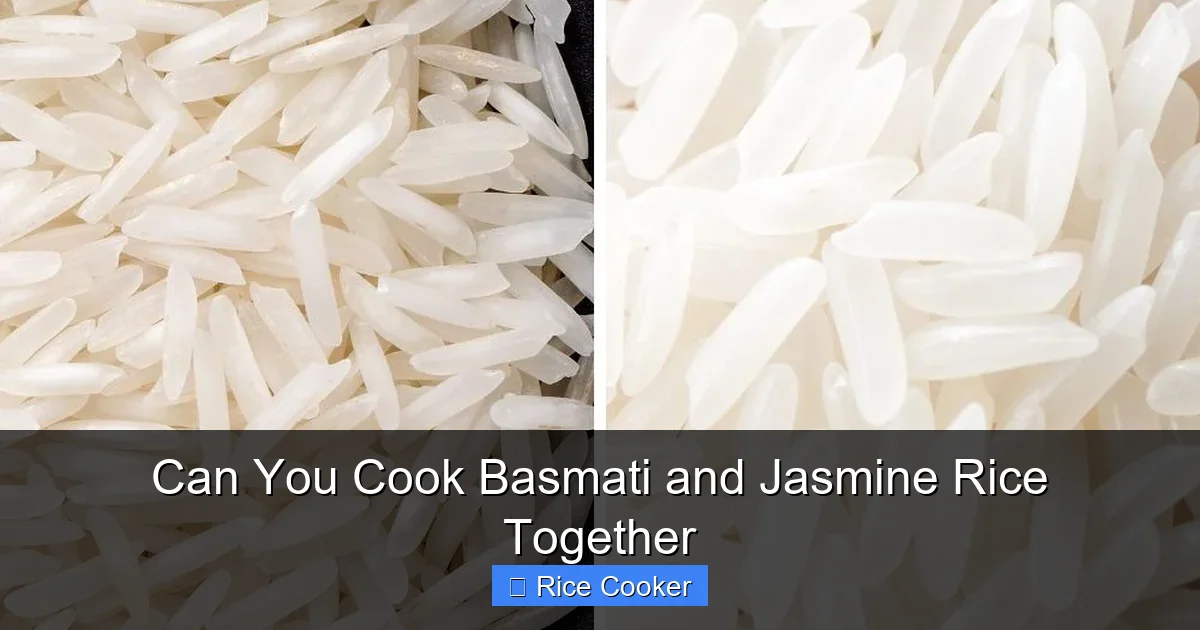
Can you cook basmati and jasmine rice together? Yes—but only under the right conditions. While both are aromatic long-grain varieties, they have different starch profiles and water absorption rates, so combining them requires attention to timing, ratio, and cooking method. With a few smart adjustments, you can create a delicious blend that enhances both flavors.
Key Takeaways
- Basmati and jasmine rice can be cooked together, but not always simultaneously due to differing cooking times.
- Jasmine rice tends to cook faster than basmati, so it’s often added halfway through the process or cooked separately and combined later.
- Using a rice cooker with multiple settings improves success, allowing precise control over temperature and timing.
- Proper rinsing and soaking are essential to prevent clumping and ensure even texture.
- A 1:1 ratio works well for many recipes, but adjust based on desired flavor balance and dish type.
- Cooking them together in a single pot without a rice cooker increases risk of uneven results.
- Combining the grains adds complexity to dishes like fried rice, pilafs, or grain bowls.
📑 Table of Contents
Introduction: Aromatic Grains, Bold Flavors
Imagine serving a bowl of fragrant, fluffy rice at dinner—golden grains glistening under soft kitchen lights, each bite bursting with subtle sweetness and nutty undertones. Now picture that same bowl, but instead of one type of rice, it contains two: the delicate floral notes of jasmine rice mingling with the rich, nutty aroma of basmati. Sounds intriguing, right? You’re not alone. Many home cooks wonder if can you cook basmati and jasmine rice together—and more importantly, should you?
The answer is yes, but with caveats. Basmati and jasmine rice are both beloved for their distinct aromas and textures, but they behave differently when cooked. Basmati, originating from India and Pakistan, has a low starch content and elongates beautifully when steamed. Jasmine rice, hailing from Thailand, is stickier and releases more amylopectin, giving it a softer, clingier consistency. Because of these differences, simply dumping both types into a pot with water won’t yield ideal results. However, with thoughtful preparation and the right tools—like a reliable rice cooker—you can master the art of blending these two aromatic stars.
Understanding Basmati vs. Jasmine Rice
Before diving into the “how,” let’s clarify the “what.” Both basmati and jasmine rice belong to the Oryza sativa species—specifically, the indica subspecies—but they’ve evolved in different regions, leading to unique characteristics that affect how they cook and taste.
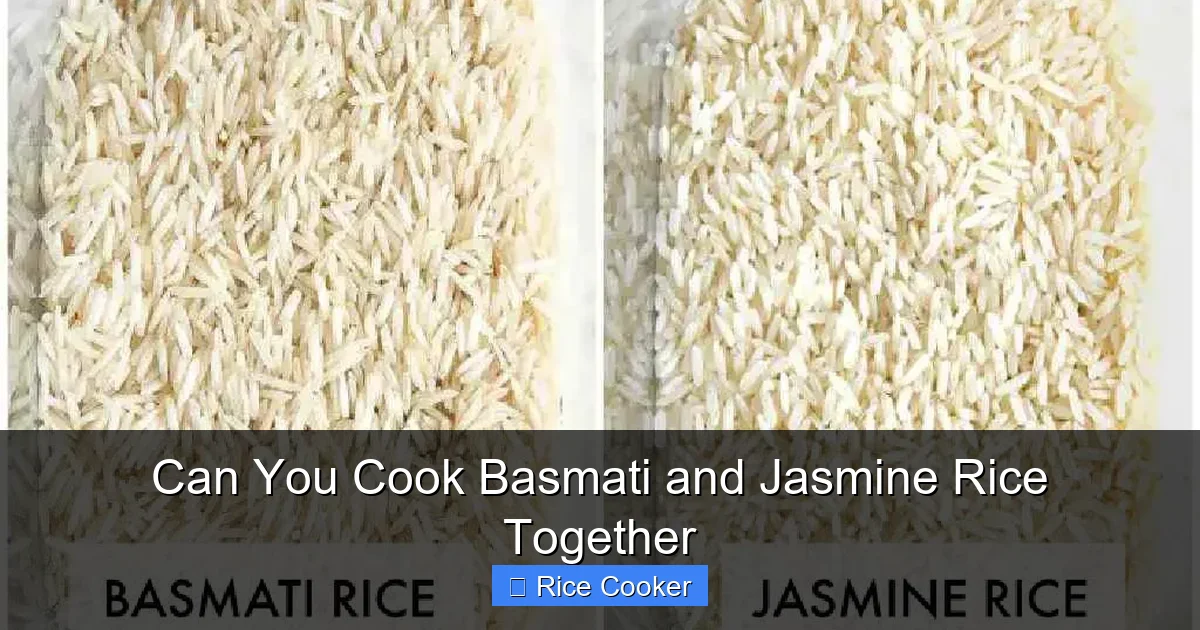
Visual guide about Can You Cook Basmati and Jasmine Rice Together
Image source: kitchenbun.com
Flavor Profiles and Origins
Basmati rice is known for its signature nutty, slightly sweet flavor and long, slender grains that remain separate after cooking. Its name comes from the Hindi word for “queen of fragrances.” When fully cooked, basmati grains are light and fluffy, making it ideal for biryanis, pilafs, and side dishes.
Jasmine rice, on the other hand, carries a subtle floral aroma reminiscent of jasmine tea or white orchids. It’s slightly stickier than basmati and has a creamier mouthfeel. This stickiness makes it perfect for Thai curries, stir-fries, or sushi-style dishes where a cohesive texture is desired.
Cooking Behavior and Texture
One of the biggest differences lies in their starch content. Jasmine rice contains more amylopectin (a sticky starch), which causes it to become softer and more adhesive when cooked. Basmati, with its higher amylose content, resists sticking and maintains structure even after prolonged cooking.
This means that if you cook them together from the start, jasmine rice might turn mushy while basmati stays undercooked. That’s why most experts recommend either cooking them separately or adjusting the method significantly.
Can You Cook Them Together in a Rice Cooker?
Now, back to your original question: can you cook basmati and jasmine rice together in a rice cooker? The short answer is yes—but not all at once. Most standard rice cookers don’t have advanced programs to handle mixed grains with precision, so timing becomes critical.
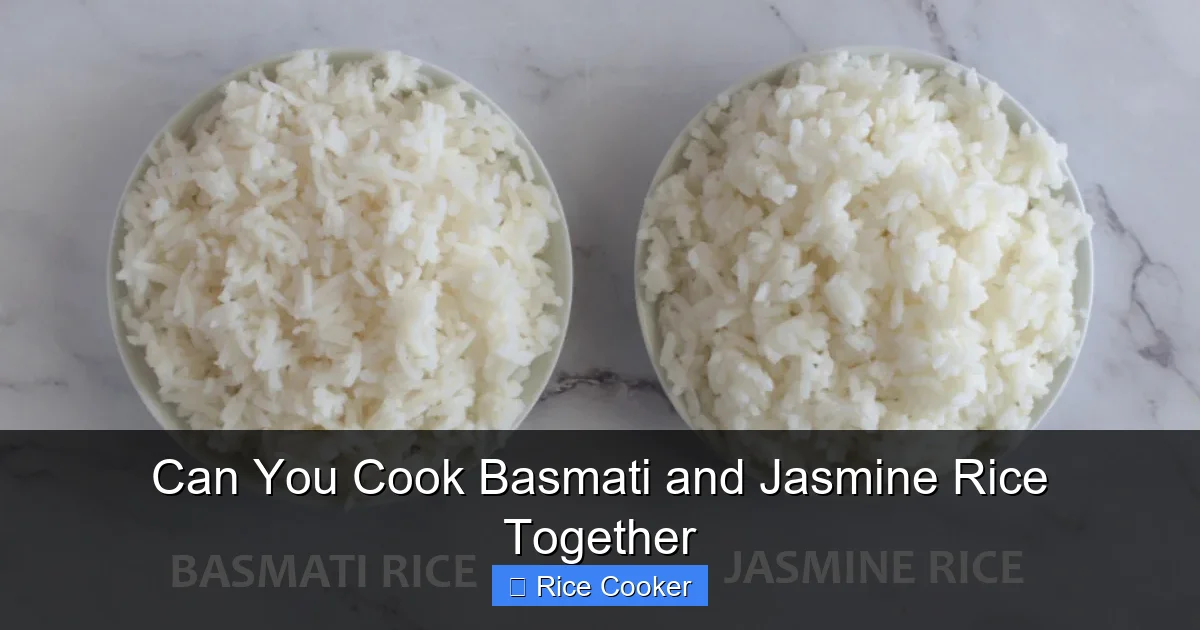
Visual guide about Can You Cook Basmati and Jasmine Rice Together
Image source: thericechick.com
Option 1: Cook Separately, Then Combine
The safest approach is to cook each rice type independently and then mix them before serving. Here’s how:
- Rinse 1 cup of basmati rice until the water runs clear, then soak for 20–30 minutes. Drain and cook using the standard white rice setting.
- In another pot or the same rice cooker (if dual-compartment models exist), cook jasmine rice according to package instructions—usually about 18–20 minutes on high pressure or steam.
- Once both are done, fluff each gently with a fork, then combine in a large bowl and gently fold to mix without mashing the grains.
This method ensures each grain reaches optimal texture and prevents any from becoming overdone.
Option 2: Layer Cooking (Advanced Technique)
If you insist on cooking them together, try this layered method:
- Add water to the rice cooker base (use 1.5 cups per 1 cup of rice as a starting point).
- Place a trivet or perforated insert inside.
- Put basmati rice on the trivet and add jasmine rice in a separate heatproof container above it (not touching water).
- Cook on the “white rice” setting. After 10 minutes, open the lid briefly and stir the top layer lightly—this helps equalize moisture.
- Continue cooking; jasmine rice may finish first, so be ready to remove it early if needed.
Note: Not all rice cookers allow lifting lids mid-cycle, so check your model’s manual.
Option 3: Use a Multi-Cooker or Pressure Cooker
Some modern multi-cookers (like Instant Pot) offer multiple racks or steaming baskets. In these cases, you can place basmati on the bottom rack (direct contact with liquid) and jasmine on the upper rack (steamed indirectly). Set timer accordingly—basmati needs longer, so start jasmine later or monitor closely.
Practical Tips for Success
Even with the best intentions, mixing rice varieties can go wrong. Here’s how to avoid common pitfalls:
Measure Carefully
Use a consistent measuring cup. Don’t eyeball it. A typical serving is about ½ cup uncooked rice per person. If blending 1:1, use equal parts by volume—but remember, jasmine expands more, so you might want slightly less of it if you prefer less stickiness.
Adjust Water Ratios
Since jasmine absorbs more water, consider reducing total liquid by 1–2 tablespoons per cup of jasmine rice. Start with 1.75 cups water per cup of mixed rice and check doneness halfway through.
Don’t Skip Rinsing
Both types benefit from rinsing to remove excess surface starch. For basmati, this prevents gumminess; for jasmine, it reduces stickiness. Rinse under cold running water until clear.
Let It Rest
After turning off the rice cooker, let the mixture sit covered for 5–10 minutes. This allows residual steam to finish cooking any underdone grains and improves texture uniformity.
Garnish to Mask Imperfections
If the blend isn’t perfectly textured, brighten it up! Add fresh herbs like cilantro or mint, a squeeze of lime, toasted nuts, or a drizzle of olive oil. Flavor often covers minor texture issues.
Best Recipes Using Mixed Rice
Cooking basmati and jasmine rice together shines in creative dishes where contrast matters. Try these ideas:
Thai-Inspired Fried Rice
Use equal parts cooked basmati and jasmine rice. Stir-fry with soy sauce, garlic, eggs, peas, and carrots. The basmati adds structure while jasmine contributes chewiness—perfect for absorbing sauce.
Lemon-Herb Grain Bowl
Toss cooled blended rice with cherry tomatoes, cucumber, feta, and lemon-tahini dressing. The floral notes of jasmine pair beautifully with citrus, while basmati balances the richness.
Spiced Pilaf with Dried Fruit
Sauté onions and spices (cumin, cinnamon) in olive oil. Add mixed rice, broth, and dried apricots. Simmer until absorbed. Sweet and savory harmony!
Curried Rice Medley
Make a mild curry paste (turmeric, ginger, garlic, coconut milk). Cook it with rice and simmer until tender. Serve with grilled chicken or tofu.
Common Mistakes to Avoid
Even experienced cooks slip up. Watch out for these errors:
- Overcrowding the cooker: Too much rice blocks steam circulation, leading to uneven cooking.
- Not stirring during cooking: Especially risky with layered methods—moisture distribution suffers.
- Skipping the rest period: Steam continues cooking rice after shutdown, so resting prevents sogginess.
- Using old or low-quality rice: Stale grains absorb poorly and taste flat.
- Ignoring altitude adjustments: At high elevations, water boils faster, so reduce liquid slightly and increase cooking time.
Choosing the Right Rice Cooker
Your appliance plays a huge role in success. Look for features that support mixed-rice cooking:
- Fuzzy Logic Technology: Automatically adjusts time and temperature based on grain type.
- Multiple Settings: Options like “brown rice,” “quick cook,” or “steam” help manage different behaviors.
- Keep-Warm Function: Maintains perfect serving temp without drying out.
- Large Capacity: Essential if cooking larger batches or multiple components.
- Removable Inner Pot: Makes cleaning and transferring rice easier.
Top picks include Zojirushi Neuro Fuzzy, Cuckoo CRP-DH1065F, and Instant Pot Duo Crisp—all capable of handling mixed grains with care.
Storage and Reheating
Leftovers? No problem. Store cooled blended rice in an airtight container for up to 4 days. Reheat in a microwave with a splash of water to revive moisture. Avoid reheating in the rice cooker unless it has a dedicated reheat function—it’s designed for cooking, not warming.
Conclusion: Embrace the Blend
So, can you cook basmati and jasmine rice together? Absolutely—with planning, patience, and the right technique. While they’re not natural bedfellows in a single pot, combining them opens doors to exciting flavor combinations and textural contrasts. Whether you’re aiming for a fragrant grain bowl, a hearty pilaf, or adventurous fried rice, mastering this duo elevates your culinary game.
Remember: rice cookers are powerful allies, but understanding the science behind each grain gives you control. Experiment with ratios, flavors, and methods. And don’t fear mistakes—they’re just learning opportunities in disguise. Soon enough, you’ll be confidently telling friends, “I cooked basmati and jasmine rice together… and it was amazing!”
Frequently Asked Questions
Can I cook basmati and jasmine rice together in a regular pot on the stove?
It’s possible, but tricky. Since jasmine rice cooks faster, you’d need to add it halfway through or remove it once done. Constant monitoring is required to prevent overcooking. Using a rice cooker offers better control.
What’s the best ratio of basmati to jasmine rice when cooking together?
A 1:1 ratio by volume works well for most dishes. Adjust slightly based on preference—use more basmati for fluffiness or more jasmine for stickiness. Start small when experimenting.
Do I need special equipment to cook them together successfully?
Not necessarily. A standard rice cooker suffices, but models with fuzzy logic or multiple settings make the process easier. For stovetop cooking, a steamer basket helps layer ingredients safely.
Will cooking them together change the flavor significantly?
Yes—subtly. The floral notes of jasmine blend with the nuttiness of basmati, creating a complex aroma. Some describe it as “earthy-sweet.” It won’t overpower either grain but adds depth.
How do I fix mushy jasmine rice in a mixed batch?
Drain excess water, spread the rice on a tray, and let it dry briefly at room temperature. Fluff with a fork and reheat with a damp paper towel in the microwave to restore moisture balance.
Can I substitute other rice types if I don’t have basmati or jasmine?
Absolutely! Brown basmati, wild rice, or even converted rice can work in blends. Just adjust cooking times—brown rice takes longer, wild rice doesn’t expand much, and converted rice is pre-steamed for faster cooking.