
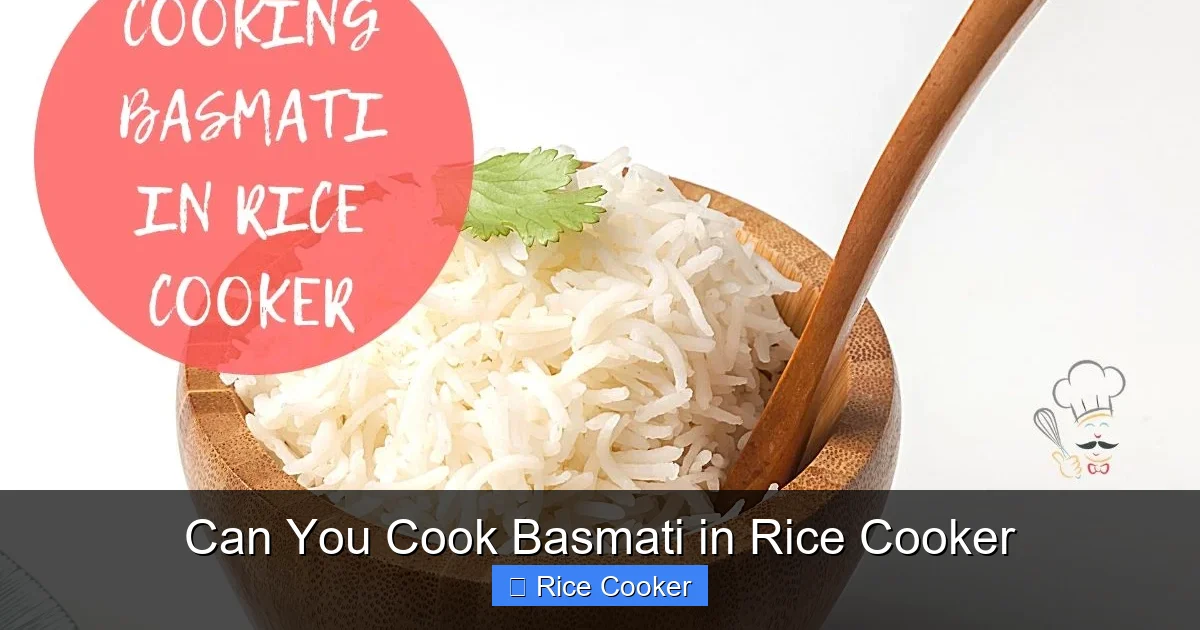
You can cook basmati rice in a rice cooker, and it’s one of the simplest ways to prepare it at home. With the right water-to-rice ratio and a few quick prep steps, your rice cooker delivers fluffy, fragrant results every time. Whether you’re cooking for one or feeding a crowd, this method saves time and ensures consistent texture and flavor.
Key Takeaways
- Basmati rice works perfectly in rice cookers: Its long grains and light texture pair well with the even heat distribution and automatic shut-off feature.
- Proper rinsing is essential: Rinsing removes excess starch, preventing clumping and ensuring each grain stays separate and fluffy.
- Use the correct water ratio: A 1:1.5 to 1:1.75 (rice to water) ratio typically yields ideal results for most rice cookers.
- Soaking improves texture: Letting soaked basmati sit for 20–30 minutes before cooking helps grains expand evenly and cook uniformly.
- Cleaning and maintenance matter: Rinse the inner pot after use and store it properly to keep your rice cooker in top shape.
- Experiment with seasonings: Add salt, butter, or ghee during cooking for extra flavor without altering the basic method.
📑 Table of Contents
- Can You Cook Basmati in Rice Cooker? Absolutely—Here’s How!
- Why Choose a Rice Cooker for Basmati?
- What Makes Basmati Rice Special?
- Step-by-Step Guide: How to Cook Basmati in a Rice Cooker
- Tips for Perfect Basmati in a Rice Cooker
- Common Mistakes to Avoid
- Variations and Flavor Enhancements
- Cleaning and Maintaining Your Rice Cooker
- Frequently Asked Questions (FAQs)
Can You Cook Basmati in Rice Cooker? Absolutely—Here’s How!
If you love the delicate aroma and fluffy texture of basmati rice but want an easy, hands-off way to cook it, your rice cooker might just be your new best friend. Unlike stovetop methods that require constant monitoring, a rice cooker takes care of the hard work by automatically detecting when the water has been absorbed and switching to warm mode. And yes—cooking basmati in a rice cooker is not only possible, it’s actually one of the most reliable ways to achieve restaurant-quality results at home.
Basmati rice, known for its distinctive floral scent and long, slender grains, is a staple in many cuisines around the world. Traditionally cooked on the stovetop or in a dutch oven, it can also be prepared in an electric rice cooker with excellent results. The secret lies in understanding your cooker’s behavior, using the right ingredients, and following a few simple steps. Whether you’re a beginner or a seasoned cook, learning how to make basmati rice in a rice cooker will save you time and effort while delivering delicious meals every time.
Why Choose a Rice Cooker for Basmati?
Rice cookers have evolved far beyond their original purpose. While they were once simple devices that boiled water and rice, modern models come with multiple settings, fuzzy logic, and even delay timers. These advancements make them ideal for cooking various types of rice—including basmati—with precision and ease.

Visual guide about Can You Cook Basmati in Rice Cooker
Image source: thekitchenabroad.com
Consistent Results Every Time
One of the biggest advantages of using a rice cooker is consistency. Unlike the stovetop method, where heat fluctuations can lead to unevenly cooked grains, a rice cooker maintains a steady temperature throughout the cooking cycle. This means your basmati will cook evenly, whether you’re making a small batch for dinner or preparing enough for a family gathering.
Saves Time and Effort
No need to stand over a hot stove, stir constantly, or worry about burning the bottom. Just measure the rice, add water, press a button, and let the machine do the rest. After cooking, the rice automatically switches to “warm” mode, keeping it at the perfect serving temperature without drying it out.
Energy Efficient
Rice cookers use less energy than gas stoves or ovens, making them a greener choice. They’re especially handy during power outages if you have a manual rice cooker with a locking lid—though most modern models are electric and won’t work without power.
What Makes Basmati Rice Special?
Before diving into the cooking process, it’s helpful to understand what sets basmati rice apart from other varieties. Native to the Indian subcontinent, basmati is prized for its unique characteristics:
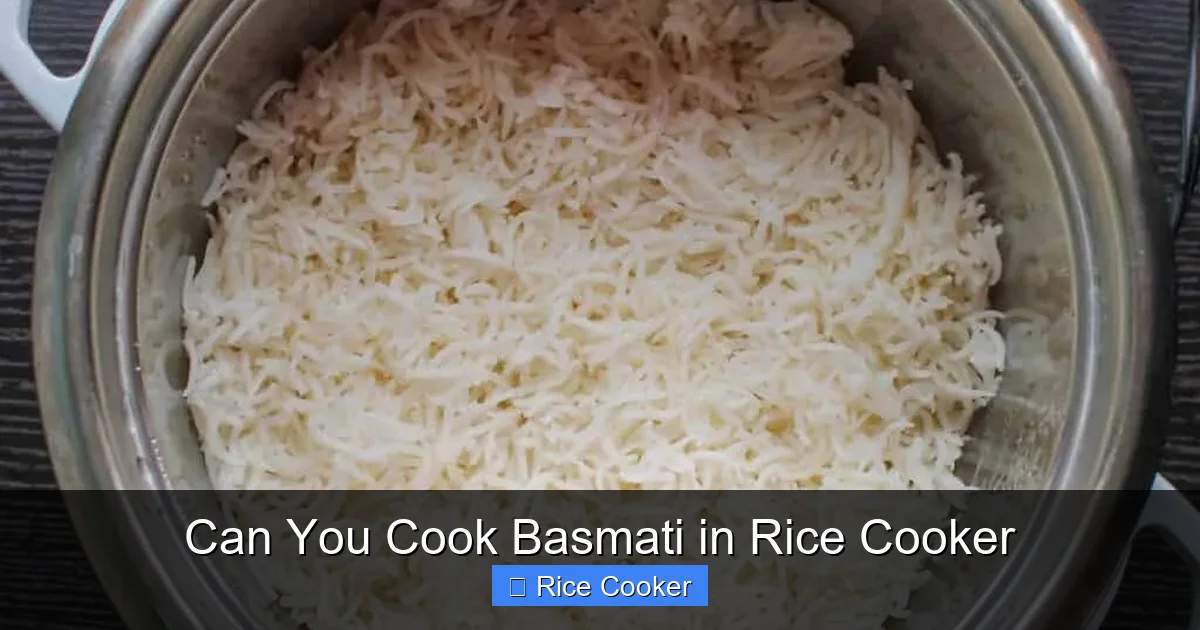
Visual guide about Can You Cook Basmati in Rice Cooker
Image source: everydaynourishingfoods.com
- Aroma: It releases a subtle, nutty, and slightly sweet fragrance when cooked—this is due to specific volatile compounds in the grain.
- Texture: Long, slender grains that remain separate and non-sticky after cooking, even when overcooked.
- Nutritional profile: Low in fat and gluten-free, making it a healthy choice when paired with vegetables, legumes, or lean proteins.
These qualities make basmati ideal for dishes like biryani, pilafs, and side dishes, and they’re preserved beautifully in a rice cooker when the right techniques are used.
Step-by-Step Guide: How to Cook Basmati in a Rice Cooker
Cooking basmati in a rice cooker doesn’t require advanced skills—just attention to detail and a few trusted steps. Here’s how to do it perfectly every time.
1. Measure Your Ingredients Accurately
The foundation of great rice is precise measurement. For every cup of uncooked basmati rice, use approximately 1.5 to 1.75 cups of water. This range depends on your rice cooker model and personal preference—some prefer slightly firmer rice, others softer.
Tip: Use measuring cups specifically designed for dry and liquid ingredients. Level off the rice for accuracy.
2. Rinse the Rice Thoroughly
Never skip this step! Rinsing removes excess surface starch, which prevents the grains from sticking together. Place the rice in a fine-mesh strainer and rinse under cold running water until the water runs clear. This usually takes about 1–2 minutes.
Why it matters: Unrinsed rice can turn mushy or clumpy, especially in humid climates or with older grains.
3. Soak for Better Texture (Optional but Recommended)
Let the rinsed rice soak in water for 20–30 minutes before cooking. This allows the grains to absorb moisture gradually, resulting in more uniform expansion and a fluffier final product.
Note: If you’re short on time, you can skip soaking, but it’s worth the wait for optimal results.
4. Add Water and Optional Enhancements
After draining the soaked rice, return it to the inner pot of your rice cooker. Add the measured water, and consider enhancing the flavor with:
- A pinch of salt
- 1/2 teaspoon of ghee or butter (optional but adds richness)
- 1/4 teaspoon of cardamom powder (for authentic basmati flavor)
Give everything a gentle stir, but don’t overmix—this can break the delicate grains.
5. Close the Lid and Start Cooking
Plug in your rice cooker and select the “White Rice” or “Basmati” setting if available. If your model only has a “Cook” button, that’s fine too—it will default to white rice settings. Press start and wait.
The cooking process typically takes 15–20 minutes. Avoid opening the lid during this time—steam loss can affect timing and texture.
6. Let It Rest Before Fluffing
Once the cooker switches to “Warm,” let the rice sit for 5–10 minutes. This resting period allows steam to redistribute evenly, making fluffing easier and improving texture.
7. Fluff Gently with a Fork
Use a fork to gently fluff the rice, separating any clumps. Don’t mash it—basmati should remain light and airy. Serve immediately or keep it warm on the “Keep Warm” setting for up to 30 minutes.
Tips for Perfect Basmati in a Rice Cooker
Even experienced cooks benefit from small tweaks that elevate their results. Here are some pro tips to help you master basmati in your rice cooker.
Choose High-Quality Basmati
Not all basmati is created equal. Look for premium whole-grain basmati labeled as “aged” or “extra long grain.” Avoid pre-packaged blends unless you’re confident in their quality. Popular brands include Royal, Daawat, and Tilda.
Adjust Water Based on Altitude
At higher elevations, water boils at a lower temperature, so you may need slightly more water. Increase by 1–2 tablespoons per cup if you live above 3,000 feet.
Don’t Overfill the Pot
Most rice cookers have a maximum fill line. Exceeding it can cause overflow or poor heat circulation. Stick to the recommended capacity for best performance.
Preheat the Inner Pot (For Some Models)
If your rice cooker has a non-stick or ceramic inner pot, you can briefly heat it empty on low for a minute before adding rice and water. This helps prevent sticking, though it’s optional.
Use a Timer for Delayed Cooking
Leverage your rice cooker’s delay timer feature to have freshly cooked rice ready exactly when you need it—perfect for busy mornings or unexpected guests.
Common Mistakes to Avoid
While cooking basmati in a rice cooker is straightforward, a few common errors can ruin your dish. Be mindful of these pitfalls.
Skipping the Rinse
This is the #1 mistake. Unrinsed rice leads to sticky, clumpy results. Always rinse until water runs clear.
Using Too Much Water
Too much water makes the rice soggy. Stick to the 1:1.5 to 1:1.75 ratio and taste-test if unsure.
Opening the Lid During Cooking
Each time you open the lid, you lose heat and steam, which can extend cooking time and affect texture.
Fluffing Too Hard
Gently lift and separate the grains with a fork. Aggressive stirring turns basmati into mush.
Ignoring Cleaning
Always clean the inner pot and lid after use. Residue can build up and affect future batches.
Variations and Flavor Enhancements
Once you’ve mastered plain basmati, experiment with flavors to suit different cuisines or preferences.
Buttered or Garlic-Scented Basmati
Add 1 tablespoon of melted butter or ghee to the water before cooking. For garlic flavor, sauté 2 minced cloves in oil, then add rice and water.
Spiced Basmati (Pilaf Style)
In a saucepan first, toast the rice in oil with onions, garlic, and spices like cumin, coriander, and bay leaves. Then transfer to the rice cooker with water.
Herbed or Vegetable-Infused
Add chopped herbs like parsley or mint during the last minute of cooking, or mix in steamed peas and carrots for a complete meal.
Sweet Varieties
For desserts, cook basmati with milk, sugar, and cardamom. Top with nuts and dried fruit for a creamy rice pudding.
Cleaning and Maintaining Your Rice Cooker
Proper care extends the life of your appliance and ensures hygienic cooking. Follow these maintenance tips:
- Unplug before cleaning: Always disconnect the rice cooker before washing parts.
- Hand-wash the inner pot: Most are not dishwasher-safe. Use mild soap and a soft sponge.
- Wipe the exterior: Clean the outer shell with a damp cloth; avoid submerging the base.
- Check the vent and lid seal: Ensure no food particles block steam release or damage the gasket.
- Store properly: Keep the lid slightly ajar to allow airflow and prevent mold.
Frequently Asked Questions (FAQs)
How much water do I use for basmati rice in a rice cooker?
Use 1.5 to 1.75 cups of water per 1 cup of basmati rice. Adjust based on your preferred texture—more water for softer rice, less for firmer grains.
Do I need to soak basmati rice before cooking?
Soaking is optional but recommended. It helps the grains cook evenly and improves texture. Soak for 20–30 minutes after rinsing.
Can I cook brown basmati in a rice cooker?
Yes, but brown basmati requires more water and longer cooking time. Use a 1:2 ratio and select the “Brown Rice” setting if available.
Why is my basmati rice sticky?
Sticky rice usually results from not rinsing the grains or using too much water. Always rinse thoroughly and measure water accurately.
Can I cook other types of rice in the same rice cooker?
Absolutely. Most rice cookers handle jasmine, wild, black, and even quinoa. Just follow the appropriate water ratios and settings.
Is it safe to leave rice on the “Keep Warm” setting for hours?
It’s best to serve rice within 30–60 minutes on “Keep Warm.” Prolonged exposure can dry out or spoil the rice. Refrigerate leftovers promptly.
Frequently Asked Questions
How much water do I use for basmati rice in a rice cooker?
Use 1.5 to 1.75 cups of water per 1 cup of basmati rice. Adjust based on your preferred texture—more water for softer rice, less for firmer grains.
Do I need to soak basmati rice before cooking?
Soaking is optional but recommended. It helps the grains cook evenly and improves texture. Soak for 20–30 minutes after rinsing.
Can I cook brown basmati in a rice cooker?
Yes, but brown basmati requires more water and longer cooking time. Use a 1:2 ratio and select the “Brown Rice” setting if available.
Why is my basmati rice sticky?
Sticky rice usually results from not rinsing the grains or using too much water. Always rinse thoroughly and measure water accurately.
Can I cook other types of rice in the same rice cooker?
Absolutely. Most rice cookers handle jasmine, wild, black, and even quinoa. Just follow the appropriate water ratios and settings.
Is it safe to leave rice on the “Keep Warm” setting for hours?
It’s best to serve rice within 30–60 minutes on “Keep Warm.” Prolonged exposure can dry out or spoil the rice. Refrigerate leftovers promptly.