
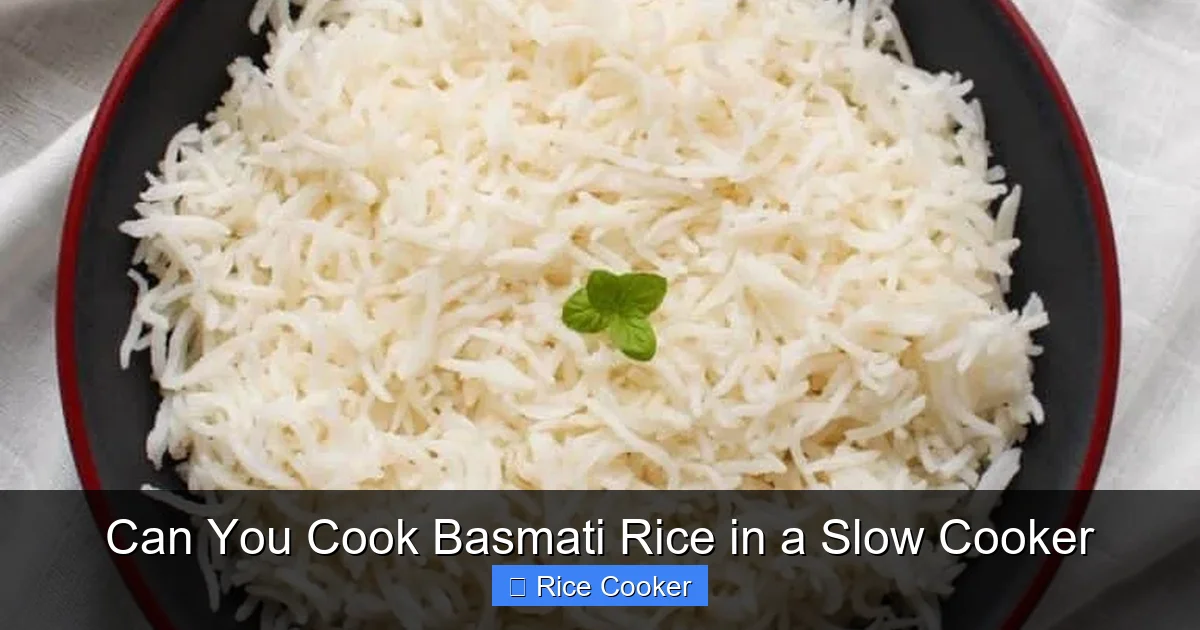
Can you cook basmati rice in a slow cooker? Absolutely! With the right water-to-rice ratio and timing, your slow cooker can produce perfectly fluffy, fragrant basmati rice without constant attention. This convenient method is ideal for meal prep, one-pot meals, or freeing up your stovetop. Whether you’re using white or brown basmati, our step-by-step guide ensures foolproof results every time.
Key Takeaways
- Yes, it’s possible: A slow cooker can cook basmati rice successfully when using the correct water ratio and cooking time.
- Use the right pot size: Choose a slow cooker insert that fits 1.5 to 2 times the volume of uncooked rice to prevent overflow.
- Stick to the ratio: For white basmati, use 1.5 cups water per 1 cup rice; for brown basmati, use 2 cups water per 1 cup rice.
- Don’t skip the lid: Keep the lid on during cooking to trap steam and ensure even heat distribution.
- Rest before fluffing: Let cooked rice sit covered for 10–15 minutes after cooking to absorb excess moisture and improve texture.
- Experiment with flavors: Add spices like cumin, cardamom, or bay leaves during cooking for aromatic basmati dishes.
- Troubleshoot common issues: Overcooked rice? Try reducing water slightly; undercooked? Add a bit more water and cook longer on high.
Have you ever come home tired after work, opened your pantry, and realized you only have basmati rice left? Maybe you’re meal prepping for the week and want something simple but satisfying. Or perhaps you just don’t own a rice cooker and are wondering if your slow cooker can handle the job. The good news? Yes, you absolutely can cook basmati rice in a slow cooker. In fact, it might just become your new go-to method for fluffy, fragrant rice—without standing over a hot stove.
Slow cookers are beloved for their convenience. You add ingredients, set them, and forget about them until dinner time. While they’re often used for stews, soups, and braised meats, many people don’t realize how versatile they are—especially when it comes to grains like basmati rice. With a few simple adjustments, your slow cooker can deliver restaurant-quality basmati rice that’s light, separate, and bursting with aroma.
In this article, we’ll walk you through everything you need to know: from choosing the right rice to mastering the water ratio, avoiding common mistakes, and even adding flavor twists. By the end, you’ll be confident cooking perfect basmati rice in your slow cooker—no rice cooker required.
Key Takeaways
- Understanding can you cook basmati rice in a slow cooker: Provides essential knowledge
📑 Table of Contents
- Understanding Basmati Rice
- Can a Slow Cooker Actually Cook Rice?
- Best Practices for Cooking Basmati Rice in a Slow Cooker
- Step-by-Step Guide: How to Cook Basmati Rice in a Slow Cooker
- Flavor Variations and Creative Uses
- Troubleshooting Common Issues
- Comparing Slow Cooker vs. Other Methods
- Tips for Busy Lifestyles
- Final Thoughts
Understanding Basmati Rice
Before diving into the slow cooker method, let’s talk about what makes basmati rice special. Originating from the Indian subcontinent, basmati is a long-grain aromatic rice known for its distinctive nutty fragrance and fluffy texture when cooked properly. Unlike short- or medium-grain rices (like sushi or arborio), basmati stays separate and doesn’t stick together—ideal for pilafs, biryanis, or simply served with curries.
There are two main types: white and brown basmati. White basmati is polished, lighter in color, and cooks faster. Brown basmati retains its bran layer, giving it a chewier texture and nuttier flavor, though it requires more water and longer cooking time. Both can be made in a slow cooker, but the method differs slightly.
When cooking basmati in any vessel—including a slow cooker—the key is controlling moisture and heat. Basmati expands significantly when soaked and cooked, so getting the water-to-rice ratio right is crucial. Too much water leads to mushy rice; too little, and it stays hard and starchy.
Can a Slow Cooker Actually Cook Rice?
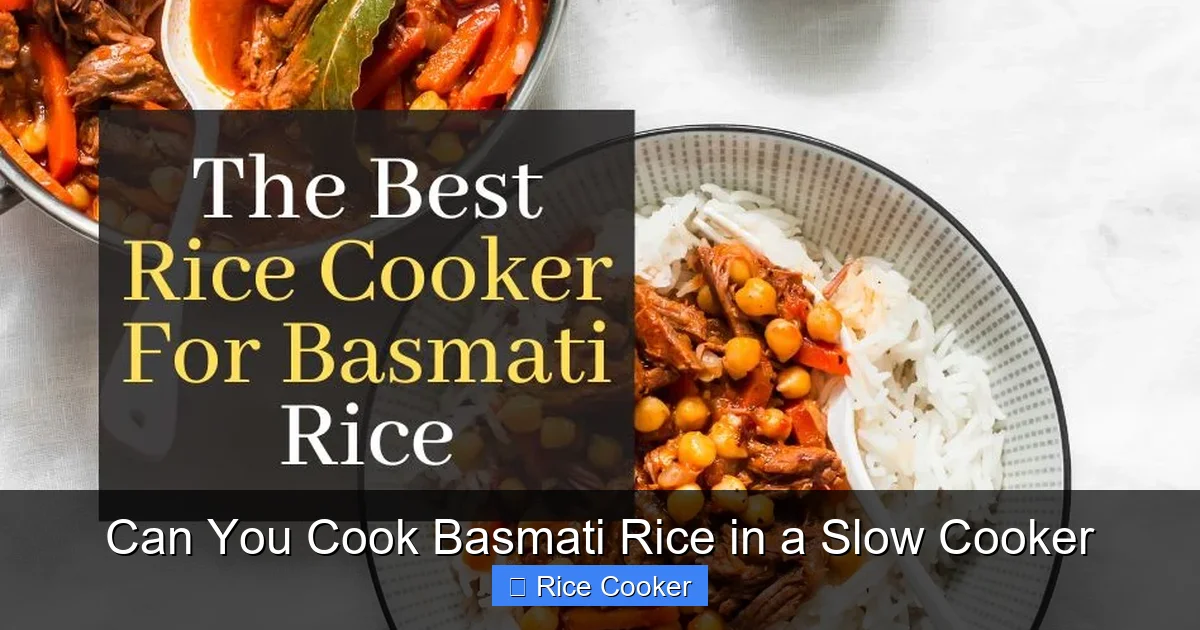
Visual guide about Can You Cook Basmati Rice in a Slow Cooker
Image source: gadgets-club.com
You might be thinking: “Does a slow cooker get hot enough to cook rice?” Great question! Most slow cookers operate between 190°F and 210°F (88°C to 99°C), which is sufficient to gelatinize the starches in rice and cook it through. Unlike pressure cookers that rely on high pressure, slow cookers use low, moist heat—similar to boiling, but gentler.
The trick is creating the right environment: enough water to hydrate the grains and enough time for the heat to penetrate evenly. Since slow cookers circulate heat slowly, rice needs at least 30–60 minutes on low or high to cook fully. White basmati typically takes less time than brown due to its refined grain structure.
It’s also important to note that not all slow cooker models are created equal. Some older or lower-end models may have inconsistent heating elements. If yours has a “warm” setting, avoid using it for cooking rice—it’s designed only to maintain temperature, not raise it.
Best Practices for Cooking Basmati Rice in a Slow Cooker
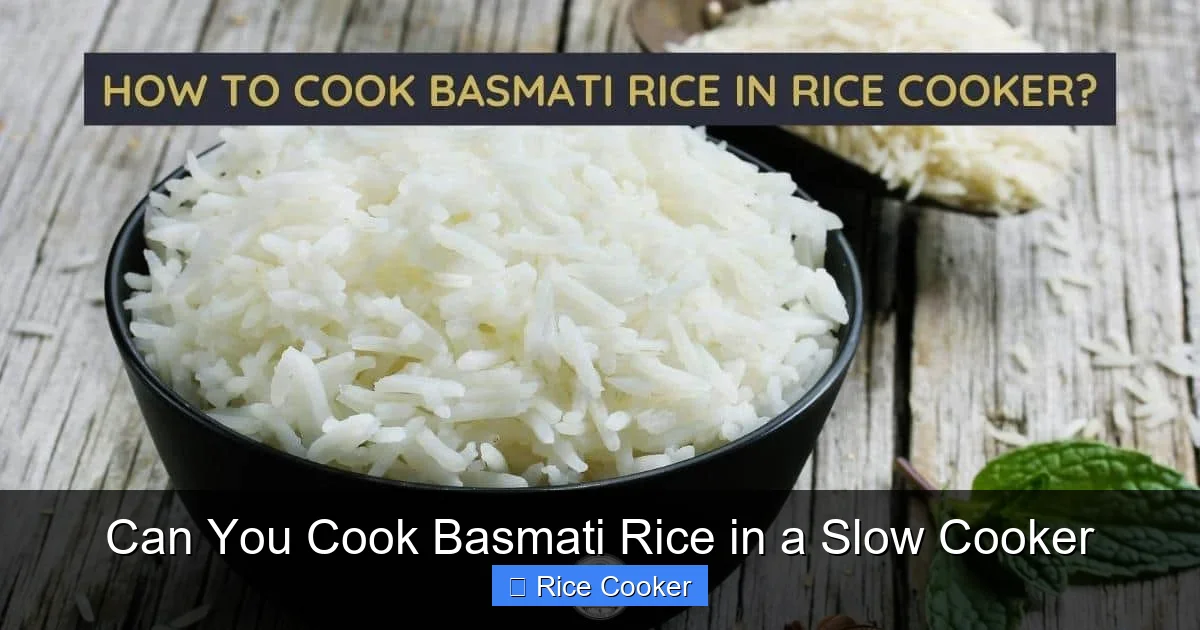
Visual guide about Can You Cook Basmati Rice in a Slow Cooker
Image source: thekitchenabroad.com
Ready to give it a try? Follow these best practices for foolproof results every time.
Choose the Right Slow Cooker Size
Select an insert that can hold at least 1.5 to 2 times the volume of your uncooked rice. For example, if you’re cooking 1 cup of rice, use a 2-quart or larger insert. This prevents overflow and ensures even cooking. Round inserts tend to cook more evenly than oval ones because the heat distributes uniformly around the sides.
Wash and Soak the Rice (Optional but Recommended)
Rinsing removes excess starch, which helps prevent clumping. Place 1 cup of basmati rice in a fine-mesh strainer and rinse under cold water until the water runs clear. Soaking for 20–30 minutes (or up to 2 hours) softens the grains and reduces cooking time. Drain well before adding to the slow cooker.
Use the Correct Water Ratio
This is the most critical factor. The general rule is:
- White basmati: 1.5 cups water per 1 cup rice
- Brown basmati: 2 cups water per 1 cup rice
For extra fluffy results, some chefs recommend using broth instead of water—chicken, vegetable, or even saffron-infused stock adds flavor. Just remember that liquid counts toward your total.
Layer Ingredients Properly
Add rice first, then water (or liquid). Never stir after adding liquid—this releases starch and causes stickiness. If adding aromatics like garlic, onion, or spices, place them beneath the rice layer to infuse gently.
Cook on Low or High?
- Low heat (best for brown basmati): 4–6 hours. Gentle simmer prevents burning and allows gradual hydration.
- High heat (faster option): 30–45 minutes for white basmati. Monitor closely to avoid drying out.
Avoid using the “warm” setting during cooking. Once done, switch to warm only if you plan to serve immediately.
Step-by-Step Guide: How to Cook Basmati Rice in a Slow Cooker
Let’s put theory into practice with a simple recipe.
Ingredients
- 1 cup basmati rice (white or brown)
- 1.5 cups water (or 2 cups for brown rice)
- Pinch of salt (optional)
- 1 teaspoon ghee or butter (optional, for richness)
Instructions
- Rinse the rice under cold water until the water runs clear. Soak for 20–30 minutes, then drain.
- Add rice to the slow cooker insert. Pour in water (and salt/ghee if using).
- Cover and cook on LOW for 4–6 hours (brown rice) or HIGH for 30–45 minutes (white rice).
- After cooking, turn off the slow cooker and let the rice rest, covered, for 10–15 minutes. This allows residual steam to finish cooking the grains evenly.
- Fluff gently with a fork. Serve warm!
Pro tip: For a one-pot meal, layer rice at the bottom of the slow cooker, then add diced chicken or vegetables on top. Cook as usual—the rice will absorb all the flavors beautifully.
Flavor Variations and Creative Uses
Plain basmati rice is delicious, but why stop there? A slow cooker is perfect for infusing rice with global flavors.
Aromatic Spices
Add ½ teaspoon each of cumin seeds, black mustard seeds, and curry leaves with the water. For Indian-inspired rice, toss in a whole cinnamon stick, 2–3 green cardamom pods, and a bay leaf.
Herbed Infusions
Stir in fresh herbs like thyme, rosemary, or parsley after cooking. Or steep dried herbs (like oregano or basil) in the cooking liquid for 10 minutes, then remove before adding rice.
Saffron Basmati
Soak ¼ teaspoon saffron threads in 2 tablespoons warm milk or water for 15 minutes. Add this infusion to the cooking liquid for a luxurious, golden-hued rice with a floral aroma.
Coconut Milk Rice
Replace half the water with coconut milk for a creamy, tropical twist. Perfect with Thai or Caribbean dishes.
Vegetable Broth Base
Use homemade or store-bought vegetable broth instead of water. It adds depth and pairs well with roasted veggies or lentils added to the mix.
These variations make slow-cooked basmati rice a versatile base for grain bowls, stuffed peppers, or even breakfast porridge with nuts and fruit.
Troubleshooting Common Issues
Even with the best intentions, things don’t always go smoothly. Here’s how to fix common problems.
Too Mushy or Sticky
This usually means too much water or overcooking. Next time, reduce water by ¼ cup and check rice after 75% of the recommended time. Also, avoid lifting the lid frequently—it lets heat escape and disrupts cooking.
Rice Still Hard in the Center
Undercooked rice often results from insufficient liquid or low heat. Add ¼ cup extra water, stir gently, and cook 15–20 minutes longer on high. Cover tightly to retain steam.
Burned or Burnt Bottom Layer
This happens in slow cookers with poor heat distribution. Stir once halfway through cooking (if safe for your model), or place a trivet or piece of parchment paper underneath the rice to elevate it slightly.
Uneven Texture
Not all grains cook at the same rate. To fix this, cook a small test batch first to dial in your timing and ratios. Consistency comes with practice!
Comparing Slow Cooker vs. Other Methods
How does slow-cooked basmati rice stack up against other cooking methods?
Stovetop (Boiling Method)
Pros: Fast, precise control over texture.
Cons: Requires constant attention; easy to overcook.
Verdict: Great for beginners, but less hands-off.
Instant Pot or Pressure Cooker
Pros: Cooks rice quickly (under 10 minutes).
Cons: Can result in denser, less fluffy grains if overcooked.
Verdict: Efficient, but lacks the gentle simmer of a slow cooker.
Oven-Baked Rice
Pros: Even heat distribution; no stirring needed.
Cons: Takes 45–60 minutes; requires oven space.
Verdict: Works well, but slow cookers are more energy-efficient.
Rice Cooker
Pros: Designed specifically for rice; consistently fluffy results.
Cons: Not everyone owns one.
Verdict: Best tool if available—but slow cookers are a worthy alternative.
Ultimately, the slow cooker shines when you want a set-it-and-forget-it solution. It’s ideal for busy days, dorm rooms, or kitchens without dedicated rice cookers.
Tips for Busy Lifestyles
If you’re like most people, life gets hectic. That’s where slow cookers truly excel.
Meal Prep Monday
Cook a large batch of basmati rice at the start of the week. Store in airtight containers in the fridge for up to 5 days. Reheat in the microwave or on the stovetop with a splash of water.
One-Pot Dinners
Combine rice with beans, diced tomatoes, and spices for a hearty vegetarian meal. Add cooked chicken or ground turkey for protein.
Batch Cooking for Freezing
Portion cooked rice into freezer-safe bags. Thaw overnight in the fridge and reheat with a little broth to restore moisture.
Double Duty
Use the same slow cooker to cook rice and stew—just layer rice at the bottom and add meat/veggies on top. The rice absorbs all the delicious juices.
These strategies save time, reduce cleanup, and keep healthy meals on the table—even on the busiest nights.
Final Thoughts
So, can you cook basmati rice in a slow cooker? Without a doubt—yes. It’s not only possible, but it’s also one of the easiest, most forgiving ways to prepare aromatic, fluffy rice. Whether you’re cooking white or brown basmati, following the right steps ensures tender grains every time.
The beauty of the slow cooker method lies in its simplicity and adaptability. No fancy equipment? No problem. Just a few cups of rice, water, and your favorite spices. And while it may take a little longer than the stovetop, the payoff is worth it—especially when you’re juggling work, family, and dinner prep.
Give it a try tonight. Start with a basic recipe, tweak it to your taste, and soon you’ll be serving up restaurant-worthy basmati rice without breaking a sweat. Your future self (and your taste buds) will thank you.
Frequently Asked Questions
Can I cook brown basmati rice in a slow cooker?
Yes, you can cook brown basmati rice in a slow cooker, but it requires more water and longer cooking time—typically 4–6 hours on low. Use 2 cups of water per 1 cup of rice and let it rest after cooking for best texture.
Do I need to soak basmati rice before slow cooking?
Soaking isn’t mandatory, but it helps soften the grains and reduces cooking time. Rinse the rice first to remove excess starch, then soak for 20–30 minutes before draining and adding to the slow cooker.
What if my slow cooker is too small?
If your insert is too small, rice can overflow or burn. Always choose a pot that holds at least 1.5 times the volume of uncooked rice. For 1 cup rice, use a 2-quart or larger insert.
Can I add vegetables or meat to the rice while it cooks?
Yes! Place vegetables or shredded meat on top of the rice layer before adding liquid. The rice will absorb all the flavors during cooking. Just ensure everything is cut into similar-sized pieces for even cooking.
How do I prevent rice from sticking to the bottom?
To avoid sticking, don’t stir after adding liquid, and consider placing a piece of parchment paper or a trivet underneath the rice. Also, ensure your slow cooker heats evenly—older models may need mid-cook stirring.
Can I reheat slow-cooked basmati rice?
Absolutely. Reheat in the microwave with a splash of water or broth to restore moisture. Alternatively, warm it on the stovetop over low heat, covered, until heated through. Avoid microwaving without adding liquid, as it can dry out.