
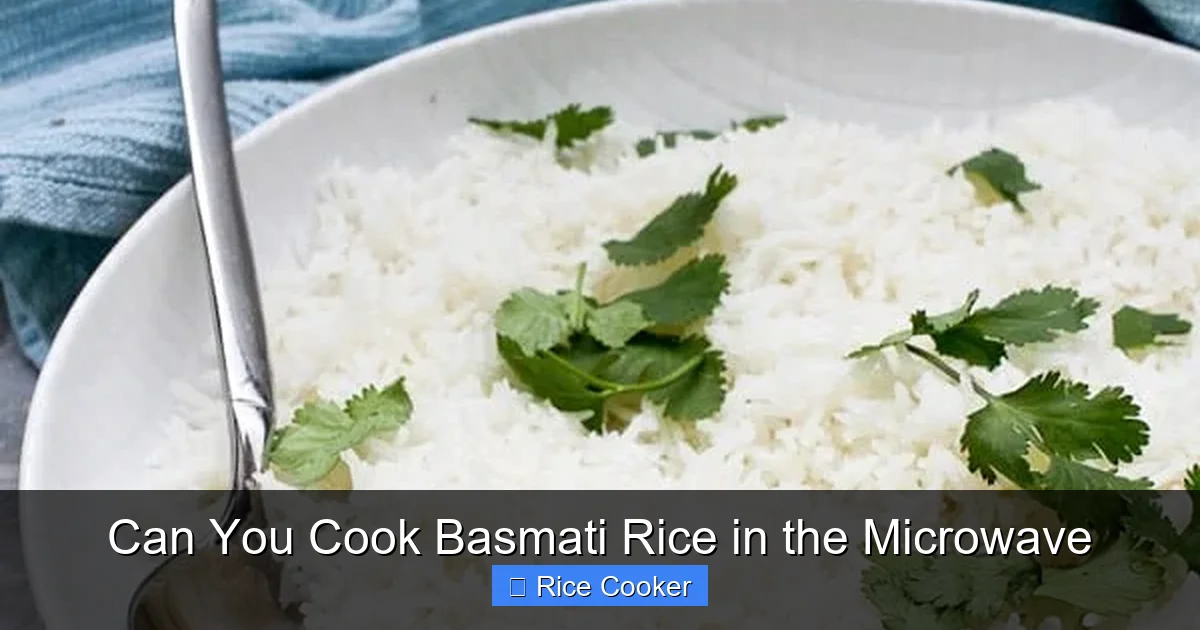
Yes, you can definitely cook basmati rice in the microwave, and it’s one of the fastest ways to prepare a delicious side dish. With just a few simple steps—rinse the rice, add water and a pinch of salt, cover, and microwave—you’ll have perfectly fluffy grains in under 10 minutes. This method works especially well for small batches and fits seamlessly into any busy schedule.
Key Takeaways
- Microwave cooking is fast and efficient: You can cook basmati rice in the microwave in as little as 5–10 minutes, making it ideal for quick meals.
- Proper rinsing is essential: Rinsing removes excess starch, which helps prevent clumping and keeps your rice light and fluffy.
- Water-to-rice ratio matters: A common ratio is 1.5 cups of water per 1 cup of uncooked basmati rice, but adjustments may be needed based on your microwave and preferences.
- Cooking times vary by wattage: Microwaves differ in power; high-wattage models (1000W+) cook faster than lower ones (600–800W).
- Letting the rice rest improves results: After microwaving, letting the rice sit covered for 3–5 minutes allows steam to distribute evenly.
- Adding flavor enhancers boosts taste: Try a bay leaf, a pat of butter, or a splash of broth instead of water for extra aroma and richness.
- Storing and reheating work well: Leftover microwaved basmati rice stores safely in the fridge for up to 4 days and reheats nicely with a bit of moisture.
[FEATURED_IMAGE_PLACEHOLDER]
Cooking basmati rice in the microwave might sound too good to be true—after all, that classic fluffy, fragrant rice usually comes from a stovetop pot or rice cooker, right? But here’s the truth: yes, you absolutely can cook basmati rice in the microwave, and doing so doesn’t mean sacrificing flavor or texture. In fact, for many home cooks, the microwave offers a fast, convenient alternative that’s perfect for small portions, last-minute dinners, or when you’re short on kitchen tools. Whether you’re preparing a simple side dish, making biryani, or just craving a warm bowl of rice, the microwave method delivers consistent results with minimal effort.
The key to great microwaved basmati rice lies in understanding how heat distributes differently than on the stove. Unlike slow simmering, microwaving relies on rapid steam buildup inside a sealed container. This means timing, water ratios, and covering are critical. But don’t worry—once you get the hang of it, you’ll wonder why you ever used anything else. From choosing the right vessel to adjusting for your microwave’s wattage, this guide walks you through every step to ensure your basmati turns out light, separate, and aromatic—just like it should be.
Key Takeaways
- Understanding can you cook basmati rice in the microwave: Provides essential knowledge
📑 Table of Contents
- Why Choose the Microwave for Basmati Rice?
- Essential Tips Before You Start
- Step-by-Step Guide to Cooking Basmati Rice in the Microwave
- Troubleshooting Common Issues
- Flavor Variations and Creative Uses
- Storage and Reheating Tips
- Comparing Methods: Microwave vs. Stovetop vs. Rice Cooker
- Final Thoughts: Embrace the Microwave for Perfect Basmati Rice
Why Choose the Microwave for Basmati Rice?
You might be wondering: why bother with the microwave when traditional methods exist? Well, convenience isn’t the only benefit. The microwave excels at cooking small batches quickly, using less energy than boiling water on the stove, and minimizing cleanup since you typically use one bowl or container. Plus, because there’s no risk of over-stirring or scorching, beginners often find it more forgiving than stovetop techniques.
Another advantage is speed. While stovetop basmati rice takes about 15–20 minutes total (including soaking and simmering), microwave versions can be ready in half the time. This makes it especially useful for solo diners, quick lunches, or impromptu guests who show up unexpectedly. And let’s face it—sometimes you just want a hot meal without standing over a pot for 20 minutes.
Of course, not everyone has access to a rice cooker, and some people simply prefer the simplicity of their microwave. That’s totally valid! The microwave method proves that you don’t need specialized equipment to make restaurant-quality basmati rice at home. As long as you follow a few best practices—like proper rinsing and correct water ratios—your results will rival those made the old-fashioned way.
Essential Tips Before You Start
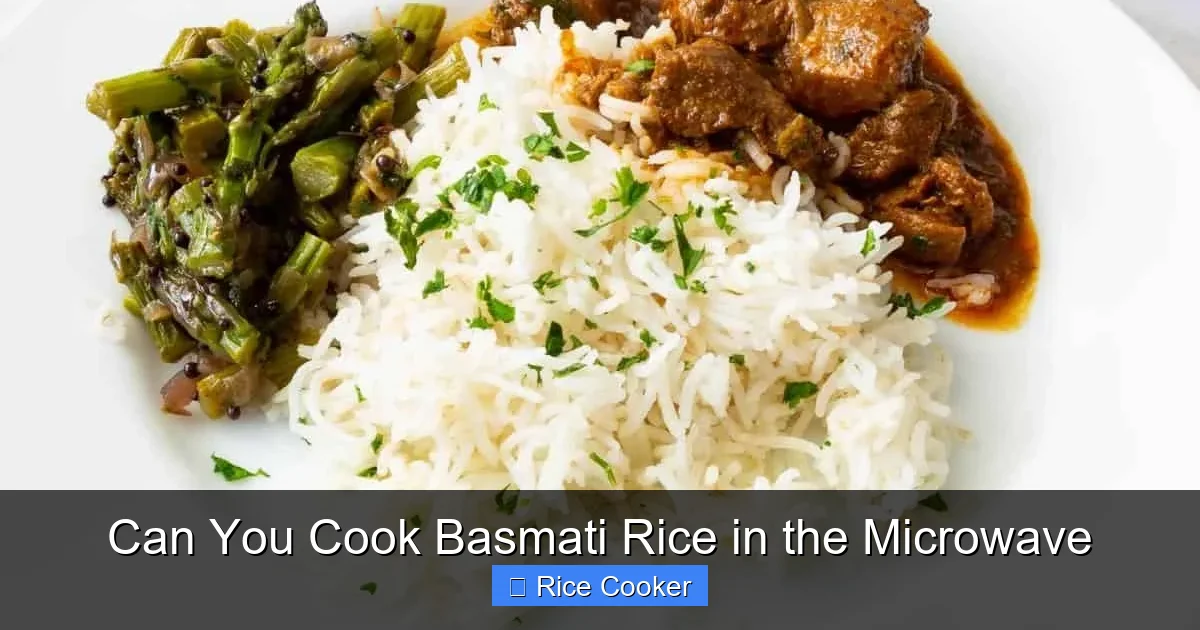
Visual guide about Can You Cook Basmati Rice in the Microwave
Image source: veenaazmanov.com
Before diving into the cooking process, there are a few foundational tips that will set you up for success:
First, always rinse your basmati rice. Unlike jasmine or sushi rice, basmati has long grains that release a lot of starch if not washed. Running it under cold water until the water runs clear removes surface starch, which prevents gummy clumps and helps each grain stay distinct. Skip this step, and your rice could turn mushy or sticky—even after perfect microwaving.
Second, measure accurately. Rice expands significantly when cooked, so using too much water leads to soggy results, while too little leaves it undercooked. Stick to tested ratios, but feel free to tweak slightly based on personal preference. Some prefer slightly drier rice; others like it softer. Just remember: consistency beats guesswork.
Third, choose the right container. Use a microwave-safe glass or ceramic bowl with a lid—or cover tightly with plastic wrap (leaving a small vent). Avoid metal, non-microwave-safe plastics, or uncovered bowls, as they can cause uneven heating or even sparks.
Finally, consider your microwave’s wattage. Most modern microwaves range from 600W to 1200W. Higher wattage = shorter cooking time. If yours is older or lower-powered, you may need to adjust timing accordingly. Don’t assume every recipe will work exactly as written—always keep an eye on the rice during the final minute.
Step-by-Step Guide to Cooking Basmati Rice in the Microwave
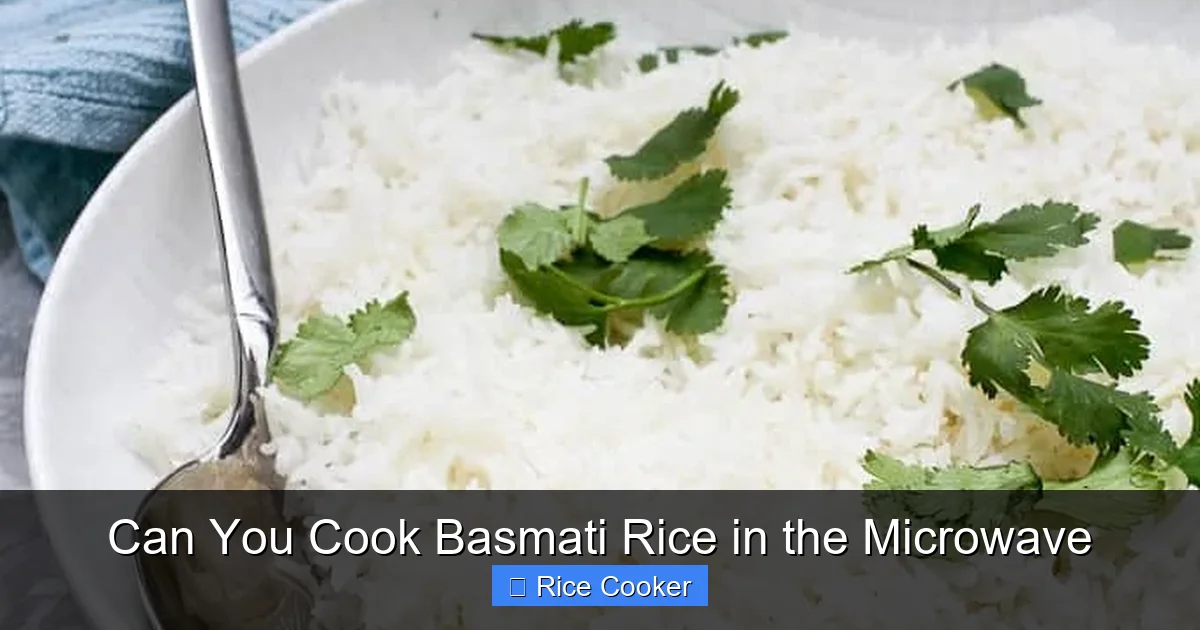
Visual guide about Can You Cook Basmati Rice in the Microwave
Image source: champagne-tastes.com
Now for the fun part: actually making the rice! Follow these steps closely, and you’ll end up with beautifully cooked basmati every time.
Gather Your Ingredients and Tools
Start by measuring 1 cup of raw basmati rice. Rinse it thoroughly under running water for about 2–3 minutes, gently swishing it between your fingers to loosen starch. Drain well in a fine-mesh strainer.
For water, use 1.5 cups per cup of rice. For extra flavor, substitute half the water with vegetable or chicken broth, or add a teaspoon of salt and a bay leaf.
You’ll also need:
– A microwave-safe container (at least 2–3 quarts in size)
– A tight-fitting lid or microwave-safe plastic wrap
– A fork or spatula for fluffing
Add Rice and Water to the Container
Transfer the rinsed rice to your bowl. Pour in the measured water (or liquid mixture). Stir once to combine, then smooth the top with your hand.
Cook in the Microwave
Cover the bowl tightly. If using plastic wrap, poke 3–4 small holes in it to allow steam to escape—this prevents pressure buildup and ensures even cooking.
Microwave on high power:
– For a 1-cup batch: 8–10 minutes on a 1000W+ microwave
– For a 2-cup batch: 12–15 minutes
– For lower-wattage microwaves (under 900W): add 2–3 extra minutes
After the initial time, carefully remove the bowl (it will be hot!). Uncover and check the rice. If it looks dry but still has a few wisps of steam, microwave in 30-second increments until tender. Avoid opening the lid too often, as this releases steam and slows cooking.
Rest and Fluff
Once done, let the rice sit, covered, for 3–5 minutes. This resting period allows residual steam to finish cooking the grains evenly and firms up the texture. Then fluff gently with a fork—don’t mash it!
Serve immediately, or store leftovers for later use.
Troubleshooting Common Issues
Even with careful preparation, mistakes happen. Here’s how to fix common problems:
Problem: Rice is too wet or soupy
Solution: Next time, reduce water by ¼ cup. Also, ensure you’re using fresh rice—old stockpiles absorb liquid differently. Let excess steam escape during cooking to avoid over-saturation.
Problem: Grains are sticky or clumped
Solution: You likely didn’t rinse enough or used too much water. Always rinse until water runs clear, and stick strictly to the 1:1.5 ratio unless experimenting.
Problem: Edges are burnt, center is undercooked
Solution: This happens when microwaves heat unevenly. Rotate the bowl halfway through cooking, or switch to a larger flat container to promote even exposure. Alternatively, transfer to a plate after microwaving and steam briefly uncovered.
Problem: Rice tastes bland
Solution: Add flavor during cooking—try a knob of butter, a sprinkle of saffron, or a pinch of turmeric. Salt early in the process also enhances taste more effectively than adding it afterward.
Problem: Steam builds up too much and spills
Solution: Make sure your cover fits snugly but allows tiny vents. If using plastic wrap, secure the edges with a rubber band to prevent shifting.
With practice, these hiccups become rare. Remember: microwave cooking rewards patience and observation. Pay attention to how your specific appliance behaves, and adjust accordingly.
Flavor Variations and Creative Uses
One of the joys of microwave basmati rice is its versatility. Once you master the basics, you can customize it for countless dishes:
For Indian-inspired meals, cook rice with whole spices like cumin seeds, cardamom pods, and cloves. Add a tablespoon of yogurt before covering to create a tangy, creamy base for pilafs or biryanis.
To make Middle Eastern tabbouleh-style rice, mix cooked rice with chopped parsley, mint, tomatoes, and lemon juice after cooking. Keep it cool for a refreshing side.
If you’re making fried rice or risotto, cook the rice al dente first, then stir-fry with soy sauce, garlic, and vegetables. The microwave gives you precise control over doneness.
For vegetarian or vegan options, swap water for coconut milk and add curry powder or turmeric for color and depth. Finish with fresh cilantro and lime.
Even desserts can benefit! Sweeten cooked basmati with cinnamon, nutmeg, and raisins for a warm, comforting porridge-like dish.
The beauty of this method is that you’re not limited to plain white rice. Experimentation is encouraged—microwaving preserves delicate flavors better than boiling, so aromatic ingredients shine through.
Storage and Reheating Tips
Leftover microwaved basmati rice is incredibly practical. Store it in an airtight container in the refrigerator for up to 4 days. When ready to eat, refresh it easily:
To reheat, place rice in a microwave-safe dish. Sprinkle 1–2 tablespoons of water or broth over the top—rice loses moisture fast and becomes dry upon refrigeration. Cover loosely and microwave in 30-second bursts, stirring between intervals, until heated through.
Alternatively, steam it: put the rice in a heatproof bowl over a pot of boiling water (double boiler style) for 5–7 minutes. This method restores fluffiness better than straight microwaving.
Avoid reheating large quantities all at once, as uneven heating is common. Instead, divide into smaller portions for consistent results.
Freezing is also possible! Portion cooled rice into freezer bags or containers, label with dates, and freeze for up to 3 months. Thaw overnight in the fridge before reheating with added liquid.
Pro tip: Never reheat rice more than once. Bacteria multiply rapidly in the “danger zone” (40°F–140°F), so freshness matters most.
Comparing Methods: Microwave vs. Stovetop vs. Rice Cooker
So how does microwave basmati rice stack up against other popular methods?
On the stovetop, rice cooks slowly with gentle evaporation, allowing flavors to meld and moisture to distribute naturally. It requires constant monitoring (especially for beginners), and cleanup involves scrubbing a pot. However, it’s reliable and produces excellent results for large batches.
A rice cooker automates the entire process—measure, press, forget. Many models include settings specifically for basmati, ensuring foolproof outcomes every time. They’re pricier upfront but save time and effort long-term.
The microwave wins in speed and simplicity. Ideal for single servings or small families, it uses less energy and generates fewer dishes. Drawbacks include potential uneven heating and lack of automation, but these are easily managed with attention to detail.
In terms of texture, all three methods can yield fluffy, separate grains when done correctly. Taste differences are subtle—most people can’t tell the difference unless comparing side-by-side blind tests.
Ultimately, the best method depends on your lifestyle. If you cook rice daily and value hands-off convenience, invest in a rice cooker. If you’re in a hurry or only occasionally need rice, the microwave is a smart choice.
Final Thoughts: Embrace the Microwave for Perfect Basmati Rice
Cooking basmati rice in the microwave isn’t just possible—it’s practical, delicious, and surprisingly effective. With the right technique, you can enjoy restaurant-quality rice at home without the fuss. Whether you’re whipping up a quick dinner, prepping for a curry night, or just craving something warm and comforting, the microwave delivers in minutes.
Remember: rinsing, accurate measurements, proper covering, and a little patience go a long way. Don’t be afraid to experiment with flavors, spices, or textures to make the dish your own. And if something goes wrong? That’s part of the learning curve—every chef makes mistakes.
Next time you open your pantry and see that bag of basmati rice, think beyond the pot. Grab your microwave, follow these steps, and discover how easy it is to make perfect rice—fast. You’ll be amazed at how such a humble appliance can transform simple ingredients into something extraordinary.
Frequently Asked Questions
How much water do I use for 1 cup of basmati rice in the microwave?
Use 1.5 cups of water per 1 cup of uncooked basmati rice. This ratio yields tender, fluffy grains when cooked properly in the microwave. Adjust slightly if you prefer drier or softer rice.
Do I need to soak basmati rice before microwaving?
No, soaking isn’t necessary for microwave cooking. Traditional soaking helps reduce cooking time on the stovetop, but in the microwave, the process is quick enough without it. Just rinse thoroughly instead.
Can I cook basmati rice in a Pyrex bowl?
Yes, as long as the bowl is labeled microwave-safe. Glass containers like Pyrex work well because they distribute heat evenly and won’t melt or warp under high temperatures.
What if my microwave is only 700 watts? How does that affect cooking time?
Lower-wattage microwaves take longer to cook rice. For a 700W model, increase cooking time by about 3–5 minutes compared to a 1000W+ microwave. Always check for doneness midway and adjust in 30-second increments.
Can I add oil or butter to microwave basmati rice?
Absolutely! Adding ½–1 teaspoon of oil or a small pat of butter helps prevent sticking and adds richness. Mix it in with the water before covering, and it will incorporate fully during cooking.
Is it safe to leave basmati rice in the microwave after cooking?
Yes, but only temporarily. Letting rice sit covered for 3–5 minutes allows steam to finish cooking it evenly. Leaving it on the counter afterward risks bacterial growth, so refrigerate any uneaten portions promptly.