
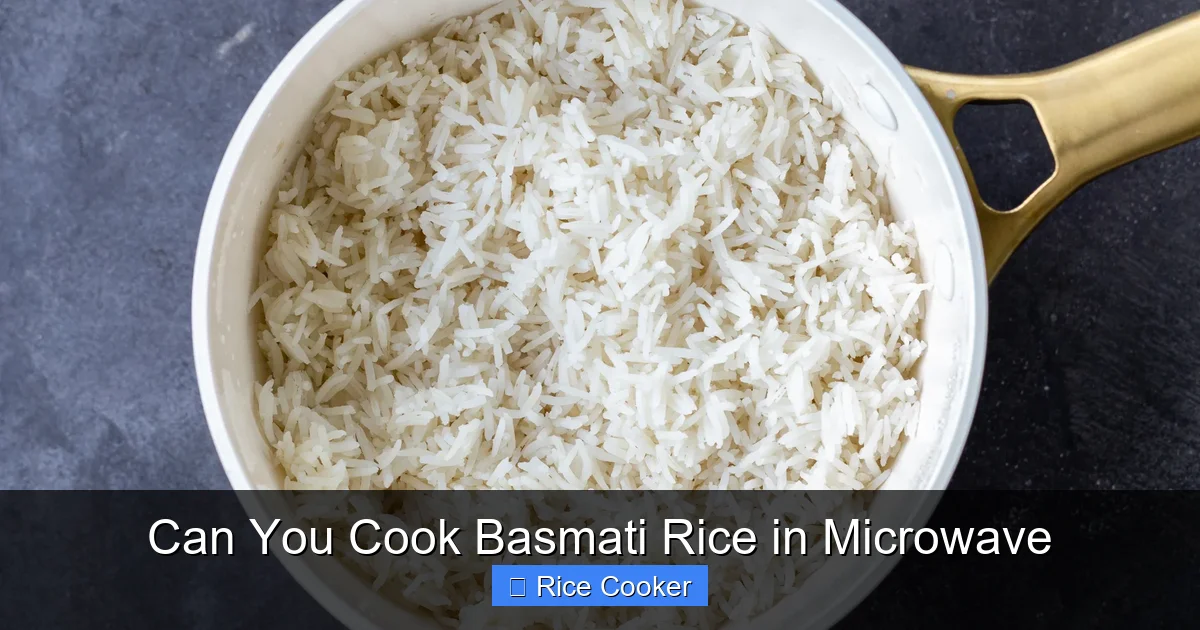
You can definitely cook basmati rice in your microwave—it’s fast, easy, and surprisingly effective. With the right ratio of water to rice and proper timing, you’ll get fluffy, fragrant results without needing a stovetop or rice cooker. Whether you’re cooking for one or prepping ahead, microwaving basmati rice saves time while keeping it light and delicious.
Key Takeaways
- Yes, it’s possible: Cooking basmati rice in the microwave is not only doable but also efficient for small batches or single servings.
- Proper water ratio matters: Use 1½ cups of water per cup of uncooked basmati rice for ideal texture and don’t skip soaking the rice beforehand.
- Covering is essential: Always cover the dish tightly with plastic wrap or a microwave-safe lid to trap steam and ensure even cooking.
- Resting time improves results: Let the cooked rice sit covered for 5–10 minutes after microwaving to allow moisture to distribute evenly.
- Fluff gently with a fork: Avoid stirring aggressively; instead, fluff lightly to separate grains without breaking them.
- Adjust for altitude or power: Microwaves vary in wattage, so adjust cooking times accordingly—start low and check frequently.
- It’s great for meal prep: This method makes excellent leftover rice that reheats well and stays fresh in the fridge for up to 4 days.
📑 Table of Contents
- Can You Cook Basmati Rice in Microwave?
- The Science Behind Microwave Rice Cooking
- Essential Tools and Ingredients
- Step-by-Step Guide: How to Cook Basmati Rice in Microwave
- Common Mistakes and How to Fix Them
- Tips for Perfect Microwave Basmati Rice Every Time
- Alternative Microwave Methods
- Storing and Reheating Leftover Microwave Rice
- Frequently Asked Questions About Microwaving Basmati Rice
- Final Thoughts
Can You Cook Basmati Rice in Microwave?
Have you ever found yourself staring into your kitchen cupboard, wondering how to make a quick, fluffy bowl of basmati rice without hauling out the stove or buying a fancy rice cooker? The good news is: yes, you absolutely can cook basmati rice in the microwave—and it might just become your new go-to method for weekday dinners or last-minute meals. While traditional methods like boiling on the stovetop have long been the standard, microwaving offers unmatched convenience, speed, and consistency when done correctly. In this guide, we’ll walk you through everything you need to know about cooking perfect basmati rice in your microwave, from preparation tips to troubleshooting common issues.
Basmati rice is known for its long, slender grains, delicate aroma, and slightly nutty flavor—qualities that make it a favorite in dishes ranging from biryanis to pilafs. Unlike short-grain varieties used in sushi, basmati doesn’t stick together easily, which actually helps it stay separated even after being cooked under pressure (like in a microwave). When prepared properly, microwaved basmati rice delivers tender-but-firm grains with a lovely steamy texture. Plus, it requires no constant attention—just mix, cover, zap, and wait. Whether you’re cooking for one, prepping for lunch tomorrow, or simply tired of scrubbing pots, this microwave technique could be your secret weapon.
The Science Behind Microwave Rice Cooking
Before diving into the recipe, it’s helpful to understand why microwaving works so well for basmati rice. Unlike conventional ovens or stovetops that rely on convection heat, microwaves use electromagnetic waves to agitate water molecules directly within the food. This rapid internal heating creates steam quickly, which cooks the rice evenly from the inside out. Because basmati rice has a lower starch content compared to other rices, it resists overcooking and clumping—making it ideal for microwave techniques.
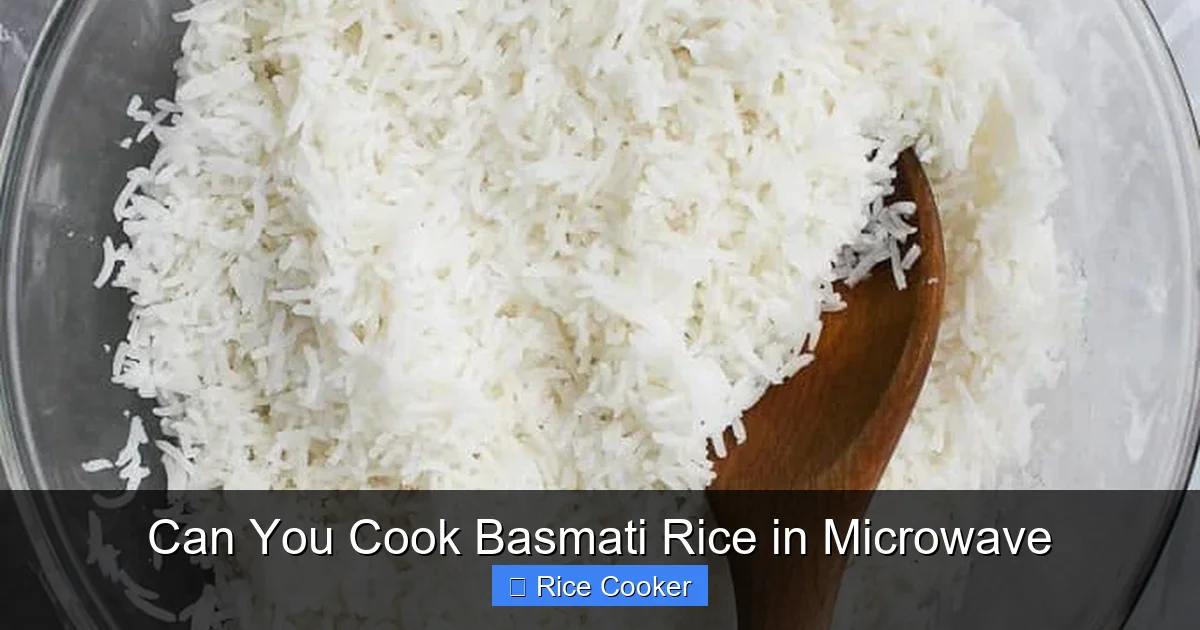
Visual guide about Can You Cook Basmati Rice in Microwave
Image source: champagne-tastes.com
Why Basmati Is Ideal for Microwave Cooking
Several factors make basmati rice particularly suitable for microwave preparation:
- Low amylose content: Basmati contains less amylose (a type of starch), which means it doesn’t glue together as easily during cooking.
- Long grain structure: Its elongated shape allows individual grains to remain distinct even under high steam pressure.
- Natural fragrance: The aromatic compounds in basmati are preserved better under sealed conditions, enhancing the final flavor.
However, not all microwaves are created equal. Older models may lack consistent power distribution, leading to uneven cooking. Modern inverter microwaves tend to perform better because they maintain steady temperatures rather than cycling on/off rapidly. If yours is older, keep an eye on the rice halfway through and stir if needed.
Essential Tools and Ingredients
To cook basmati rice successfully in the microwave, you won’t need much beyond what’s already in most kitchens. Here’s what you’ll gather before starting:
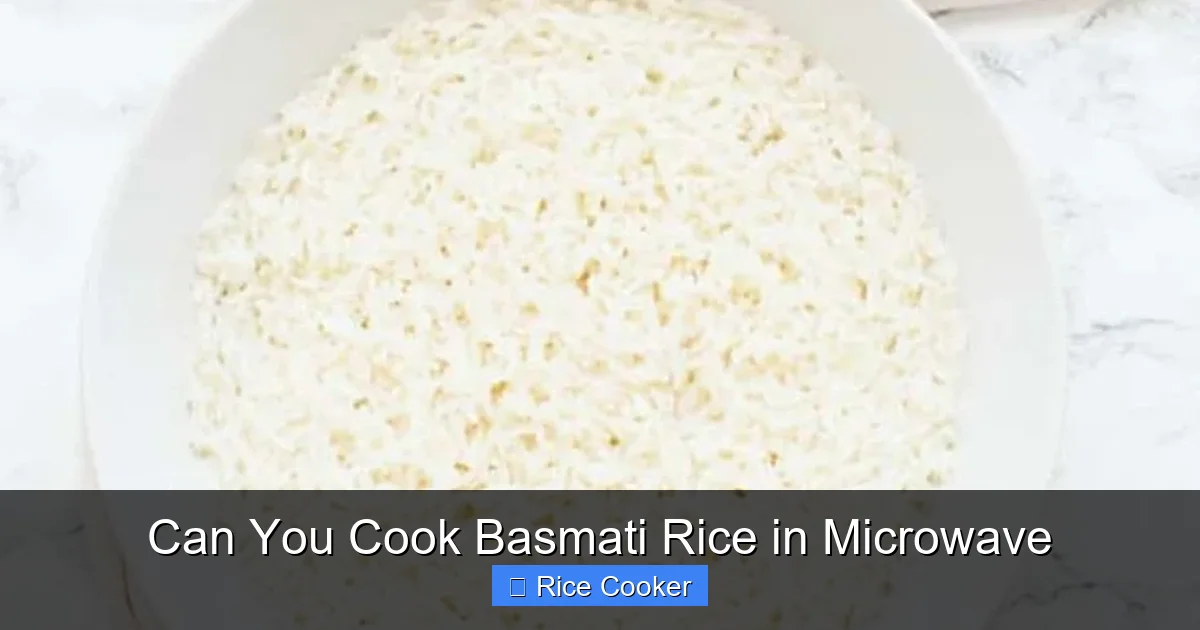
Visual guide about Can You Cook Basmati Rice in Microwave
Image source: i.pinimg.com
Required Equipment
- A microwave-safe glass or ceramic bowl large enough to hold the rice with room to expand (at least 3-quart capacity)
- Microwave-safe plastic wrap or vented lid
- Fine-mesh strainer (optional, for rinsing)
- Fork or rice paddle for fluffing
Ingredient Checklist
- 1 cup uncooked premium basmati rice
- 1½ cups water (or broth for extra flavor)
- Salt to taste (about ¼ teaspoon)
- Optional: 1 tablespoon ghee or butter for richness
Note: Do not use metal containers, aluminum foil, or non-microwave-safe plastics—they can melt or release harmful chemicals. Stick to glass, ceramic, or labeled microwave-safe plastics.
Step-by-Step Guide: How to Cook Basmati Rice in Microwave
Follow these detailed instructions to achieve restaurant-quality basmati rice using nothing more than your microwave and a bowl. This method yields perfectly fluffy rice every time, even if you’ve never cooked rice before.
Step 1: Rinse and Soak the Rice
Start by placing your raw basmati rice in a fine-mesh strainer and rinsing it under cold running water for about 30 seconds. Swirl gently with your fingers to remove excess starch—this prevents gumminess later. Then, transfer the rinsed rice to a clean bowl and cover it with warm water. Let it soak for at least 30 minutes (ideally 1 hour). Soaking softens the outer layer of the grain, allowing it to absorb water evenly and cook faster. Skipping this step often leads to unevenly cooked or mushy rice.
Step 2: Drain and Combine Ingredients
After soaking, drain the rice thoroughly using the same strainer. Transfer the drained rice to your microwave-safe bowl. Add 1½ cups of fresh water (or substitute vegetable/ chicken broth for added depth), salt, and optionally a pat of butter or splash of oil. Stir gently to combine. The water level should be about 1 inch above the rice surface—this ensures full submersion during cooking.
Step 3: Cover and Microwave
Loosely cover the bowl with plastic wrap, leaving a small corner slightly open if your microwave has a vent setting. Alternatively, use a microwave-safe lid with a built-in vent. Microwave on HIGH for 8 minutes if using a 1000-watt appliance. For lower-powered microwaves (700–900 watts), increase time to 10–12 minutes. Power levels matter! Check the manufacturer’s manual for your model’s wattage.
Step 4: Rest and Fluff
Once the timer ends, carefully remove the bowl (it will be hot!) and take off the cover. You’ll notice condensation pooling at the bottom—that’s normal. Let the rice rest, uncovered, for 5–10 minutes. This resting period lets residual heat finish cooking the center of each grain and redistributes moisture evenly. After resting, use a fork to gently fluff the rice, working from the bottom upward to avoid compacting the grains.
Step 5: Serve Immediately or Store
Your basmati rice is now ready to serve! Spoon it into bowls and enjoy alongside curries, grilled meats, or salads. Leftovers can be stored in an airtight container in the refrigerator for up to 4 days or frozen for longer storage. Reheat in the microwave with a damp paper towel over the top to retain moisture.
Common Mistakes and How to Fix Them
Even experienced cooks occasionally run into hiccups when making rice in the microwave. Don’t worry—most issues are easy to fix with a few adjustments.
Mushy or Sticky Rice
This usually happens when too much water is used or the rice isn’t soaked properly. To prevent this, always measure water precisely (1½ cups per cup of rice) and soak the grains for at least 30 minutes. If your rice turns out sticky despite correct ratios, try adding a pinch of salt or a teaspoon of oil next time—it helps bind excess starch.
Undercooked Center
If the middle remains hard or chalky, your microwave likely lacks sufficient wattage, or the rice wasn’t covered tightly enough. Increase cooking time by 1–2 minutes and ensure the cover seals well. For best results, rotate the bowl halfway through cooking (if safe for your microwave) to promote even heat distribution.
Bitter or Harsh Taste
Over-salting or burning the rice can cause bitterness. Always start with a light hand when seasoning and avoid overcrowding the bowl—too much rice increases cooking time unevenly, risking scorching at the edges. If burnt spots appear, discard those portions and transfer the rest to a clean plate.
Tips for Perfect Microwave Basmati Rice Every Time
Mastering microwave rice takes practice, but these pro tips will elevate your results instantly.
Use Room-Temperature Water
Cooking rice with cold water slows down absorption and extends cooking time. Warm water helps the grains hydrate faster and cook more uniformly.
Don’t Overfill the Bowl
Limit yourself to no more than 1½ cups of uncooked rice per batch unless your microwave has ample space and high wattage. Overfilling restricts steam circulation and leads to uneven textures.
Experiment with Add-Ins
Enhance flavor by swapping plain water for coconut milk, tomato juice, or sautéed onions and garlic before microwaving. Just remember to increase liquid slightly since these ingredients add moisture.
Keep a Rice Journal
Different brands of basmati behave slightly differently. Track your preferred brand, soaking duration, water ratio, and microwave time to replicate success consistently.
Alternative Microwave Methods
While the basic method above works great for most home cooks, there are a couple of variations worth trying depending on your goals.
One-Pot Method with Ventilated Lid
Instead of plastic wrap, use a microwave-safe lid with a small vent hole poked near the edge. This allows excess steam to escape while retaining enough heat for thorough cooking. It’s especially useful if you’re concerned about plastic leaching chemicals.
Double Boiling Technique
Place the rice-and-water mixture in a smaller bowl inside a larger pot filled halfway with water. Bring the outer water to a simmer on the stovetop, then microwave the inner bowl. This hybrid approach combines gentle indirect heat with microwave efficiency—ideal for delicate dishes where you want minimal grain breakage.
Storing and Reheating Leftover Microwave Rice
Microwave-cooked basmati rice stores surprisingly well when handled correctly. After it cools completely, place it in a shallow, airtight container and refrigerate within two hours of cooking. Properly stored, it keeps for up to four days. When reheating, sprinkle a few drops of water over the surface and cover loosely with a damp paper towel to prevent drying out. Heat in 30-second intervals until warmed through, fluffing between bursts.
For longer-term storage, freeze portions in ice cube trays or divided containers. Thaw overnight in the fridge and reheat as needed. Note that frozen basmati rice may lose some of its signature fluffiness, so it’s best reserved for soups, risottos, or fried rice rather than standalone servings.
Frequently Asked Questions About Microwaving Basmati Rice
How long does it take to cook basmati rice in the microwave?
On average, it takes about 8–12 minutes on high power in a standard household microwave. Exact timing depends on wattage, rice quantity, and whether you soaked the grains beforehand. Start with 8 minutes and check progress midway.
Do I need to soak basmati rice before microwaving?
Yes, soaking for 30–60 minutes significantly improves texture and reduces total cooking time. It ensures even hydration and prevents undercooked centers.
Can I use broth instead of water?
Absolutely! Using vegetable, chicken, or beef broth adds flavor without affecting the cooking process. Just ensure the broth is at room temperature and adjust salt levels accordingly.
What if my microwave doesn’t have a turntable?
No problem! Pause the microwave halfway through and give the bowl a quarter-turn to promote even heating. This mimics the effect of a rotating turntable.
Is microwave rice as healthy as stovetop rice?
Yes—nutritionally, there’s no difference. Both methods preserve carbohydrates, protein, and micronutrients. Microwaving simply uses less energy and fewer pots to clean.
Can I cook brown basmati rice in the microwave?
Technically yes, but brown basmati requires longer soaking (up to 2 hours) and more cooking time (15–20 minutes) due to its tougher bran layer. Results may vary, so monitor closely.
Final Thoughts
Cooking basmati rice in the microwave isn’t just a shortcut—it’s a smart, modern technique that delivers reliable, delicious results with minimal effort. By following the steps outlined here, paying attention to water ratios, and respecting your microwave’s quirks, you’ll master this method faster than you think. Whether you’re whipping up a quick dinner or preparing rice for a big family gathering, this approach proves that convenience doesn’t mean compromising on quality.
So the next time hunger strikes and you’re craving something warm, fragrant, and satisfying, reach for that bag of basmati rice—not the stove, but your trusty microwave. With a little practice, you’ll be amazed at how consistently fluffy and flavorful your rice turns out, all without lifting a pot.
Frequently Asked Questions
How long does it take to cook basmati rice in the microwave?
It typically takes 8–12 minutes on high power in a standard microwave. Adjust based on your appliance’s wattage and whether you soaked the rice beforehand.
Do I need to soak basmati rice before microwaving?
Yes, soaking for 30–60 minutes helps the grains cook evenly and prevents undercooked centers, resulting in better texture.
Can I use broth instead of water when cooking basmati rice in the microwave?
Absolutely! Broth adds flavor and works just as well as water—just adjust salt levels since broths can be salty.
What if my microwave doesn’t have a turntable?
Pause halfway and rotate the bowl 180 degrees to ensure even cooking. This compensates for uneven heat distribution.
Is microwave-cooked basmati rice as healthy as stovetop rice?
Yes—both methods preserve nutrients equally. Microwaving is actually more energy-efficient and produces less cleanup.
Can I cook brown basmati rice in the microwave?
Yes, but it requires longer soaking (up to 2 hours) and extended cooking time (15–20 minutes) due to its fibrous bran layer.