
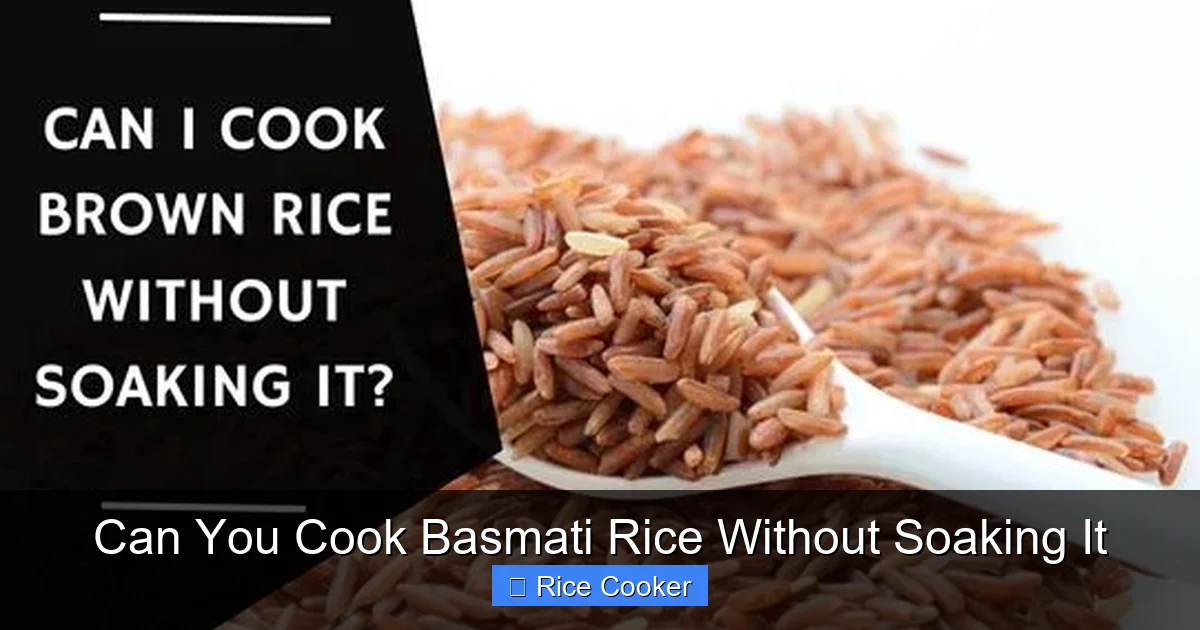
Yes, you can absolutely cook basmati rice without soaking it, and many home cooks do just fine using this method every day. While soaking can improve texture and reduce cooking time, modern techniques and proper ratios often yield equally delicious results. Whether you’re using a rice cooker, pot, or microwave, skipping the soak is totally doable with the right approach.
Key Takeaways
- Soaking is optional: You don’t need to soak basmati rice to cook it well—many traditional recipes skip this step.
- Water-to-rice ratio matters more: Using the correct ratio (typically 1:1.5 or 1:1.75) ensures fluffy, separate grains even without soaking.
- Cooking method affects outcome: A rice cooker gives consistent results, while stovetop cooking requires attention to timing and heat control.
- Quick rinse removes excess starch: Rinsing under cold water before cooking helps prevent clumping and stickiness.
- Resting time improves texture: Letting cooked rice sit covered for 5–10 minutes after cooking makes it fluffier and easier to serve.
- Instant Pot and other appliances simplify the process: These tools handle timing and steam automatically, reducing guesswork.
📑 Table of Contents
- Introduction: The Age-Old Question of Soaking Rice
- Understanding Basmati Rice: What Makes It Special?
- The Science Behind Soaking Rice
- Can You Cook Basmati Rice Without Soaking It? Absolutely!
- Step-by-Step Guide: Cooking Basmati Rice Without Soaking (Rice Cooker Method)
- Stovetop vs. Rice Cooker: Which Is Better?
- Common Mistakes to Avoid When Skipping the Soak
- Tips for Perfect Fluffy Basmati Rice Every Time
- Conclusion: Soaking Isn’t Necessary—But Neither Is Guilt!
Introduction: The Age-Old Question of Soaking Rice
Have you ever stood over your kitchen counter, a bag of aromatic basmati rice in hand, wondering whether that 30-minute soak is really necessary? It’s a question that haunts many home cooks—especially those who are short on time or simply prefer to keep things simple. The idea that soaking rice might make it softer or cook faster has been passed down through generations, but is it truly essential?
Basmati rice, with its long, slender grains and delicate fragrance, is a staple in cuisines across South Asia, the Middle East, and beyond. Known for its nutty aroma and light, fluffy texture when cooked properly, it’s a favorite for everything from biryanis to pilafs. But despite its popularity, there’s still confusion about preparation. Can you cook basmati rice without soaking it? The short answer is yes—and we’re going to show you exactly how.
In this article, we’ll explore everything you need to know about cooking basmati rice without soaking it. We’ll cover why soaking isn’t always necessary, the science behind grain absorption, and practical tips for achieving perfect results every time—whether you’re using a rice cooker, stovetop, or Instant Pot. By the end, you’ll feel confident skipping the soak and still serving up restaurant-quality rice.
Understanding Basmati Rice: What Makes It Special?
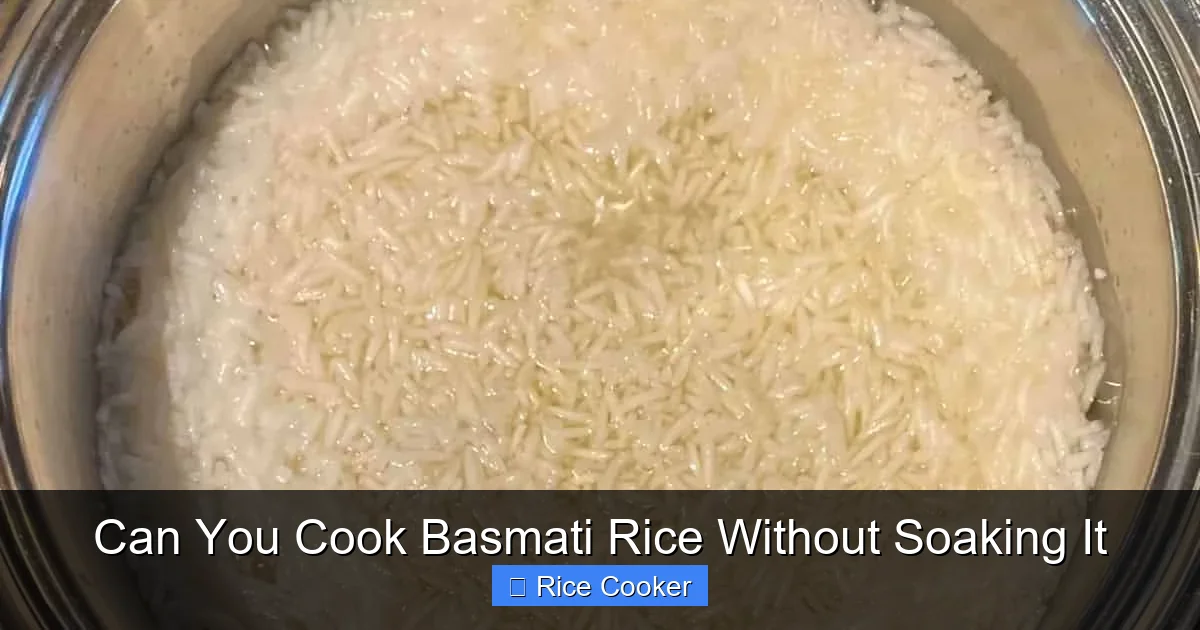
Visual guide about Can You Cook Basmati Rice Without Soaking It
Image source: holycowvegan.net
Before diving into cooking methods, it’s helpful to understand what sets basmati rice apart from other types. Native to the Indian subcontinent, particularly the Punjab region, basmati is a variety of long-grain rice known for its distinctive aroma and texture. When cooked, it remains firm, separate, and slightly chewy—ideal for pairing with rich curries or grilled meats.
The key to basmati’s signature qualities lies in its structure. Unlike short-grain rice, which is starchy and tends to clump, basmati has a lower amylopectin content and higher amylose, giving it that fluffy, non-sticky finish. However, it also contains more surface starch than other varieties, which can lead to cloudiness in dishes like risotto if not rinsed properly.
Soaking is one way to manage this starch, allowing water to penetrate the grain more evenly. But again, it’s not the only way. In fact, many traditional recipes—like classic pilafs or steamed basmati—are made without any soaking at all. The choice often comes down to personal preference, time constraints, and the specific dish you’re preparing.
The Science Behind Soaking Rice
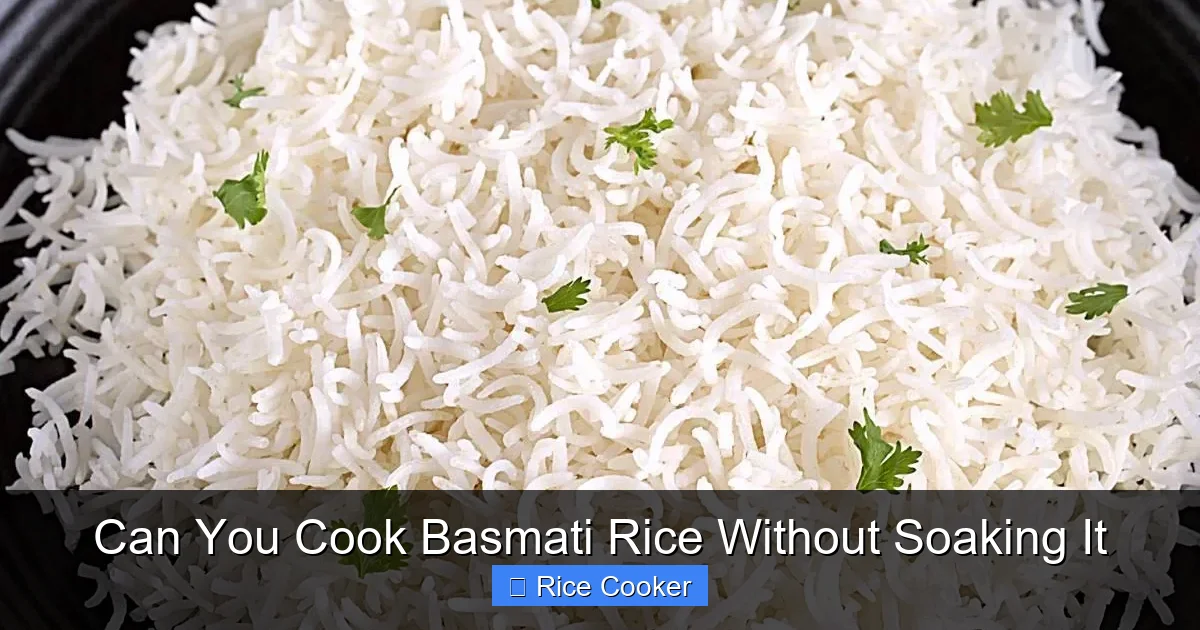
Visual guide about Can You Cook Basmati Rice Without Soaking It
Image source: indianhealthyrecipes.com
So why do some people swear by soaking rice? Let’s break it down scientifically. When you soak basmati rice, you’re essentially pre-hydrating the grains. This allows them to absorb water gradually before reaching the boiling point, which can lead to more uniform cooking and reduced cooking time.
But here’s the catch: basmati rice already has a porous outer layer that allows it to absorb water efficiently during the initial stages of cooking. So while soaking may give a slight edge in texture and speed, it’s not a requirement. Modern rice cookers and pressure cookers have advanced sensors and timers that compensate for minor inconsistencies in grain hydration.
Additionally, soaking can leach out some of the nutrients and natural flavors present in the rice. While this isn’t a major concern for most people, it’s worth noting if you’re aiming for maximum nutritional value or want to preserve the authentic taste of your dish.
Can You Cook Basmati Rice Without Soaking It? Absolutely!
Now, let’s get to the heart of the matter: yes, you can definitely cook basmati rice without soaking it. In fact, for many home cooks, this is the standard method. Here’s how to do it successfully:
Start by rinsing the rice thoroughly under cold running water until the water runs clear. This removes excess surface starch, preventing stickiness. Then, measure your rice and add it to a pot, rice cooker, or Instant Pot. Add water—typically 1½ cups of water per cup of dry rice, though this can vary slightly depending on your preferred texture.
Bring the water to a boil if using the stovetop method, then reduce heat to low, cover, and simmer for 12–18 minutes (depending on the brand and age of the rice). If using a rice cooker, simply press the “cook” button and let it do the work. Once done, let the rice rest for 5 minutes before fluffing with a fork.
This method works beautifully because modern cooking tools and techniques account for variations in grain density and absorption rates. Even without pre-soaking, you’ll get tender, separated grains every time.
Step-by-Step Guide: Cooking Basmati Rice Without Soaking (Rice Cooker Method)
If you own a rice cooker, you’re in luck—this appliance makes cooking basmati rice without soaking both easy and reliable. Follow these steps for foolproof results:
1. **Measure and Rinse:** For every 1 cup of dry basmati rice, use about 1½ cups of water. Rinse the rice under cold water in a fine-mesh sieve until the water is mostly clear.
2. **Add to Rice Cooker:** Transfer the rinsed rice to the inner pot of your rice cooker.
3. **Add Water:** Pour in the measured water. Make sure the level doesn’t exceed the rice’s surface by more than ½ inch.
4. **Close Lid and Start:** Press the “Cook” button. Most rice cookers will automatically switch to “warm” once the rice is done—usually within 15–20 minutes.
5. **Let It Rest:** Once the cycle ends, leave the lid on and let the rice sit for 5 minutes. This allows steam to redistribute evenly.
6. **Fluff Gently:** Use a fork to gently fluff the rice. Avoid stirring too vigorously to maintain individual grain structure.
This method is ideal for busy weeknights or when you’re cooking for a crowd. The rice cooker handles all the hard parts—timing, temperature, and steaming—so you don’t have to watch it constantly.
Stovetop vs. Rice Cooker: Which Is Better?
You might be wondering: should I use the stovetop or stick with my trusty rice cooker? Both methods work well, but they have different strengths.
The **stovetop method** gives you full control over heat and timing. You can adjust the flame, check doneness by tasting a grain, and customize the environment (e.g., adding butter or oil during cooking). However, it does require attention—you’ll need to monitor the heat to avoid burning and ensure the rice doesn’t stick.
On the other hand, the **rice cooker method** is hands-off and highly consistent. It’s especially useful for meal prep or when cooking large quantities. Plus, many models come with preset programs for different rice types, including basmati.
For most home cooks, the rice cooker is the better choice—especially if you’re cooking without soaking. It eliminates guesswork and reduces the risk of over- or under-cooking.
That said, if you love the ritual of watching rice bubble on the stove or want to infuse it with extra flavors (like saffron or bay leaves), the stovetop is still a great option.
Common Mistakes to Avoid When Skipping the Soak
Even if you decide not to soak your basmati rice, there are a few common pitfalls to watch out for:
– **Not rinsing enough:** Skipping this step leads to gummy, sticky rice. Always rinse until the water runs clear.
– **Using too much water:** Too much liquid causes mushy rice. Stick to the 1:1.5 ratio.
– **Overfilling the cooker:** Leave room for expansion. Never fill past the max line.
– **Peeking too soon:** Opening the lid releases steam, which can affect cooking. Wait until the timer goes off.
– **Stirring immediately after cooking:** Let the rice rest first. Stirring too early breaks the grains.
By avoiding these mistakes, you’ll enjoy perfectly cooked basmati rice every time—soaking or not.
Tips for Perfect Fluffy Basmati Rice Every Time
Want to take your basmati rice game to the next level? Try these pro tips:
– **Use aged basmati:** Older rice (stored for months) absorbs water better and cooks more evenly.
– **Add a pinch of salt or a teaspoon of oil:** Enhances flavor and prevents sticking.
– **Don’t lift the lid during cooking:** Steam builds pressure inside; opening it disrupts the process.
– **Store leftovers properly:** Cool completely, then refrigerate in an airtight container. Reheat with a splash of water to restore moisture.
– **Experiment with broth instead of water:** Chicken or vegetable broth adds depth and aroma.
These small tweaks make a big difference in taste and texture—even when skipping the soak.
Conclusion: Soaking Isn’t Necessary—But Neither Is Guilt!
At the end of the day, whether or not to soak your basmati rice comes down to personal preference and convenience. There’s no scientific mandate requiring a soak—especially when using modern appliances like rice cookers. Many professional kitchens and home cooks alike prepare basmati rice without soaking daily, and the results speak for themselves.
What matters most is rinsing well, using the right water-to-rice ratio, and letting the rice rest after cooking. With these basics in place, you’ll never worry about whether you “should” soak again.
So go ahead—skip the soak, fire up your rice cooker, and enjoy that fragrant, fluffy basmati rice you love. Your taste buds (and your schedule) will thank you.
Frequently Asked Questions
Is it better to soak basmati rice before cooking?
Soaking can help reduce cooking time and improve texture slightly, but it’s not necessary. Most home cooks achieve excellent results without soaking by using the right water ratio and cooking method.
How long should I soak basmati rice?
If you choose to soak, 20–30 minutes is sufficient. Some recipes call for up to an hour, but longer soaking doesn’t significantly improve results and may leach out nutrients.
Can I cook basmati rice in a regular pot without a rice cooker?
Yes! Use the stovetop method: bring water to a boil, add rinsed rice, reduce heat, cover, and simmer for 12–18 minutes. Let it rest before fluffing.
Why does my basmati rice turn out sticky even without soaking?
Sticky rice usually means you didn’t rinse it enough or used too much water. Rinse thoroughly until the water runs clear and follow the correct water-to-rice ratio.
Does soaking remove nutrients from basmati rice?
Slightly—some vitamins and minerals can leach into the soaking water. To minimize loss, skip soaking and focus on proper rinsing and cooking instead.
Can I cook frozen basmati rice without soaking?
No, frozen rice shouldn’t be used raw. Cook it according to package instructions, as the freezing process alters the grain structure.