
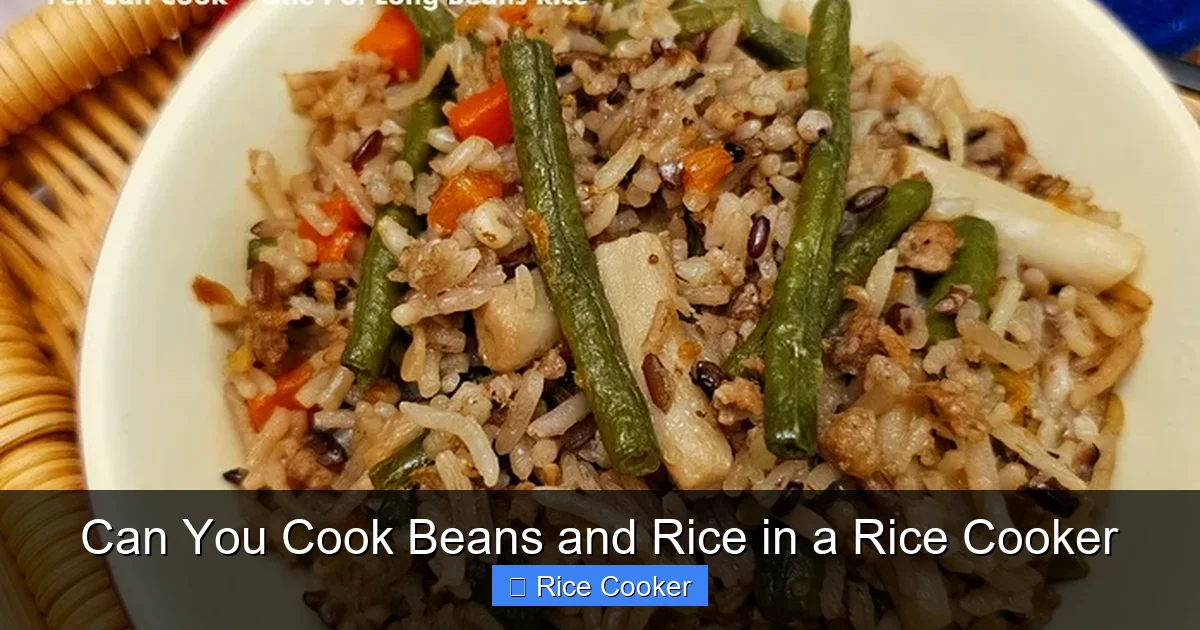
Can you cook beans and rice in a rice cooker? Absolutely! With the right ingredients and timing, your rice cooker can prepare delicious, nutritious meals in one pot. Whether you’re making Tex-Mex burrito bowls, Spanish paella, or creamy black bean risotto, this method saves time and ensures consistent results. In this guide, we’ll show you how to do it step-by-step, troubleshoot common issues, and even customize your dish with herbs, spices, and veggies.
Key Takeaways
- Yes, you can cook beans and rice together in a rice cooker. It’s a convenient, hands-off method that produces tender beans and fluffy rice when done correctly.
- Soaking dried beans is optional but recommended. If using canned beans, rinse and drain them to reduce sodium and prevent mushiness.
- Rice cookers vary by brand and model. Always check your manual for water ratios and cooking instructions—some have specific settings for grains or mixed dishes.
- Cooking times differ between dried and canned beans. Dried beans need longer soaking and cooking; canned beans only require warming through.
- Add flavor with spices, broth, and vegetables. Sauté onions, garlic, and spices before adding liquids to deepen taste without extra cleanup.
- Let the cooker rest after cooking. This helps steam distribute evenly and keeps rice from becoming sticky.
- Clean-up is easy—most parts are removable and dishwasher-safe.
📑 Table of Contents
- Can You Cook Beans and Rice in a Rice Cooker? The Ultimate Guide
- The Science Behind Cooking Beans and Rice in a Rice Cooker
- Choosing the Right Beans and Rice
- Step-by-Step: How to Cook Beans and Rice in a Rice Cooker
- Flavor Boosting Tips and Recipe Ideas
- Advanced Techniques: Multi-Cycle and Pressure Cooking
- Maintenance and Clean-Up Tips
- Frequently Asked Questions (FAQs)
- Conclusion: Your Rice Cooker Is a Hidden Gem
Can You Cook Beans and Rice in a Rice Cooker? The Ultimate Guide
Imagine coming home after a long day, tossing rinsed beans and rice into your rice cooker with some sautéed onions and garlic, pressing a button, and waking up to a warm, hearty meal ready to eat. No stirring, no watching the stove—just perfect, tender beans and fluffy rice in one pot. If this sounds like magic, it’s not. It’s science, simplicity, and a little kitchen magic all rolled into one.
But here’s the real question on everyone’s mind: can you cook beans and rice in a rice cooker? The short answer is yes—and it works beautifully when you know the tricks. Whether you’re meal prepping for the week, feeding a family, or just craving a comforting bowl of cumin-spiced black beans and basmati rice, your rice cooker is more than capable. In fact, many modern rice cookers come with specialized settings for grains, legumes, and even soups, making this duo a match made in kitchen heaven.
In this complete guide, we’ll walk you through everything you need to know about cooking beans and rice in a rice cooker—from choosing the right beans and rice types to mastering timing, flavor, and texture. We’ll also share pro tips, troubleshooting advice, and even some delicious recipe ideas to get you started. So grab your measuring cups, fire up that rice cooker, and let’s dive in!
The Science Behind Cooking Beans and Rice in a Rice Cooker
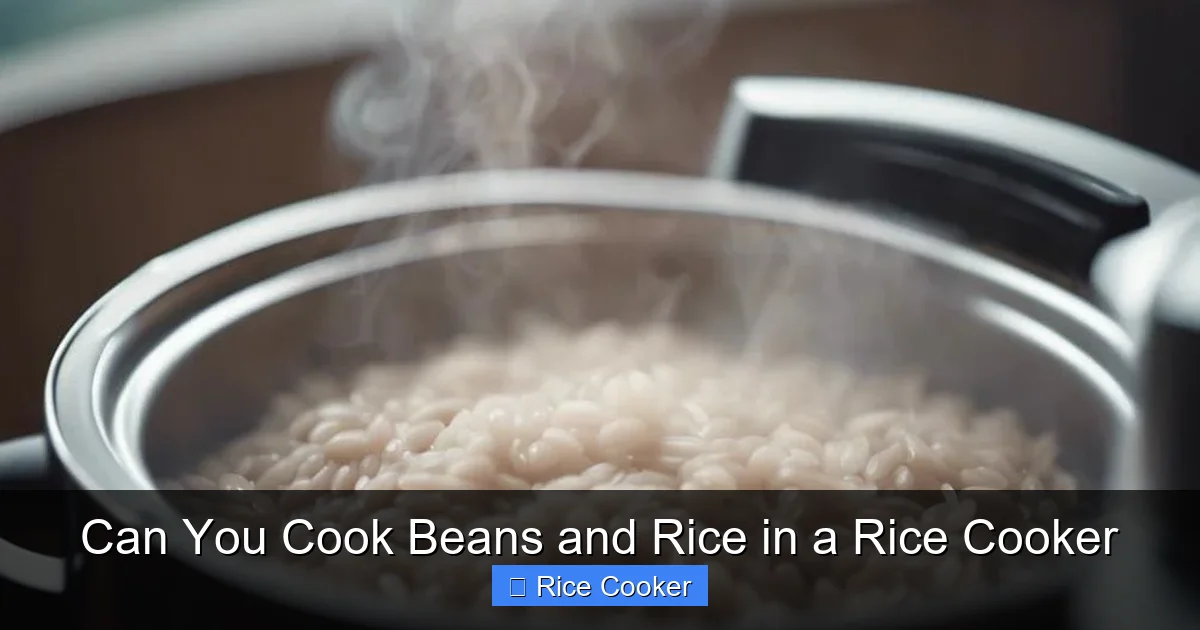
Before we get into recipes, let’s talk about why this method works so well. At its core, a rice cooker is designed to automate the cooking process using steam and controlled heat. When you add water (or broth) and grains, the heat causes the liquid to evaporate gradually, creating a moist environment that cooks the rice evenly. The same principle applies to beans—especially if they’re soaked and partially cooked first.
Visual guide about Can You Cook Beans and Rice in a Rice Cooker
Image source: ricearray.org
How Heat and Steam Work Together
Beans are starchy legumes that absorb water as they cook. Without enough moisture, they can remain hard or even split. But in a rice cooker, the sealed lid traps steam, maintaining consistent humidity and temperature. This gentle, steady heat helps beans break down their complex starches, turning them tender without turning to mush.
Rice, on the other hand, relies on gelatinization—a process where heat causes starch granules in rice to swell and burst, thickening the grains into fluffy perfection. When combined with beans, the rice cooker ensures both components reach ideal texture at the same time, thanks to synchronized cooking cycles.
Why Rice Cookers Are Ideal for Mixed Dishes
Unlike stovetop cooking, which requires constant attention and risk of scorching, a rice cooker is hands-free. You set it and forget it. This makes it perfect for busy weeknights or lazy Sundays when you want a full meal without the fuss. Plus, most rice cookers have non-stick inner pots that make clean-up a breeze.
Modern rice cookers often include multiple settings—like “porridge,” “slow cook,” or “multi-grain”—that optimize cooking for different combinations. For example, some models have a “beans and rice” setting that adjusts timing and water levels automatically. Even older models can handle this combo with a few tweaks.
Choosing the Right Beans and Rice
Not all beans and rice are created equal when it comes to cooking in a rice cooker. The key is matching varieties that cook similarly and complement each other in texture and flavor.
Visual guide about Can You Cook Beans and Rice in a Rice Cooker
Image source: i.pinimg.com
Best Beans for Rice Cookers
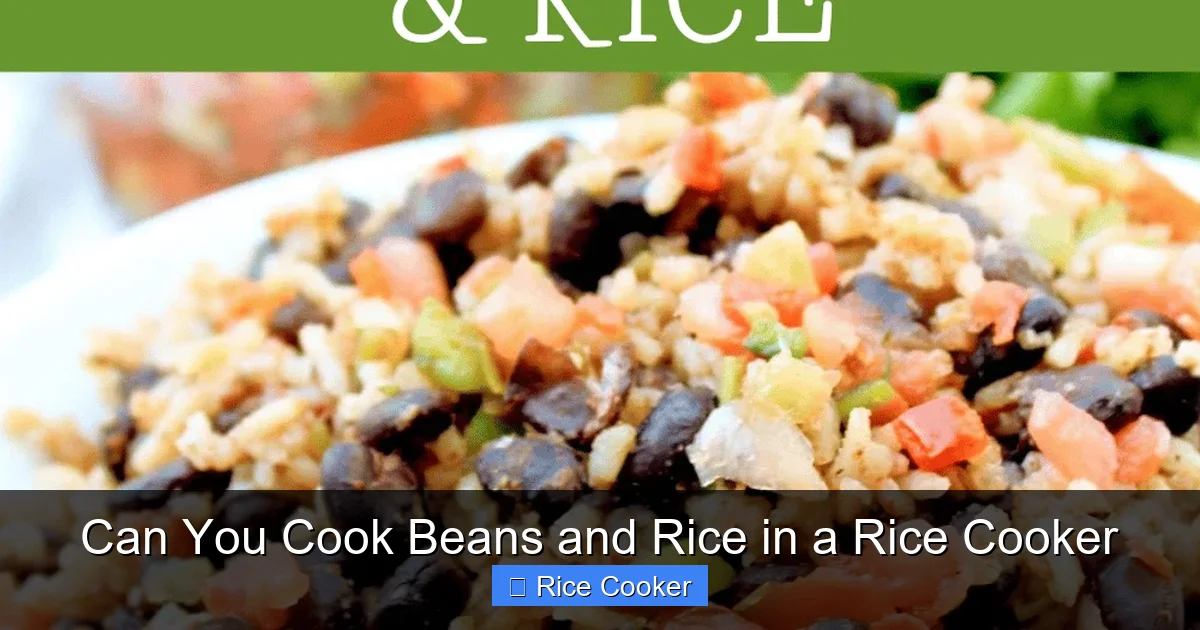
- Black Beans: Creamy, mild, and perfect for Mexican, Caribbean, or Brazilian dishes. They hold their shape well and pair beautifully with cumin, oregano, and lime.
- Pinto Beans: Slightly earthy and great for Tex-Mex or Southwestern recipes. They’re forgiving and cook evenly.
- Kidney Beans: Bold flavor and firm texture make them ideal for chili or salads. Rinse thoroughly before use.
- Chickpeas: Hummus lovers rejoice! Chickpeas add protein and fiber. Use canned for speed or dried for creamier results.
- Lentils: While technically legumes, lentils cook faster and can be mixed with rice for a protein-packed side. Not traditional beans, but worth mentioning!
Best Rice Varieties
- Long-Grain White Rice: Basmati or jasmine work best. They stay separate and fluffy, balancing the softness of beans.
- Brown Rice: Adds fiber and a nutty flavor. Note: It takes longer to cook than white rice, so adjust timing accordingly.
- Parboiled Rice: Pre-cooked under pressure, so it’s less likely to clump. Great for beginners.
- Instant Rice Mixes: Some brands sell pre-mixed rice and beans—ideal for quick meals. Just follow package instructions.
💡 Pro Tip: If using brown rice, increase water by 1/4 cup per cup of rice. Brown rice absorbs more moisture and takes longer to cook.
Step-by-Step: How to Cook Beans and Rice in a Rice Cooker
Ready to try it yourself? Follow this foolproof method for consistent, delicious results every time.
Ingredients You’ll Need
- 1 cup uncooked rice (white or brown)
- 1–2 cups dried beans (or 1 can = ~15 oz, drained)
- 2–3 cups water or vegetable broth (adjust based on rice type)
- 1 small onion, chopped (optional)
- 2 cloves garlic, minced (optional)
- 1 tsp salt (adjust to taste)
- 1 tsp cumin, paprika, or your favorite spice blend
- 1 tbsp olive oil or butter (optional, for sautéing aromatics)
Equipment
- Standard or multi-function rice cooker
- Measuring cups and spoons
- Knife and cutting board
- Wooden spoon or spatula
Instructions
- Sauté Aromatics (Optional but Recommended): Heat oil in a pan over medium heat. Add onions and garlic, cook until soft and fragrant (3–4 minutes). Transfer to the rice cooker pot.
- Add Beans: If using dried beans, rinse and drain. If using canned, rinse well to remove excess sodium. Add to the pot.
- Add Rice: Rinse rice under cold water until water runs clear. This removes excess starch and prevents stickiness.
- Season: Sprinkle in salt and spices. Stir gently to combine.
- Add Liquid: Pour in water or broth. For white rice + dried beans: 2 cups water. For brown rice: 2¼ cups. Adjust if using broth (it adds flavor but less liquid overall).
- Cook: Close lid and select “Normal” or “White Rice” setting. If your cooker has a “Mixed Grains” or “Beans” option, use that.
- Let It Rest: Once the cycle ends, let sit for 10 minutes with the lid closed. This allows residual steam to finish cooking beans and fluff rice.
- Fluff and Serve: Open lid and gently stir with a fork. Taste and adjust seasoning. Serve hot with salsa, avocado, or a squeeze of lime.
Troubleshooting Common Issues
- Rice Sticky or Mushy: Used too much water or didn’t rinse rice. Next time, measure carefully and rinse grains.
- Beans Too Hard: Undercooked. Soak dried beans overnight, or cook longer. Consider adding them halfway through.
- Underseasoned: Always sauté aromatics first—they form the flavor base. Add spices early so they infuse the dish.
- Bread Sticking to Pot: Use non-stick cookware. Add a splash of water or oil before starting.
Flavor Boosting Tips and Recipe Ideas
The beauty of cooking beans and rice in a rice cooker is how easy it is to customize. Here’s how to turn a basic meal into something special.
Infuse Flavor with Broth and Spices
Skip plain water! Use vegetable, chicken, or beef broth instead. It adds depth and richness without extra effort. For extra zing, toss in a bay leaf, whole peppercorns, or a pinch of smoked paprika.
Layer in Vegetables
Add diced bell peppers, corn, carrots, or spinach during the last 10 minutes of cooking. They’ll soften beautifully and boost nutrition.
Try These Delicious Combinations
- Mexican Black Bean & Rice Bowl: Cumin, chili powder, diced tomatoes, and a sprinkle of cotija cheese.
- Spanish Arroz con Frijoles: Saffron, olives, capers, and a splash of white wine (added with broth).
- Indian-Spiced Dal Rice: Turmeric, ginger, garam masala, and coconut milk for creaminess.
- Italian Minestrone-Style: Cannellini beans, diced zucchini, tomato paste, and fresh basil.
- Caribbean Jerk Chicken & Rice: Marinate chicken in jerk seasoning, cook with rice and beans, then shred and mix in.
Vegan and Gluten-Free Friendly
This method naturally supports vegan diets (use plant-based broth) and gluten-free lifestyles (ensure rice and spices are certified GF). Just double-check labels on spice blends.
Advanced Techniques: Multi-Cycle and Pressure Cooking
Want to take your game up a notch? Some rice cookers offer advanced features that enhance flavor and texture.
Two-Stage Cooking Method
For dried beans, consider a two-stage process:
- Pre-Cook Beans: Boil dried beans in water for 20–30 minutes until slightly tender. Drain and add to rice cooker with rice and fresh water.
- Finish Together: Continue cooking on “Rice” or “Keep Warm” until both are fully done. This reduces total cooking time and improves texture.
Using a Pressure Cooker Setting
If your rice cooker has a “Pressure Cook” or “Slow Cook” mode, use it for richer, more tender beans. Set to high pressure for 20 minutes after beans and rice come to pressure. Let natural release for 10 minutes before opening.
Batch Cooking and Meal Prep
Make a big batch on Sunday and reheat throughout the week. Store in airtight containers for up to 4 days. The flavors actually improve over time as they meld together.
Maintenance and Clean-Up Tips
After your meal is done, don’t skip the clean-up. A clean rice cooker means better performance and longer life.
- Unplug and Cool Down: Always unplug the cooker before cleaning.
- Remove Inner Pot: Wash with warm, soapy water. Most are dishwasher-safe—check your manual.
- Clean the Lid: Wipe interior with a damp cloth. Avoid submerging the heating element.
- Check the Vent: Remove any food debris from the steam vent to prevent clogging.
- Store Properly: Keep all parts dry before storing.
💡 Bonus Tip: Add a few drops of vinegar to the wash water to help remove mineral buildup from hard water.
Frequently Asked Questions (FAQs)
Can I cook dried beans and rice together in a rice cooker?
Yes, but it’s better to soak dried beans overnight first to reduce cooking time and improve digestibility. Then cook them together with rice using the standard water-to-rice ratio plus an extra ½ cup of liquid for the beans.
How long does it take to cook beans and rice in a rice cooker?
Most rice cookers take 20–30 minutes on the “Normal” setting. Brown rice may need up to 45 minutes. Allow a 10-minute resting period after cooking for best results.
Do I need to soak beans before cooking them in a rice cooker?
Soaking is optional but highly recommended. It shortens cooking time, reduces gas-causing oligosaccharides, and leads to more even texture. If skipping, add beans earlier and cook longer.
Can I use canned beans instead of dried beans?
Absolutely! Use 1 can (15 oz) of rinsed and drained beans. Since they’re already cooked, add them in the last 10–15 minutes of cooking so they don’t get mushy.
What if my rice cooker doesn’t have a “mixed grains” setting?
No problem! Just use the standard “White Rice” or “Cook” setting. The machine will manage the steam and heat automatically. You may need to adjust water slightly—start with 2 cups per cup of rice and add more if needed.
Is it safe to leave beans and rice in the rice cooker overnight?
Not recommended. Once cooked, food should be refrigerated within 2 hours to avoid bacterial growth. Use the “Keep Warm” function only for short periods (under 2 hours). Never rely on it for long-term storage.
Conclusion: Your Rice Cooker Is a Hidden Gem
So, can you cook beans and rice in a rice cooker? The answer is a resounding yes—and now you know exactly how to do it like a pro. This simple technique opens up a world of possibilities for quick, healthy, and delicious meals that require minimal effort and cleanup.
Whether you’re cooking for one, feeding a crowd, or meal prepping for the week, your rice cooker is a versatile tool that goes far beyond plain white rice. With a few adjustments and a pinch of creativity, you can whip up flavorful bowls, hearty sides, and even main dishes that rival restaurant quality.
Next time you’re wondering what’s for dinner, remember: beans and rice in the rice cooker isn’t just possible—it’s practical, tasty, and totally doable. So go ahead, experiment with spices, veggies, and broths. Your taste buds—and your schedule—will thank you.
Frequently Asked Questions
Can I cook dried beans and rice together in a rice cooker?
Yes, but it’s better to soak dried beans overnight first to reduce cooking time and improve digestibility. Then cook them together with rice using the standard water-to-rice ratio plus an extra ½ cup of liquid for the beans.
How long does it take to cook beans and rice in a rice cooker?
Most rice cookers take 20–30 minutes on the “Normal” setting. Brown rice may need up to 45 minutes. Allow a 10-minute resting period after cooking for best results.
Do I need to soak beans before cooking them in a rice cooker?
Soaking is optional but highly recommended. It shortens cooking time, reduces gas-causing oligosaccharides, and leads to more even texture. If skipping, add beans earlier and cook longer.
Can I use canned beans instead of dried beans?
Absolutely! Use 1 can (15 oz) of rinsed and drained beans. Since they’re already cooked, add them in the last 10–15 minutes of cooking so they don’t get mushy.
What if my rice cooker doesn’t have a “mixed grains” setting?
No problem! Just use the standard “White Rice” or “Cook” setting. The machine will manage the steam and heat automatically. You may need to adjust water slightly—start with 2 cups per cup of rice and add more if needed.
Is it safe to leave beans and rice in the rice cooker overnight?
Not recommended. Once cooked, food should be refrigerated within 2 hours to avoid bacterial growth. Use the “Keep Warm” function only for short periods (under 2 hours). Never rely on it for long-term storage.