

Can you cook beans in a Zojirushi rice cooker? Absolutely! This versatile kitchen appliance isn’t just for rice—it’s a powerful tool for preparing hearty legumes like black beans, chickpeas, and lentils. With the right settings and techniques, your Zojirushi can produce soft, flavorful beans without constant monitoring or soaking.
Using the Quick Cook or Cook & Warm mode, you can transform dry beans into creamy, delicious meals in under an hour. Whether you’re meal prepping, following a plant-based diet, or just looking to save time, this method is a game-changer. We’ll walk you through everything from preparation tips to recipe ideas so you get the best results every time.
Key Takeaways
- Yes, you can cook beans in a Zojirushi rice cooker. The appliance handles legumes well, especially with pre-soaking or using the Quick Cook function.
- No soaking? No problem. Many Zojirushi models offer a Quick Cook setting that shortens cooking time significantly.
- Different bean types need different times. Black beans, chickpeas, and lentils each have ideal cooking durations for best texture.
- Water ratios matter. Use 2–3 cups of water per cup of dry beans to prevent drying out or overcooking.
- Seasoning adds flavor. Add salt, garlic, or bay leaves after beans are tender to avoid toughness.
- Cleanup is easy. Most Zojirushi models have non-stick inner pots that clean up quickly with warm soapy water.
- Perfect for meal prep. Cook large batches and store them for soups, salads, or burritos all week long.
📑 Table of Contents
- Can You Cook Beans in a Zojirushi Rice Cooker?
- Why Choose a Zojirushi for Cooking Beans?
- Which Zojirushi Models Work Best for Cooking Beans?
- How to Cook Beans in a Zojirushi Rice Cooker: Step-by-Step Guide
- Tips for Perfect Beans Every Time
- Best Beans to Cook in a Zojirushi Rice Cooker
- Troubleshooting Common Issues
- Creative Ways to Use Cooked Beans
- Final Thoughts: Is It Worth It?
Can You Cook Beans in a Zojirushi Rice Cooker?
If you own a Zojirushi rice cooker, you might be wondering: “Beyond fluffy white rice, what else can I make?” The answer is—a lot! One surprising but highly effective use is cooking dried beans. Yes, those humble legumes that usually require hours on the stovetop or overnight soaking? They can actually become soft, creamy, and ready-to-eat meals in your Zojirushi with minimal effort.
Zojirushi rice cookers are renowned for their precision, consistent heating, and user-friendly controls. While they’re marketed primarily for rice, many models come with multiple cooking modes—like Quick Cook, Brown Rice, and even Soup—that make it possible to prepare other grains and legumes with excellent results. Cooking beans in a Zojirushi isn’t just doable; it’s efficient, hands-off, and perfect for busy households or anyone building a plant-based lifestyle.
In this complete guide, we’ll show you exactly how to cook beans in your Zojirushi rice cooker, explain why this method works so well, share pro tips for success, and even give you some tasty recipe ideas to get started. By the end, you’ll be confident turning dry beans into nutritious, delicious meals—all with the push of a button.
Why Choose a Zojirushi for Cooking Beans?
Before jumping into the how-to, let’s talk about why a Zojirushi is such a great choice for cooking beans. Unlike traditional pots on the stove, which require constant attention and risk burning or uneven cooking, a Zojirushi uses precise temperature control and automated timing to deliver consistent results every time.
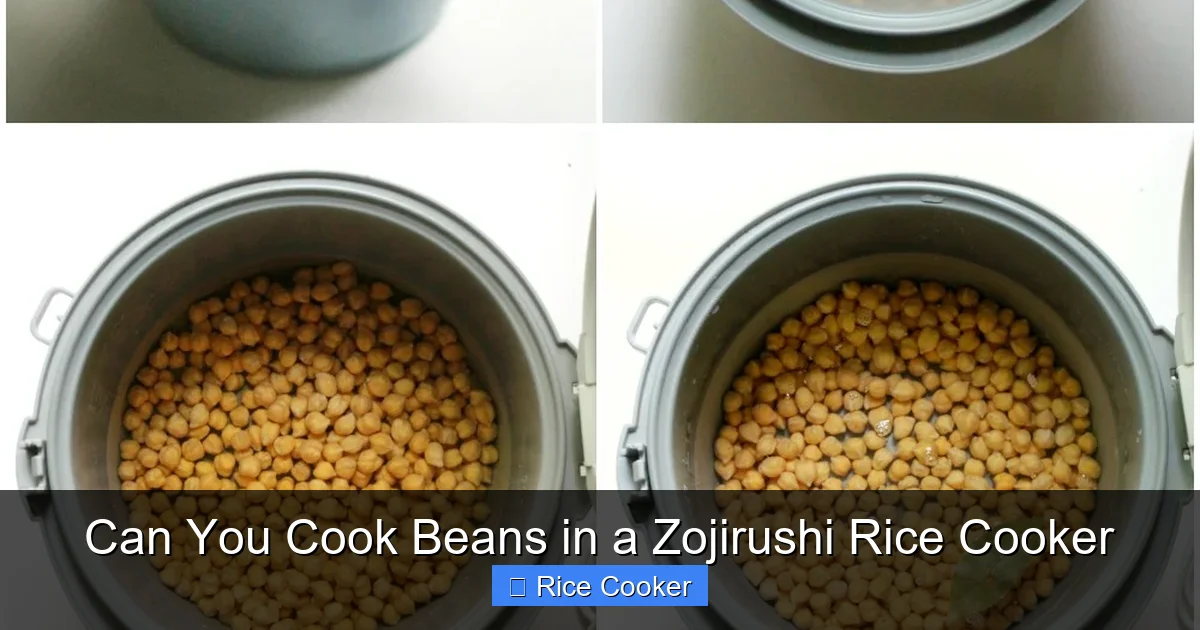
Visual guide about Can You Cook Beans in a Zojirushi Rice Cooker
Image source: strengthandsunshine.com
The Science Behind Perfect Beans
Dry beans are essentially seeds packed with protein, fiber, and complex carbohydrates. To make them edible and digestible, they need to be cooked until the starches break down and the outer skins soften. On the stovetop, this often means simmering gently for 1–2 hours—but even then, it’s easy to overcook or undercook them depending on heat fluctuations.
A Zojirushi, however, maintains a steady internal temperature throughout the cooking cycle. This prevents hot spots that can cause scorching and ensures even hydration and breakdown of starches. Plus, the sealed environment locks in moisture, resulting in tender, plump beans without the need for constant stirring.
Time-Saving Benefits
One of the biggest advantages of using your Zojirushi for beans is speed. If you use the Quick Cook function (available on most modern models), you can cook dried beans in as little as 45–60 minutes—compared to 1.5 to 2.5 hours on the stove. That’s a huge time-saver, especially if you’re making beans from scratch during a busy weekday.
Energy Efficiency
Rice cookers use less energy than stovetops because they transfer heat more efficiently and don’t lose warmth to open air. So not only do you save time, but you also reduce your electricity bill—another win for eco-conscious cooks.
Which Zojirushi Models Work Best for Cooking Beans?
Not all Zojirushi models are created equal when it comes to versatility. While older or basic models may lack the advanced settings needed for optimal bean cooking, newer ones include features specifically designed to handle legumes and whole grains.
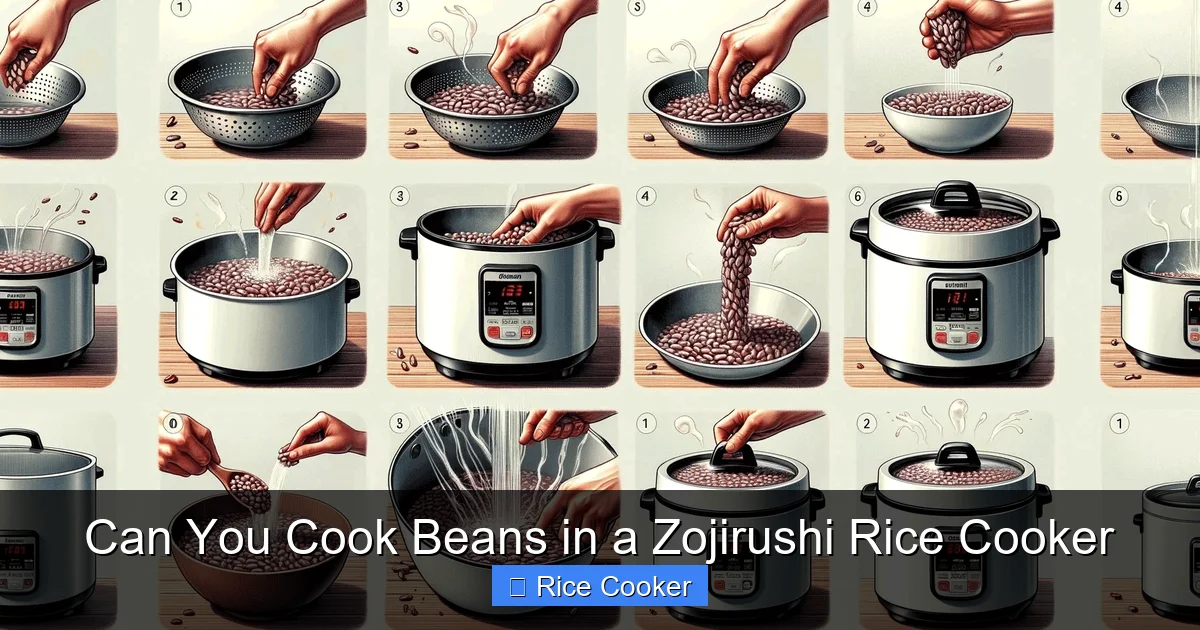
Visual guide about Can You Cook Beans in a Zojirushi Rice Cooker
Image source: expertreviewsbestricecooker.com
Recommended Models
Zojirushi NS-TSC10/NS-TSC18: These compact models feature a Quick Cook setting that’s ideal for smaller batches of beans like lentils or split peas.
Zojirushi NPR-DC10/NSZ-DC10: With a larger capacity and advanced fuzzy logic technology, these are excellent for family-sized portions of kidney beans or black beans.
Zojirushi NP-CC10/NSZ-CC18: Designed for brown rice and whole grains, these models also handle dried beans beautifully due to their gentle, slow-cooking cycles.
Look for models labeled “Quick Cook,” “Soup,” or “Brown Rice”—these typically have the programming flexibility needed for beans. Avoid ultra-basic models without programmable timers or multiple settings, as they may not cook beans thoroughly.
What About Pressure Cookers?
Some people wonder if a pressure cooker would be better than a regular rice cooker for beans. While pressure cooking does cut time dramatically (often under 30 minutes), it requires active monitoring and doesn’t offer the same gentle, hands-off approach as a Zojirushi. If you already own a rice cooker, stick with it—you’ll get reliable, foolproof results without extra equipment.
How to Cook Beans in a Zojirushi Rice Cooker: Step-by-Step Guide
Ready to try it yourself? Follow these simple steps to cook perfect beans every time. The process is straightforward, whether you’ve soaked your beans ahead of time or are using the Quick Cook method.
Option 1: Using Pre-Soaked Beans (Traditional Method)
- Sort and rinse: Place 1 cup of dry beans in a fine-mesh strainer and remove any debris or shriveled beans. Rinse thoroughly under cool water.
- Soak overnight (or quick-soak): Cover beans with 3–4 cups of water and let soak for at least 6–8 hours (or boil for 10 minutes, then soak for 1 hour).
- Drain and add fresh water: After soaking, drain and rinse again. Add 2–3 cups of fresh water per cup of dry beans to the inner pot.
- Add optional seasonings: Toss in a bay leaf, onion slice, or crushed garlic clove for extra flavor.
- Select “Cook” or “Rinse” mode: On most models, choose the standard “Cook” setting. For larger batches, use the “Large” option if available.
- Start and wait: Close the lid and press start. The Zojirushi will automatically switch to “Keep Warm” once done—usually after 60–90 minutes.
- Test for doneness: Open the lid and press a bean. It should mash easily between fingers. If still firm, cook for another 15–20 minutes on “Keep Warm” (press “Cook” briefly if needed).
Option 2: Quick Cook Method (No Soaking Required)
- Rinse the beans: Just like above, sort and rinse 1 cup of dry beans.
- Use the Quick Cook setting: Add 2.5–3 cups of water per cup of beans directly to the inner pot—no soaking needed!
- Add aromatics (optional): A pinch of baking soda helps soften beans faster (use sparingly to avoid bitterness).
- Press “Quick Cook”: This mode uses higher heat initially to speed up hydration, then lowers it to finish cooking. Total time: ~50–70 minutes.
- Let sit before opening: Once done, let the beans rest for 10 minutes off-heat to finish softening—this reduces cracking and improves texture.
Water Ratios Explained
Getting the water right is crucial. Too little, and beans won’t soften; too much, and they become mushy or dilute flavors. Here’s a quick reference:
- Black beans, kidney beans, pinto beans: 2.5 cups water per cup dry
- Chickpeas (garbanzo beans): 3 cups water per cup dry (they’re denser)
- Lentils, split peas: 2 cups water per cup dry (they cook faster and can absorb less liquid)
Always err on the side of slightly more water—you can always drain excess liquid after cooking.
Tips for Perfect Beans Every Time
Even with a reliable machine like a Zojirushi, small adjustments can make a big difference. Here are expert-tested tips to ensure your beans turn out tender, flavorful, and never rubbery.
Don’t Add Salt Until the End
Salt draws out moisture and toughens beans by hardening their cell walls. Always add salt, pepper, or acidic ingredients (like tomatoes or vinegar) after beans are fully cooked. This keeps them soft and easy to digest.
Use Fresh Water
Never reuse soaking water or leftover cooking liquid unless you plan to use it immediately. Old water can contain enzymes that inhibit softening or introduce off-flavors.
Don’t Overfill the Pot
Beans expand as they cook—sometimes doubling in size. Never fill the inner pot beyond halfway. Leave room for steam and expansion to prevent overflow.
Experiment with Flavor Boosters
Try adding smoked paprika, cumin, or a strip of kombu seaweed to infuse subtle umami. For Mexican dishes, toss in a sliced jalapeño or cilantro after cooking. Italian-style? Simmer with carrot, celery, and thyme.
Store Properly
Cool beans completely before refrigerating. Store in airtight containers with their cooking liquid (up to 5 days) or freeze in portions (up to 3 months). Reheat gently on the stove or microwave.
Best Beans to Cook in a Zojirushi Rice Cooker
While technically any dried legume can be cooked this way, some work better than others due to texture and cooking time. Below are the top picks for beginners and seasoned cooks alike.
Black Beans
These are among the easiest to cook in a rice cooker. Their dense structure holds up well to long, slow cooking, and they absorb flavors beautifully. Great for tacos, salads, or Cuban-style ropa vieja.
Lentils
Fast-cooking and naturally tender, lentils are ideal for busy days. Red lentils fall apart easily—perfect for curries—while green or brown stay intact for pilafs or dals.
Pinto Beans
Common in Tex-Mex cuisine, pinto beans become creamy and flavorful with a little patience. Try them in nacho dip or refried bean spread.
Chickpeas (Garbanzo Beans)
Higher in starch than other beans, chickpeas benefit from extra water and longer cooking. They’re worth the wait—ideal for hummus, falafel, or Moroccan tagines.
Kidney Beans
Great for chili or three-bean salad. Note: red kidney beans must be boiled vigorously before eating (to destroy lectins), but white kidney beans (cannellini) are safe to use raw.
Avoid These
Adzuki beans and soybeans tend to split or become gummy in a rice cooker due to their high starch content. Consider using a dedicated pressure cooker for those.
Troubleshooting Common Issues
Despite its reliability, you might run into a few hiccups when cooking beans in your Zojirushi. Don’t worry—most are easily fixed.
Beans Are Still Hard After Full Cycle
This usually means insufficient soaking (if using traditional method) or wrong water ratio. Try again with pre-soaked beans or increase water by 10%. Also check your model’s timer—some “Quick Cook” cycles may need manual extension.
Beans Are Gummy or Mushy
Overcooked beans lose their shape. Next time, reduce cooking time by 10–15 minutes or switch to Keep Warm sooner. Drain excess liquid before serving.
Overflow During Cooking
Caused by overcrowding or boiling too aggressively. Reduce batch size and ensure the lid fits snugly. Avoid opening the lid during the first 30 minutes of cooking.
Unpleasant Smell or Taste
This can happen if old beans are used or if the inner pot wasn’t cleaned properly. Always check expiration dates and scrub the pot with mild soap and warm water after each use.
Creative Ways to Use Cooked Beans
Cooking beans in a Zojirushi isn’t just about getting a single meal—it’s about building a foundation for countless dishes. Once your beans are perfectly tender, the possibilities are endless.
Burrito Bowls & Wraps
Layer black beans, brown rice, corn, salsa, and avocado in a bowl. Top with cheese and sour cream for a satisfying lunch or dinner.
Bean Soups & Stews
Add cooked beans to tomato-based broths with carrots, onions, and herbs. Simmer for 20 minutes to blend flavors. Serve with crusty bread.
Salads & Grain Bowls
Mix chickpeas or white beans with quinoa, spinach, cherry tomatoes, and a lemon-tahini dressing. Roast vegetables beforehand for extra depth.
Homemade Hummus
Blend cooked chickpeas with tahini, garlic, lemon juice, and olive oil until smooth. Serve with veggie sticks or pita chips.
Vegetarian Protein Swaps
Crush beans into patties for burgers, mash them into chili, or puree into pasta sauces. They’re a fantastic meat substitute rich in protein and fiber.
Final Thoughts: Is It Worth It?
After learning how versatile your Zojirushi really is, you might be asking: Should I really cook beans in it? The answer is a resounding yes—especially if you value convenience, consistency, and hands-off cooking. Whether you’re feeding a family, meal-prepping for the week, or simply want to eat healthier, this method delivers on all fronts.
Plus, once you master the basics, you’ll find yourself reaching for the rice cooker more often—not just for rice, but for oats, polenta, even steamed fish or dumplings. The Zojirushi is truly a multitasker in the kitchen.
So go ahead—grab those dried beans, fire up your Zojirushi, and enjoy tender, nutritious meals with zero stress. Your future self will thank you.
Frequently Asked Questions
Can you cook dry beans in a Zojirushi rice cooker without soaking?
Yes, many Zojirushi models have a Quick Cook setting that allows you to cook dry beans without prior soaking. This method typically takes 50–70 minutes and yields good results, though pre-soaking gives even softer texture.
What type of beans work best in a Zojirushi?
Black beans, lentils, pinto beans, and chickpeas cook well in a Zojirushi. Avoid very starchy beans like adzuki or soybeans, which may split or become gummy.
How much water should I use per cup of dry beans?
Use 2–3 cups of water per cup of dry beans, depending on the type. Chickpeas need more; lentils need less. Always leave room for expansion to prevent overflow.
Should I add salt while cooking beans in a rice cooker?
No—add salt after beans are fully cooked. Adding it early can make beans tough. Seasonings like garlic or bay leaf can go in during cooking if desired.
Can I cook canned beans in a Zojirushi?
It’s not recommended. Canned beans are already cooked and may become mushy or split in the rice cooker. Reserve them for recipes calling for quick additions.
How long does it take to cook beans in a Zojirushi?
With soaking: 60–90 minutes. Without soaking (using Quick Cook): 50–70 minutes. Exact time varies by bean type and model.