

Can you cook beans in a rice cooker with rice? Absolutely! Using a rice cooker to cook beans and rice together is simple, efficient, and yields delicious results. This method saves time, uses less energy, and ensures tender beans and fluffy rice in one go. Whether you’re making a hearty meal or reducing kitchen cleanup, this technique is a game-changer for busy cooks.
Have you ever stood over the stove, stirring pots of rice and beans, hoping they’ll both finish at the same time? You’re not alone. Many home cooks dream of a faster, easier way to make wholesome meals—especially when you’re juggling work, kids, and dinner prep. That’s where the humble rice cooker comes in.
But here’s the real question: can you cook beans in a rice cooker with rice? The short answer is yes—and it’s easier than you think. With a few simple tweaks, you can create a perfectly balanced, nutritious meal in minutes using just one appliance. In this article, we’ll walk you through everything you need to know about combining beans and rice in your rice cooker, from prep tips to recipe ideas and troubleshooting.
Whether you’re a seasoned cook or new to kitchen gadgets, this guide will show you how to unlock the full potential of your rice cooker. Let’s dive in.
Key Takeaways
- Yes, it’s possible: Beans can be cooked in a rice cooker alongside rice, creating a complete, balanced meal.
- Saves time and effort: One-pot cooking reduces active supervision and simplifies meal prep.
- Proper bean preparation is key: Soaking or pre-cooking dried beans prevents undercooking and ensures even texture.
- Rice cookers vary: Some models have specific settings for legumes; always check your manual.
- Water ratio matters: Adjust liquid levels slightly when combining beans and rice to avoid mushiness.
- Nutritional benefits: Combining beans and rice provides complete protein and essential nutrients.
- Great for meal prep: Cook large batches for easy lunches or freezer-friendly dinners.
📑 Table of Contents
Why Combine Beans and Rice?
Beans and rice are more than just a classic combo—they’re a powerhouse pairing for good reason. Together, they form a complete protein, meaning they provide all nine essential amino acids your body needs. This makes them especially valuable for plant-based diets. But beyond nutrition, cooking them together in a rice cooker offers practical benefits too.
First, it saves time. Instead of cooking two separate dishes, you can prepare both in one pot with minimal effort. Second, it reduces cleanup—just one bowl to wash. And third, many rice cookers maintain consistent heat, which helps both ingredients cook evenly without burning or sticking.
Popular combinations include black beans and brown rice, kidney beans and white rice, or chickpeas with quinoa. These meals are not only satisfying but also versatile—perfect for bowls, burritos, salads, or even soups.
The Science Behind Cooking Beans and Rice Together
Cooking beans and rice simultaneously isn’t magic—it’s chemistry. Beans take longer to cook than rice, typically 45 minutes to over an hour depending on the type and whether they’ve been soaked. Rice, by contrast, usually finishes in 15–20 minutes.
When combined, the rice may finish first, leaving the beans to continue cooking in residual steam. That’s why proper preparation is crucial. If you add raw dried beans directly to uncooked rice, they might remain undercooked or turn mushy.
The solution? Pre-soak dried beans overnight (or use the quick-soak method), then start them cooking before adding the rice. Alternatively, use canned beans—drained and rinsed—for a no-fuss option.
How to Cook Beans and Rice in a Rice Cooker: Step-by-Step Guide
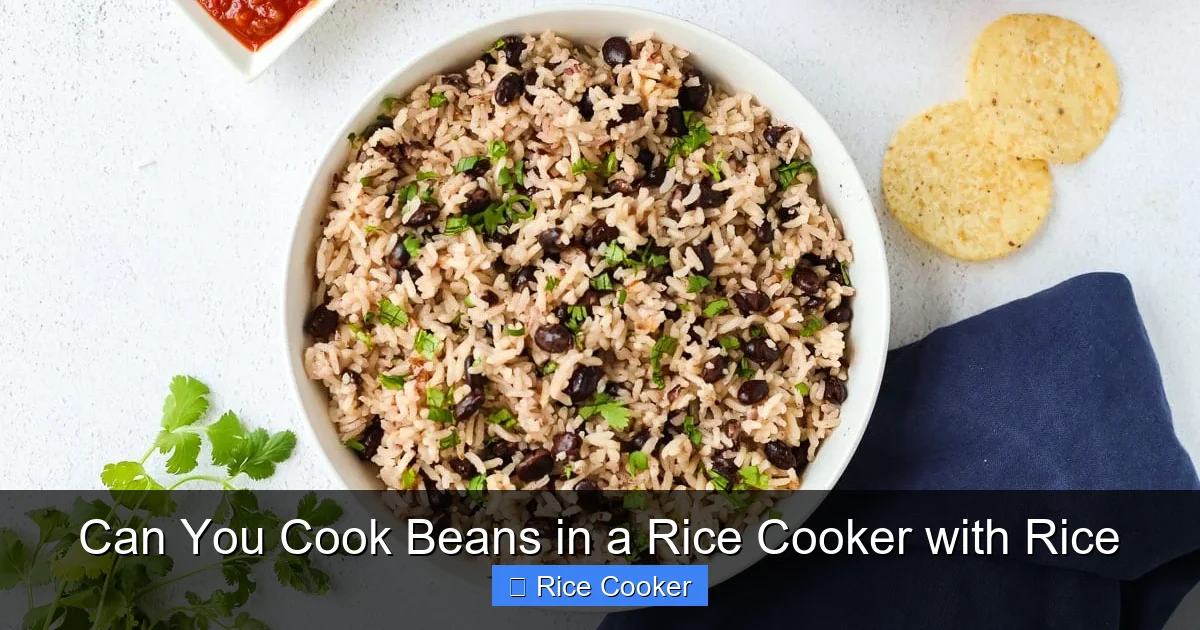
Visual guide about Can You Cook Beans in a Rice Cooker with Rice
Image source: iheartvegetables.com
Ready to try it yourself? Follow these simple steps for foolproof results every time.
Gather Your Ingredients and Tools
You’ll need:
– A clean rice cooker with a non-stick inner pot
– Dried beans (black, pinto, kidney, etc.) or canned beans
– Rice (white, brown, or wild)
– Water (adjust as needed)
– Optional: salt, garlic, onion, herbs, or spices
Step 1: Prepare the Beans
If using dried beans:
– Rinse thoroughly under cold water.
– Soak overnight in plenty of water, or do a quick soak: boil for 2 minutes, then let sit for 1 hour.
– Drain and rinse before adding to the cooker.
If using canned beans:
– Drain and rinse well to reduce sodium and prevent excess starch.
Step 2: Add Liquid First
Always begin by adding water (or broth) to the rice cooker. For dried beans, use 3 cups of water per cup of beans. For canned beans, use 2 cups per cup of beans.
Step 3: Add Beans and Rice
Place the prepared beans into the cooker, then add rice on top. Do not stir—this can break up the grains.
Step 4: Season (Optional)
Add salt, bay leaves, diced onions, or garlic for extra flavor. Just don’t over-season, as beans absorb flavors slowly.
Step 5: Start the Cook Cycle
Close the lid and press the “Cook” button. Avoid opening the lid during cooking—this releases steam and disrupts temperature.
Step 6: Wait and Fluff
Once done, let the mixture sit for 10 minutes. Then gently fluff with a fork. Serve hot!
Tips for Perfect Results Every Time

Visual guide about Can You Cook Beans in a Rice Cooker with Rice
Image source: thekitchenappliancedad.com
Even with the right steps, things can go wrong—but don’t worry. Here are expert tips to ensure success:
Use the Right Water Ratio
Too much water = mushy beans and soggy rice. Too little = burnt bottom and dry beans. As a rule:
– For dried beans + rice: Use 2.5 to 3 cups water per cup of beans and rice combined.
– For canned beans: Reduce water slightly—about 2 cups per cup of total volume.
Don’t Skip Soaking (For Dried Beans)
Soaked beans cook faster, soften better, and reduce gas-causing compounds. Quick-soak works in a pinch, but overnight soaking is ideal.
Choose the Right Rice Cooker Setting
Some advanced models have a “porridge” or “bean” setting. If yours has one, use it. Otherwise, stick with the standard “white rice” or “brown rice” cycle—just extend cooking time if needed.
Prevent Sticking
Line the bottom of the pot with parchment paper or lightly grease it. This protects delicate beans and makes cleanup easier.
Taste Before Serving
Give a small sample a bite. If beans are still hard, close the lid and let it cook for another 10–15 minutes. Never open the lid mid-cycle unless absolutely necessary.
Recipe Ideas: Beans and Rice Done Right
Now that you know how, let’s talk inspiration. Here are three crowd-pleasing recipes you can make in your rice cooker.
Classic Red Beans and Brown Rice
Ingredients:
– 1 cup dried red kidney beans (soaked)
– 1 cup brown rice
– 4 cups water or vegetable broth
– 1 onion, chopped
– 2 cloves garlic, minced
– 1 tsp smoked paprika
– Salt and pepper to taste
Instructions:
1. Add broth, onion, garlic, and spices to the rice cooker.
2. Stir in soaked beans and rice.
3. Cook until done (usually 60–75 minutes).
4. Let rest 10 minutes before serving.
Serve with cornbread or a fresh salad for a complete meal.
Spicy Black Bean and Wild Rice Medley
Ingredients:
– 1 cup dried black beans (soaked)
– 1 cup wild rice blend
– 3.5 cups water
– 1 jalapeño, sliced
– 1 tsp cumin
– ½ tsp chili powder
– Lime wedges for serving
Instructions:
1. Add water, jalapeño, and spices to the cooker.
2. Layer in beans and wild rice.
3. Cook until tender.
4. Squeeze lime juice over top before eating.
Perfect for spicy food lovers!
Simple Canned White Beans and Jasmine Rice
Ingredients:
– 1 can (15 oz) great northern beans, drained
– 1 cup jasmine rice
– 2 cups water
– Pinch of salt
Instructions:
1. Add water and salt to the cooker.
2. Add rice and beans.
3. Cook for 18–20 minutes.
4. Fluff and serve with steamed greens.
This version takes just 25 minutes total—ideal for busy weeknights.
Troubleshooting Common Issues
Even experienced cooks run into hiccups. Here’s how to fix them.
Beans Are Undercooked
Cause: Not soaked enough or not given enough time.
Fix: Soak longer next time, or use canned beans. Extend cooking by 10–15 minutes after the cycle ends.
Rice Is Mushy
Cause: Too much water or overmixing.
Fix: Measure liquids carefully and avoid stirring after cooking.
Burnt Bottom or Stuck Food
Cause: No oil or non-stick surface.
Fix: Grease the pot or use parchment paper before adding ingredients.
Smells Like Burnt Plastic
Cause: New rice cooker with manufacturing residue.
Fix: Run a cycle with plain water and vinegar to clean it out first.
Benefits Beyond Convenience
Using your rice cooker for beans and rice isn’t just about speed—it’s about health and sustainability too.
Nutrition Boost
Combining beans and rice gives you complete proteins, fiber, iron, folate, and complex carbs. This combo supports digestion, stabilizes blood sugar, and keeps you full longer.
Eco-Friendly Choice
Making meals at home reduces packaging waste and lowers your carbon footprint compared to processed foods.
Meal Prep Made Easy
Cook a big batch, divide into containers, and refrigerate or freeze for up to 3 months. Reheat in the microwave or stovetop with a splash of water.
Final Thoughts: Embrace the Magic of One-Pot Meals
So, can you cook beans in a rice cooker with rice? Yes—and now you know how to do it like a pro. It’s simple, healthy, and surprisingly delicious. Whether you’re feeding a family or just yourself, this method turns routine cooking into something special.
Your rice cooker isn’t just for rice anymore. It’s a versatile kitchen hero that can handle lentils, chickpeas, split peas, and more. Experiment with flavors, adjust ratios, and find what works best for your taste buds.
Start today. Grab some dried beans, your favorite grain, and that trusty appliance already sitting on your counter. You’ll be amazed at how easy it is to make a nourishing, homemade meal—without standing over the stove all evening.
Frequently Asked Questions
Can I cook dried beans and rice together in a rice cooker?
Yes, but only if the beans are pre-soaked. Raw dried beans need time to soften, so soak them overnight or do a quick soak before cooking. Add them to the rice cooker first, then rice, and follow the water ratio guidelines.
Do I need to soak beans before cooking them in a rice cooker?
For dried beans, yes—soaking speeds up cooking and improves texture. Canned beans don’t require soaking. If you skip soaking, expect longer cooking times and potentially uneven results.
What type of rice works best with beans?
All types work! White rice cooks quickly and pairs well with most beans. Brown rice adds fiber and nuttiness but takes longer. Wild or long-grain rice holds shape nicely. Choose based on preference and cook time.
How much water should I use when cooking beans and rice?
As a general rule: 2.5 to 3 cups of water per cup of dried beans plus rice. For canned beans, use about 2 cups per cup of total volume. Always check consistency after cooking and add more liquid if needed.
Can I add spices or vegetables while cooking?
Absolutely. Add onions, garlic, carrots, or tomatoes early in the process. Avoid adding acidic ingredients like tomatoes or lemon juice too late, as they can toughen beans.
Is it safe to leave beans and rice in the rice cooker after cooking?
It’s generally safe for a short period (up to 2 hours), but not recommended for long-term storage in the cooker itself. Transfer leftovers to airtight containers and refrigerate or freeze promptly.