
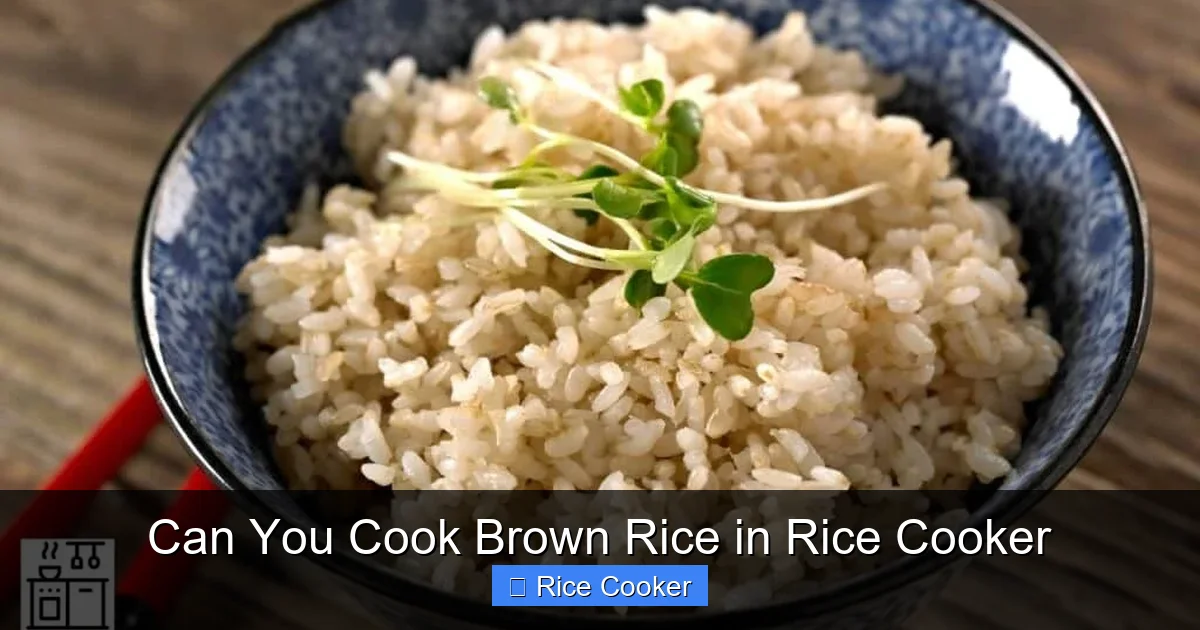
Can you cook brown rice in a rice cooker? Absolutely! While it takes a bit more water and patience than white rice, your rice cooker handles brown rice beautifully. With the right ratio and a few simple tricks, you’ll get tender, nutty-perfect grains without any guesswork or burnt spots.
Key Takeaways
- Brown rice needs more water: Use a 1:2.5 ratio (1 cup rice to 2.5 cups water) for ideal texture.
- Soaking helps: Soak brown rice for 30–60 minutes to reduce cooking time and improve digestibility.
- Your rice cooker is perfect: Most modern rice cookers have a “brown rice” setting—use it!
- Patience pays off: Brown rice takes longer to cook—expect 45–60 minutes instead of 20–30.
- Resting is key: Let cooked brown rice sit covered for 10 minutes to finish steaming and fluff up.
- Clean your cooker: Brown rice starch can stick more easily—clean promptly after use.
- Experiment with flavors: Add broth, herbs, or spices while cooking for extra taste.
Key Takeaways
- Understanding can you cook brown rice in rice cooker: Provides essential knowledge
Quick Answers to Common Questions
Can I cook brown rice in any rice cooker?
Yes, most rice cookers can cook brown rice, especially if you adjust the water ratio slightly. Models with fuzzy logic or a brown rice setting work best, but even basic cookers succeed with careful measuring.
How much water do I use for brown rice?
Use 2 to 2.5 cups of water per 1 cup of uncooked brown rice. Start with 2.25 cups and adjust based on your preferred texture and cooker performance.
Do I need to soak brown rice before cooking?
Soaking is optional but recommended. Soak for 30–60 minutes to reduce cooking time, improve texture, and enhance digestibility. Drain and rinse before adding to the cooker.
Why is my brown rice still hard after cooking?
This usually means not enough water or insufficient cooking time. Increase water to 2.5 cups per cup of rice, ensure your cooker isn’t overcrowded, and let it rest covered for 10 minutes after cooking.
Can I add seasonings to brown rice while cooking?
Absolutely! Add herbs, garlic, ginger, or broth to the water for flavor. Avoid adding salt early—it can toughen the rice. Taste and adjust after cooking.
📑 Table of Contents
- Why Brown Rice Belongs in Your Rice Cooker
- The Science Behind Cooking Brown Rice
- Choosing the Right Rice Cooker for Brown Rice
- Step-by-Step Guide: How to Cook Brown Rice in a Rice Cooker
- Troubleshooting Common Brown Rice Mistakes
- Enhancing Flavor Without Sacrificing Health
- Storing and Reheating Cooked Brown Rice
- Brown Rice vs. Other Whole Grains in the Rice Cooker
- Eco-Friendly and Budget Tips for Brown Rice Cooking
Why Brown Rice Belongs in Your Rice Cooker
You’ve probably seen that box of brown rice on the shelf—darker, rougher, and labeled “healthy”—but maybe you’ve hesitated to try it because you’re not sure how to cook it. The good news? Cooking brown rice in a rice cooker isn’t just possible; it’s one of the easiest ways to do it right every single time. Unlike boiling or stovetop methods where timing and heat control are tricky, a rice cooker does all the work for you—just add rice, water, press a button, and walk away.
Brown rice is packed with fiber, vitamins, and minerals compared to white rice. It keeps you fuller longer, supports digestion, and has a rich, nutty flavor that many people love once they master it. But its bran layer makes it denser and slower to cook, which is why traditional methods often lead to mushy or undercooked results. That’s where your trusty rice cooker comes in. With consistent heat and automated timing, it softens the grain evenly without overcooking. Whether you’re meal-prepping lunches, making a side dish for dinner, or experimenting with grain bowls, learning how to cook brown rice in a rice cooker opens up a world of healthy, satisfying meals.
The Science Behind Cooking Brown Rice
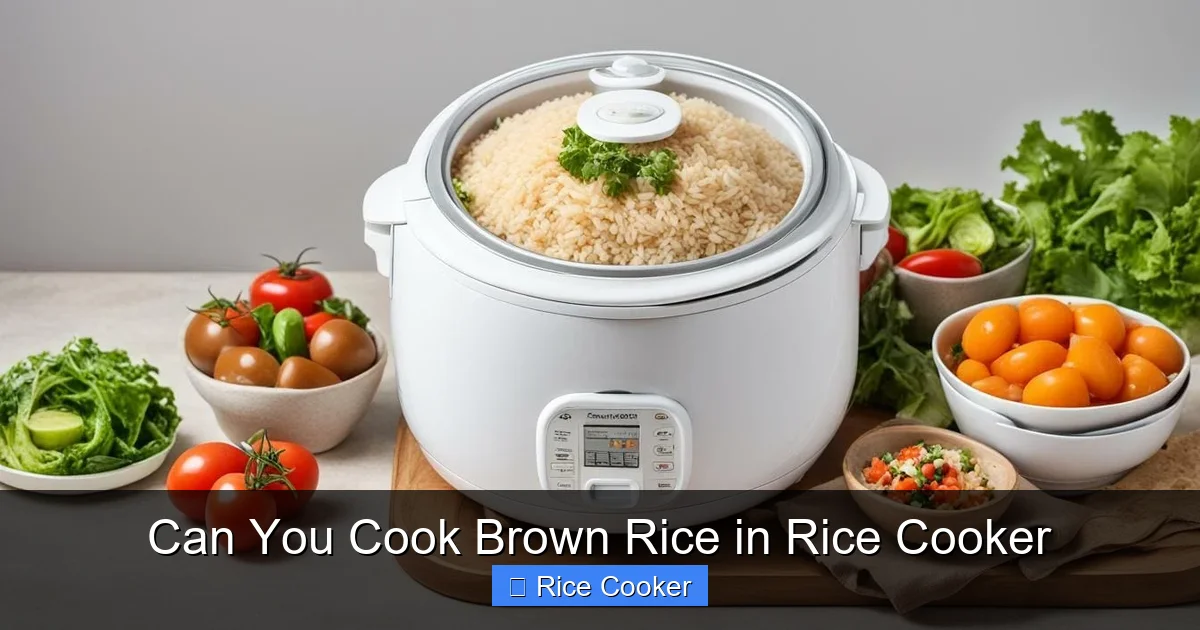
Visual guide about Can You Cook Brown Rice in Rice Cooker
Image source: ricearray.org
Understanding why brown rice behaves differently than white rice helps explain how your rice cooker works its magic. White rice has had its outer husk, bran, and germ removed, leaving only the starchy endosperm. This makes it cook faster and absorb water more quickly. Brown rice, on the other hand, retains those nutrient-rich layers, especially the bran, which acts like a natural barrier slowing down moisture absorption. Because of this, brown rice needs more water and longer cooking times to fully hydrate and soften.
When you cook brown rice in a rice cooker, the appliance maintains a steady temperature throughout the process—first boiling the water, then switching to a gentle simmer as it detects the rice is absorbing moisture. This two-stage process is crucial: too high a temperature early on can cause the surface to harden before the inside cooks through, leading to uneven results. Modern rice cookers are designed to handle this complexity, but even older models can succeed if you follow the right steps. Think of it like giving brown rice a warm bath instead of tossing it into a boiling pot—gentle, gradual hydration leads to better texture.
Choosing the Right Rice Cooker for Brown Rice
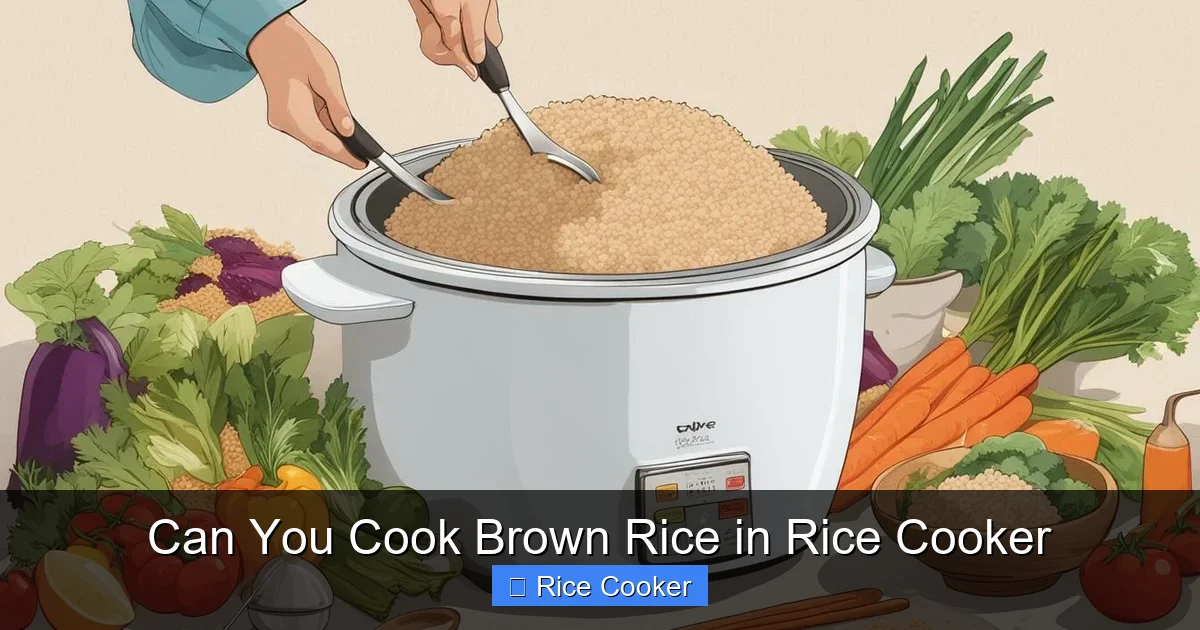
Visual guide about Can You Cook Brown Rice in Rice Cooker
Image source: ricearray.org
Not all rice cookers are created equal when it comes to handling brown rice. If you’ve ever tried cooking brown rice on the “white rice” setting and ended up with gritty or underdone grains, your machine might lack the precision needed. Here’s what to look for:
Fuzzy Logic Technology
This is the gold standard. Fuzzy logic adjusts temperature and timing dynamically based on how much moisture is left in the cooking cycle. It senses when the rice is done and automatically switches to warming mode—no guesswork required. Brands like Zojirushi, Panasonic, and Tiger commonly use this tech.
Multiple Settings
Look for a rice cooker with a dedicated “brown rice” or “multigrain” setting. These programs extend the cooking time and may adjust water levels automatically. Even if your model doesn’t have a specific setting, many still perform well with manual adjustments.
Non-Stick Inner Pot
Brown rice releases more starch during cooking, which can cling to metal surfaces. A smooth, non-stick coating makes cleanup easier and ensures every last grain comes out.
Capacity Matters
If you’re cooking large batches (like for meal prep), choose a 10-cup or larger model. Smaller cookers (3–4 cups) are fine for individuals or couples but may require smaller quantities to avoid overflow.
If you already own a basic rice cooker, don’t worry—many work perfectly with brown rice if you tweak the water ratio slightly. The key is consistency: measure carefully, don’t peek too soon, and let the machine do its job.
Step-by-Step Guide: How to Cook Brown Rice in a Rice Cooker
Ready to make perfect brown rice? Follow these simple steps, whether you’re using a programmable cooker or a simple on/off model.
1. Measure Your Ingredients
For every 1 cup of uncooked brown rice, use 2 to 2.5 cups of water. Start with 2.25 cups per cup of rice as a reliable middle ground. Adjust based on your cooker and desired texture—more water yields softer rice, less gives firmer grains.
2. Rinse the Rice
Place the rice in a fine-mesh strainer and rinse under cold running water until the water runs clear. This removes excess starch and prevents clumping. Don’t skip this step—it’s especially important for brown rice.
3. Soak (Optional but Helpful)
Soaking reduces cooking time and improves digestibility. Submerge rinsed rice in water for 30–60 minutes. After soaking, drain and rinse again before adding to the cooker. This step is optional but highly recommended for first-timers.
4. Add Water and Rice
Pour the rice and measured water into the inner pot. Stir gently once to distribute evenly. Make sure the water level aligns with the markings on your cooker (usually “1 cup” corresponds to a certain water line).
5. Close and Start Cooking
Secure the lid and select the “brown rice” setting if available. If not, use the regular “white rice” setting—just expect a longer cycle. For manual models, press start immediately after closing.
6. Let It Rest
Once the cooker switches to “warm,” wait 10 minutes with the lid closed. This allows residual steam to finish cooking the rice and makes it easier to fluff without breaking apart.
7. Fluff and Serve
Use a fork or rice paddle to gently lift and separate the grains. Serve hot with butter, olive oil, or your favorite sauce.
Pro Tip: If your rice is still slightly firm after resting, place the lid back on and let it steam for another 5 minutes—don’t open the lid during this time!
Troubleshooting Common Brown Rice Mistakes
Even with the best intentions, things can go wrong. Here’s how to fix common issues:
Too Mushy or Sticky
This usually means too much water or overcooking. Next time, reduce water by ¼ cup per batch and avoid opening the lid during cooking. Also, ensure you’re using fresh rice—old rice absorbs water differently.
Gritty or Undercooked Grains
Rice Sticks to the BottomOvercrowding or insufficient stirring at the start can cause clumping. Always stir once after adding water, and never fill your cooker beyond ¾ full. Clean the inner pot promptly after use—starch buildup encourages sticking.
Uneven Texture
Old or low-quality rice can vary in size and density. Sort through the package before measuring—discard any stones or damaged kernels. Using consistent rice brands also helps maintain reliability.
By paying attention to these details, you’ll eliminate most cooking frustrations and enjoy consistently delicious brown rice.
Enhancing Flavor Without Sacrificing Health
Plain brown rice is tasty, but adding subtle flavors can elevate it to restaurant-level dishes. The beauty of cooking in a rice cooker is that you can infuse flavor directly into the grains during the cooking process.
Add Broth Instead of Water
Replace half or all of the water with chicken, vegetable, or even mushroom broth. This adds richness and depth without extra salt or fat. Herbs like bay leaf, thyme, or rosemary can be added to the water for aromatic notes.
Infuse with Aromatics
Sauté minced garlic, ginger, or onions in a little oil before adding rice and water. This builds a flavor base that permeates every grain. For Asian-inspired versions, try adding a splash of soy sauce or sesame oil after cooking.
Sweet Twists for Breakfast or Dessert
Cook brown rice with almond milk, cinnamon, and a touch of honey for a hearty breakfast porridge. Or mix in dried fruit and nuts during the last 5 minutes of cooking for a sweet-and-savory combo.
Savory Add-Ons
Stir in black beans, corn, diced tomatoes, or spinach during the final stage. You can even mix in cooked quinoa or farro for a protein-packed grain salad base.
Remember: because brown rice absorbs flavors slowly, it benefits from longer infusion times. Let it simmer gently with aromatics for 15–20 minutes before switching to warm mode.
Storing and Reheating Cooked Brown Rice
Cooked brown rice keeps well and tastes even better the next day as flavors meld. Proper storage extends its shelf life and maintains texture.
Cool Quickly
Spread cooked rice on a baking sheet or shallow container to cool within 1 hour. Bacteria grow rapidly between 40°F and 140°F, so speed matters.
Refrigerate Promptly
Transfer cooled rice to an airtight container and store in the fridge for up to 5 days. Freeze portions in freezer-safe bags for up to 6 months.
Reheat Safely
Microwave with a splash of water or broth to prevent drying out. Stir halfway through reheating. Alternatively, steam in a covered pot over low heat for 5–7 minutes.
Avoid reheating more than once—each cycle increases bacterial risk. Always check for unusual odors or textures before eating.
Brown Rice vs. Other Whole Grains in the Rice Cooker
While brown rice is a standout, your rice cooker can handle other whole grains too. Each has unique characteristics:
Brown Basmati & Jasmine
These long-grain varieties cook similarly to regular brown rice but develop a fragrant aroma. They benefit from rinsing and soaking just like other brown rice types.
Wild Rice
Technically not rice but a seed, wild rice requires even more water (1:3 ratio) and longer cooking (50–60 minutes). It’s chewier and nuttier—great in pilafs.
Black & Red Rice
Antioxidant-rich heirloom varieties cook like brown rice but may need an extra 10% water. Their bold color and earthy taste pair well with vegetables and lean proteins.
Quinoa & Millet
Gluten-free and protein-rich, these cook in about 15–20 minutes with a 2:1 water ratio. They’re lighter than brown rice and work well in salads.
Experimenting with different grains expands your culinary toolkit. Many rice cookers come with multigrain settings optimized for these options.
Eco-Friendly and Budget Tips for Brown Rice Cooking
Cooking brown rice doesn’t have to break the bank or harm the planet. In fact, it can be both economical and sustainable.
Buy in Bulk
Purchase brown rice in larger containers or online retailers. It’s often cheaper per pound than packaged white rice and lasts longer if stored properly in an airtight container away from light and heat.
Use Leftovers Wisely
Transform leftover rice into fried rice, grain bowls, or overnight oats. Brown rice holds up well when reheated and adds fiber to any dish.
Reduce Food Waste
Rinse and soak leftover soaking water—it’s full of nutrients and can be used to water plants (not edible ones, though!).
Energy-Efficient Cooking
Modern rice cookers use very little electricity—often less than a microwave. Plus, they cook rice faster than boiling on the stove, saving time and energy.
By choosing brown rice, you’re supporting whole-food nutrition and reducing reliance on processed grains. And with your rice cooker doing the heavy lifting, it’s easier than ever to eat well without stress.
Frequently Asked Questions
Is brown rice healthier than white rice?
Yes, brown rice retains the bran and germ, offering more fiber, magnesium, and B vitamins. It digests more slowly, helping stabilize blood sugar and keep you full longer.
How long does cooked brown rice last in the fridge?
Cooked brown rice stays fresh in the refrigerator for up to 5 days when stored in an airtight container. Always refrigerate within 1 hour of cooking.
Can I freeze brown rice?
Yes! Portion cooked brown rice into freezer-safe bags or containers. It keeps well for up to 6 months. Thaw overnight in the fridge before reheating.
Does brown rice need to be rinsed before cooking?
Yes, rinsing removes excess starch and prevents clumping. Place rice in a strainer and rinse under cold water until it runs clear.
Why does my brown rice stick to the bottom of the cooker?
Sticking can happen from overfilling, insufficient stirring, or starch buildup. Ensure you stir once after adding water, don’t exceed ¾ full, and clean the pot promptly after use.
Can I cook brown rice with the same settings as white rice?
You can, but brown rice generally requires longer cooking time and more water. Using the “brown rice” setting (if available) or adjusting manually yields better results.