
Can I cook rice? Absolutely! Whether you’re using a pot on the stove or a rice cooker, cooking rice is simpler than you think. With the right technique and ingredients, you can achieve fluffy, flavorful results every time. This guide walks you through the basics, tips for success, and creative ways to use your perfectly cooked rice.
Have you ever stared into your pantry, wondering, “Can I cook rice?” The answer is a confident yes—and it doesn’t require a degree in culinary arts or a full set of professional tools. Rice is one of the most versatile, affordable, and satisfying staple foods on the planet. Whether you’re making sushi, biryani, fried rice, or just a simple side dish, knowing how to cook rice properly is a fundamental skill every home cook should master.
Key Takeaways
- Yes, you can cook rice: You don’t need fancy equipment—just water and heat will do the job.
- Water-to-rice ratio matters: Most rice needs about 1:2 (rice to water), but this varies by type.
- A rice cooker simplifies the process: It automates timing and temperature for consistent results.
- Rinsing removes excess starch: This prevents gummy rice and helps grains stay separate.
- Cooking times differ: Basmati, jasmine, arborio, and sushi rice each have unique needs.
- Resting improves texture: Let cooked rice sit covered for 5–10 minutes before fluffing.
- Storage is easy: Cooked rice keeps in the fridge for up to 5 days or frozen for months.
📑 Table of Contents
- Can I Cook Rice? Your Complete Guide to Perfect Every Time
- Understanding Rice: Types and Why They Matter
- Do You Need a Rice Cooker?
- Step-by-Step: How to Cook Rice the Right Way
- Troubleshooting Common Rice Mistakes
- Healthy and Creative Ways to Serve Your Rice
- Storing and Reheating Leftover Rice
- Frequently Asked Questions About Cooking Rice
Can I Cook Rice? Your Complete Guide to Perfect Every Time
Have you ever stared into your pantry, wondering, “Can I cook rice?” The answer is a confident yes—and it doesn’t require a degree in culinary arts or a full set of professional tools. Rice is one of the most versatile, affordable, and satisfying staple foods on the planet. Whether you’re making sushi, biryani, fried rice, or just a simple side dish, knowing how to cook rice properly is a fundamental skill every home cook should master.
In this comprehensive guide, we’ll walk you through everything you need to know—from the science behind rice cooking to foolproof methods using just a pot or a rice cooker. We’ll also share expert tips, troubleshooting advice, and creative ideas for using your perfectly cooked rice. By the end, you’ll feel confident answering that question: “Can I cook rice?”—with pride.
Understanding Rice: Types and Why They Matter
Before you start boiling water, it helps to understand what kind of rice you’re working with. Not all rice is created equal, and each type behaves differently when cooked. Choosing the right one for your dish is the first step toward success.
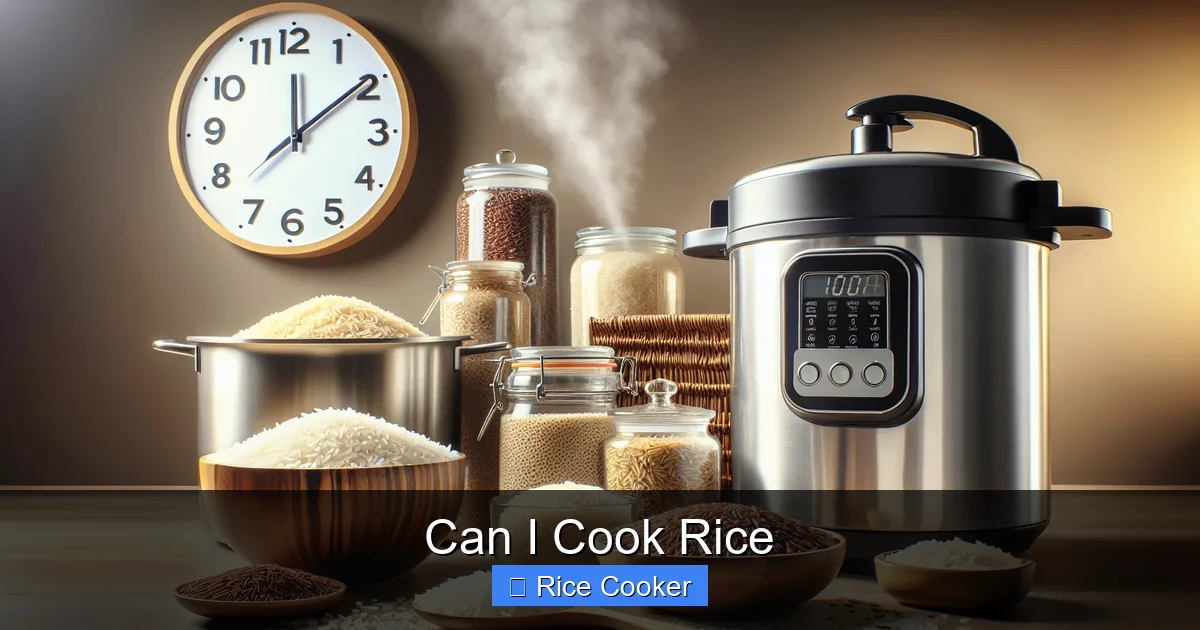
Visual guide about Can I Cook Rice
Image source: ricecookerreviewcentral.com
Short-Grain vs. Long-Grain Rice
The two main categories are short-grain and long-grain rice. Short-grain varieties—like Japanese sushi rice or Italian risotto rice (arborio)—are stickier due to higher starch content. They absorb more liquid and become creamy when cooked. Long-grain rice—such as basmati or jasmine—has less starch, so it stays separate and fluffy.
If you’re making sushi or risotto, short-grain is ideal. For pilafs, stir-fries, or grain bowls, long-grain works best.
Popular Rice Varieties and Their Uses
- Basmati: Fragrant, slender grains—perfect for Indian and Middle Eastern dishes like biryani.
- Jasmine: Aromatic Thai-style rice with a slightly sticky texture; great with curries and seafood.
- Sushi Rice: Short-grain Japanese rice, sticky and ideal for rolls and nigiri.
- Arborio: Creamy Italian short-grain rice used in risotto.
- Brown Rice: Whole grain with a nutty flavor and chewy texture; takes longer to cook.
- Wild Rice: Technically a grass seed, not true rice; has a firm texture and earthy taste.
Knowing which rice to use ensures your meal turns out exactly as intended. When you ask yourself, “Can I cook rice?”—the next logical question is, “Which kind should I use?”
Do You Need a Rice Cooker?
This is one of the most common questions: “Can I cook rice without a rice cooker?” And the answer is yes, absolutely. But does a rice cooker make it easier? Also yes.
How a Rice Cooker Works
A rice cooker uses precise temperature control and automatic shut-off to cook rice evenly. Once the water evaporates, the cooker switches to “keep warm” mode. This consistency is hard to replicate on the stovetop, where heat fluctuates.
Modern rice cookers also offer settings for brown rice, porridge, steaming vegetables, and even making yogurt. Some models come with fuzzy logic technology that adjusts cooking time based on the moisture level of the rice.
Pros and Cons of Using a Rice Cooker
- Pros:
- No babysitting required
- Consistent results every time
- Multiple functions beyond cooking rice
- Easy cleanup (non-stick inner pot)
- Cons:
- Initial cost (though many are affordable)
- Limited capacity for large families
- Can be overkill if you only cook rice occasionally
If you cook rice daily or want to try different types (like red or black rice), a rice cooker is a worthwhile investment. But if you’re just making it once in a while, a pot works just fine.
Step-by-Step: How to Cook Rice the Right Way
Now that you know can I cook rice, let’s get into the actual process. Whether you’re using a pot or a rice cooker, these steps apply to most white rice varieties.
Method 1: Stovetop (Pot Method)
- Measure your rice and water. Use a 1:2 ratio for most white rice (1 cup rice to 2 cups water). Adjust slightly for jasmine or basmati—they may need 1.5 cups water.
- Rinse the rice. Place rice in a sieve and rinse under cold water until the water runs clear. This removes surface starch that can make rice gluey.
- Boil water. In a medium saucepan, bring water to a boil. Add a pinch of salt if desired.
- Add rice and reduce heat. Stir once, then cover and simmer on low heat for 15–20 minutes (white rice) or 40–50 minutes (brown rice).
- Let it rest. Turn off the heat and let the rice sit, covered, for 5–10 minutes. Then fluff with a fork.
Method 2: Rice Cooker
- Wash the rice. Rinse 1 cup of rice in a mesh strainer until water is clear.
- Add rice and water. Pour into the inner pot—use the markings inside or follow package instructions.
- Close the lid and select the setting. Most cookers have a “white rice” button. For brown rice, choose that setting.
- Wait patiently. The cooker will switch to “warm” automatically. Let it sit for 10 minutes before serving.
Pro Tip: The Soak Method for Fluffier Rice
For extra-fluffy rice, soak uncooked rice in cold water for 30 minutes before cooking. Drain, then proceed with your chosen method. This softens the grains and reduces cooking time.
Troubleshooting Common Rice Mistakes
Even experienced cooks run into issues sometimes. Here’s how to fix the most common problems—so your next batch isn’t too dry, too mushy, or undercooked.
Gummy or Sticky Rice
This usually happens when there’s too much starch left on the rice or too little water. Always rinse thoroughly, and avoid stirring after adding rice to the pot. If your rice is already cooked and sticky, spread it on a baking sheet and let it air-dry for 10 minutes—it’ll loosen up.
Dry or Undercooked Rice
Check your water ratio. If rice is crunchy in the middle, add a splash of water, cover tightly, and steam for 5 more minutes. Avoid lifting the lid during cooking—steam escapes and slows the process.
Too Much Water (Soupy Rice)
Unfortunately, you can’t fix overwatered rice. The best approach is to transfer it to a colander and let it drain. Then spread it out on a baking sheet and bake at 300°F (150°C) for 10–15 minutes to dry it out.
Burnt Bottom Layer
This often happens on the stovetop when heat is too high. Use a heavy-bottomed pot and medium-low heat. A tight-fitting lid and occasional swirling (without opening the lid) help distribute heat evenly.
Healthy and Creative Ways to Serve Your Rice
Cooked rice is more than just a side dish. With a few simple additions, you can turn it into a complete meal.
Infused Water Cooking
Instead of plain water, try cooking rice in broth, coconut milk, or even apple cider vinegar (for sushi rice). This adds flavor without extra effort.
Flavor Boosters
- Add a bay leaf or whole peppercorns while boiling.
- Stir in a pat of butter or drizzle of olive oil at the end for richness.
- Mix in sautéed onions, garlic, or herbs before serving.
Breakfast Ideas
Cook oats or quinoa in milk instead of water for a creamy breakfast bowl. Or make rice porridge with cinnamon and fruit.
Meal Prep Powerhouse
Bake large batches of rice at the beginning of the week. Use it for:
- Fried rice (stir-fry with veggies and protein)
- Bowl meals (topped with grilled chicken, beans, and avocado)
- Sushi or rice salads
- Stuffed peppers or tomatoes
Storing and Reheating Leftover Rice
You asked, “Can I cook rice?” Now let’s talk about what to do with it afterward.
Refrigeration
Store cooled rice in an airtight container in the fridge for up to 5 days. Always reheat thoroughly to avoid foodborne illness. If you’re wondering, can I leave cooked rice out of the fridge? check out our guide for safety tips.
Freezing
Portion rice into freezer-safe bags or containers. Label with the date—it keeps well for up to 6 months. Thaw overnight in the fridge before reheating.
Reheating Safely
Never reheat rice in the microwave without adding a splash of water or covering it to prevent drying. Steam it gently on the stove or in the rice cooker for best texture.
Frequently Asked Questions About Cooking Rice
Can I cook rice in the microwave?
Yes, you can cook rice in the microwave using a microwave-safe dish with a lid. Use a 1:2.5 ratio of rice to water, cover, and cook on high for 10 minutes, then let it stand for 10 minutes. Stir and repeat if needed. It’s not as consistent as other methods but works in a pinch.
Is it okay to leave rice in the rice cooker overnight?
No, not safely. Rice should not sit in the “keep warm” mode for more than 1 hour, as bacteria can grow. If you want to keep it warm, transfer it to a sealed container and reheat later.
Why is my rice always mushy?
Most likely, you’re not rinsing enough or using too much water. Rinsing removes excess starch, and overwatering leads to mush. Stick to tested ratios and give your rice a good rinse before cooking.
Can I substitute water with broth?
Absolutely! Broth adds flavor without extra salt. Just make sure to adjust seasoning later, as broth may already contain salt.
How do I cook rice without a pot or rice cooker?
You can use a Dutch oven, instant pot, or even a slow cooker. The key is maintaining steady heat and proper water levels. An Instant Pot is especially effective—just set it to manual and let pressure do the work.
Can I cook rice directly in the rice cooker without rinsing?
While you can, rinsing is recommended for better texture. Unrinsed rice leaves behind starch that can make it clump. However, some people skip rinsing to save time—just expect slightly stickier results.
Frequently Asked Questions
Can I cook rice in the microwave?
Yes, you can cook rice in the microwave using a microwave-safe dish with a lid. Use a 1:2.5 ratio of rice to water, cover, and cook on high for 10 minutes, then let it stand for 10 minutes. Stir and repeat if needed. It’s not as consistent as other methods but works in a pinch.
Is it okay to leave rice in the rice cooker overnight?
No, not safely. Rice should not sit in the “keep warm” mode for more than 1 hour, as bacteria can grow. If you want to keep it warm, transfer it to a sealed container and reheat later.
Why is my rice always mushy?
Most likely, you’re not rinsing enough or using too much water. Rinsing removes excess starch, and overwatering leads to mush. Stick to tested ratios and give your rice a good rinse before cooking.
Can I substitute water with broth?
Absolutely! Broth adds flavor without extra salt. Just make sure to adjust seasoning later, as broth may already contain salt.
How do I cook rice without a pot or rice cooker?
You can use a Dutch oven, instant pot, or even a slow cooker. The key is maintaining steady heat and proper water levels. An Instant Pot is especially effective—just set it to manual and let pressure do the work.
Can I cook rice directly in the rice cooker without rinsing?
While you can, rinsing is recommended for better texture. Unrinsed rice leaves behind starch that can make it clump. However, some people skip rinsing to save time—just expect slightly stickier results.