
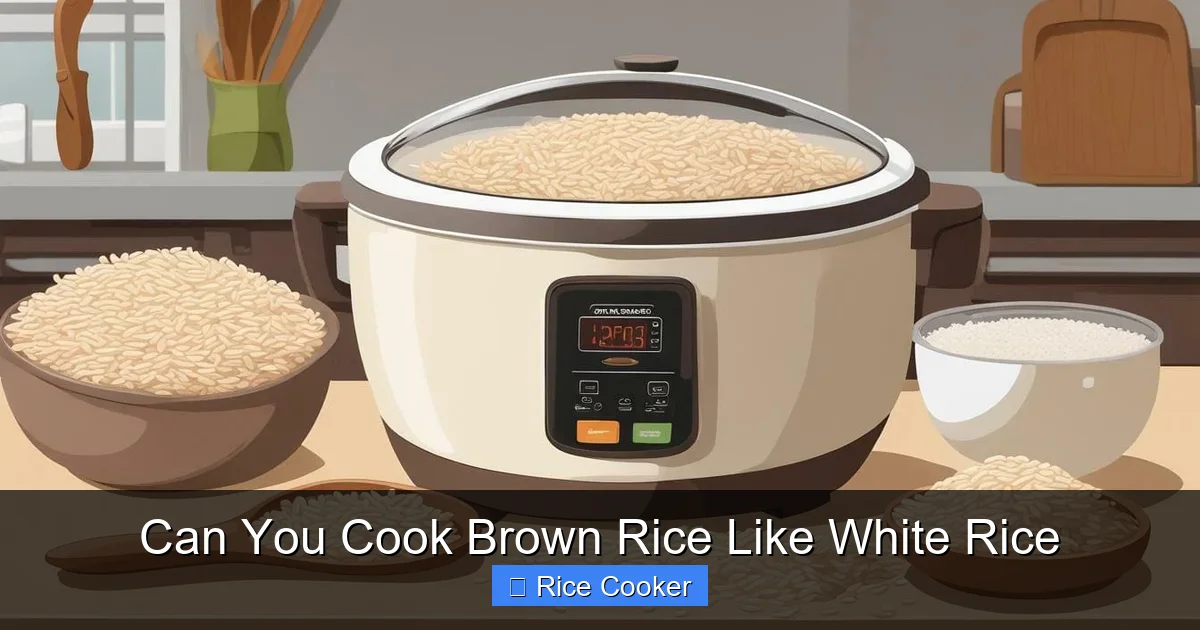
Can you cook brown rice like white rice? Yes, but it requires adjustments in water ratio, cooking time, and preparation. While both grains come from the same plant, brown rice is nutritionally superior, with more fiber, vitamins, and minerals. With the right method—whether using a rice cooker, stovetop, or Instant Pot—you can achieve fluffy, tender brown rice that rivals the texture of white rice.
Key Takeaways
- Understanding can you cook brown rice like white rice: Provides essential knowledge
📑 Table of Contents
- Introduction: The Great Rice Debate – Brown vs. White
- Understanding the Difference Between Brown and White Rice
- Can You Cook Brown Rice Like White Rice?
- How to Cook Brown Rice Using a Rice Cooker
- Stovetop Method: Traditional and Effective
- Using an Instant Pot or Pressure Cooker
- Soaking and Preparing Brown Rice for Best Texture
- Flavoring and Serving Brown Rice Like White Rice
- Storage and Reheating Tips
- Health Benefits of Switching to Brown Rice
- Common Myths About Brown Rice
- Conclusion: Embrace the Upgrade
Introduction: The Great Rice Debate – Brown vs. White
Let’s be honest: rice is one of those foods that shows up at nearly every meal. Whether it’s a side dish with stir-fry, a base for bowls, or a comfort food staple on its own, rice powers our plates. But when it comes to choosing between white and brown rice, many people default to white because it cooks faster and has a softer texture. Yet, there’s growing interest in swapping in brown rice for its nutritional edge—fiber, magnesium, selenium, and more.
The big question on everyone’s mind is: can you cook brown rice like white rice? The short answer? Not exactly the same, but yes—with a few tweaks, you can make brown rice just as delicious and easy to eat. Think of it less like copying and more like adapting. Brown rice is like a stronger, more resilient athlete; it needs a bit more attention and patience, but the payoff is worth it.
This guide will walk you through everything you need to know—from soaking to seasoning—so you can master brown rice using your rice cooker or stovetop. We’ll compare methods, share pro tips, and even talk about why this switch might be one of the simplest upgrades you make to your daily meals.
Understanding the Difference Between Brown and White Rice
Before we dive into cooking techniques, let’s clear up what makes brown and white rice different at their core.
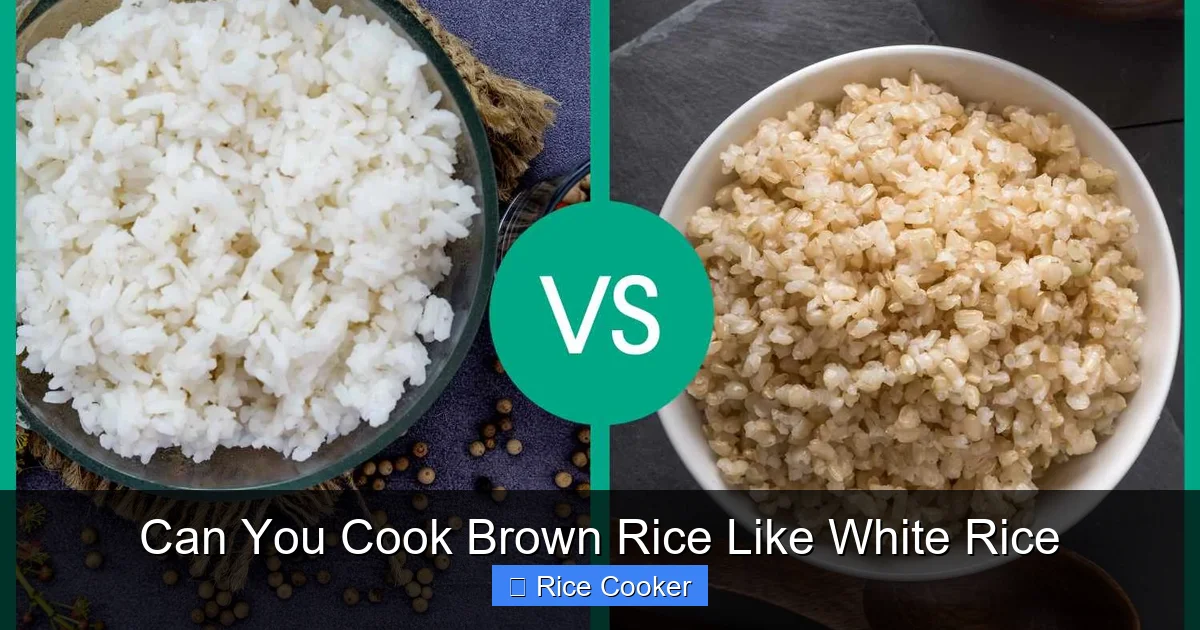
Visual guide about Can You Cook Brown Rice Like White Rice
Image source: realsimple.com
What Is Brown Rice?
Brown rice is whole grain rice, meaning it includes the bran, germ, and endosperm—the three main parts of the grain. The bran provides fiber and B vitamins, while the germ contains healthy fats, antioxidants, and vitamin E. Because it’s unpolished, brown rice keeps all these nutrients intact.
What Is White Rice?
White rice is polished—meaning the bran and germ are removed during processing. This gives it a finer texture and longer shelf life, but it also strips away much of the fiber and micronutrients. It cooks faster because the outer layers have been taken off, allowing water to penetrate more easily.
Why Cooking Times Differ
The key reason brown rice takes longer to cook lies in its structure. The bran layer acts like a barrier, slowing down water absorption. As a result, brown rice needs more water and heat exposure to become tender. On average, brown rice cooks in 40–50 minutes, while white rice takes 15–20 minutes.
Can You Cook Brown Rice Like White Rice?
Here’s the million-dollar question: can you cook brown rice like white rice? Technically, no—you can’t replicate the exact same process and expect identical results. But you can absolutely cook brown rice to be just as soft, fluffy, and enjoyable as white rice, just with a few extra steps.
Visual guide about Can You Cook Brown Rice Like White Rice
Image source: nutritiondaily.com
Think of it this way: white rice is like instant noodles—quick and convenient. Brown rice is homemade soup—requires a little prep, but richer in flavor and nutrition. And when done right, the texture can be surprisingly close. The goal isn’t perfection in mimicry; it’s creating a satisfying, nutritious meal that fits your lifestyle.
In the next sections, we’ll show you exactly how to bridge that gap using your rice cooker, stove, or even an Instant Pot. You’ll learn the ideal water ratios, soaking tricks, and post-cooking tips that transform tough, chewy brown rice into something you’ll want to eat every day.
How to Cook Brown Rice Using a Rice Cooker
If you own a rice cooker, you’re already halfway there. Most modern rice cookers have a dedicated setting for brown rice—and for good reason. These machines are calibrated to handle the longer cooking times and higher water requirements of whole grains.
Step-by-Step Guide
- Rinse the Rice: Place 1 cup of brown rice in a fine-mesh strainer. Rinse under cold water for 30 seconds until the water runs clear. This removes surface starch that can cause clumping.
- Add Water: Transfer rice to the inner pot. Add 2 to 2.5 cups of water per cup of rice. Some cookers recommend 2.25 cups; others suggest checking the manual.
- Optional Soak: Soak rice for 30 minutes to 1 hour before cooking. This helps reduce cooking time and improves texture.
- Cook: Close the lid and select the “Brown Rice” or “Whole Grain” setting. If you don’t see one, use the regular “Cook” button—but be prepared to wait longer.
- Let It Rest: Once done, let the rice sit for 5–10 minutes with the lid closed. Then fluff gently with a fork.
Pro Tips for Perfect Results
- Measure Accurately: Use a dry measuring cup for rice. Filling too full can prevent proper steam circulation.
- Check Consistency: After cooking, if the rice is still slightly firm, add a splash of water and let it steam for another 5 minutes.
- Clean Your Cooker: Over time, mineral buildup can affect performance. Descale occasionally using vinegar and water.
Stovetop Method: Traditional and Effective
Not everyone has a rice cooker, and that’s okay. Cooking brown rice on the stovetop gives you full control—especially if you prefer simmering over pressure cooking. It’s a tried-and-true method used in kitchens worldwide.
The Simmer Method
- Rinse 1 cup of brown rice thoroughly.
- In a medium saucepan, bring 2.25 to 2.5 cups of water to a boil.
- Add rice, reduce heat to low, cover tightly, and simmer for 40–50 minutes.
- Turn off heat and let sit, covered, for 10 minutes. Fluff before serving.
The Absorption Method
This method mimics the rice cooker approach more closely by maintaining consistent moisture throughout cooking.
- Combine rinsed rice and water (2.25:1 ratio) in a pot.
- Bring to a boil, then immediately reduce heat to very low.
- Cook uncovered for 10 minutes, then cover and simmer for 30–35 minutes.
- Remove from heat and rest for 10 minutes.
Common Mistakes to Avoid
- Not Covering Tightly: Steam escapes, leading to dry, uneven rice.
- Overfilling the Pot: Leaves no room for expansion during cooking.
- Fluffing Too Soon: Disturbs the structure before moisture fully absorbs.
Using an Instant Pot or Pressure Cooker
For speed and convenience, the Instant Pot (or any electric pressure cooker) is a game-changer. Brown rice cooks in under 25 minutes—still longer than white rice, but dramatically faster than stovetop.
Quick Steps
- Rinse 1 cup brown rice.
- Add 1.5 cups of water and a pinch of salt.
- Seal the lid, set to “Manual” or “Pressure Cook,” and adjust timer to 22 minutes.
- Once done, allow natural release for 10 minutes, then quick-release remaining pressure.
- Open, fluff, and serve.
Why It Works
High pressure forces water deep into the grain, breaking down the bran layer faster than slow boiling. This reduces cooking time without sacrificing texture.
Troubleshooting Tips
- Rice Still Hard? Try increasing water to 1.75 cups or soaking beforehand.
- Too Wet? Drain excess liquid and return to sauté mode for 2–3 minutes to evaporate.
Soaking and Preparing Brown Rice for Best Texture
You might be wondering: does soaking really make a difference? Absolutely. While not mandatory, soaking brown rice significantly improves its digestibility and texture.
Benefits of Soaking
- Reduces phytic acid, which can inhibit nutrient absorption.
- Softens the bran layer, shortening cooking time.
- Leads to fluffier, more uniform grains.
How to Soak Properly
- Place rinsed rice in a bowl.
- Cover with twice its volume in warm water.
- Let sit for 30 minutes to 2 hours. For overnight soaking, refrigerate and rinse before cooking.
- Drain and proceed with cooking.
Alternative: Quick Soak
No time? Boil the rice with water for 1 minute, then soak for 30 minutes. This pre-hydrates the grain enough to speed up final cooking.
Flavoring and Serving Brown Rice Like White Rice
Cooking isn’t the only challenge—making brown rice taste good is equally important. Many people avoid it because it tastes earthy or bland. But with the right seasonings and pairings, brown rice can be just as delicious as white rice.
Simple Seasoning Ideas
- Herbs and Spices: Add bay leaf, cumin, turmeric, or garlic powder while cooking.
- Liquid Swap: Replace half the water with broth (vegetable or chicken) for deeper flavor.
- Fat Boost: Stir in a tablespoon of olive oil, coconut oil, or butter after cooking.
- Salt Timing: Add salt after rinsing but before cooking—it penetrates better when the grain is dry.
Serving Suggestions
- As a base for grain bowls with roasted veggies and tahini dressing.
- Mixed into soups or salads for added heartiness.
- Served alongside grilled fish or chicken with lemon and herbs.
- Used in risotto-style dishes with mushrooms and Parmesan.
Storage and Reheating Tips
Brown rice stores well and reheats beautifully, making it ideal for meal prep. Unlike white rice, it doesn’t lose much flavor or texture over time—though freshness is always best.
Storing Leftovers
- Cool completely before storing in an airtight container.
- Keep in the refrigerator for up to 5 days.
- Freeze in portions for up to 6 months.
Reheating Methods
- Microwave: Place rice in a bowl, add 1 tablespoon water, cover, and microwave for 1–2 minutes. Stir and repeat if needed.
- Stovetop: Heat over low with a splash of water or broth, stirring frequently.
- Air Fryer: Warm in batches at 300°F (150°C) for 3–4 minutes.
Health Benefits of Switching to Brown Rice
Beyond taste and texture, switching from white to brown rice offers real health advantages. It’s not just about “eating better”—it’s about fueling your body with what it needs.
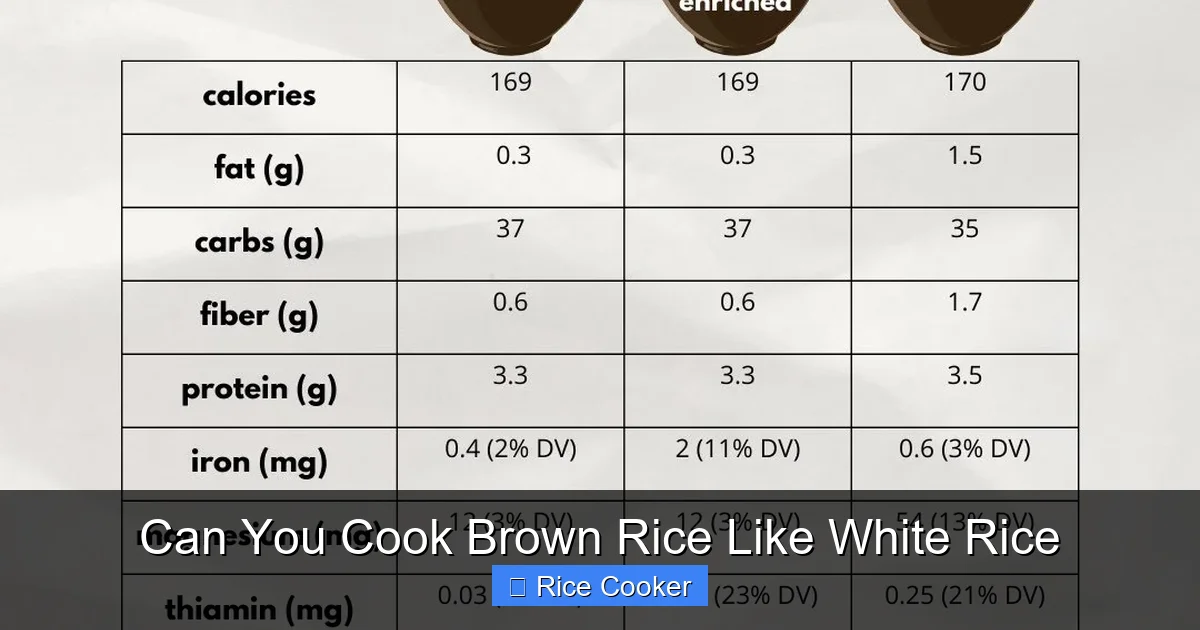
Nutritional Comparison
- Fiber: Brown rice has 3.5 grams per cup vs. 0.6 grams in white rice.
- Magnesium: Essential for muscle function and energy production.
- Selenium: An antioxidant that supports thyroid health.
- B Vitamins: Including thiamine and niacin, crucial for metabolism.
Impact on Blood Sugar
Because of its higher fiber content, brown rice digests more slowly, preventing spikes in blood glucose. This makes it a smarter choice for people managing diabetes or insulin resistance.
Long-Term Health Perks
- Linked to lower risks of heart disease and certain cancers.
- Promotes digestive regularity and satiety.
- Supports gut microbiome health due to resistant starch and fiber.
Common Myths About Brown Rice
Despite its benefits, brown rice faces several misconceptions. Let’s debunk them so you can cook with confidence.
Myth: Brown Rice Is Always Chewier
Truth: With proper soaking, correct water ratio, and adequate resting time, brown rice can be incredibly tender—even softer than overcooked white rice.
Myth: You Need Special Equipment
Truth: While a rice cooker helps, you can cook excellent brown rice on any stovetop or with basic kitchen tools.
Myth: It’s Too Time-Consuming
Truth: Once you master the process, brown rice is just as fast—if not faster—than white rice, especially with soaking or pressure cooking.
Myth: All Brown Rice Is Equal
Truth: Short-grain (like Calrose), medium-grain, and long-grain varieties behave differently. Jasmine and basmati may require slight adjustments in water.
Conclusion: Embrace the Upgrade
So, can you cook brown rice like white rice? The answer is yes—with understanding, preparation, and the right technique. You don’t need fancy gadgets or hours of prep. Just a little awareness of the differences between these two grains, and you’re already ahead.
Switching to brown rice isn’t about perfection; it’s about progress. It’s a small change that adds up: more fiber in your diet, fewer refined carbs, and a step toward sustainable eating. And when you finally take that first bite of perfectly cooked, fluffy brown rice—flavored with herbs and served with care—you’ll understand why so many chefs, nutritionists, and home cooks swear by it.
Next time you open your pantry, reach for the brown rice jar instead of the white one. Your body—and your taste buds—will thank you.
Frequently Asked Questions
Can I substitute brown rice for white rice in recipes?
Yes, but adjust water ratios and cooking times. In casseroles or stir-fries, use equal parts brown rice, but add extra liquid since it absorbs more. Always check doneness early.
Does brown rice need to be soaked before cooking?
Soaking isn’t required, but it improves texture and reduces cooking time. Aim for 30 minutes to 2 hours. Overnight soaking is fine if refrigerated.
Is it safe to eat brown rice raw?
No. Raw brown rice is hard and indigestible. It must be cooked to break down starches and eliminate potential contaminants.
Why is my brown rice gummy or sticky?
This usually happens from too much water or not rinsing properly. Always rinse before cooking and use the recommended 2:1 water-to-rice ratio.
Can I cook brown rice in a microwave?
Yes. Combine rinsed rice and 2.5 cups water in a microwave-safe dish. Cover with a vented lid or plastic wrap. Cook on high for 10 minutes, stir, then continue in 5-minute intervals until tender.
How do I prevent brown rice from turning green?
Green discoloration is rare but can occur due to mold from improper storage. Store cooked rice in the fridge within 2 hours and consume within 5 days. Discard any rice showing unusual colors or smells.