
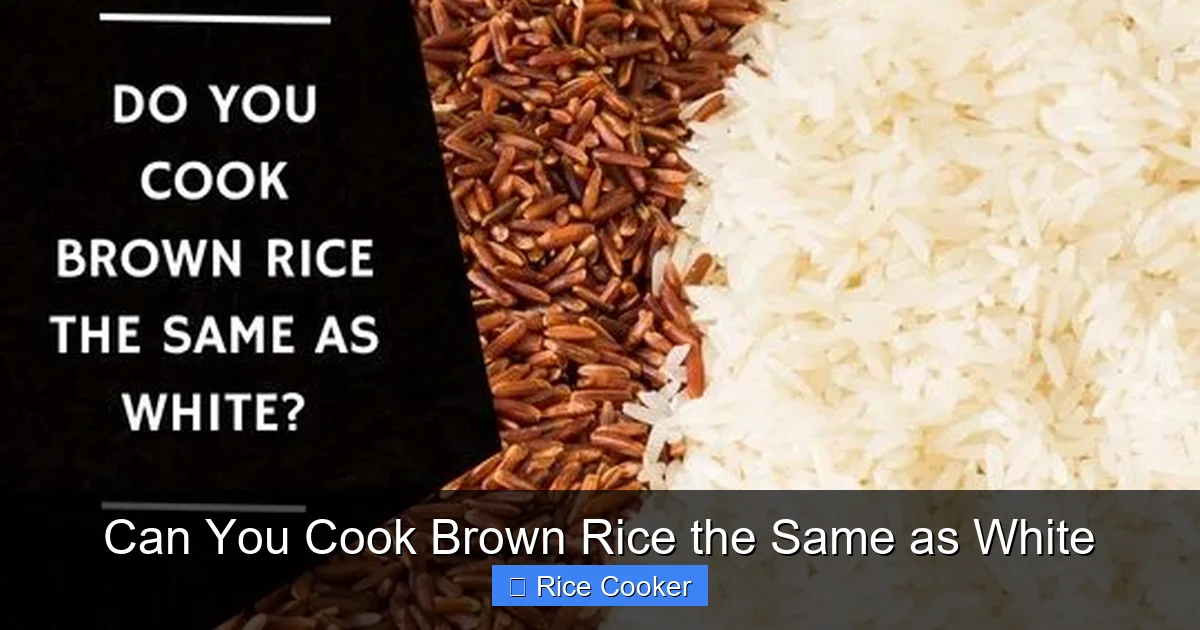
While you can use a rice cooker for both brown and white rice, they require different cooking methods due to their distinct textures and compositions. Brown rice takes longer to cook and needs more water, but it’s richer in fiber and nutrients when prepared correctly. This guide walks you through the key differences and practical steps to ensure fluffy, delicious results every time.
Key Takeaways
- Understanding can you cook brown rice the same as white: Provides essential knowledge
📑 Table of Contents
- Can You Cook Brown Rice the Same as White? A Complete Guide
- The Science Behind Brown vs. White Rice
- Cooking Brown Rice in a Rice Cooker: Step-by-Step
- Why Soaking Makes a Difference
- Adjusting for Altitude and Grain Varieties
- Common Mistakes People Make (And How to Fix Them)
- Enhancing Flavor Without Adding Salt
- Storing and Reheating Leftovers Like a Pro
- Is Brown Rice Worth the Extra Effort?
- Final Thoughts: Embrace the Process
Can You Cook Brown Rice the Same as White? A Complete Guide
If you’re new to cooking whole grains or just curious about whether your trusty rice cooker can handle brown rice like it does with white, you’re not alone. Many home cooks assume that since both types of rice are processed by machines and come in similar packages, they should be cooked the same way. But here’s the truth: brown rice and white rice are fundamentally different, and cooking them the same way usually leads to disappointment.
Brown rice has its bran and germ intact—layers that protect the nutrient-rich endosperm and give it a chewier texture and nuttier flavor. White rice, on the other hand, has those outer layers removed during milling, which makes it softer, faster to cook, and milder in taste. Because of this structural difference, brown rice needs more time, more water, and sometimes a little extra TLC to turn out perfectly. The good news? With the right method, your rice cooker can absolutely deliver tender, fluffy brown rice that rivals store-bought versions.
The Science Behind Brown vs. White Rice
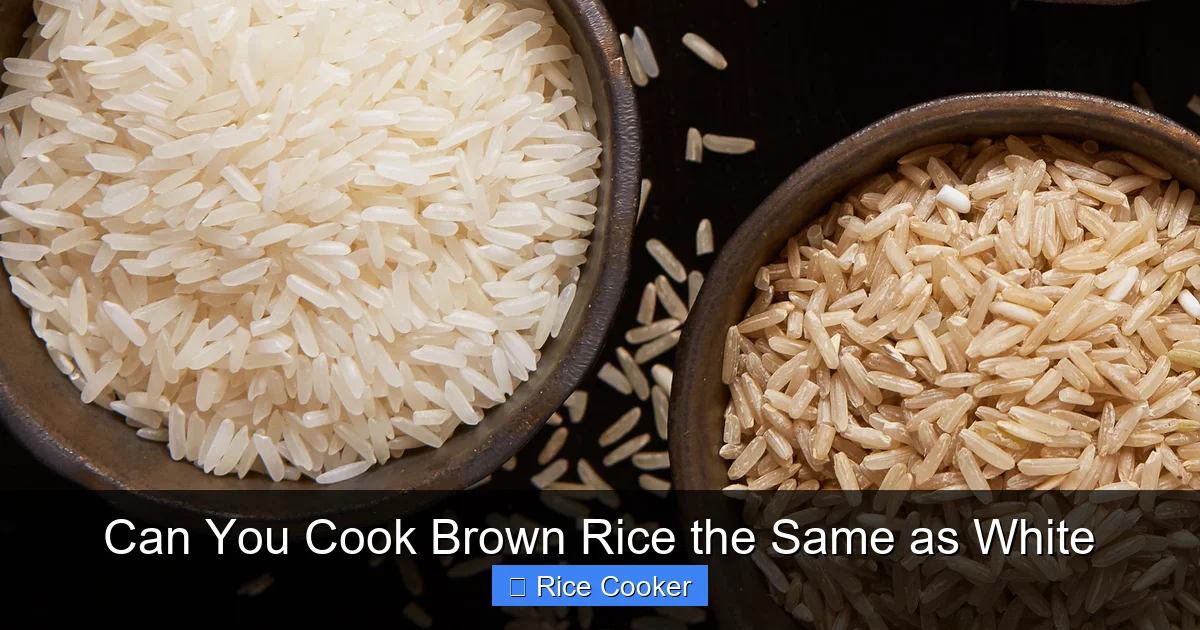
Understanding why brown and white rice behave differently starts with knowing what each part of the grain does. The rice kernel consists of three main parts: the bran (the tough outer shell), the germ (the nutrient-packed embryo), and the endosperm (the starchy core). White rice loses the bran and germ during processing, leaving mostly endosperm—hence its quick cook time and soft texture.
Visual guide about Can You Cook Brown Rice the Same as White
Image source: tastingtable.com
Brown rice keeps all three layers, which means it retains more fiber, B vitamins, magnesium, and antioxidants. But those protective layers also make it denser and harder to break down during cooking. Think of it like trying to cook a raw potato versus a boiled one—the outer layers resist heat longer. That’s why brown rice takes up to 50% more time to become fully tender.
This structural difference also affects how water is absorbed. Brown rice swells more slowly because the bran slows down hydration. If you use the same water-to-rice ratio for both types, your brown rice will likely be gummy or undercooked at the center.
Cooking Brown Rice in a Rice Cooker: Step-by-Step
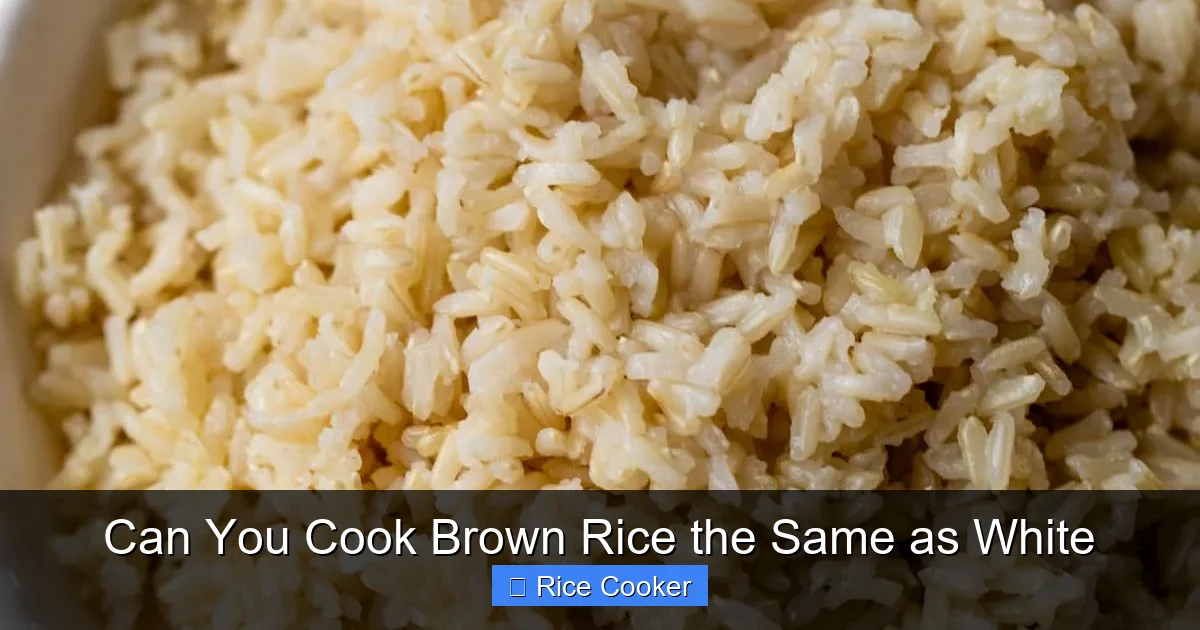
Even though brown rice isn’t exactly like white rice when it comes to cooking, modern rice cookers—especially newer models—are designed to adapt. Most high-end or smart rice cookers have a dedicated “brown rice” or “whole grain” setting that adjusts time and temperature automatically. But if yours doesn’t, don’t worry. You can still get great results with a few simple tweaks.
Visual guide about Can You Cook Brown Rice the Same as White
Image source: wellplated.com
Gather Your Ingredients and Tools
Before you start, make sure you have:
- 1 cup uncooked brown rice
- 1.5 to 2 cups of water (or broth for added flavor)
- A fine-mesh strainer
- A measuring cup
- Your rice cooker with removable inner pot
Using a measuring cup that came with your cooker ensures accuracy—different brands measure volume differently.
Rinse the Rice Thoroughly
Just like with white rice, rinsing removes excess starch and prevents clumping. Place the rice in a strainer and run cool water over it until the water runs clear. This step is especially important for brown rice because it helps distribute moisture evenly during cooking.
Measure Water Accurately
For most rice cookers, the standard ratio is 1:2 for brown rice (1 cup rice to 2 cups water). However, some recipes suggest 1.5 cups per cup of rice, depending on altitude or grain type. Start with 2 cups for every 1 cup of rice, then adjust next time based on your results.
Add Rice and Water to the Cooker
Place the rinsed rice into the inner pot and add the measured water. Stir gently once to help even distribution. Don’t skip this stir—it helps prevent sticking and promotes uniform cooking.
Choose the Right Setting
If your rice cooker has a “Brown Rice” or “Whole Grain” setting, select it. These programs typically run for 40–50 minutes instead of the usual 20–30 for white rice. If you don’t have that option, set it to manual or keep warm mode and plan to cook longer—around 50 minutes total.
Let It Rest After Cooking
Once the cycle ends, let the rice sit covered for 10–15 minutes. This allows residual steam to finish cooking the grains from within and fluff everything up. Fluff with a fork before serving.
Why Soaking Makes a Difference
One secret to perfect brown rice? Soaking. Unlike white rice, which cooks quickly due to its soft structure, brown rice benefits greatly from pre-hydration. Soaking softens the bran layer and shortens cooking time by up to 20 minutes.
Here’s how to soak:
- Combine 1 cup brown rice with 2 cups water in a bowl.
- Cover and let sit at room temperature for 30 minutes to 2 hours (or overnight in the fridge).
- Rinse again before transferring to the rice cooker.
After soaking, reduce your water by ¼ cup. Soaked rice absorbs moisture faster and ends up less sticky.
Adjusting for Altitude and Grain Varieties
Not all brown rice is created equal. Long-grain, medium-grain, and short-grain varieties absorb water differently and may need slight adjustments. For example, jasmine or basmati brown rice tends to be drier and might need slightly more water, while sushi or glutinous brown rice could use less.
Altitude also plays a role. At higher elevations, water boils at a lower temperature, so rice cooks slower. In these cases, increase water by 1–2 tablespoons per cup and extend cooking time by 5–10 minutes.
Keep a small notebook or digital log to track what works best for your kitchen conditions. Over time, you’ll develop a personalized recipe that never fails.
Common Mistakes People Make (And How to Fix Them)
Even experienced cooks occasionally mess up brown rice. Here are the most frequent errors and how to avoid them:
1. Using Too Little Water
Result: Undercooked, hard center. Fix: Always start with at least 2 cups per cup of rice. Add more if needed after testing.
2. Not Rinsing Enough
Result: Gummy, clumpy texture. Fix: Rinse until water runs clear—this removes surface starch.
3. Skipping the Rest Period
Result: Stiff, unevenly cooked grains. Fix: Keep lid on and wait 10–15 minutes post-cooking.
4. Overfilling the Cooker
Result: Steam can’t circulate properly. Fix: Never exceed the max fill line. Leave room for expansion.
5. Using Cold Water Only
Result: Uneven heating. Fix: Use room-temperature or slightly warm water for consistent results.
Enhancing Flavor Without Adding Salt
Brown rice has a naturally nutty, earthy flavor that pairs well with herbs, spices, and liquids. Instead of just salt, try these ideas:
- Cook rice in vegetable or chicken broth for depth.
- Add a slice of kombu (dried seaweed) while cooking—it boosts umami and softens texture.
- Toss in a bay leaf or sprig of thyme during the last 10 minutes of cooking.
- After cooking, mix in a pat of butter or olive oil for richness.
These small touches transform plain brown rice into a gourmet side dish or base for bowls.
Storing and Reheating Leftovers Like a Pro
Cooked brown rice keeps well in the refrigerator for up to 5 days. Store it in an airtight container to prevent drying out. To reheat, place a damp paper towel over the container and microwave for 30–60 seconds, checking frequently to avoid mushiness.
For meal prep, cook a big batch on Sunday and portion into containers. It freezes beautifully for up to 3 months—just thaw overnight in the fridge before reheating.
Is Brown Rice Worth the Extra Effort?
Absolutely. While brown rice demands a bit more attention than white rice, the payoff is worth it. It’s packed with fiber, which supports digestion and keeps you fuller longer. Studies link regular consumption of whole grains like brown rice to reduced risks of heart disease, diabetes, and certain cancers.
Plus, it’s versatile. Serve it with grilled salmon and roasted veggies, blend into risotto, or use in fried rice. Once you master the basics, you’ll wonder why you ever settled for white rice.
So yes—can you cook brown rice the same as white? Technically, no. But practically, with the right technique, you can achieve delicious, healthy results every single time.
Final Thoughts: Embrace the Process
Cooking brown rice isn’t magic—it’s science, patience, and practice. There’s no shame in having a few failed batches along the way. Even professional chefs tweak their methods based on season, equipment, and ingredient quality.
The key is consistency. Once you lock in your preferred water ratio, cooking time, and resting period, you’ll have a reliable staple for countless meals. And when someone asks if you can cook brown rice the same as white, you’ll confidently say: “Not quite—but I’ve got it down to a perfect art.”
Happy cooking!
Frequently Asked Questions
Can I substitute brown rice for white rice in any recipe?
Yes, but expect differences in texture and cook time. Brown rice holds its shape better and adds more fiber, making it ideal for pilafs, salads, and bowls. In soups or casseroles, it absorbs liquid differently, so adjust accordingly.
How long does brown rice take to cook in a rice cooker?
Typically 40–50 minutes on the brown rice setting. If cooking manually, bring water to a boil first, then switch to low heat and cover for 50 minutes. Always check for doneness before finishing.
Do I need a special rice cooker for brown rice?
No, but a model with adjustable settings or a timer gives better control. Basic rice cookers work fine if you follow the correct water ratio and extend cooking time slightly.
Why is my brown rice always gummy?
Gummy rice usually means too much water or not enough rinsing. Try reducing water by ¼ cup and always rinse until water runs clear. Also, avoid stirring too much after cooking.
Can I cook brown rice in a stovetop pot instead?
Absolutely. Bring 2 cups water (per cup of rice) to a boil, add rinsed rice, reduce heat, cover, and simmer for 45–50 minutes. Let rest 10 minutes before fluffing.
Is brown rice gluten-free?
Yes, all rice—including brown rice—is naturally gluten-free. Just ensure it’s labeled “certified gluten-free” if you have celiac disease or severe sensitivity.