
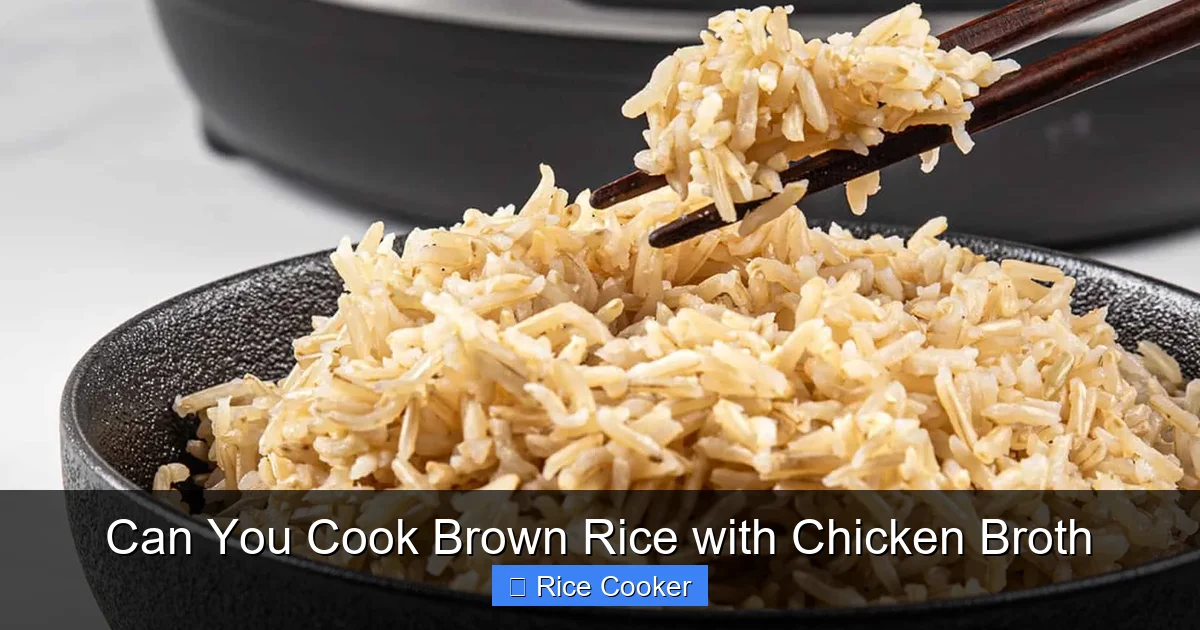
Cooking brown rice with chicken broth is not only possible but delicious. It adds rich, savory depth to your grains while keeping things simple. Using broth instead of water boosts flavor and nutrients, making every bite more satisfying without extra effort.
Key Takeaways
- Flavor Boost: Chicken broth adds natural umami and richness that plain water can’t match.
- Nutrition Upgrade: Broth contributes vitamins, minerals, and collagen from simmered bones.
- Easier Digestion: The slight saltiness softens tough bran layers slightly, improving texture.
- Saves Time: No need to sauté onions or garlic separately—broth does the work for you.
- Perfect for Meal Prep: Batch-cook flavored rice ahead of time for quick lunches or dinners.
- Works in Any Cooker: Whether electric, stovetop, or Instant Pot—broth cooks evenly every time.
- Customizable: Use homemade or store-bought broth; adjust salt based on brand strength.
📑 Table of Contents
- Can You Cook Brown Rice with Chicken Broth? Absolutely—Here’s Why You Should!
- Why Cook Brown Rice with Chicken Broth?
- How Much Chicken Broth Should You Use?
- Choosing the Right Type of Chicken Broth
- Cooking Methods: Rice Cooker vs. Stovetop vs. Instant Pot
- Pro Tips for Perfect Broth-Cooked Brown Rice
- Troubleshooting Common Issues
- Creative Ways to Serve Chicken Broth Rice
- Conclusion: Make Broth Your New Best Friend
Can You Cook Brown Rice with Chicken Broth? Absolutely—Here’s Why You Should!
Imagine this: it’s 6 p.m., you’re tired after a long day, and all you want is something warm, comforting, and ready in under 40 minutes. Dinner rolls around, and you reach for your trusty rice cooker. But instead of boiling water, you grab a carton of chicken broth from the fridge. “Why not?” you think. After all, water makes plain rice—but broth? That sounds like magic.
So yes—you can absolutely cook brown rice with chicken broth, and it might just become your new favorite trick. Not only does it infuse your grains with deep, savory flavor, but it also turns an otherwise boring staple into something hearty and nourishing. In this guide, we’ll walk through everything you need to know: from why broth works so well, to how much to use, what kind of cooker to use, and even some pro tips to avoid mushy or undercooked results. Let’s dive in!
Why Cook Brown Rice with Chicken Broth?
Before we get into the nitty-gritty, let’s talk about why anyone would bother swapping out water for broth when cooking rice. After all, isn’t rice supposed to be neutral—a blank canvas for spices, vegetables, or proteins? And yet, here we are recommending chicken broth as the secret weapon. What gives?
Visual guide about Can You Cook Brown Rice with Chicken Broth
Image source: theshortordercook.com
A Flavorful Foundation
The first reason is simple: flavor. Water is… well, water. It doesn’t add anything beyond hydration. Chicken broth, especially if it’s homemade or low-sodium store-bought, carries notes of roasted meat, herbs, and slow-simmered bones. When you cook rice in it, those flavors gently infuse each grain, creating a richer, more complex bite with every spoonful.
Think of it like baking bread with milk instead of water. The result tastes noticeably better—even if the recipe is otherwise identical. Same principle applies here. Your plain brown rice becomes “chicken-flavored” rice, which pairs beautifully with stir-fries, grain bowls, soups, or even eaten solo with a drizzle of olive oil and lemon.
Nutritional Benefits
Beyond taste, there’s nutrition to consider. While rice itself is mostly carbohydrates, broth brings along trace amounts of protein, minerals like potassium and phosphorus, and even collagen (if using bone broth). These aren’t massive quantities, but over time, they add up—especially if you’re relying on rice as a staple part of your diet.
Plus, many people find that cooking rice in broth reduces its glycemic load slightly compared to water alone. That means slower digestion and steadier blood sugar spikes—great news if you’re managing energy levels throughout the day.
Improved Texture (Sometimes)
This one’s subtle but important. Brown rice has a tougher outer layer (the bran), which can make it chewier than white rice when cooked in plain water. Chicken broth, being slightly saltier and more mineral-rich, helps soften that bran just enough to improve mouthfeel without turning the rice into paste.
That said—don’t expect miracles. Brown rice will still be chewier than white rice, no matter what liquid you use. But broth often strikes a better balance between tenderness and structure.
How Much Chicken Broth Should You Use?
Now comes the practical stuff: ratios. Just like with water, you don’t want to drown your rice or leave it dry. Most standard recipes call for equal parts liquid to rice by volume—for example, 1 cup broth + 1 cup uncooked brown rice = 2 cups total liquid.
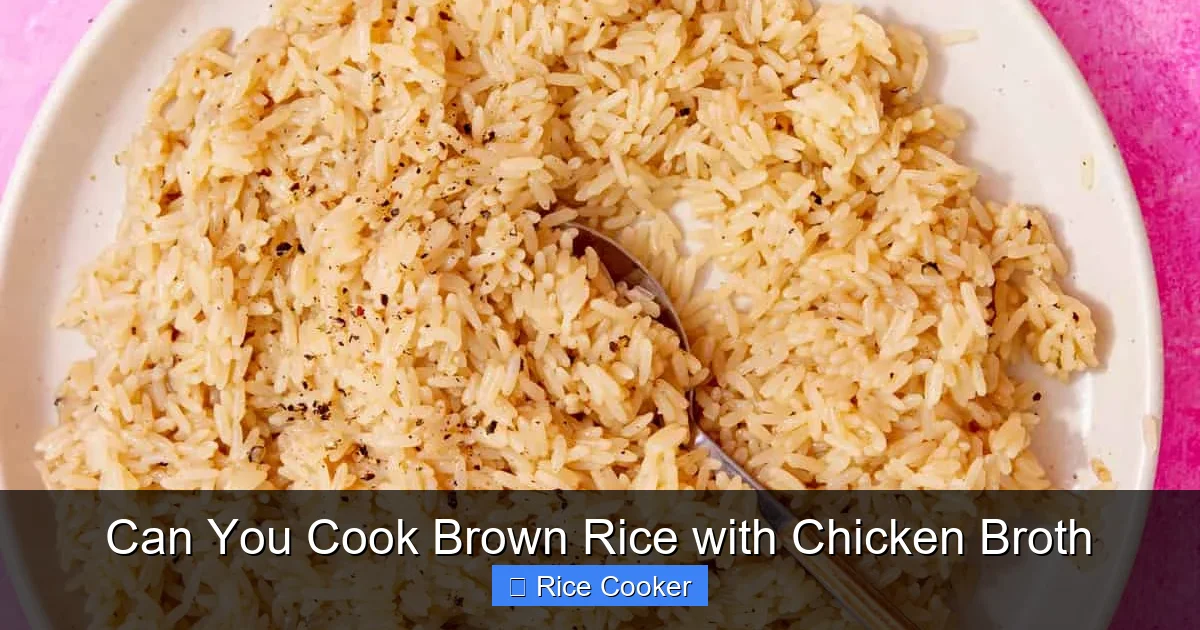
Visual guide about Can You Cook Brown Rice with Chicken Broth
Image source: beatthebudget.com
However, brown rice absorbs more liquid than white rice due to its fibrous hull. So while 1:1 works fine for short-grain brown rice varieties (like Thai jasmine brown rice), longer grains like basmati or arborio may need a touch more broth. A good rule of thumb? Start with 1 cup broth per 1 cup dry rice, then add another quarter-cup if the rice seems too firm after cooking.
Also keep in mind: different broths vary in thickness and saltiness. If your broth is already high in sodium, skip adding table salt during cooking. Conversely, if it’s weak or homemade with little seasoning, you might want to toss in a pinch of salt, garlic powder, or even a bay leaf for extra depth.
Choosing the Right Type of Chicken Broth
Not all broths are created equal—and your choice affects both flavor and health outcomes. Here’s what to look for (or make yourself):
- Low-Sodium or No-Salt-Added: Especially important if you’re watching your sodium intake. Many canned broths pack in extra salt for shelf life, which can throw off your dish’s balance.
- Homemade vs. Store-Bought: Homemade broth wins hands-down for flavor and control over ingredients. But if you’re short on time, quality store brands (like Pacific Foods or Kettle & Fire) are excellent alternatives.
- Bone Broth: For maximum nutrition, try using bone broth. It’s higher in collagen, amino acids, and minerals—making your rice not just tastier, but more nourishing.
- Fat Content: Some broths contain rendered fat from bones or skin. While not necessary, a small amount adds richness. You can skim excess fat off before cooking if you prefer leaner meals.
Avoid broths with long ingredient lists full of preservatives, MSG, or artificial flavors if possible. Stick to simple recipes with real food—chicken bones, carrots, celery, onion, and fresh herbs.
Cooking Methods: Rice Cooker vs. Stovetop vs. Instant Pot
You can cook brown rice in chicken broth using any method—electric rice cooker, stovetop pot, or multi-cooker like an Instant Pot. Each has pros and cons depending on your kitchen setup and desired outcome.
In a Rice Cooker
This is probably the easiest route if you own one. Simply measure your rice and broth into the inner pot, give it a stir, close the lid, and press “Cook.” Most modern rice cookers have a “brown rice” setting that adjusts timing and temperature automatically.
Tip: Let the rice rest for 5–10 minutes after cooking completes. This allows steam to redistribute moisture evenly, preventing gummy clumps.
On the Stovetop
Bring broth to a boil in a heavy-bottomed pot, then add rice, reduce heat to low, cover tightly, and simmer for 45–50 minutes. Stir once halfway through to prevent sticking.
Stovetop cooking gives you more hands-on control but requires monitoring to avoid burning. Plus, cleanup can be messier than with a sealed rice cooker.
In an Instant Pot or Pressure Cooker
Use the “Manual” or “Pressure Cook” function with a natural release. Typically, 2 cups broth + 1 cup rice = 10 minutes high pressure, then 10-minute natural release. This method cuts cooking time nearly in half compared to stovetop!
Just be careful with salt content—pressure builds flavor quickly, so start mild and taste-test before serving.
Pro Tips for Perfect Broth-Cooked Brown Rice
Even with the right ratio and method, mistakes happen. Here are some insider tricks to ensure success every time:
- Rinse First: Always rinse brown rice under cold water until the water runs clear. This removes excess starch and prevents clumping—even when using broth.
- Don’t Lift the Lid: Resist the urge to peek! Every time you open the rice cooker, you lose heat and steam, which can extend cooking time or yield uneven results.
- Add Veggies or Herbs: Toss in diced mushrooms, thyme sprigs, or a halved onion while cooking for extra dimension. Remove solids before fluffing.
- Fluff Gently: Use a fork—not a spoon—to break up grains after cooking. Spooning crushes delicate edges.
- Store Leftovers Properly: Cool completely within 2 hours, transfer to airtight containers, and refrigerate for up to 5 days or freeze for 3 months.
Troubleshooting Common Issues
What if your rice turns out too wet, too dry, sticky, or bland? Here’s how to fix it:
- Mushy Rice: Likely caused by overcooking or too much liquid. Next time, reduce broth by ¼ cup and cook less long.
- Dry or Hard Grain: Add a splash of warm broth or water when fluffing, cover for 5 minutes to steam.
- Bland Taste: Use seasoned broth, add a pinch of salt or soy sauce post-cook, or mix in grated Parmesan cheese.
- Burnt Bottom: Ensure your pot/rice cooker base is clean and non-stick. Never cook without enough liquid.
Creative Ways to Serve Chicken Broth Rice
Once your rice is ready, the real fun begins. This versatile base works with almost anything:
- Grain Bowls: Top with grilled chicken, roasted sweet potatoes, spinach, and tahini dressing.
- Soups & Stews: Use as a thickener or side for minestrone or chicken noodle soup.
- Fried Rice: Scramble eggs, dice leftover veggies, stir-fry with soy sauce and rice.
- Salads: Mix with chopped kale, cherry tomatoes, feta, and lemon vinaigrette.
- Breakfast Hash: Sauté sausage, bell peppers, onions, and serve over warm rice with fried egg.
Conclusion: Make Broth Your New Best Friend
Cooking brown rice with chicken broth isn’t just a clever hack—it’s a game-changer for home cooks who want flavor without fuss. Whether you’re meal-prepping for the week, feeding a crowd, or simply craving something comforting, this method delivers on all fronts: taste, nutrition, and ease.
So next time you open your pantry and see a box of brown rice and a carton of broth, don’t hesitate. Measure, add, press “cook,” and enjoy the delicious difference. Your taste buds—and your dinner routine—will thank you.
Frequently Asked Questions
Is it okay to use regular chicken broth instead of water for brown rice?
Yes! Regular chicken broth adds rich flavor and subtle saltiness that enhances the taste of brown rice without altering its texture. Just be mindful of sodium content and adjust seasonings accordingly.
Can I use vegetable broth instead of chicken broth?
Absolutely! Vegetable broth works just as well and offers a lighter, plant-based alternative. It’s great for vegetarians or anyone looking to reduce meat consumption while still enjoying flavorful grains.
Will cooking rice in broth change how long it takes to cook?
Not significantly. The cooking time remains roughly the same whether you use water or broth—about 45–50 minutes for stovetop, or 30–40 minutes in a rice cooker or Instant Pot. Broth may even cook slightly faster due to added minerals.
Do I need to add extra salt when using broth?
Usually not—most broths are already salted. Taste a small portion after cooking and add salt only if needed. Too much salt can make rice overly salty, so start subtly and adjust.
Can I freeze cooked brown rice made with chicken broth?
Yes! Let it cool completely, portion into freezer-safe containers, and store for up to 3 months. Thaw overnight in the fridge or reheat with a splash of broth to restore moisture.
What’s the best way to reheat broth-cooked brown rice?
Reheat gently in a saucepan with a tablespoon of broth or water to prevent drying out. Alternatively, steam in a covered bowl in the microwave for 1–2 minutes until warmed through. Avoid overheating, which can cause stickiness.