
Can you cook brown rice the same as white rice? While both use a rice cooker, cooking methods differ significantly. Brown rice needs more water and longer time due to its intact bran layer, but with the right technique, you’ll get fluffy, nutritious results every time.
Key Takeaways
- Cooking Time Difference: Brown rice takes 45–60 minutes, while white rice cooks in 20–30 minutes.
- Water Ratio: Use 1.5–2 cups of water per 1 cup of brown rice vs. 1:1 for white rice.
- Rice Cooker Settings: Most rice cookers have a “brown rice” setting—use it for best results.
- Rinsing Matters: Rinse brown rice to remove excess starch and reduce stickiness.
- Soaking Helps: Soak brown rice for 30–60 minutes to speed up cooking and improve texture.
- Nutritional Benefits: Brown rice is richer in fiber, vitamins, and minerals than white rice.
- Common Mistakes: Using too little water or skipping soaking leads to undercooked or mushy rice.
📑 Table of Contents
- Can You Cook Brown Rice the Same as White Rice? A Complete Guide
- The Science Behind Brown vs. White Rice
- Basic Differences in Cooking Requirements
- Step-by-Step Guide: How to Cook Brown Rice in a Rice Cooker
- Tips for Perfect Brown Rice Every Time
- Common Mistakes When Cooking Brown Rice
- Health Benefits of Brown Rice
- Brown Rice vs. Other Whole Grains
- Choosing the Right Rice Cooker for Brown Rice
- Frequently Asked Questions About Cooking Brown Rice
Can You Cook Brown Rice the Same as White Rice? A Complete Guide
Let’s be honest—rice is a staple in most households. Whether it’s a quick side dish, a base for stir-fries, or a comforting bowl of comfort food, rice shows up often. But when it comes to choosing between white and brown rice, many people wonder: Can you cook brown rice the same as white rice? The short answer is no, not exactly. While both grains come from the same plant (Oryza sativa), their structure, nutrition, and cooking requirements are very different. Understanding these differences will help you avoid mushy batches and enjoy perfectly cooked, fluffy brown rice every time.
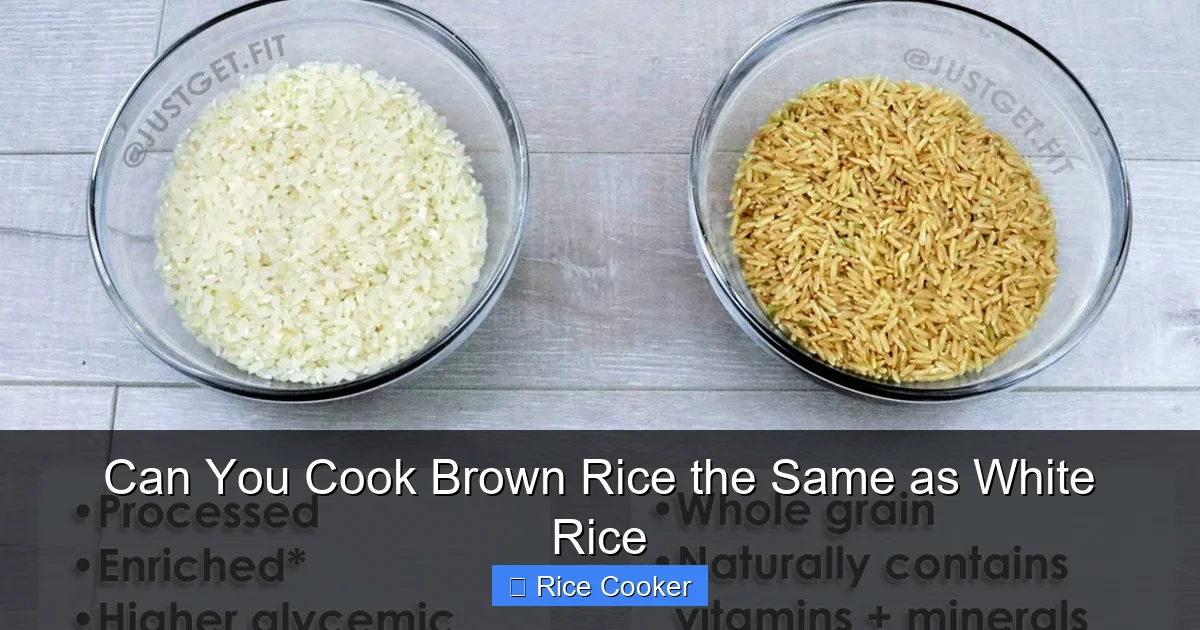
White rice has been polished to remove the bran and germ, giving it a finer texture and longer shelf life. Brown rice, on the other hand, keeps its natural outer layer—the bran—which gives it a nuttier flavor and more nutrients. Because of this intact bran, brown rice absorbs more water and takes longer to cook. But don’t worry—once you know the right steps, cooking brown rice in a rice cooker is simple, reliable, and worth the extra effort. Let’s dive into how to do it right.
The Science Behind Brown vs. White Rice
Before we talk about cooking techniques, it’s helpful to understand why brown and white rice behave so differently in the pot. White rice is processed to remove the bran and germ layers. These layers contain fiber, vitamins, and healthy fats. Removing them makes white rice easier to digest and gives it a softer, quicker-cooking texture. Brown rice, however, retains the bran and germ, which act like tiny sponges. They absorb more water and slow down the cooking process.

Visual guide about Can You Cook Brown Rice the Same as White Rice
Image source: ediblenosh.com
This structural difference means that brown rice needs more time and moisture to fully soften. If you treat it like white rice—using the same water ratio and cooking time—it may end up gummy, undercooked, or dry. That’s why adjusting your method is essential. With the right approach, brown rice becomes a delicious, satisfying grain that supports better digestion and sustained energy.
Basic Differences in Cooking Requirements
When comparing how to cook brown rice versus white rice, the main differences lie in three areas: water ratio, cooking time, and preparation. Let’s break them down.
Visual guide about Can You Cook Brown Rice the Same as White Rice
Image source: chicorice.com
Water Ratio
For white rice, the standard ratio is 1 cup rice to 1 cup water. This works because white rice’s refined grain structure allows it to absorb water efficiently without becoming soggy. Brown rice, however, needs more liquid. The general rule is 1 cup of brown rice to 1.5 to 2 cups of water. Some varieties, especially long-grain types, may need even more water depending on age and processing.
Cooking Time
White rice typically cooks in 20–30 minutes. Brown rice, by contrast, usually takes 45–60 minutes. This extended time allows the hard-to-digest bran layer to soften completely. Rushing the process leads to a chalky, unpleasantly chewy result.
Preparation Steps
Both types benefit from rinsing to remove surface starch, but brown rice often benefits from soaking. Rinsing prevents clumping, while soaking reduces cooking time and improves texture. For white rice, soaking isn’t necessary, but it’s fine to do if you prefer softer grains.
Step-by-Step Guide: How to Cook Brown Rice in a Rice Cooker
If you’re using a rice cooker, you’re in luck—most models handle brown rice beautifully, especially if they have a dedicated setting. Here’s a foolproof method to get perfect brown rice every time.
What You’ll Need
- 1 cup uncooked brown rice
- 1.5 to 2 cups water (adjust based on rice type)
- A fine-mesh strainer
- A measuring cup
- Your rice cooker
Step 1: Rinse the Rice
Place the brown rice in a fine-mesh strainer and rinse under cold running water for 30–60 seconds. Swirl gently with your fingers to remove excess starch. This step prevents the rice from turning sticky or clumpy after cooking.
Step 2: Measure Water Accurately
Use a measuring cup to add 1.5 to 2 cups of water to the rice cooker bowl. Too little water = dry, hard rice. Too much = mushy rice. Start with 1.75 cups per 1 cup of rice and adjust next time based on results.
Step 3: Add Rice and Water to the Cooker
Transfer the rinsed rice to the inner pot of your rice cooker. Gently stir to distribute evenly. Close the lid and plug in the machine.
Step 4: Choose the Right Setting
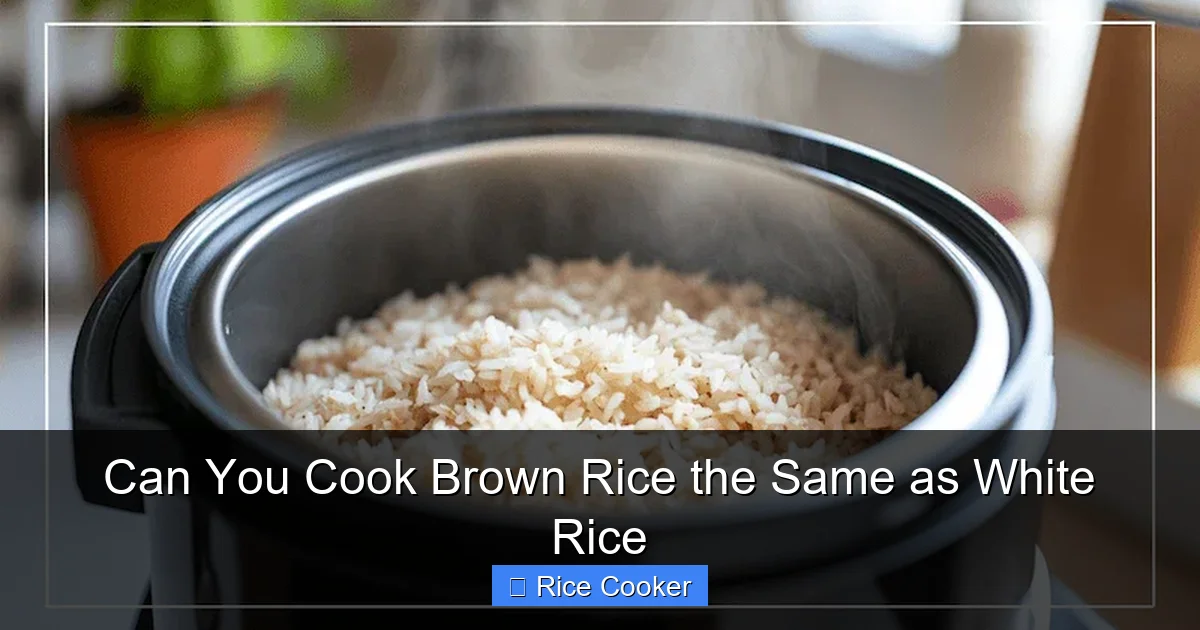
Look for a “Brown Rice” or “Multi-Grain” setting. If your rice cooker only has a “White Rice” setting, you can still use it—just expect a slightly longer cooking cycle. Some newer models automatically adjust timing and temperature for optimal results.
Step 5: Let It Cook
Once the timer starts, resist the urge to peek. The rice needs consistent heat and steam to cook through. Total cooking time should be around 50–60 minutes. After cooking, let the rice sit for 10–15 minutes with the lid closed. This final steeping phase helps absorb any remaining moisture and fluffs the grains.
Step 6: Fluff and Serve
Use a fork to gently fluff the rice. Avoid stirring vigorously—this can break the grains and make the rice pasty. Serve immediately or keep warm in the rice cooker until ready to eat.
Tips for Perfect Brown Rice Every Time
Even with the right recipe, small mistakes can lead to disappointing results. Here are some pro tips to ensure your brown rice turns out soft, fluffy, and delicious.
Soak Before Cooking
Soaking brown rice for 30–60 minutes before cooking reduces cooking time and improves texture. It also helps the grains absorb water more evenly. To soak, simply place rinsed rice in a bowl with enough water to cover it by an inch. Drain just before adding to the rice cooker.
Use a Timer
Brown rice can easily be overcooked or undercooked if you’re not paying attention. Set a kitchen timer to track the cooking process. This is especially helpful if your rice cooker doesn’t have an audible alert or indicator light.
Don’t Skip the Resting Period
After the rice cooker shuts off, let the rice rest for at least 10 minutes. This allows steam to redistribute and grains to finish absorbing moisture. Skipping this step often leads to uneven texture—some parts too dry, others too wet.
Adjust Water Based on Altitude
If you live at high elevation, water boils at a lower temperature, which can affect cooking time. You may need to increase water slightly or extend cooking time by 5–10 minutes. Keep notes on what works best for your location.
Experiment with Flavored Water
Instead of plain water, try cooking brown rice in broth, coconut water, or even vegetable juice. This adds subtle flavor and makes the rice more exciting. Just remember to adjust salt levels accordingly.
Store Leftovers Properly
Cooked brown rice lasts 4–5 days in the refrigerator if stored in an airtight container. Reheat gently in the microwave with a splash of water to restore moisture. Avoid reheating in the rice cooker unless it has a warm function.
Common Mistakes When Cooking Brown Rice
Many people struggle with brown rice because they assume it’s just like white rice—but that’s where problems begin. Let’s go over the most common errors and how to fix them.
Mistake 1: Using the Wrong Water Ratio
Using 1:1 water-to-rice ratio leads to dry, hard brown rice. Always increase water for brown rice. Start with 1.75 cups per cup of rice and tweak based on results.
Mistake 2: Not Rinsing the Rice
Skipping rinsing leaves behind excess starch, causing clumping. Rinse thoroughly under cool water until the water runs relatively clear.
Mistake 3: Overfilling the Rice Cooker
Most rice cookers have a max fill line. Exceeding it risks overflow and mess. Stick to the recommended capacity—usually 2–3 cups of uncooked rice.
Mistake 4: Peeking During Cooking
Opening the lid during cooking releases steam and disrupts the cooking process. Wait until the cycle completes before checking.
Mistake 5: Ignoring the Soak Step
Soaking isn’t optional—it’s a game-changer. It softens the bran layer and speeds up cooking time, resulting in more consistent results.
Mistake 6: Not Fluffing After Cooking
Fluffing with a fork aerates the rice and separates grains. Skipping this step leads to dense, compacted servings.
Health Benefits of Brown Rice
Beyond taste and texture, brown rice offers significant health advantages over white rice. Because it retains its bran and germ, it’s packed with fiber, antioxidants, and essential nutrients.
One cup of cooked brown rice contains about 3.5 grams of dietary fiber, compared to just 0.6 grams in white rice. Fiber supports digestive health, helps regulate blood sugar, and promotes fullness—making brown rice a great choice for weight management.
Brown rice is also rich in magnesium, selenium, and B vitamins, all of which support energy production, heart health, and brain function. Studies suggest that regular consumption of whole grains like brown rice may reduce the risk of chronic diseases such as type 2 diabetes and cardiovascular disease.
Switching from white to brown rice is one of the simplest ways to boost your nutrient intake without drastically changing your diet. It’s a small change with big health impacts.
Brown Rice vs. Other Whole Grains
While brown rice is excellent, it’s worth noting how it compares to other whole grains like quinoa, barley, and farro. Each has unique textures, flavors, and nutritional profiles.
Quinoa
Quinoa cooks faster than brown rice—about 15 minutes—and has a lighter, nutty flavor. It’s a complete protein, meaning it contains all nine essential amino acids. Great for vegan diets.
Barley
Barley takes longer to cook (40–60 minutes) and has a chewy texture. It’s high in beta-glucan, a type of soluble fiber linked to lower cholesterol.
Farro
Farro is chewier and more robust than brown rice. It’s often used in salads and soups. Nutritionally similar to brown rice but with a deeper flavor.
While each grain has its place, brown rice remains one of the most accessible and versatile options for everyday meals.
Choosing the Right Rice Cooker for Brown Rice
Not all rice cookers are created equal when it comes to handling brown rice. Some models are better equipped to manage the longer cooking time and higher water volume required.
Features to Look For
- Timer Function: Allows you to delay start or set wake-up times.
- Keep Warm Mode: Maintains temperature without drying out the rice.
- Adjustable Settings: “Brown Rice” or “Whole Grain” modes optimize heat and timing.
- Non-Stick Inner Pot: Makes cleanup easier and prevents sticking.
- Large Capacity: Ideal for families or meal prep.
Top brands like Zojirushi, Panasonic, and Instant Pot offer excellent rice cookers designed specifically for brown rice. Reading reviews and checking user feedback can help you choose the best model for your needs.
Frequently Asked Questions About Cooking Brown Rice
Still have questions? You’re not alone. Here are answers to the most common concerns about cooking brown rice.
Can I use the same water ratio for both brown and white rice?
No. Brown rice requires more water—typically 1.5 to 2 cups per 1 cup of rice—due to its bran layer. Using the white rice ratio results in dry, undercooked grains.
Do I need a special rice cooker for brown rice?
Not necessarily. Most modern rice cookers work well with brown rice, especially those with a “Brown Rice” setting. Older models without this feature can still cook it, but may require manual timing adjustments.
How do I prevent brown rice from being too hard or chewy?
Ensure proper water ratio, full rinsing, and adequate resting time. Soaking the rice beforehand also helps. Avoid reducing cooking time—patience pays off.
Can I cook brown rice in a regular pot instead of a rice cooker?
Yes. Bring 1.75–2 cups of water to a boil, add rinsed rice, reduce heat, cover, and simmer for 45–50 minutes. Then turn off heat and let sit for 10 minutes before fluffing.
Is it safe to eat brown rice every day?
Yes, brown rice is nutritious and safe for daily consumption. Its high fiber content supports digestion, but portion control is important—especially for those with sensitive stomachs.
Why does my brown rice always stick together?
Sticking usually happens when rice isn’t rinsed properly or water isn’t measured accurately. Also, over-stirring after cooking can damage grains. Always rinse, measure water carefully, and fluff gently.
Frequently Asked Questions
Can I use the same water ratio for both brown and white rice?
No. Brown rice requires more water—typically 1.5 to 2 cups per 1 cup of rice—due to its bran layer. Using the white rice ratio results in dry, undercooked grains.
Do I need a special rice cooker for brown rice?
Not necessarily. Most modern rice cookers work well with brown rice, especially those with a “Brown Rice” setting. Older models without this feature can still cook it, but may require manual timing adjustments.
How do I prevent brown rice from being too hard or chewy?
Ensure proper water ratio, full rinsing, and adequate resting time. Soaking the rice beforehand also helps. Avoid reducing cooking time—patience pays off.
Can I cook brown rice in a regular pot instead of a rice cooker?
Yes. Bring 1.75–2 cups of water to a boil, add rinsed rice, reduce heat, cover, and simmer for 45–50 minutes. Then turn off heat and let sit for 10 minutes before fluffing.
Is it safe to eat brown rice every day?
Yes, brown rice is nutritious and safe for daily consumption. Its high fiber content supports digestion, but portion control is important—especially for those with sensitive stomachs.
Why does my brown rice always stick together?
Sticking usually happens when rice isn’t rinsed properly or water isn’t measured accurately. Also, over-stirring after cooking can damage grains. Always rinse, measure water carefully, and fluff gently.