
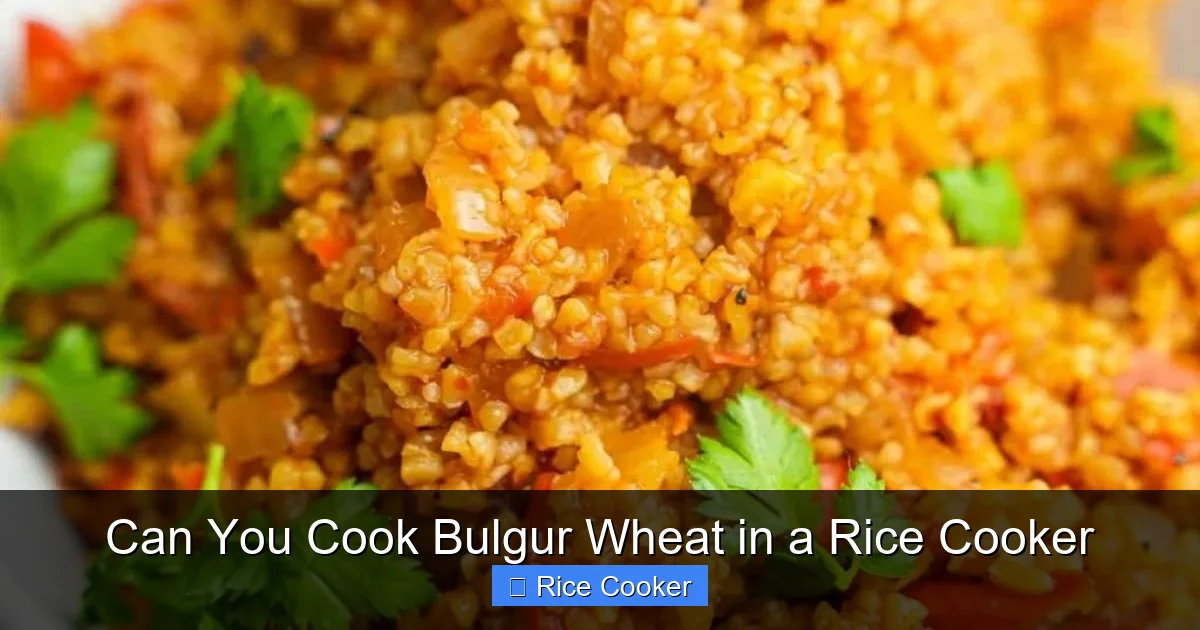
Can you cook bulgur wheat in a rice cooker? Absolutely! Using your rice cooker is one of the easiest ways to prepare bulgur—no stovetop monitoring required. With the right water-to-grain ratio and a simple rinse, you’ll get perfectly cooked, fluffy bulgur every time. Whether you’re meal prepping or whipping up a side dish, this method saves time and ensures consistent results.
Key Takeaways
- Yes, bulgur cooks perfectly in a rice cooker: The appliance handles the timing and heat control needed for ideal texture.
- Use the right ratio: A 2:1 water-to-bulgur ratio (by volume) works best for most varieties.
- Rinse before cooking: Removing excess starch helps prevent gumminess and improves flavor.
- Cooking time varies: Fine bulgur cooks faster than coarse—typically 15–20 minutes total.
- Fluff and rest: Let the bulgur sit covered for 5 minutes after cooking to finish steaming.
- Versatile uses: Great for tabbouleh, pilafs, salads, or as a grain base for bowls.
- Clean-up is easy: Most rice cookers have non-stick pots that are dishwasher-safe.
📑 Table of Contents
- Introduction: Why Cook Bulgur Wheat in a Rice Cooker?
- What Is Bulgur Wheat?
- Can You Really Cook Bulgur in a Rice Cooker?
- How to Cook Bulgur Wheat in a Rice Cooker: Step-by-Step Guide
- Tips for Perfect Bulgur Every Time
- Creative Ways to Use Cooked Bulgur Wheat
- Common Mistakes and How to Fix Them
- Frequently Asked Questions About Cooking Bulgur in a Rice Cooker
- Conclusion: Embrace the Convenience
Introduction: Why Cook Bulgur Wheat in a Rice Cooker?
Have you ever looked at a bag of bulgur wheat and thought, “I want to eat this, but I don’t feel like babysitting a pot on the stove?” You’re not alone. Bulgur is a whole grain made from cracked wheat that’s soaked, dried, and then steamed—making it quicker to cook than regular wheat berries. But even though it’s pre-processed, many people still reach for the stovetop. That’s where your trusty rice cooker comes in.
Cooking bulgur in a rice cooker is not only possible—it’s convenient, consistent, and hands-off. No more watching the clock, stirring constantly, or worrying about burning the bottom. With just a few simple steps, your rice cooker does all the work. Plus, if you already own one, you’re saving time, energy, and cleanup compared to using multiple pots.
In this guide, we’ll walk you through everything you need to know about cooking bulgur wheat in a rice cooker—from choosing the right type of bulgur to perfecting the water ratio, timing, and serving suggestions. By the end, you’ll be ready to make restaurant-quality bulgur dishes at home, with zero stress.
What Is Bulgur Wheat?
Bulgur is a staple in Middle Eastern cuisine and is made by partially cooking hard wheat kernels, peeling off the bran, and then drying and cracking the remaining endosperm. This process makes it much faster to cook than whole wheat berries. There are three main grades of bulgur: fine, medium, and coarse—each with slightly different textures and ideal uses.

Visual guide about Can You Cook Bulgur Wheat in a Rice Cooker
Image source: recipes.net
The Three Grades of Bulgur
- Fine bulgur: Smallest pieces, cooks fastest (about 12–15 minutes). Great for tabbouleh and quick side dishes.
- Medium bulgur: Slightly larger, takes 15–18 minutes. Good balance for pilafs and grain bowls.
- Coarse bulgur: Big chunks, needs 18–22 minutes. Ideal for hearty salads and soups.
All grades can be cooked in a rice cooker, but fine bulgur is usually preferred for its quick prep time and tender texture. Just remember—the smaller the pieces, the quicker they absorb water and cook through.
Can You Really Cook Bulgur in a Rice Cooker?
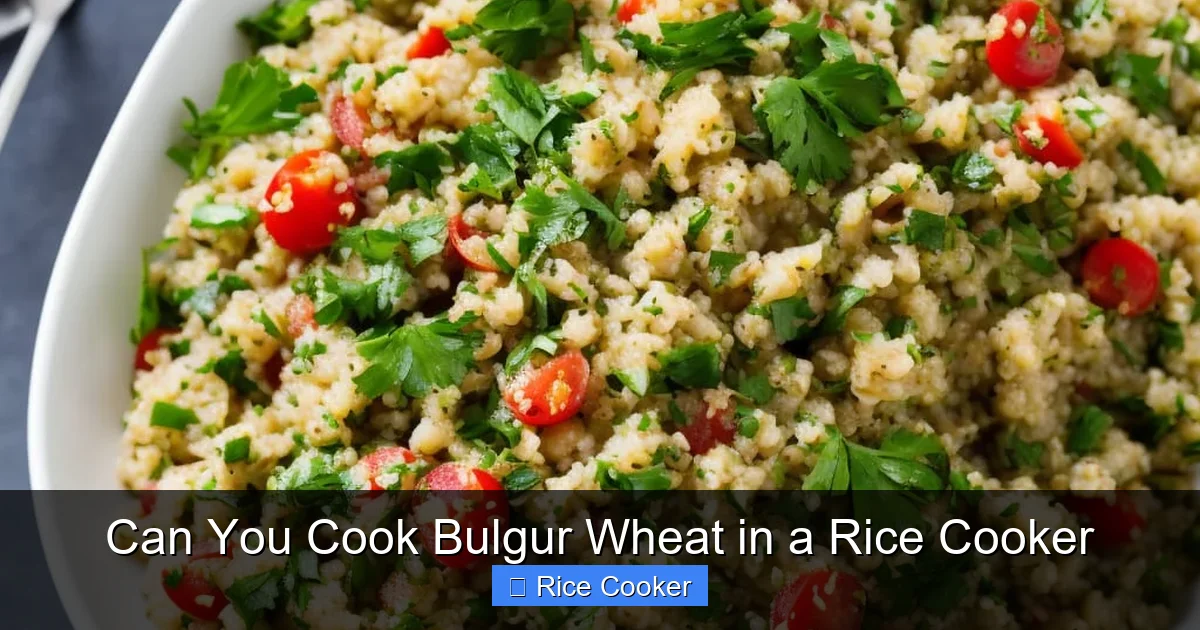
The short answer? Yes! And it’s one of the most foolproof methods for achieving perfectly cooked bulgur without any guesswork. Rice cookers are designed to maintain consistent heat and automatically switch to “warm” mode once the liquid has been absorbed—exactly what bulgur needs.
Visual guide about Can You Cook Bulgur Wheat in a Rice Cooker
Image source: recipes.net
Why It Works
Rice cookers use a thermostat to detect when the internal temperature rises due to boiling liquid and steam. Once the moisture evaporates and the temperature drops, they cut off power and enter keep-warm mode. Since bulgur releases steam as it cooks, the rice cooker recognizes this and stops heating when done. This self-regulating system means your bulgur won’t overcook or dry out—even if you forget to check it.
Benefits Over Stovetop Cooking
- No stirring required: Unlike stovetop cooking, where you must occasionally stir to prevent sticking, bulgur in a rice cooker sits quietly until done.
- Consistent results: Every batch turns out the same, thanks to automated timing.
- Less mess: One pot, no splatters, and easy clean-up.
- Energy efficient: Uses less electricity than keeping a burner on.
How to Cook Bulgur Wheat in a Rice Cooker: Step-by-Step Guide
Ready to give it a try? Follow these simple steps for foolproof bulgur every time.
Step 1: Measure Your Ingredients
Start by measuring your bulgur and water. For most rice cookers, use a 2:1 water-to-bulgur ratio by volume. For example:
- 1 cup fine bulgur + 2 cups water
- ¾ cup medium bulgur + 1½ cups water
- ½ cup coarse bulgur + 1 cup water
Adjust slightly based on your altitude or desired consistency—higher altitudes may need a bit more water.
Step 2: Rinse the Bulgur
Place the bulgur in a fine-mesh strainer and rinse under cold running water for 30 seconds to remove excess starch. This step is crucial—it prevents clumping and ensures a light, fluffy texture.
Step 3: Add to the Rice Cooker Pot
Transfer the rinsed bulgur and water to the inner pot of your rice cooker. Give it a gentle stir to distribute evenly.
Step 4: Start Cooking
Close the lid, select the “White Rice” or “Cook” setting (most rice cookers don’t have a specific bulgur option), and press start. The machine will begin heating the water and cook the bulgur automatically.
Step 5: Let It Rest
Once the rice cooker switches to “Warm” mode, let the bulgur sit covered for 5 minutes. This allows residual steam to finish cooking any remaining grains gently.
Step 6: Fluff and Serve
Open the lid and fluff the bulgur with a fork. It should be tender but not mushy, with each grain separate and slightly chewy.
Tips for Perfect Bulgur Every Time
Even with a reliable method, small adjustments can make a big difference. Here are pro tips to elevate your bulgur game.
Use Filtered Water for Better Taste
If your tap water has a strong chlorine taste, filtered water can improve the flavor of your bulgur. Especially important if you plan to serve it plain or with herbs.
Toast the Bulgur First (Optional)
For deeper flavor, sauté the rinsed bulgur in a little olive oil or broth for 2–3 minutes before adding water. This adds nuttiness and richness—great for pilafs.
Don’t Overfill the Cooker
Most rice cookers hold 6–10 cups of uncooked rice equivalent. Avoid filling beyond two-thirds capacity to ensure even heat distribution.
Check Doneness if Unsure
If you’re trying a new brand or size, taste test halfway through cooking (after letting it simmer for 10 minutes) to avoid overcooking.
Add Flavor During Cooking
Instead of plain water, try using vegetable or chicken broth. You can also add a pinch of salt, a bay leaf, or a drizzle of lemon juice for extra depth.
Creative Ways to Use Cooked Bulgur Wheat
Bland isn’t boring—when seasoned well, bulgur becomes a star ingredient. Here are delicious ways to enjoy your freshly cooked bulgur.
Tabbouleh Salad
Combine cooled bulgur with chopped parsley, mint, tomatoes, cucumber, red onion, and a lemon-olive oil dressing. Chill before serving for a refreshing summer dish.
Bulgur Pilaf
Sauté onions and garlic in olive oil, add bulgur and toast for 1 minute, then add hot broth. Cook until tender. Stir in toasted pine nuts and fresh dill for a Mediterranean classic.
Grain Bowls
Use bulgur as a base for Buddha bowls with roasted veggies, hummus, tahini sauce, and grilled chicken or falafel.
Breakfast Porridge
Simmer bulgur with milk, cinnamon, and honey for a warm, fiber-rich breakfast. Top with nuts and fruit.
Soup Thickener
Dilute cooked bulgur into lentil or bean soup to thicken it naturally and boost protein content.
Common Mistakes and How to Fix Them
Even experienced cooks run into hiccups. Here’s how to troubleshoot common issues.
Mistake: Bulgur Sticks to the Bottom
Cause: Not enough water or unrinsed bulgur.
Fix: Always rinse first and use at least a 2:1 ratio. If it sticks anyway, add ¼ cup extra water and stir gently.
Mistake: Too Mushy or Gummy
Cause: Overcooking or using fine bulgur with too much water.
Fix: Stick to the recommended ratio and don’t open the lid during cooking. If mushy, fluff immediately and serve cold as a salad.
Mistake: Undercooked Grain in the Center
Cause: Inconsistent mixing or low heat.
Fix: Stir once before closing the lid. If undercooked after the cycle ends, return to “Cook” mode for 2–3 more minutes.
Mistake: Bland Taste
Cause: Plain water or insufficient seasoning.
Fix: Use seasoned broth instead of water. Salt generously and finish with lemon juice or herbs.
Frequently Asked Questions About Cooking Bulgur in a Rice Cooker
Do I need to soak bulgur before cooking it in a rice cooker?
No, soaking isn’t necessary—especially since the rice cooker simulates the soaking process during cooking. Soaking is more common with coarse bulgur to speed things up, but not required here.
Can I cook bulgur in a slow cooker instead?
Technically yes, but it’s not ideal. Slow cookers take much longer (2–3 hours) and may produce uneven results. A rice cooker is better suited for quick, even cooking.
Can I cook bulgur in an Instant Pot?
Absolutely! Use the “Steam” function or manual pressure cook for 2 minutes (natural release). However, a rice cooker remains simpler and more hands-off.
How long does cooked bulgur last in the fridge?
Stored in an airtight container, cooked bulgur lasts 4–5 days in the refrigerator. It freezes well for up to 3 months—just thaw and reheat gently.
Can I substitute other grains for bulgur in a rice cooker?
Yes! Quinoa, farro, millet, and barley all work similarly. Adjust water ratios accordingly—for example, quinoa often needs 1½ cups water per cup of grain.
Is bulgur gluten-free?
No, bulgur contains gluten because it’s made from wheat. Those with celiac disease or gluten sensitivity should avoid it and choose certified gluten-free grains like quinoa or buckwheat.
Conclusion: Embrace the Convenience
Cooking bulgur wheat in a rice cooker isn’t just practical—it’s transformative. It turns what used to be a fussy, timer-dependent process into a seamless, one-pot meal solution. Whether you’re making tabbouleh for a family gathering, prepping lunches for the week, or simply craving a warm, nutty side dish, your rice cooker is ready to help.
With the right technique—rinse, measure, cook, rest, fluff—you’ll never look back. And the best part? You’re getting a nutrient-dense, fiber-rich grain that supports digestion, stabilizes blood sugar, and pairs beautifully with so many flavors. From savory to sweet, simple to sophisticated, bulgur opens up a world of culinary possibilities.
So go ahead—grab that bag of bulgur, fire up your rice cooker, and discover how easy healthy eating can be. Your future self (and taste buds) will thank you.
Frequently Asked Questions
Do I need to soak bulgur before cooking it in a rice cooker?
No, soaking isn’t necessary—especially since the rice cooker simulates the soaking process during cooking. Soaking is more common with coarse bulgur to speed things up, but not required here.
Can I cook bulgur in a slow cooker instead?
Technically yes, but it’s not ideal. Slow cookers take much longer (2–3 hours) and may produce uneven results. A rice cooker is better suited for quick, even cooking.
Can I cook bulgur in an Instant Pot?
Absolutely! Use the “Steam” function or manual pressure cook for 2 minutes (natural release). However, a rice cooker remains simpler and more hands-off.
How long does cooked bulgur last in the fridge?
Stored in an airtight container, cooked bulgur lasts 4–5 days in the refrigerator. It freezes well for up to 3 months—just thaw and reheat gently.
Can I substitute other grains for bulgur in a rice cooker?
Yes! Quinoa, farro, millet, and barley all work similarly. Adjust water ratios accordingly—for example, quinoa often needs 1½ cups water per cup of grain.
Is bulgur gluten-free?
No, bulgur contains gluten because it’s made from wheat. Those with celiac disease or gluten sensitivity should avoid it and choose certified gluten-free grains like quinoa or buckwheat.