
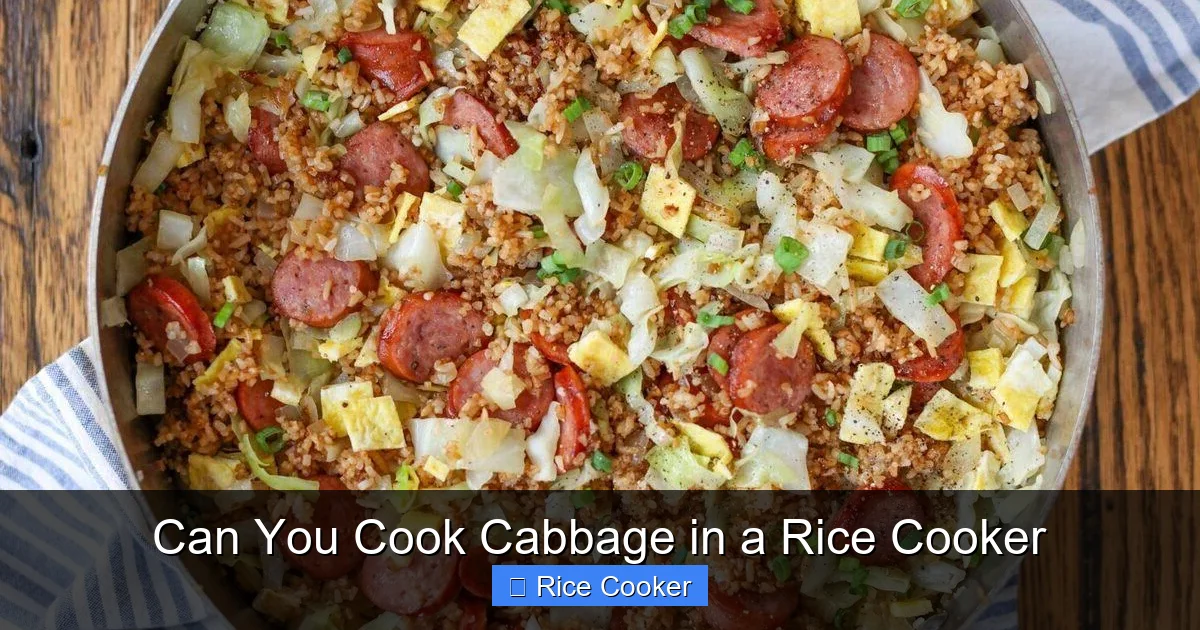
Cooking cabbage in a rice cooker is not only possible—it’s simple, efficient, and delicious. The sealed environment locks in moisture and nutrients, giving you tender, flavorful results every time. Whether you’re making a hearty soup or a savory side dish, your rice cooker can do the job with minimal effort.
Key Takeaways
- Yes, you can cook cabbage in a rice cooker: It works just like cooking rice or grains—just add water and let the appliance do the work.
- Nutrient retention improves: Steaming cabbage gently in a sealed pot helps preserve vitamins C and K better than boiling.
- Time-saving and hands-off: Once ingredients are added, there’s no need to stir or monitor the pot.
- Great for recipes beyond rice: Use your rice cooker for soups, stews, risotto-style dishes, and even braised cabbage with apples or bacon.
- Minimal cleanup required: Most parts are non-stick and dishwasher-safe, making post-meal cleanup a breeze.
- Customizable flavors: Add garlic, onions, soy sauce, or broth to enhance taste without extra steps.
- Perfect for meal prep: Cook large batches of cabbage-based meals ahead of time for quick weeknight dinners.
📑 Table of Contents
Can You Cook Cabbage in a Rice Cooker?
If you’re someone who loves using their rice cooker but feels like it’s only good for oatmeal and white rice, think again. Your trusty kitchen gadget has hidden talents—especially when it comes to cooking vegetables like cabbage. Yes, you absolutely can cook cabbage in a rice cooker, and doing so offers surprising benefits: faster cooking times, improved texture, and enhanced nutrient retention. In this article, we’ll walk you through everything you need to know—from basic techniques to creative recipe ideas—so you can start making delicious cabbage dishes with zero stress.
Whether you’re prepping for a cozy winter stew or looking for a healthy side dish, learning how to cook cabbage in a rice cooker opens up a world of culinary possibilities. Not only does it save time, but it also simplifies meal prep and reduces cleanup. Plus, because the rice cooker uses steam and controlled heat, you avoid overcooking or losing valuable vitamins that happen when boiling cabbage on the stove. So, grab your favorite head of cabbage and get ready to discover why your rice cooker might just become your new best friend in the kitchen.
Why Use a Rice Cooker for Cooking Cabbage?
At first glance, it might seem odd to use a rice cooker for something other than rice. But once you understand how these appliances work, it becomes clear that they’re versatile powerhouses. Most modern rice cookers operate using steam and gentle, consistent heat, which makes them ideal for cooking vegetables—especially delicate ones like cabbage. Unlike boiling or frying, which can leach nutrients into water or oil, steaming preserves more of what makes cabbage nutritious and tasty.
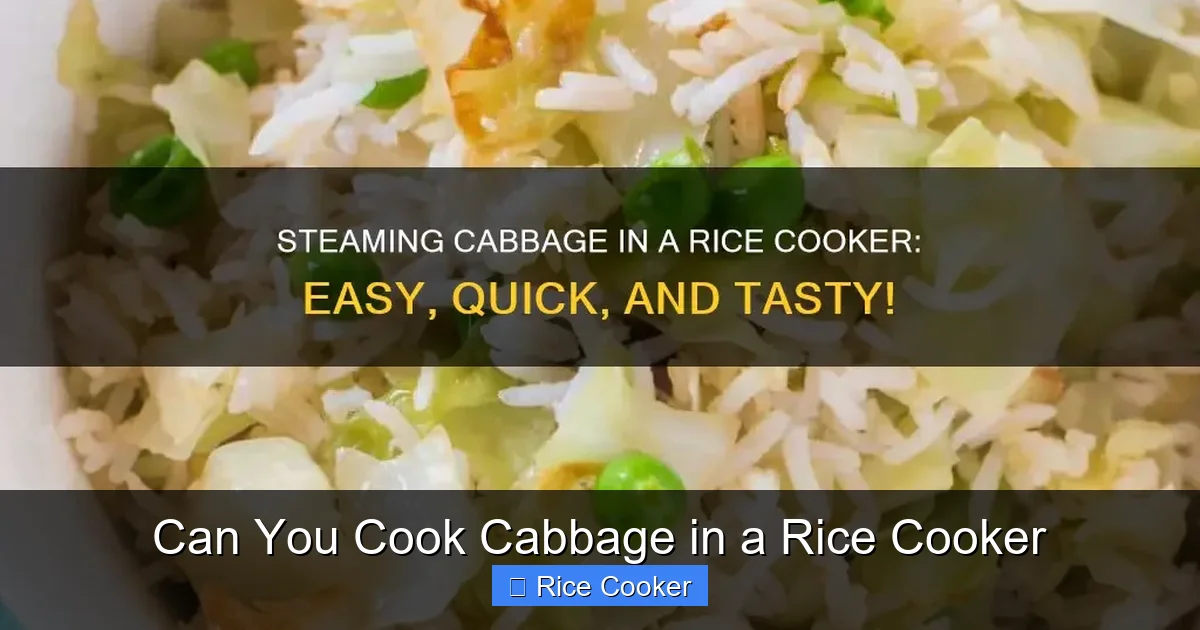
Visual guide about Can You Cook Cabbage in a Rice Cooker
Image source: cycookery.com
The Science Behind Steam Cooking
Rice cookers create a sealed environment where steam circulates evenly around food. This method mimics professional steaming techniques used in restaurants and health-focused diets. For cabbage—a cruciferous vegetable rich in vitamin C, fiber, and antioxidants—this means less nutrient loss compared to boiling. When boiled, up to 50% of water-soluble vitamins like folate and vitamin C can dissolve into the cooking water. With a rice cooker, those precious nutrients stay locked inside the vegetable.
Additionally, because there’s no direct flame or hot pan contact, you’re less likely to burn or overcook your cabbage. The automatic shut-off feature ensures that even if you forget about it (which happens to the best of us), your cabbage won’t turn into mush or carbon. It’s truly a foolproof way to prepare this humble veggie.
Convenience and Hands-Off Cooking
One of the biggest perks of using a rice cooker is its set-it-and-forget-it nature. After tossing in your chopped cabbage and adding liquid (usually broth or water), you close the lid and press “Cook.” No stirring, no watching the clock—just peace of mind while your meal prepares itself. This is especially helpful during busy weekdays when you want dinner ready without standing over a hot stove.
Plus, many rice cookers come with multiple settings—like brown rice, slow cook, or even yogurt functions—giving you extra flexibility. Some models even have timers, so you can prep ingredients the night before and wake up to freshly cooked cabbage waiting for you.
Consistent Results Every Time
Unlike traditional stovetop methods, where heat levels can fluctuate and lead to uneven cooking, rice cookers maintain steady temperatures throughout the process. This consistency means your cabbage will always end up tender-crisp rather than soggy or underdone. Whether you’re cooking red cabbage, green cabbage, or Napa cabbage, the result is predictable and reliable.
How to Cook Cabbage in a Rice Cooker: Step-by-Step Guide
Ready to try it? Here’s a straightforward guide to help you cook perfect cabbage in your rice cooker, whether you’re going for plain steamed cabbage or a flavor-packed dish.
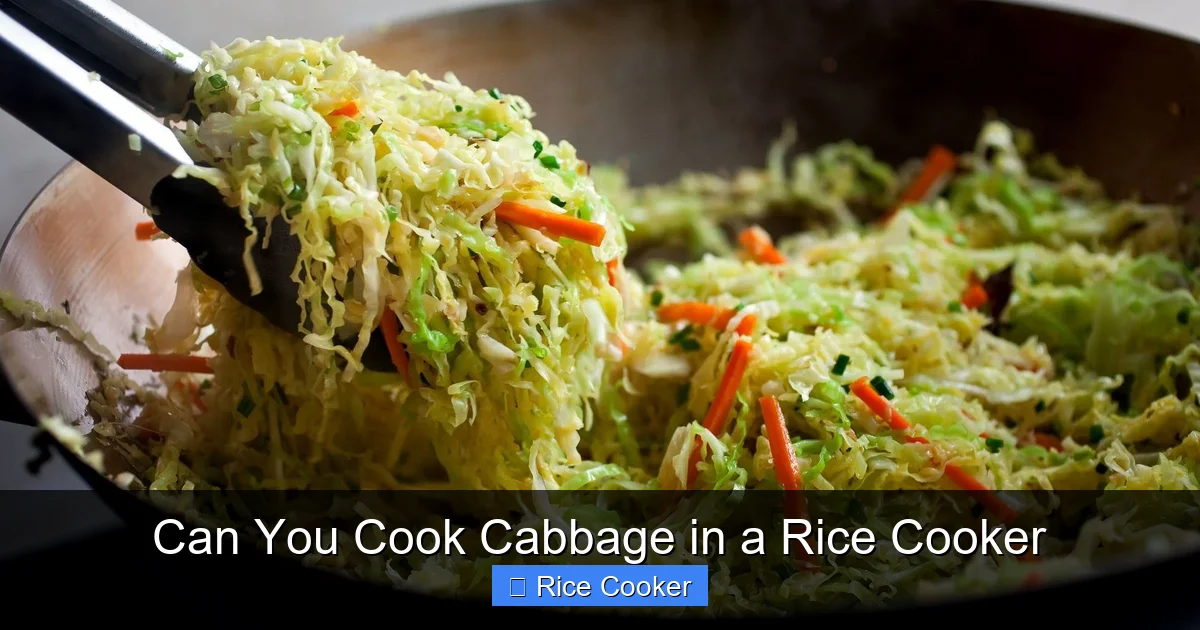
Visual guide about Can You Cook Cabbage in a Rice Cooker
Image source: homepressurecooking.com
What You’ll Need
- 1 medium head of cabbage (green, red, or Savoy)
- 1–2 cups of liquid (water, broth, or coconut milk for creaminess)
- Optional seasonings: salt, pepper, garlic powder, soy sauce, apple cider vinegar, or fresh herbs
- A sharp knife and cutting board
- Measuring cup
Step 1: Prepare the Cabbage
Start by removing any outer leaves that look wilted or damaged. Cut the cabbage in half through the core, then slice off the tough central core. Thinly slice or chop the remaining cabbage into bite-sized pieces. Aim for uniformity so it cooks evenly—about ½-inch thick slices work well.
Pro tip: If you’re using red cabbage, consider soaking it briefly in cold water with a pinch of baking soda. This helps brighten its color and soften it slightly without affecting taste.
Step 2: Add Liquid and Seasonings
For every 4 cups of chopped cabbage, use 1–2 cups of liquid. Water keeps things simple, but vegetable or chicken broth adds depth. Pour the liquid into the inner pot of your rice cooker.
Add your desired seasonings at this stage. A few cloves of minced garlic, a splash of soy sauce, or a drizzle of olive oil can transform plain cabbage into something extraordinary. You can also toss in sliced carrots, onions, or mushrooms for extra flavor and nutrition.
Step 3: Arrange the Cabbage Gently
Don’t pack the cabbage too tightly—it needs room to steam properly. Spread it out evenly across the bottom of the pot, ensuring some air circulation underneath. Avoid pressing down; just lay it flat or loosely pile it.
If you’re adding other ingredients like sausage or potatoes, place them on top so they don’t absorb too much liquid from below.
Step 4: Cook on Standard or Brown Rice Setting
Close the lid securely and select the “Cook” or “Brown Rice” setting (if available). Most rice cookers take about 15–25 minutes to fully cook chopped cabbage. The exact time depends on thickness and model.
Once the cycle ends, let it sit for 5 minutes before opening the lid. This allows residual steam to finish tenderizing the cabbage without turning it to soup.
Step 5: Fluff and Serve
Use a fork to gently fluff the cabbage, separating any clumps. Taste and adjust seasoning if needed—sometimes a pinch of salt or a squeeze of lemon juice makes all the difference. Serve warm as a side dish or mix into grain bowls, salads, or tacos.
Creative Ways to Use Your Cooked Cabbage
Plain steamed cabbage is great, but why stop there? Your rice cooker lets you explore endless flavor combinations and meal ideas. Here are some inspired ways to elevate your cabbage game.
Braised Red Cabbage with Apples and Bacon
This classic European dish combines sweet apples, smoky bacon, and tangy red cabbage for a balanced, festive flavor. After sautéing bacon until crispy, transfer it to a plate. In the same pan, cook diced onions and apples until soft. Add shredded red cabbage and deglaze with apple cider. Transfer everything to your rice cooker with 1 cup of stock and a cinnamon stick. Cook for 20 minutes. Stir in the reserved bacon before serving. Serve with roasted pork or bratwurst for a complete meal.
Vietnamese-Style Braised Cabbage (Suon Xào Bắp Rốt)
Inspired by Vietnamese cuisine, this recipe features caramelized shallots, fish sauce, and a touch of sugar. Sauté sliced shallots until golden brown, then add chopped cabbage and a splash of fish sauce. Pour in ¾ cup of broth and a pinch of sugar. Let it simmer in the rice cooker for 18 minutes. Garnish with fried shallots and serve alongside grilled meats or tofu.
Creamy Coconut Cabbage Curry
For a vegetarian twist, try a mild curry. Heat a spoonful of oil in a small pan, fry curry paste (store-bought or homemade) until fragrant. Add cabbage, diced tomatoes, and 1¼ cups of coconut milk. Transfer to the rice cooker and cook for 20 minutes. Finish with fresh cilantro and lime juice. Perfect over jasmine rice or quinoa.
Cabbage and Potato Hash
Turn breakfast into a hearty affair with this savory hash. Combine cubed potatoes, chopped cabbage, bell peppers, and onion in the rice cooker. Drizzle with olive oil, sprinkle with paprika and thyme, and add 1 cup of broth. Cook for 25 minutes. Top with a fried egg for protein-packed perfection.
Kimchi Fried “Rice” (Using Cooked Cabbage Base)
Instead of traditional rice, build a base of cooked cabbage mixed with kimchi and scrambled eggs. Press it into a pan to form a patty, then pan-fry until crispy. Serve as a low-carb alternative to fried rice—rich in probiotics and fiber.
Troubleshooting Common Issues
Even with the best intentions, things don’t always go as planned. Here’s how to fix common problems when cooking cabbage in your rice cooker.
Problem: Cabbage Turns to Soup
If your cabbage comes out waterlogged, you probably used too much liquid or didn’t drain excess moisture afterward. Next time, reduce the liquid by ¼ cup and after cooking, lift the lid and let it steam off for 5 minutes. Alternatively, spread the cooked cabbage on a baking sheet to cool—this draws out extra moisture.
Problem: Cabbage Is Too Tough
This usually happens when the cabbage isn’t cut finely enough or wasn’t cooked long enough. For sturdier varieties like Savoy cabbage, chop into smaller pieces (¼-inch dice). Also, avoid rushing—let it cook fully and rest before tasting.
Problem: Burnt Bottom Layer
Burnt spots often occur when the bottom layer sticks due to insufficient liquid or overcrowding. Always ensure there’s enough liquid to cover the base slightly. Stir once halfway through cooking (only if your model allows manual intervention during the cycle).
Problem: Weak Flavor
If your dish tastes bland, blame lack of seasoning or insufficient cooking time. Add salt early, and consider marinating the cabbage for 15–30 minutes before cooking. Herbs like thyme or bay leaf can deepen flavor without overwhelming the palate.
Problem: Cabbage Sticks to the Pot
This is rare with non-stick coated pots, but if it happens, soak the pot immediately after cooking in warm, soapy water. Never use metal utensils—opt for silicone or wooden spoons to protect the coating.
Tips for Best Results
Want to make every batch of rice cooker cabbage shine? Follow these expert tips.
- Prep ingredients ahead: Chop cabbage, measure liquids, and gather spices the night before.
- Layer wisely: Place denser veggies (like carrots or potatoes) at the bottom; softer items (like spinach) on top.
- Don’t skip resting time: Letting cooked cabbage sit for 5 minutes ensures even tenderness.
- Experiment with textures: For crisp-tender cabbage, cook 5 minutes less. For melt-in-your-mouth, go full cycle.
- Reheat smartly: Add a splash of broth when reheating to prevent drying out.
- Clean promptly: Rinse the inner pot while still warm to loosen stuck-on bits.
Health Benefits of Eating Cabbage
Beyond being easy to cook, cabbage packs a serious nutritional punch. It’s low in calories but high in fiber, vitamins, and antioxidants—making it a superstar in any diet.
One cup of raw chopped cabbage contains just 22 calories, yet provides 2 grams of fiber, 62% of your daily vitamin C needs, and 10% of vitamin K. These nutrients support immune function, digestion, bone health, and even heart health. Studies suggest that regular consumption of cruciferous vegetables like cabbage may reduce inflammation and lower risk of certain cancers, thanks to compounds called glucosinolates.
Cooked cabbage is also easier to digest than raw, thanks to the breakdown of cellulose during steaming. That makes it gentler on sensitive stomachs while still delivering maximum benefits.
Frequently Asked Questions
Can I cook whole cabbage heads in a rice cooker?
Not recommended. Whole cabbages are too large and dense for even steaming in a standard rice cooker. Instead, remove the core and slice into wedges or shred the leaves manually for faster cooking.
How much liquid do I need for 2 pounds of cabbage?
For 2 pounds (about 8 cups) of chopped cabbage, use 1.5 to 2 cups of liquid. Adjust based on desired consistency—more liquid = softer cabbage.
Can I freeze cooked cabbage from my rice cooker?
Yes! Cool completely, portion into freezer bags, and store for up to 3 months. Reheat with a bit of broth to restore moisture.
Will cooking cabbage in a rice cooker destroy its nutrients?
No—steaming actually preserves more nutrients than boiling. Vitamin C and K remain intact, and antioxidant levels stay high.
Can I use frozen cabbage in my rice cooker?
Absolutely. Thaw slightly before cooking, or add 2–3 extra minutes to the cycle since frozen cabbage holds more moisture.
Is it safe to leave cabbage cooking unattended?
Yes. Rice cookers automatically shut off when done, so it’s safe to leave it while you multitask—just don’t open the lid unnecessarily during cooking.
Frequently Asked Questions
Can I cook whole cabbage heads in a rice cooker?
Not recommended. Whole cabbages are too large and dense for even steaming in a standard rice cooker. Instead, remove the core and slice into wedges or shred the leaves manually for faster cooking.
How much liquid do I need for 2 pounds of cabbage?
For 2 pounds (about 8 cups) of chopped cabbage, use 1.5 to 2 cups of liquid. Adjust based on desired consistency—more liquid = softer cabbage.
Can I freeze cooked cabbage from my rice cooker?
Yes! Cool completely, portion into freezer bags, and store for up to 3 months. Reheat with a bit of broth to restore moisture.
Will cooking cabbage in a rice cooker destroy its nutrients?
No—steaming actually preserves more nutrients than boiling. Vitamin C and K remain intact, and antioxidant levels stay high.
Can I use frozen cabbage in my rice cooker?
Absolutely. Thaw slightly before cooking, or add 2–3 extra minutes to the cycle since frozen cabbage holds more moisture.
Is it safe to leave cabbage cooking unattended?
Yes. Rice cookers automatically shut off when done, so it’s safe to leave it while you multitask—just don’t open the lid unnecessarily during cooking.