
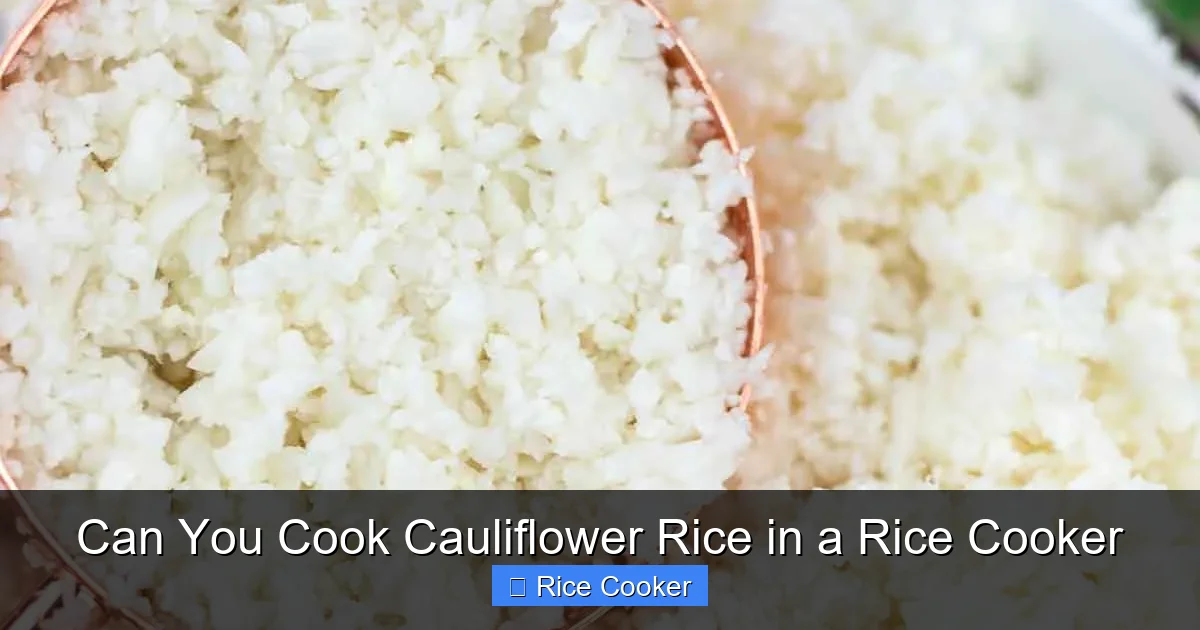
You absolutely can cook cauliflower rice in a rice cooker—it’s one of the easiest ways to prepare this healthy, low-carb staple. With just a few minutes of prep and your rice cooker doing the rest, you’ll have tender, fluffy cauliflower rice ready to go. Whether you’re meal prepping or cutting carbs, this method saves time and delivers great results every time.
Key Takeaways
- Yes, it works: Cauliflower rice can be cooked successfully in most standard rice cookers using the white rice setting.
- Prep is key: Finely chopping or pulsing cauliflower into small, uniform pieces ensures even cooking and prevents mushiness.
- Don’t overfill: Rice cookers work best when filled no more than halfway to allow proper steam circulation.
- Add water carefully: Use about ½ cup of water per cup of cauliflower rice to prevent drying out while keeping it moist.
- Let it sit: After cooking, let the cauliflower rice rest for 5–10 minutes before fluffing to absorb excess moisture.
- Customize it: Season with herbs, garlic, lemon juice, or spices to elevate flavor without adding calories.
- Storage tip: Store cooked cauliflower rice in an airtight container for up to 4 days or freeze in portions for longer use.
📑 Table of Contents
- Can You Cook Cauliflower Rice in a Rice Cooker?
- The Science Behind Cooking Cauliflower Rice
- How to Prepare Cauliflower Rice
- Setting Up Your Rice Cooker
- The Perfect Water-to-Cauliflower Ratio
- Cooking Cauliflower Rice in Your Rice Cooker
- Flavoring and Serving Ideas
- Storage and Meal Prep Tips
- Comparing Cauliflower Rice to Traditional Rice
- Is Cauliflower Rice Safe for Everyone?
- Final Thoughts: Why You Should Try It Today
Can You Cook Cauliflower Rice in a Rice Cooker?
Imagine this: It’s Monday morning, you’re staring at a mountain of leftover roasted chicken, fresh spinach, and a jar of homemade pesto. You want something light, healthy, and satisfying—but you also want to avoid another bowl of plain white rice. Enter cauliflower rice. It’s not just a diet trend; it’s a smart kitchen hack that’s been around for years, loved by paleo followers, keto dieters, and health-conscious families alike. And here’s the best part—you can cook it in a rice cooker. Yes, really. No special gadgets, no expensive equipment. Just your trusty rice cooker and a head of cauliflower.
Cauliflower rice has surged in popularity thanks to its impressive nutritional profile. One cup of raw cauliflower contains only about 25 calories and virtually no sugar, yet it offers fiber, vitamin C, folate, and potassium. When compared to traditional rice, especially white rice, cauliflower rice delivers far fewer carbohydrates and more nutrients. That makes it an excellent substitute for those watching their carb intake or managing blood sugar levels. But beyond health benefits, cooking cauliflower rice in a rice cooker is simply convenient. It frees up your stovetop, reduces cleanup, and gives you consistent results every time.
The Science Behind Cooking Cauliflower Rice
Before we dive into the “how-to,” let’s talk about why cauliflower rice works so well in a rice cooker. Unlike whole grains like brown rice or quinoa, cauliflower doesn’t contain starch. Instead, it’s made up of dense plant cells packed with water and fiber. When heated, these cells break down and release moisture, creating a soft, slightly chewy texture similar to rice—though lighter and fluffier. The rice cooker’s ability to regulate temperature and maintain steam helps mimic the gentle simmering process used on the stovetop, ensuring even cooking without overcooking.
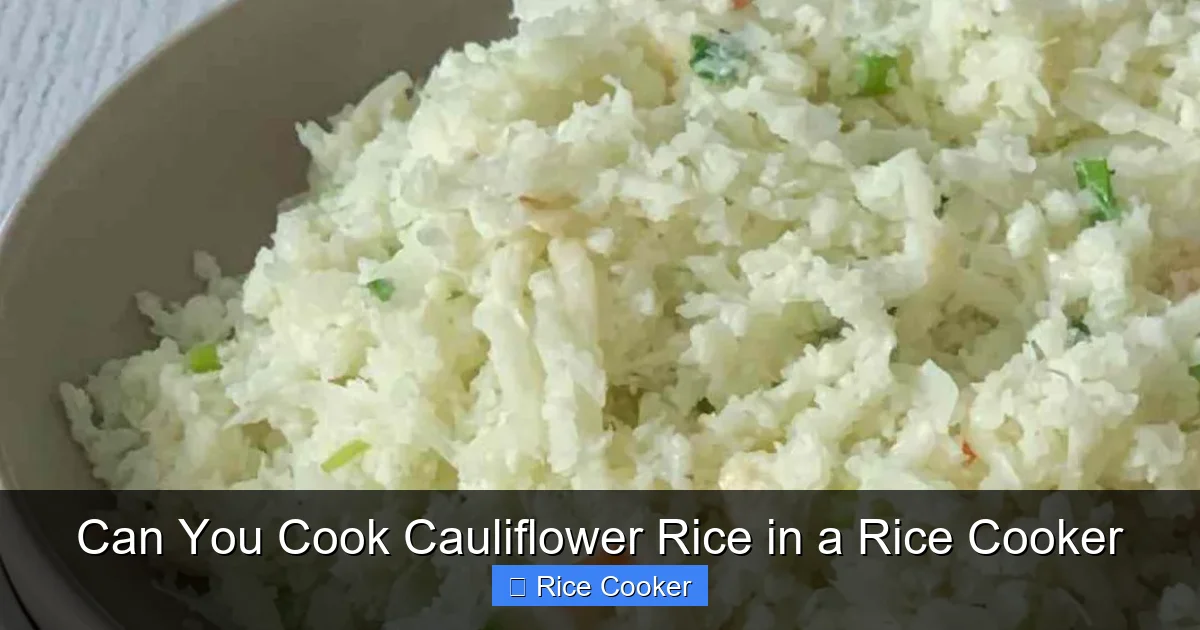
Visual guide about Can You Cook Cauliflower Rice in a Rice Cooker
Image source: i.pinimg.com
Why People Love Cauliflower Rice
Cauliflower rice isn’t just a placeholder food. It’s versatile, delicious, and surprisingly satisfying. You can stir-fry it, blend it into soups, use it as a base for grain bowls, or even bake it into muffins and breads. Because it absorbs flavors easily, it pairs beautifully with everything from savory sauces to bright citrus dressings. Plus, it cooks fast—usually in under 15 minutes—making it ideal for busy weeknights.
Many people switch to cauliflower rice because they’re trying to reduce inflammation, improve digestion, or support weight loss. Others simply enjoy the subtle nutty flavor and satisfying crunch it brings to dishes. Whatever your reason, cooking it in a rice cooker takes away the guesswork and ensures you never end up with a soggy mess again.
How to Prepare Cauliflower Rice
Getting the texture just right starts long before you press the “cook” button. If your cauliflower rice is too chunky, it won’t cook evenly. If it’s too fine, it might turn to mush. The secret lies in consistency. Most recipes call for either finely diced cauliflower or rice cut with a food processor or high-speed blender. Aim for rice-sized pieces—about the size of a grain of rice but softer and lighter.
Step-by-Step Prep Guide
Here’s how to turn a whole head of cauliflower into perfect rice:
- Remove the leaves and core: Trim off the tough outer leaves and cut out the central stalk. You’ll be left with the florets.
- Cut into small pieces: Chop the florets into quarters or eighths so they’re uniform in size. Smaller pieces cook faster and more evenly.
- Pulse in a food processor (optional): For true “rice” texture, pulse the chopped florets 3–5 times until they resemble couscous or short-grain rice. Don’t overprocess—you want some texture, not puree.
- Wring out excess moisture (optional): Some chefs recommend salting the rice and squeezing it through a clean dish towel to remove extra water. This step reduces cooking time and prevents sogginess, but it’s not necessary if you’re using a rice cooker with good steam control.
Pro tip: If you’re new to cauliflower rice, start with unprocessed florets. They give a more rustic texture and are easier to manage in a rice cooker. As you gain confidence, try pulsing for smoother results.
Setting Up Your Rice Cooker
Not all rice cookers are created equal. While most modern electric rice cookers can handle cauliflower rice, older models with basic functions may struggle. Look for a unit with a “white rice” setting—this uses a combination of heating and steam cycling that works best for delicate ingredients like cauliflower. Avoid “quick cook” or “pressure cook” modes unless your recipe specifically calls for them.
Choosing the Right Rice Cooker
If you don’t already own a rice cooker, consider investing in one designed for versatility. Models with fuzzy logic technology adjust heat automatically based on what’s inside, which helps prevent burning or undercooking. A non-stick inner pot makes cleanup a breeze, and a keep-warm function lets you serve hot meals straight from the appliance.
For best results, always check the manual. Some high-end units have dedicated “vegetable” or “quinoa” settings that might work even better than the default rice cycle. But for everyday use, the standard white rice setting does the trick beautifully.
The Perfect Water-to-Cauliflower Ratio
One of the biggest mistakes beginners make is guessing how much water to add. Too little, and your cauliflower rice dries out. Too much, and it becomes waterlogged and mushy. The ideal ratio is roughly ½ cup water per 1 cup of raw cauliflower rice. This provides enough moisture to create steam without oversaturating the mixture.
Adjusting for Texture Preferences
Want firmer rice? Reduce water by 1 tablespoon. Prefer softer, more pasta-like texture? Add an extra splash. Keep notes! Everyone’s rice cooker behaves slightly differently based on brand, age, and ambient humidity. Once you find your sweet spot, stick with it.
Also remember: unlike real rice, cauliflower doesn’t need to soak before cooking. In fact, soaking can lead to overcooking and loss of nutrients. Fresh, dry cauliflower rice is best.
Cooking Cauliflower Rice in Your Rice Cooker
Now comes the fun part—actually making the rice. Here’s a foolproof method that yields fluffy, restaurant-quality results every time:
Detailed Cooking Instructions
- Add ingredients to the inner pot: Place your prepared cauliflower rice and measured water into the non-stick pot. Stir gently to combine.
- Close and select the setting: Secure the lid and choose the “White Rice” function. If your model has multiple options, pick the longest cycle—typically labeled “Normal” or “Standard.”
- Let it cook: Most cycles take 10–15 minutes. You’ll hear a beep when done.
- Rest and fluff: Immediately after cooking, let the rice sit sealed for 5–10 minutes. Then open the lid and fluff with a fork. This allows trapped steam to escape and evens out the texture.
Important: Never open the lid during cooking. Doing so releases precious steam and can throw off the entire process.
Troubleshooting Common Issues
Even experienced cooks hit snags now and then. Here’s how to fix them:
- Mushy rice? Likely caused by too much water or overcooking. Next time, reduce liquid by 1–2 tablespoons and avoid opening the lid early.
- Rice stuck to the bottom? Your pot may need seasoning or cleaning. Avoid metal utensils—they scratch the non-stick coating and create hotspots.
- Undercooked chunks? Chop florets smaller or pulse more. Also, ensure your water ratio is accurate.
- Off-flavor or odor? Raw cauliflower can sometimes smell earthy. To minimize this, rinse florets thoroughly under cold water before chopping.
Flavoring and Serving Ideas
Cauliflower rice is incredibly adaptable. Plain cooked rice is fine for kids or neutral dishes, but once you start experimenting, the possibilities explode. The key is balancing acidity, salt, fat, and heat to bring out its natural sweetness and depth.
Simple Seasoning Tips
- Salt & pepper: Start here. Generous black pepper enhances the mild flavor beautifully.
- Lemon zest or juice: Adds brightness and cuts through richness—perfect with grilled fish or tacos.
- Ghee or olive oil: A drizzle transforms plain rice into a luxurious side dish.
- Garlic powder or fresh minced garlic: Infuse warmth and aroma during the last minute of cooking.
- Herbs: Chopped parsley, cilantro, or chives add freshness and color.
Creative Serving Suggestions
Think beyond sides. Try these ideas to turn cauliflower rice into stars:
- Fried rice: Sauté with soy sauce, ginger, scallions, and scrambled eggs for a keto-friendly twist on takeout.
- Bowl bases: Top with roasted veggies, chickpeas, avocado, and tahini dressing for a complete meal.
- Sushi rolls: Mix seasoned rice with cucumber, avocado, and smoked salmon for low-carb sushi.
- Stuffed peppers: Fill bell peppers with cauliflower rice, ground turkey, and cheese for a hearty dinner.
- Smoothie boosters: Blend a spoonful into green smoothies for extra fiber and volume without added sugar.
Storage and Meal Prep Tips
One of the greatest advantages of cauliflower rice is its storage life. Unlike fresh produce, cooked rice keeps well in the fridge or freezer. Properly stored, it lasts up to 4 days in the refrigerator and 2–3 months in the freezer.
Best Practices for Storage
- Cool completely: Let rice cool to room temperature before refrigerating to prevent condensation and bacterial growth.
- Use airtight containers: Glass or BPA-free plastic containers work best. Label with date for easy tracking.
- Freeze in portions: Divide into meal-sized servings for grab-and-go convenience. Thaw overnight in the fridge or reheat directly from frozen.
- Reheat properly: Microwave with a damp paper towel to retain moisture, or steam briefly on the stove.
Note: Frozen cauliflower rice may soften slightly upon thawing, but it still tastes great and reheats well. Just avoid refreezing after thawing.
Comparing Cauliflower Rice to Traditional Rice
It’s easy to assume all “rice” is the same—but nutritionists and chefs agree otherwise. Let’s compare the two head-to-head:
| Brown Rice (1 cup cooked) | Cauliflower Rice (1 cup raw) | |
|---|---|---|
| Calories | 216 | 25 |
| Carbs | 45g | 5g |
| Fiber | 4g | 2g |
| Protein | 5g | 2g |
| Vitamin C | 0% DV | 77% DV |
| Cook Time | 45–60 mins | 10–15 mins |
Clearly, cauliflower rice wins on speed, calorie count, and micronutrient density. Brown rice offers more sustained energy due to complex carbs and fiber, but it’s not suitable for strict low-carb diets. White rice falls somewhere in between—higher glycemic index and lower nutrient content than both alternatives.
Is Cauliflower Rice Safe for Everyone?
Generally, yes—but there are exceptions. People with thyroid conditions should consult their doctor before eating large amounts of cruciferous vegetables like cauliflower, as they contain compounds that may interfere with iodine absorption. However, moderate consumption is usually fine.
Also, those with IBS or sensitive digestion might experience bloating or gas from sudden increases in fiber intake. Ease into it by starting with small portions and pairing with probiotic-rich foods like yogurt or kefir.
Final Thoughts: Why You Should Try It Today
Cooking cauliflower rice in a rice cooker isn’t just practical—it’s empowering. It opens up new culinary horizons without demanding extra time or effort. Whether you’re following a specific diet, trying to eat healthier, or just looking for variety in your meals, this simple technique delivers big results.
And honestly? The taste difference between store-bought frozen cauliflower rice and freshly cooked homemade version is night and day. Homemade rice has that fresh, vibrant flavor and perfect texture you just can’t replicate from a bag. Plus, you know exactly what went into it—no hidden additives or preservatives.
So next time you’re meal prepping, cooking for guests, or craving comfort food without the guilt, reach for your rice cooker and a head of cauliflower. Trust us—you won’t regret it.
Frequently Asked Questions
Can you cook raw cauliflower rice in a rice cooker?
Yes, you can cook raw cauliflower rice in a rice cooker. Simply pulse raw florets into rice-sized pieces, add water, and cook on the white rice setting. There’s no need to blanch or pre-cook it first.
How long does it take to cook cauliflower rice in a rice cooker?
Most rice cookers take about 10–15 minutes to cook cauliflower rice on the standard “white rice” setting. Always allow a 5–10 minute resting period after cooking for best texture.
Do you need to add oil to cauliflower rice in a rice cooker?
No, oil isn’t required. The rice cooker uses steam to cook the cauliflower, so adding oil is optional. If you prefer a richer flavor, a teaspoon of ghee or olive oil can be stirred in after cooking.
Can you freeze cauliflower rice cooked in a rice cooker?
Absolutely. Let cooled rice cool completely, portion into containers, and freeze for up to 3 months. Reheat by microwaving with a splash of water or steaming briefly.
Why is my cauliflower rice mushy?
Mushiness usually comes from too much water or overcooking. Try reducing liquid by 1–2 tablespoons and avoid opening the lid during cooking. Resting after cooking also helps firm up the texture.
Is cauliflower rice healthier than regular rice?
Yes, cauliflower rice is significantly lower in calories and carbohydrates while being higher in vitamins like C and K. It’s a great option for low-carb, keto, or gluten-free diets.