
Yes, you absolutely can cook an egg in a rice cooker! This clever kitchen hack lets you hard-boil, soft-boil, or even scramble eggs without extra equipment—ideal for students, campers, or anyone with limited kitchen space. With just water, timing, and a little prep, your rice cooker becomes a breakfast multitasker.
Have you ever been stuck in your dorm room with nothing but a rice cooker and a craving for a warm, sunny-side-up egg? Or maybe you’re camping and realize you forgot your stove? You’re not alone. The humble rice cooker has quietly become one of the most versatile kitchen appliances around—and yes, that includes cooking eggs. Whether you’re a college student, a minimalist cook, or just someone who loves experimenting with kitchen gadgets, learning how to cook an egg in a rice cooker is a game-changer.
In this guide, we’ll walk you through every method—from hard-boiling to scrambling—so you can turn your rice cooker into a breakfast powerhouse. No fancy equipment. No complicated steps. Just simple, foolproof techniques anyone can master.
Key Takeaways
- Eggs can be boiled in a rice cooker: Add water, place eggs in a rack or bowl, and cook until done—no stovetop needed.
- Soft-boiled eggs are possible: Adjust cooking time to 6–8 minutes for runny yolks perfect over toast.
- Scrambled eggs work too: Beat eggs with salt, pour into the inner pot, and cook on “Keep Warm” mode gently.
- Use a heat-safe container: Never put raw eggs directly in metal—use a glass bowl or silicone mold.
- Timing is everything: Hard-boiled eggs take 12–15 minutes; soft-boiled take less than 10 minutes.
- Safety first: Always unplug the rice cooker after cooking and let eggs cool before handling.
- Great for meal prep: Cook multiple eggs at once for grab-and-go breakfasts all week.
📑 Table of Contents
- Why Use a Rice Cooker for Eggs?
- What Types of Eggs Can Be Cooked in a Rice Cooker?
- How to Cook Hard-Boiled Eggs in a Rice Cooker
- How to Make Soft-Boiled Eggs in a Rice Cooker
- Can You Scramble Eggs in a Rice Cooker?
- Advanced Techniques: Poached & Baked Eggs
- Safety Tips and Common Pitfalls
- Egg Cooking Times Compared
- Creative Ways to Use Rice-Cooked Eggs
- Frequently Asked Questions
Why Use a Rice Cooker for Eggs?
You might be wondering: why bother cooking eggs in a rice cooker when I could just boil them on the stove? Great question! There are actually several compelling reasons to try this method.
First, rice cookers are energy-efficient. They use minimal electricity and don’t require constant attention—perfect for busy mornings or late-night snacks. Second, they’re space-saving, especially useful in small apartments, dorm rooms, or RVs where counter space is at a premium. Third, rice cookers offer even, consistent heat, which leads to perfectly cooked eggs every time.
Plus, if you already own one (and who doesn’t?), you’re saving yourself from having to buy a separate egg cooker or invest in new tools. Think of it as getting double duty out of an appliance you probably use daily anyway.
What Types of Eggs Can Be Cooked in a Rice Cooker?
Not all egg preparations are created equal—but most can be adapted for rice cooker success!
Hard-Boiled Eggs
These are the easiest and most popular method. All you need is water, eggs, and about 12–15 minutes of cooking time. The result? Firm whites and fully set yolks—great for salads, snacks, or deviled eggs.
Soft-Boiled Eggs
Want that luscious, runny yolk oozing over toast? Soft-boiled eggs require shorter cooking times—around 6–8 minutes. Just be careful not to overcook, or you’ll lose the creamy texture.
Poached Eggs
This one’s trickier but doable. By creating a gentle simmer with boiling water and adding vinegar (which helps the egg whites coagulate), you can poach eggs directly in the rice cooker. It takes practice, but the results are impressive.
Scrambled Eggs
Beat your eggs with milk and salt, pour into the inner pot, and let the rice cooker’s low heat do the rest. Use the “Keep Warm” setting carefully—overdoing it can dry them out. Still, many swear by this method for tender, fluffy scrambles.
Baked Eggs (Shirred Eggs)
Preheat your rice cooker, crack an egg into a ramekin or heat-safe dish, cover, and let it bake slowly. The gentle steam creates custard-like perfection—ideal for brunch.
How to Cook Hard-Boiled Eggs in a Rice Cooker
Let’s start with the classic. Hard-boiled eggs are the foundation of egg cooking—and surprisingly easy in a rice cooker.
Step-by-Step Instructions
- Prepare the rice cooker: Fill the inner pot with 1 inch of cold water. Place a trivet or steaming rack inside if your model has one.
- Add eggs: Gently place eggs on the rack or in a heat-safe bowl. Make sure they aren’t touching the bottom.
- Cook: Close the lid, plug in the rice cooker, and press the “Cook” button. Let it run until full pressure builds and the cycle completes.
- Wait: Once done, turn off the power and let the eggs sit for 5–10 minutes. This helps prevent cracking and ensures even cooking.
- Cool down: Transfer eggs to ice water for 5 minutes to stop the cooking process and make peeling easier.
Pro Tips for Perfect Hard-Boiled Eggs
- Use older eggs: Fresh eggs peel harder, while slightly older ones (about 7–10 days old) come out cleaner.
- Don’t overfill: Leave space between eggs so they don’t bump into each other during heating.
- Try the “Keep Warm” trick: After boiling, switch to “Keep Warm” for 5 minutes—this can help finish cooking gently.
How to Make Soft-Boiled Eggs in a Rice Cooker
If you love French toast with a runny yolk center, soft-boiled eggs are your best friend. And guess what? Your rice cooker can deliver!
The Secret to Runny Yolks
The key is timing and temperature control. Too long, and the yolk turns rubbery. Too short, and the white isn’t fully set. Aim for 6–8 minutes of active cooking.
Method
- Fill the pot with ½ inch of water.
- Place eggs in a single layer using a rack or bowl.
- Cook on high until water boils and steam rises steadily.
- Once boiling, reduce heat to medium-low and count 6–8 minutes.
- Immediately transfer to ice water to halt cooking.
Perfect Pairings
Serve cracked over crusty bread, sprinkle with sea salt and chili flakes, or drizzle with truffle oil. Soft-boiled eggs shine when simple ingredients highlight their richness.
Can You Scramble Eggs in a Rice Cooker?
Absolutely! While not traditional, scrambled eggs in a rice cooker yield surprisingly tender results—especially if you use the right technique.
Basic Scrambled Egg Recipe
- Crack 2–3 eggs into the inner pot.
- Add 1 tablespoon milk or cream, pinch of salt, and pepper.
- Whisk well.
- Close the lid and turn on “Cook” mode.
- Stir occasionally after 2 minutes to prevent sticking.
- Switch to “Keep Warm” once mostly set—don’t overcook!
Fluffy vs. Custardy Textures
For fluffier eggs, add a splash of water instead of milk and whisk vigorously. For richer, creamier eggs, use full-fat dairy and less stirring. Both work beautifully in a rice cooker!
Avoid These Mistakes
- Overfilling: Don’t fill the pot more than halfway with liquid ingredients.
- No preheating: Always let the rice cooker reach full heat before adding eggs.
- Ignoring the “Keep Warm” function: This keeps eggs moist without drying them out.
Advanced Techniques: Poached & Baked Eggs
Ready to level up? Try these fancier methods.
Poached Eggs in a Rice Cooker
- Bring 2 inches of water to a rolling boil in the rice cooker.
- Add 1 tablespoon white vinegar (helps whites cling together).
- Swirl water gently, then create a whirlpool and slide in a cracked egg.
- Cook for 4–5 minutes until whites are opaque and yolk is still soft.
- Remove with a slotted spoon.
Baked Eggs (Like in a Mug)
- Preheat rice cooker on “Cook” for 5 minutes.
- Grease a microwave-safe mug or ramekin.
- Beat 1 egg with salt, pepper, and cheese if desired.
- Pour into the dish, cover loosely with foil.
- Bake on high for 8–10 minutes until set.
These methods require a bit more finesse, but they’re perfect for impressing guests or treating yourself to restaurant-quality breakfasts at home.
Safety Tips and Common Pitfalls
Even though rice cookers are safe appliances, there are a few things to watch out for when cooking eggs.
Never Put Raw Eggs Directly in Metal
Raw eggs can expand when heated and crack the inner pot. Always use a heat-safe glass bowl, silicone mold, or dedicated egg boiler insert.
Don’t Overcrowd the Pot
Too many eggs at once means uneven cooking. Stick to 4–6 eggs max per batch unless your pot is large.
Check for Cracks Before Cooking
Always inspect eggshells for hairline fractures—these can harbor bacteria like Salmonella. Discard any questionable eggs.
Unplug After Use
Once cooking is complete, unplug the rice cooker and let it cool before cleaning. Never leave it unattended while eggs are cooking.
Clean Promptly
Egg residue left too long can stain or smell. Wash the inner pot immediately with warm, soapy water.
Egg Cooking Times Compared
Here’s a quick reference table for common egg styles:
| Egg Style | Cooking Time | Best For |
|---|---|---|
| Hard-Boiled | 12–15 minutes | Snacking, salads, deviled eggs |
| Soft-Boiled | 6–8 minutes | Toast, ramen, breakfast bowls |
| Scrambled | 3–5 minutes + keep warm | Breakfast burritos, hash browns |
| Poached | 4–5 minutes in simmering water | Egg salad, English muffins |
| Baked | 8–10 minutes covered | Brunch platters, baked omelets |
Remember: these times assume a standard 1.5-cup rice cooker. Larger models may need slight adjustments.
Creative Ways to Use Rice-Cooked Eggs
Once you’ve mastered the basics, the possibilities multiply.
Meal Prep Power-Up
Cook a dozen hard-boiled eggs Sunday night. Chop them into salads, slice for sandwiches, or eat solo with sea salt all week.
International Flavors
Add soy sauce and sesame oil to scrambled eggs for a savory twist. Poach eggs in miso broth for ramen-style goodness.
Vegetarian Breakfast Bowls
Layer roasted veggies, quinoa, avocado, and a soft-boiled egg for a protein-packed morning meal.
Dessert Eggs?
Yes, really! Make baked eggs with cinnamon, nutmeg, and maple syrup for a sweet treat—think egg custard with a hint of spice.
Frequently Asked Questions
Do you need a special egg basket for a rice cooker?
Not necessarily. Many rice cookers come with a built-in steaming rack or trivet. If yours doesn’t, use a heat-safe glass bowl or silicone egg mold instead. Avoid placing raw eggs directly on the metal base.
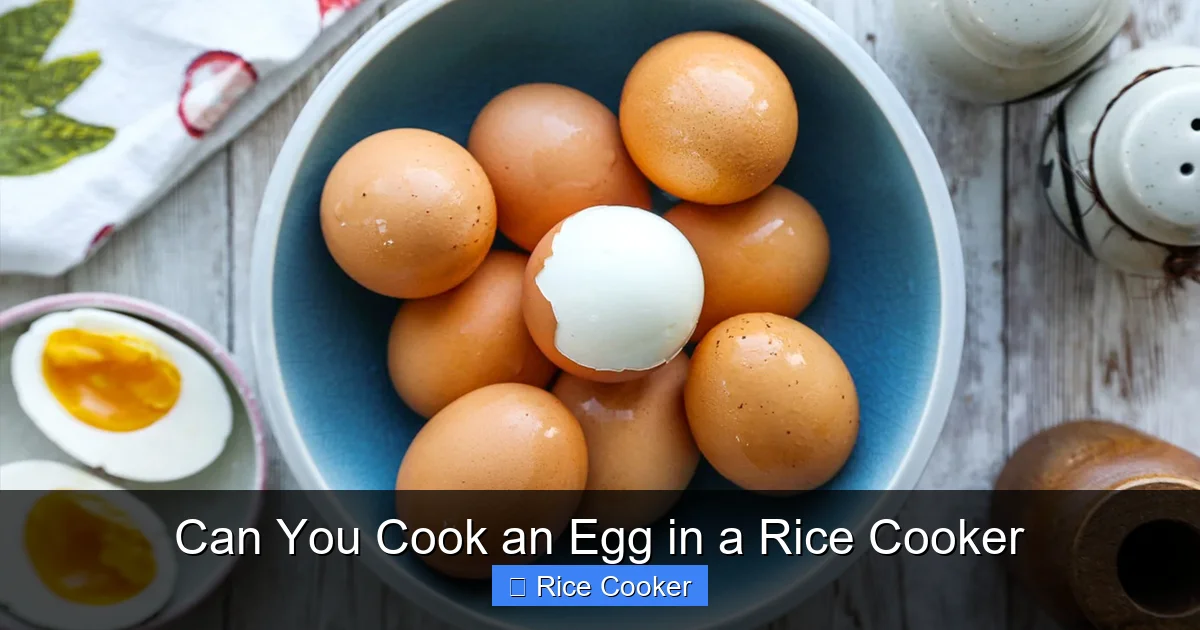
Visual guide about Can You Cook an Egg in a Rice Cooker
Image source: recipes.net
Can you cook multiple eggs at once?
Yes! As long as they fit comfortably without touching, you can cook several eggs simultaneously. Just ensure there’s enough water (at least ½ inch) and give them space to expand.
Why do my rice-cooked eggs sometimes crack?
Cracking usually happens due to rapid temperature changes or overcrowding. To prevent it, avoid sudden shifts from cold water to heat, and never stack eggs tightly. Using older eggs also helps.
Is it safe to cook raw eggs in a rice cooker?
Yes, as long as the rice cooker reaches proper internal temperatures and you follow food safety guidelines. However, always use clean utensils and wash hands thoroughly after handling raw eggs.
Can I cook eggs without water in a rice cooker?
Only for certain methods like scrambled or baked eggs. For boiling or poaching, water is essential to create steam and regulate temperature. Dry-heat methods won’t work safely for eggs.
How do I clean egg residue from my rice cooker?
Let the pot cool completely, then scrub gently with warm, soapy water. For stubborn stains, soak in vinegar-water solution (1:1 ratio) for 15 minutes before wiping.
Frequently Asked Questions
Do you need a special egg basket for a rice cooker?
Not necessarily. Many rice cookers come with a built-in steaming rack or trivet. If yours doesn’t, use a heat-safe glass bowl or silicone egg mold instead. Avoid placing raw eggs directly on the metal base.
Can you cook multiple eggs at once?
Yes! As long as they fit comfortably without touching, you can cook several eggs simultaneously. Just ensure there’s enough water (at least ½ inch) and give them space to expand.
Why do my rice-cooked eggs sometimes crack?
Cracking usually happens due to rapid temperature changes or overcrowding. To prevent it, avoid sudden shifts from cold water to heat, and never stack eggs tightly. Using older eggs also helps.
Is it safe to cook raw eggs in a rice cooker?
Yes, as long as the rice cooker reaches proper internal temperatures and you follow food safety guidelines. However, always use clean utensils and wash hands thoroughly after handling raw eggs.
Can I cook eggs without water in a rice cooker?
Only for certain methods like scrambled or baked eggs. For boiling or poaching, water is essential to create steam and regulate temperature. Dry-heat methods won’t work safely for eggs.
How do I clean egg residue from my rice cooker?
Let the pot cool completely, then scrub gently with warm, soapy water. For stubborn stains, soak in vinegar-water solution (1:1 ratio) for 15 minutes before wiping.