

Yes, you can cook beans in a rice cooker without soaking! While soaking reduces cooking time and improves digestibility, modern rice cookers with advanced settings make it possible to prepare beans from dry in under 2 hours. With the right technique—like using high liquid levels and extended cook cycles—you’ll get soft, delicious beans without the wait.
Key Takeaways
- You don’t always need to soak beans. A rice cooker with a long-cook or pressure-assisted setting can soften dried beans effectively, saving time and effort.
- High liquid ratio is crucial. Beans expand when cooked, so use at least 3 cups of water per cup of dry beans to prevent drying out.
- Cooking time varies by bean type. Black beans may take 70–80 minutes, while chickpeas might need up to 90 minutes—check for tenderness before serving.
- Adding salt late helps texture. Salt hardens bean skins if added too early; add it during the last 15 minutes of cooking.
- Pressure cookers beat rice cookers for speed. If you have a pressure cooker, beans will cook faster and more evenly than in a standard rice cooker.
- Always test for doneness. Even after the cycle ends, beans may need 10–15 more minutes off-heat to reach ideal softness.
- Soaking still has benefits. Soaked beans cook faster, have better texture, and are easier to digest—ideal for recipes requiring quick prep.
📑 Table of Contents
- Can You Cook Beans in a Rice Cooker Without Soaking?
- The Science Behind Cooking Beans
- Best Types of Beans for Unsoaked Rice Cooker Cooking
- Step-by-Step Guide: Cooking Beans Without Soaking
- Troubleshooting Common Issues
- Tips for Perfect Rice Cooker Beans Every Time
- Comparing Methods: Soaked vs. Unsoaked in a Rice Cooker
- Creative Ways to Use Rice Cooker Beans
- Final Thoughts: Is It Worth Skipping Soak?
Can You Cook Beans in a Rice Cooker Without Soaking?
If you’re like most home cooks, you probably keep a stash of dried beans on hand for tacos, soups, salads, or chili. But let’s be real—soaking beans overnight isn’t always practical. Life gets busy. You forget. Or maybe you just want dinner ready fast. That’s where the humble rice cooker comes in. But here’s the big question: Can you cook beans in a rice cooker without soaking?
The short answer? Yes, absolutely. And with the right method, you can turn dried beans into tender, flavorful bites using nothing more than your trusty rice cooker. No soaking required. In this guide, we’ll walk through everything you need to know—from which beans work best to how long they take, and even tips to avoid mushy or undercooked results. Whether you’re cooking black beans for burritos or lentils for a quick stew, this method saves time without sacrificing quality.
The Science Behind Cooking Beans
Why Soaking Helps (But Isn’t Always Necessary)
Soaking beans overnight softens their skins and reduces phytic acid—a compound that can interfere with digestion and nutrient absorption. It also cuts cooking time in half. But modern rice cookers, especially those with advanced settings, can mimic this softening effect through prolonged, moist heat. The key lies in time and temperature control.
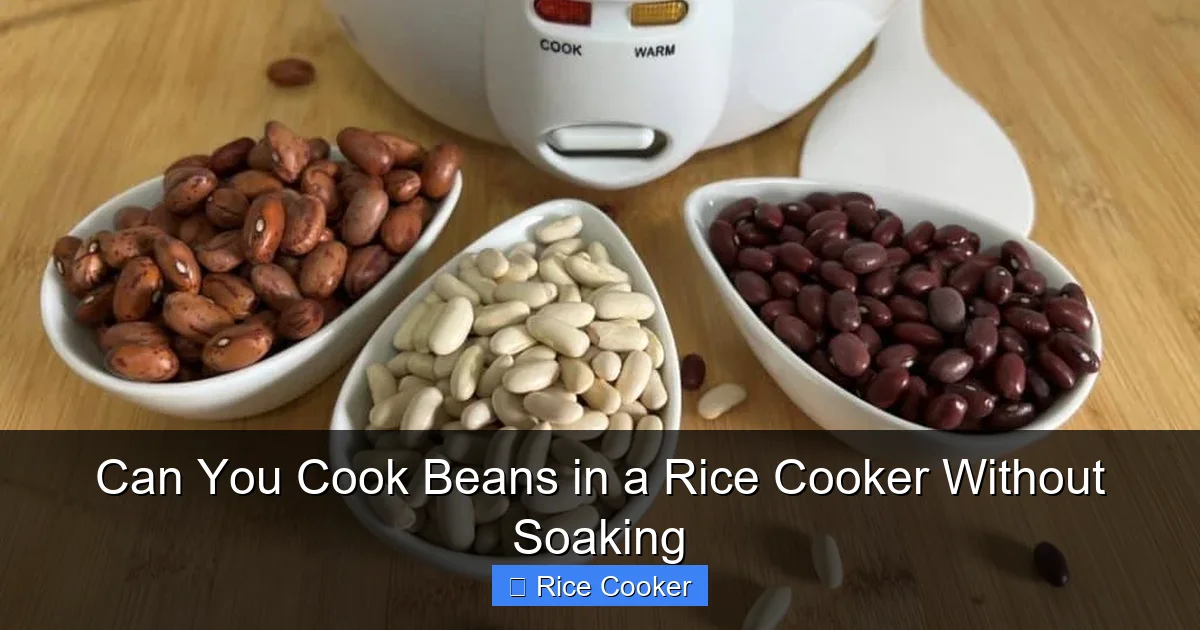
Visual guide about Can You Cook Beans in a Rice Cooker Without Soaking
Image source: ovenspot.com
When beans absorb water and are heated slowly, the starches inside gelatinize, and the proteins break down. This process transforms rigid, chewy dried beans into soft, edible morsels. Without soaking, you’re relying on extended cooking to achieve the same result—but many rice cookers today are built for exactly that kind of task.
How Rice Cookers Handle Beans Differently
Standard rice cookers aren’t designed for legumes, but their basic function—adding water and applying heat until the desired texture is reached—is perfect for beans. Most models have a “Keep Warm” mode and a long-cycle option that keeps beans simmering gently for over an hour. Some newer models even feature a “Multi-Grain” or “Soup” setting optimized for tougher ingredients.
Unlike stovetop cooking, which requires constant monitoring and stirring, a rice cooker does the work for you. Just add beans, water, seasonings, and press start. The sealed environment prevents evaporation, maintaining consistent moisture throughout the process.
Best Types of Beans for Unsoaked Rice Cooker Cooking
Dry Beans That Work Well
Not all beans behave the same in a rice cooker. Here are the top choices for unsoaked cooking:
- Black Beans: These are among the easiest to cook without soaking. They become creamy and hold their shape well, making them ideal for dips, tacos, and stews.
- Pinto Beans: Slightly firmer than black beans, pinto beans need a bit more time—around 75–85 minutes—but yield excellent results in a rice cooker.
- Kidney Beans: Great for chili and salads. They absorb flavors beautifully and cook evenly in a rice cooker.
- Lentils (especially green or brown): Cook much faster than other beans—usually 45–60 minutes—and break down into a thick soup-like consistency perfect for curries.
Beans to Avoid (or Prepare Differently)
Some beans are trickier due to their dense structure or tendency to split:
- White Kidney Beans (Cannellini): Delicate and prone to overcooking. If skipping soaking, use the slowest, gentlest cycle available.
- Adzuki Beans: Small and tough, they often require pressure cooking or pre-soaking to avoid a gummy texture.
- Mung Beans: Can turn mushy if not monitored closely. Best suited for shorter cook times or soaking first.
Step-by-Step Guide: Cooking Beans Without Soaking
What You’ll Need
- 1 cup dried beans (any variety mentioned above)
- At least 3 cups of water (more for larger batches)
- 1 tablespoon oil or fat (optional, to reduce foaming)
- Seasonings (salt, garlic, onion, bay leaf—added later)
- A rice cooker with a long-cook or multi-grain setting
Step 1: Rinse and Drain
Start by rinsing your beans under cold water to remove dirt, debris, and any shriveled pieces. Drain thoroughly—this helps prevent cloudiness in your final dish.
Step 2: Add Water and Beans
Place beans in the inner pot of your rice cooker. Add water so that it covers the beans by at least 2 inches. For example, 1 cup beans + 3 cups water = 4 cups total. Too little water risks burning; too much makes cleanup harder.
Step 3: Optional – Prevent Foam
Beans release foam during cooking. To minimize mess, add a teaspoon of oil or a splash of vinegar—this breaks down surface tension and reduces bubbling.
Step 4: Choose the Right Setting
Use the “Long Cook,” “Multi-Grain,” or “Soup” setting if available. If not, simply use the regular “Cook” cycle and let it run longer—many rice cookers automatically switch to Keep Warm after the initial cycle, but you can manually restart if needed.
Step 5: Add Salt and Seasonings Late
Never add salt at the beginning. Salt hardens bean skins and slows down cooking. Add it during the last 10–15 minutes of cooking, along with herbs or spices.
Step 6: Test for Doneness
After the cycle ends, open the lid and check a few beans. They should mash easily between your fingers. If still firm, cover and let sit for 10–15 more minutes on Keep Warm. Resist the urge to overcook—mushy beans ruin dishes.
Step 7: Cool and Store
Let beans cool slightly before transferring to a bowl. Refrigerate within 2 hours if not using immediately. They store well for up to 5 days and can even be frozen for months.
Troubleshooting Common Issues
Problem: Beans Are Still Tough
This usually means insufficient cooking time or too little water. Try increasing the cook time by 15–20 minutes or adding more water next time. Also, ensure your rice cooker maintains consistent heat—older models may lose efficiency.
Problem: Beans Are Gummy or Mushy
Overcooking causes starch breakdown. Use a timer and stick to recommended durations. For delicate beans like white kidney, consider soaking or reducing cook time.
Problem: Excessive Foam Overflow
As mentioned earlier, add a teaspoon of oil or a splash of vinegar to reduce foaming. Also, don’t fill the pot beyond two-thirds full.
Problem: Beans Stick to the Bottom
This happens if there’s not enough water or the heat is too intense. Stir occasionally (if safe for your model) or increase water volume. Never let the pot go completely dry.
Tips for Perfect Rice Cooker Beans Every Time
Use a Timer
Set an alarm for 70 minutes if cooking black beans or 90 for chickpeas. Rice cookers vary—some take longer than others. Timing ensures you don’t under- or overcook.
Experiment with Flavors
Add smoked paprika for a BBQ twist, cumin for Mexican flair, or coconut milk for Thai-inspired curry beans. Let flavors steep during the last 15 minutes.
Double the Batch
Cooking once and storing extras saves time all week. Frozen beans reheat beautifully in soups or salads.
Clean Your Rice Cooker After Use
Bean residue can stain the inner pot. Clean it immediately with warm, soapy water and a non-abrasive sponge.
Consider a Pressure Cooker Alternative
If your rice cooker struggles, try a pressure cooker. It cooks beans in 30–50% less time with even better texture—especially for small or dense varieties like adzuki or cannellini.
Comparing Methods: Soaked vs. Unsoaked in a Rice Cooker
Time Efficiency
Unsoaked beans take 70–90 minutes in a rice cooker. Soaked beans cut that to 30–45 minutes—but require planning ahead.
Nutrition
Soaking removes up to 30% of phytic acid, improving mineral absorption. However, unsoaked beans still offer fiber, protein, and essential nutrients.
Texture
Soaked beans tend to be creamier and more uniform. Unsoaked beans can be slightly firmer or more fibrous, depending on cooking time.
Convenience
Unsoaked wins for spontaneity. Soaked wins for meal prep efficiency.
Energy Use
Rice cookers use minimal energy—about 0.5 kWh per cycle. Whether soaked or not, the difference is negligible.
Creative Ways to Use Rice Cooker Beans
Black Bean Brownies
Blend cooked black beans with cocoa, banana, and maple syrup for a protein-rich, no-bake dessert.
Chickpea Hummus
Drain and blend chickpeas with tahini, lemon, and garlic for fresh hummus in minutes.
Bean & Rice Casserole
Layer cooked beans with rice, tomatoes, and cheese for a one-pot dinner.
Vegan Chili
Sauté onions and spices, add beans and broth, and cook until thickened—perfect for meal prep.
Bean Dip or Spread
Mash black or pinto beans with lime, cilantro, and jalapeño for a quick party dip.
Final Thoughts: Is It Worth Skipping Soak?
Absolutely. If you’re short on time or prefer convenience, cooking beans in a rice cooker without soaking is not only possible—it’s reliable. While soaked beans win on speed and texture, modern rice cookers handle dry beans admirably, especially with proper timing and water ratios. The key is patience and attention to detail. Once you master this method, you’ll never look back.
And who knows? You might just discover a new favorite way to prepare legumes—fast, foolproof, and full of flavor. So go ahead: toss those dried beans into your rice cooker, hit start, and enjoy the magic of homemade meals made simple.
Frequently Asked Questions
Can all types of beans be cooked in a rice cooker without soaking?
Most common beans like black, pinto, and kidney work well without soaking. Delicate or small beans like adzuki or cannellini may require soaking or extra care to avoid mushiness.
How much water do I need for cooking beans in a rice cooker?
Use at least 3 cups of water per cup of dried beans. More water is fine, but too little can cause burning or dryness.
Do I need to add salt at the beginning when cooking beans in a rice cooker?
No—add salt during the last 10–15 minutes of cooking. Early salt exposure hardens bean skins and slows softening.
How long does it take to cook black beans in a rice cooker without soaking?
Approximately 70–80 minutes on a standard or multi-grain setting. Check for tenderness before serving.
Can I cook beans and rice together in the rice cooker?
Yes! Add rinsed rice and beans together with extra water (use a 2:1 rice-to-bean ratio). Cook on the “Multi-Grain” setting for a complete meal.
What should I do if my rice cooker stops after the first cycle?
Many rice cookers automatically switch to “Keep Warm” but continue heating. If beans aren’t done, press “Cook” again or let them sit covered for 10–15 more minutes.