
You absolutely can cook dry beans in a rice cooker, and it’s one of the easiest ways to prepare them at home. With just water, beans, and the right settings, your rice cooker does the heavy lifting—no constant monitoring required. Whether you’re making chili, soups, or side dishes, this method saves time and ensures consistent results.
Key Takeaways
- Yes, it works: A rice cooker is fully capable of cooking dry beans from scratch with minimal effort.
- No soaking needed: While soaking is optional, many people skip it when using a rice cooker for faster prep.
- Consistent texture: The controlled heat and automatic shut-off prevent overcooking or burning.
- Energy-efficient: Rice cookers use less electricity than stovetop or oven methods for large batches.
- Versatile results: Cooked beans are great in salads, dips like hummus, stews, or as a protein-rich side dish.
- Safety first: Always follow proper hydration ratios and avoid reusing soaking water.
- Tip: Add flavor early: Toss in garlic, bay leaves, or herbs during cooking for deeper taste.
📑 Table of Contents
- Can You Cook Dry Beans in a Rice Cooker? Absolutely!
- The Science Behind Rice Cookers and Beans
- Choosing the Right Beans for Your Rice Cooker
- Step-by-Step Guide: How to Cook Dry Beans in a Rice Cooker
- Tips for Perfectly Cooked Beans Every Time
- Troubleshooting Common Bean Cooking Problems
- Nutritional Benefits and Health Advantages
- Creative Ways to Use Your Cooked Beans
- Environmental and Economic Benefits
Can You Cook Dry Beans in a Rice Cooker? Absolutely!
If you’ve ever stood over a pot on the stove, stirring, checking, and worrying about whether your beans are done yet, you’re not alone. Cooking beans the traditional way takes time, attention, and often ends with mushy or undercooked batches. But what if there was an easier way? Enter the humble rice cooker—a kitchen appliance designed to do one thing exceptionally well: cook grains perfectly. Yet surprisingly, it’s also fantastic for preparing legumes like black beans, pinto beans, chickpeas, and more. So yes—you can cook dry beans in a rice cooker, and doing so could revolutionize how you approach meal prep.
Using a rice cooker for beans isn’t just a clever hack; it’s a practical solution that saves time, reduces cleanup, and delivers consistent results. Whether you’re feeding a family, meal-prepping for the week, or just looking for a lazy Sunday dinner option, this method fits seamlessly into busy lifestyles. Plus, since rice cookers maintain steady temperatures and automatically switch to “warm” once cooking is complete, you don’t need to babysit your beans. In fact, many modern models even come with dedicated settings for legumes or porridge, though even basic ones work wonders.
In this guide, we’ll walk through everything you need to know—from choosing the right beans and measuring ingredients correctly to troubleshooting common issues and adding flavor. We’ll also share pro tips for maximizing nutrition, reducing gas-causing compounds, and turning your cooked beans into delicious meals. By the end, you’ll feel confident using your rice cooker not just for rice, but for wholesome, homemade beans that rival store-bought or canned varieties.
The Science Behind Rice Cookers and Beans
Before diving into recipes, let’s talk about why a rice cooker actually works so well for beans. At its core, a rice cooker uses thermal sensors to monitor temperature and adjust heating elements accordingly. It heats water to boiling, then detects when steam pressure builds up—signaling that the contents have reached full hydration and softening. For rice, this means fluffy grains every time. But beans behave similarly: they absorb water, swell, and break down into tender morsels when heated gently over time.
Visual guide about Can You Cook Dry Beans in Rice Cooker
Image source: storables.com
Unlike stovetop cooking, which requires constant vigilance to prevent scorching or evaporation, a rice cooker operates hands-free. Once you add beans and water, close the lid, press start, and forget it—until the beep signals completion. This passive process mimics slow-cooking techniques without the risk of drying out. Additionally, because the inner pot is nonstick and sealed, there’s virtually no chance of burning, even if you forget to stir.
That said, not all rice cookers are created equal. High-end models may offer specialized settings (like “pressure cook” or “slow cook” modes), but even standard electric rice cookers handle beans beautifully. The key factors are proper water-to-bean ratio, adequate cooking time, and occasional rinsing before use. With these basics covered, you’re ready to transform your next batch of dried beans into something truly special.
Choosing the Right Beans for Your Rice Cooker
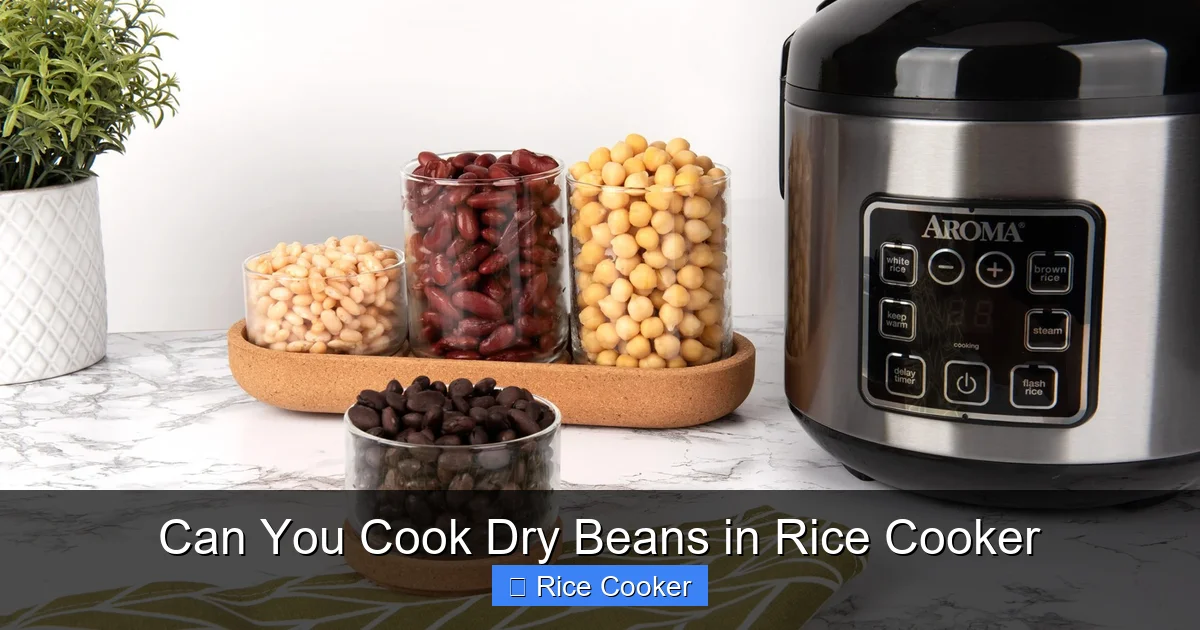
Not all beans are made equal—and some respond better to rice cooker cooking than others. Generally speaking, small to medium-sized legumes like lentils, black beans, kidney beans, and split peas cook quickly and evenly. Larger beans such as adzuki or soybeans might need extra time, so adjust accordingly. Here’s a quick breakdown of popular options:

Visual guide about Can You Cook Dry Beans in Rice Cooker
Image source: missvickie.com
Best Candidates for Rice Cooker Cooking
- Lentils: Ready in 20–30 minutes. Ideal for soups and salads.
- Black Beans: Perfect for tacos, burritos, or Cuban-style dishes.
- Pinto Beans: Great for refried beans or Tex-Mex meals.
- Chickpeas: Need longer time (~60–75 mins) but yield creamy hummus or falafel.
- Kidney Beans: Excellent for chili or bean salads.
When selecting dried beans, always choose uniform color and size—this ensures even cooking. Avoid beans with cracks or dark spots, as they may harbor pests or mold. Store them in airtight containers away from light and moisture to preserve freshness. Most importantly, rinse thoroughly before cooking to remove dust and debris.
Beans to Approach Cautiously
- Adzuki Beans: Small but dense; require extended cooking (up to 90 minutes).
- Soybeans: Very hard; best soaked overnight first.
- Mung Beans: Can become overly soft unless monitored closely.
For beginners, we recommend starting with black or pinto beans—they’re widely available, forgiving, and versatile. As you gain confidence, experiment with others based on your favorite recipes.
Step-by-Step Guide: How to Cook Dry Beans in a Rice Cooker
Cooking dry beans in a rice cooker is shockingly simple. Follow these steps for foolproof results every time:
Gather Your Ingredients and Tools
- Dried beans (about 1 cup per serving)
- Filtered or clean tap water
- Rice cooker with inner pot
- Measuring cup
- Fine-mesh strainer
Preparation Phase
- Rinse the beans: Place beans in a strainer and run cool water over them until cloudy water runs clear. This removes dirt and helps reduce flatulence-inducing oligosaccharides.
- Optional soak: While not mandatory, soaking speeds up cooking and improves digestibility. If skipping, proceed directly to Step 4.
- Soak method: Cover beans with 2–3 inches of water, let sit 4–12 hours (or use quick-soak: boil for 2 minutes, then soak 1 hour). Drain and rinse before cooking.
- Measure water: Use a 2:1 water-to-bean ratio (e.g., 2 cups water for 1 cup beans). Some prefer slightly less for firmer texture; adjust later if needed.
Cooking Process
- Add rinsed beans and measured water to rice cooker inner pot.
- Close lid securely—ensure vent is open if applicable.
- Press “Cook” or select “Rice” mode (standard setting works fine).
- Wait for automatic shut-off (usually 30–60 minutes depending on bean type).
- Let beans rest 10–15 minutes with lid closed—this finishes the cooking process gently.
- Fluff with fork or spoon; drain excess liquid if desired.
Pro Tip: For extra flavor, add aromatics like onion slices, garlic cloves, bay leaf, or a sprig of thyme during cooking. Just remove solids before serving.
Tips for Perfectly Cooked Beans Every Time
Even with the simplest method, a few tweaks can elevate your bean game. Here are expert-recommended tips to ensure tenderness, flavor, and safety:
Master the Water Ratio
The golden rule is 2 cups water per 1 cup dried beans. Too little water leads to uneven cooking; too much creates bland, soupy beans. If unsure, err on the side of more water—you can always drain extras after cooking.
Don’t Reuse Soaking Water
Never reuse soaking water for cooking—it may contain harmful bacteria or residual pesticides. Always drain and rinse thoroughly before transferring to the rice cooker.
Season Early, Not Late
Adding salt or acidic ingredients (like tomatoes or vinegar) too early can toughen beans. Wait until near the end of cooking if needed. Instead, infuse flavor with herbs, spices, or broth during the process.
Test Doneness Properly
After the rice cooker beeps, scoop out a few beans. They should mash easily between your fingers but retain slight bite (unless making puree). Overcooked beans lose structural integrity—ideal for dips but not salads.
Avoid Opening the Lid Frequently
Each time you lift the lid, heat escapes, extending cooking time. Only open when necessary (e.g., adding ingredients).
Store Leftovers Correctly
Refrigerate cooked beans in an airtight container for up to 5 days. Freeze portions for longer storage—they freeze beautifully and reheat well in soups or stews.
Troubleshooting Common Bean Cooking Problems
Despite its ease, cooking beans in a rice cooker isn’t immune to issues. Here’s how to fix them:
Beans Are Too Hard
Cause: Insufficient cooking time or water.
Fix: Return beans to rice cooker, add ½ cup water, and cook again for 15–20 minutes. Alternatively, transfer to a saucepan and simmer uncovered.
Beans Are Mushy
Cause: Overcooking or excessive liquid.
Fix: Drain beans immediately after cooking. Reserve some liquid to thin sauces. Next time, reduce water by ¼ cup and check doneness sooner.
Beans Won’t Expand
Cause: Old or improperly stored beans.
Fix: Check expiration date and smell for off odors. Fresher beans absorb water better and plump up properly.
Unpleasant Taste or Texture
Cause: Contaminated beans or improper rinsing.
Fix: Rinse again before cooking. Discard any discolored or damaged beans.
Flatulence Concerns
Cause: Naturally occurring sugars called raffinose.
Fix: Soak beans before cooking, rinse thoroughly, and avoid eating raw. Cooking breaks down these compounds.
Remember: patience pays off. Even experienced cooks encounter hiccups—especially with unfamiliar bean varieties. Keep notes on what works best for your setup!
Nutritional Benefits and Health Advantages
Beyond convenience, cooking beans in a rice cooker boosts their nutritional value. Unlike canned beans—which may contain added sodium or preservatives—homemade beans allow full control over ingredients. Plus, this method preserves more vitamins and minerals since there’s no high-heat canning process involved.
Legumes are powerhouses of plant-based protein, fiber, folate, iron, magnesium, and potassium. Regular consumption supports heart health, stabilizes blood sugar, aids digestion, and promotes satiety. One cup of cooked black beans, for example, provides ~15 grams of protein and nearly 15 grams of fiber—more than half your daily needs.
Cooking beans properly also enhances digestibility. Soaking and thorough cooking deactivate anti-nutrients like lectins and phytic acid, which interfere with mineral absorption. Rice cooker methods achieve this efficiently without compromising texture.
For vegetarians and vegans, mastering bean cooking opens doors to countless meals. Think hearty bean burgers, creamy black bean enchiladas, or vibrant three-bean salads. And because you’re using whole ingredients, you avoid hidden sugars and additives found in many processed alternatives.
Creative Ways to Use Your Cooked Beans
Once your beans reach perfection, the real fun begins! Here are delicious ideas to transform plain cooked beans into satisfying dishes:
Meal-Prep Power Bowls
Combine cooked beans with quinoa, roasted veggies, avocado, and tahini dressing. Store in jars for grab-and-go lunches.
Homemade Hummus
Blend chickpeas with tahini, lemon juice, garlic, and olive oil. Serve with pita or veggie sticks.
Hearty Chili
Sauté onions and peppers, then add beans, tomato sauce, chili powder, and cumin. Simmer 20 minutes for deep flavor.
Mexican Street Corn Salad
Toss black beans with corn, cotija cheese, lime juice, and cilantro. Perfect summer side dish.
Breakfast Burrito Filling
Mix refried pinto beans with scrambled eggs, salsa, and shredded cheese. Wrap in tortillas for fuel-packed mornings.
Vegan Protein Sauce
Puree white beans with garlic, nutritional yeast, and smoked paprika. Drizzle over pasta or roasted vegetables.
The possibilities are endless—and all start with perfectly cooked beans from your rice cooker.
Environmental and Economic Benefits
Switching to dried beans isn’t just good for your health—it’s kinder to the planet and your wallet. Compared to canned beans, dried versions produce significantly less packaging waste and carbon emissions during transport. A single can generates about 1 pound of CO₂ equivalent, whereas dried beans shipped in bulk have a much smaller footprint.
Economically, dried beans cost pennies per serving. For instance, 1 pound of dried black beans yields ~4 cups cooked and costs around $1.50—versus $1.25 for a single can (but that’s only 1.5 cups!). Over time, investing in a rice cooker pays dividends through reduced energy bills and fewer trips to the grocery store.
Moreover, buying in bulk supports local economies and reduces reliance on industrial agriculture. Many co-ops and online retailers offer competitive prices for quality dried legumes. Pair this with seasonal produce, and you’ve got a sustainable, budget-friendly diet.
Frequently Asked Questions
Can I cook different types of beans in the same batch?
It’s possible but not recommended. Different beans cook at varying rates—chickpeas take longer than black beans—so mixing may result in uneven texture. Cook similar beans together for best results.
Do I need to soak beans before cooking them in a rice cooker?
No, soaking isn’t required. However, soaking shortens cooking time and improves digestibility. If skipping, expect longer cook times (add 10–15 minutes).
What happens if I accidentally double the water?
Excess water dilutes flavor and extends cooking time. After the cycle ends, simply drain the beans and reserve the liquid for soups or sauces. Next time, measure carefully.
Can I add salt or seasonings while cooking beans?
Light seasoning is okay, but avoid heavy salt or acidic ingredients early on—they can toughen beans. Add herbs, spices, or mild broths freely during cooking.
How long do cooked beans last in the fridge?
Properly stored beans keep well in an airtight container in the refrigerator for up to 5 days. Freeze portions for up to 6 months.
Are rice cooker-cooked beans healthier than canned beans?
Generally yes—because you control ingredients and avoid added sodium or preservatives. Homemade beans also retain more nutrients due to gentler cooking methods.