
Can you cook farro in a rice cooker? Absolutely! With the right water-to-grain ratio and timing, your rice cooker can produce tender, nutritious farro just like rice. Farro is an ancient grain packed with fiber, protein, and nutrients, making it a healthy swap for white rice or quinoa. In this complete guide, we’ll walk you through step-by-step instructions, ideal ratios, cooking times, flavor pairings, and troubleshooting tips so you can enjoy perfectly cooked farro every time—no stovetop needed.
Key Takeaways
- Yes, you can cook farro in a rice cooker: It’s easy, efficient, and yields consistent results when you follow proper ratios and settings.
- Use the right water ratio: Typically 2:1 water to farro by volume, though soaking may reduce it slightly depending on grain type.
- Cooking time varies: Expect 30–50 minutes total—longer for pearled farro, shorter for semi-pearled or whole farro.
- Pre-soaking helps: Soaking farro for 1–2 hours softens the grains and reduces cooking time while improving digestibility.
- Season and serve creatively: Farro works in salads, soups, pilafs, breakfast bowls, and even desserts—pair with herbs, lemon, nuts, or roasted veggies.
- Troubleshoot common issues: If too dry, add more water next time; if mushy, cut back on liquid or avoid overcooking.
- Rinse before cooking: Rinsing removes surface starch and dust, preventing clumping and ensuring fluffier texture.
📑 Table of Contents
- Can You Cook Farro in Rice Cooker? Yes—Here’s How!
- What Is Farro and Why Should You Care?
- Is Your Rice Cooker Ready for Farro?
- Step-by-Step Guide: How to Cook Farro in a Rice Cooker
- Tips for Perfect Farro Every Time
- Serving Ideas: Beyond Plain Farro
- Troubleshooting Common Farro Mistakes
- Final Thoughts: Why Farro Deserves a Spot in Your Kitchen
Can You Cook Farro in Rice Cooker? Yes—Here’s How!
If you’ve ever wondered whether you can cook farro in a rice cooker, the answer is a confident yes! Farro, that golden-hued ancient grain beloved across Mediterranean cuisine, has traditionally been simmered on the stove for 30 to 45 minutes until tender. But thanks to modern kitchen appliances like rice cookers, you can now achieve perfect, hands-off results with minimal effort. Whether you’re meal prepping, feeding a crowd, or just looking for a healthier grain alternative, your rice cooker can handle farro beautifully—just like rice, barley, or quinoa.
In this comprehensive guide, we’ll explore everything you need to know about cooking farro in a rice cooker: from understanding different types of farro and their textures, to mastering water ratios and cooking times, all the way to serving suggestions and cleanup tips. By the end, you’ll be confident turning your rice cooker into a farro-making machine—ready to elevate soups, salads, side dishes, and even breakfast bowls with this nutrient-rich superfood.
What Is Farro and Why Should You Care?
A Brief History and Nutritional Profile
Farro isn’t just another grain trend—it’s one of the oldest cultivated crops in human history, dating back over 10,000 years. Originating in the Fertile Crescent (modern-day Turkey, Syria, and Iraq), farro was once the staple food of ancient Romans and continues to play a vital role in Italian regional cuisines today. The name “farro” comes from the Latin word meaning “spelt,” but in modern usage, it often refers to any of several wheat species: einkorn, emmer, or spelt—each offering unique flavors and textures.
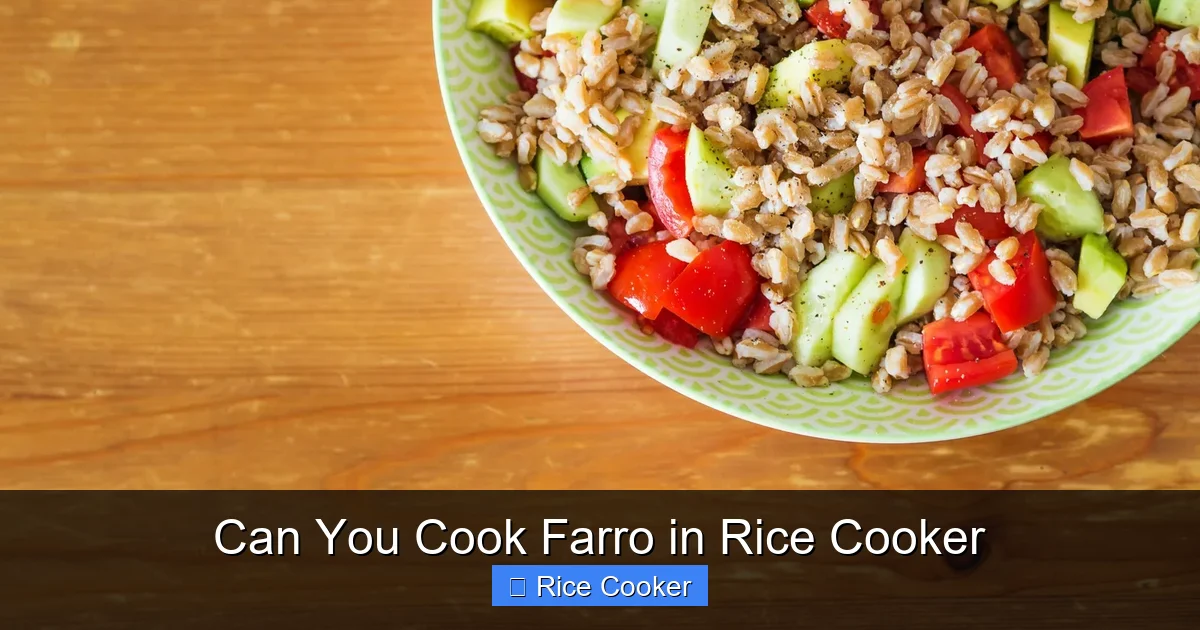
Visual guide about Can You Cook Farro in Rice Cooker
Image source: ricecookerjunkie.com
Nutritionally, farro stands out among grains. It’s naturally gluten-containing (unless labeled “gluten-free”), but it offers significantly more fiber, protein, iron, magnesium, and B vitamins than refined grains like white rice or couscous. One cup of cooked farro provides about 22 grams of carbohydrates, 6 grams of fiber, and 8 grams of protein—making it an excellent choice for sustained energy and digestive health.
Types of Farro: What’s the Difference?
Not all farros are created equal. There are three main varieties, each with distinct characteristics that affect how they cook:
- Whole Farro (also called piorino): The least processed form, retaining its bran, germ, and endosperm. Chewier and nuttier in flavor, it takes longer to cook but delivers maximum nutrition.
- Semi-Pearled Farro: Has had only the outermost layer (bran) removed. Still chewy and flavorful, but cooks faster than whole farro—ideal for busy weeknights.
- Pearled Farro: Fully polished, losing most of its fiber content during processing. Quickest to cook and mildest in taste, but less nutritious than other forms.
For best results in your rice cooker, semi-pearled or whole farro are recommended—they hold shape better and develop richer flavor. However, even pearled farro will work if that’s what you have on hand.
Is Your Rice Cooker Ready for Farro?
Do All Rice Cookers Work the Same Way?
Most standard rice cookers—whether basic models with simple on/off buttons or advanced ones with multiple settings—can cook farro effectively. The key is understanding your appliance’s behavior:
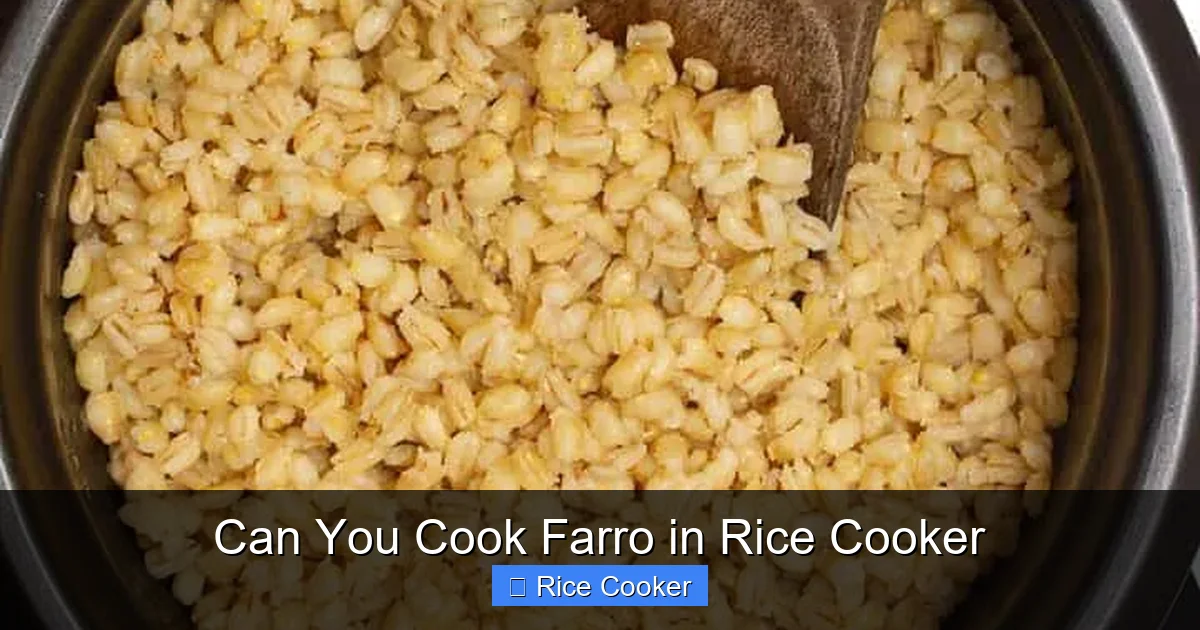
Visual guide about Can You Cook Farro in Rice Cooker
Image source: dailydish.co.uk
- Basic rice cookers usually have one “white rice” setting that applies consistent heat until boiling, then switches to warm mode after cooking completes.
- Fuzzy logic or microcomputer-controlled models adjust temperature throughout the cycle for more precise results, which can be gentler on delicate grains like farro.
- Pressure or multi-cooker rice makers aren’t necessary for farro—though they’re fine if you want to use them, regular rice cookers suffice.
Regardless of model, ensure your rice cooker has enough capacity for the amount of farro you’re cooking (plus extra for expansion). A 3-cup rice cooker works well for 1 cup of uncooked farro, but larger batches may require a bigger unit or multiple cycles.
Should You Soak Farro Before Cooking?
Soaking farro before cooking isn’t mandatory, but it’s highly beneficial. Here’s why:
- Reduces cooking time: Pre-soaked farro absorbs water quickly, cutting total cook time by up to 15–20 minutes.
- Improves digestibility: Enzymes break down phytic acid, making minerals easier to absorb.
- Softens texture: Especially helpful for whole farro, which can be tough without prior hydration.
To soak: Rinse 1 cup of farro under cold water, then place it in a bowl with 2 cups of water (or broth). Let sit at room temperature for 1–2 hours, or refrigerate overnight for best results. Drain and rinse again before adding to the rice cooker.
Step-by-Step Guide: How to Cook Farro in a Rice Cooker
Gather Your Ingredients and Tools
Before you begin, assemble these essentials:
- 1 cup farro (semi-pearled or whole recommended)
- 2 cups water or low-sodium vegetable/ chicken broth (for added flavor)
- Pinch of salt
- Fine-mesh strainer
- Measuring cups
- Your rice cooker with inner pot
Prep the Farro
Start by rinsing your farro thoroughly in a fine-mesh strainer. This removes surface starch and any debris, helping prevent clumping. If you chose to soak, drain and rinse again now.
Add Ingredients to the Rice Cooker
Transfer the rinsed farro to the inner pot of your rice cooker. Pour in the water or broth, add a pinch of salt, and give everything a quick stir. Most rice cookers have markings indicating water levels—aim for roughly double the volume of farro, though exact measurements can vary slightly based on grain type and desired texture.
Set the Timer and Start Cooking
Close the lid and press the “Cook” button. Standard rice cookers will automatically switch to “Warm” once done—do not manually interrupt the cycle. For reference:
- Unsoaked semi-pearled farro: ~40–50 minutes
- Soaked semi-pearled farro: ~25–35 minutes
- Whole farro (unsoaked): ~50–60 minutes
Note: These are estimates—your mileage may vary based on altitude, humidity, and your specific rice cooker’s performance.
Let It Rest
Once the rice cooker signals completion, let the farro sit covered for 5–10 minutes. This allows residual steam to finish softening any stubborn kernels and makes fluffing easier later.
Fluff and Serve
Open the lid and gently fluff the farro with a fork. It should resemble overcooked oatmeal in texture—slightly chewy but tender throughout. Avoid pressing down too hard, as this can mash the grains.
Tips for Perfect Farro Every Time
Master the Water Ratio
The classic rule is 2 parts liquid to 1 part farro by volume. However, if you prefer softer grains, try 2.5:1; for firmer bites, go with 1.75:1. Keep notes after each batch to dial in your ideal consistency.
Experiment with Broth Instead of Water
Using chicken, mushroom, or vegetable broth instead of plain water infuses subtle savory notes into the farro—especially great in grain bowls or soups. Just ensure the broth isn’t too salty, or adjust seasoning at the end.
Add Flavor During Cooking
Want more depth? Toss in aromatics while cooking:
- 1 bay leaf
- 2–3 garlic cloves, smashed
- 1 sprig fresh thyme or rosemary
- A splash of olive oil or lemon juice
Remove solids before serving unless you’re using the farro in a soup where the leaves are welcome.
Don’t Overfill the Rice Cooker
Overcrowding restricts airflow and can lead to uneven cooking. Stick to no more than two-thirds full for optimal heat distribution.
Store Leftovers Properly
Cooked farro keeps well in an airtight container in the fridge for up to 5 days or frozen for up to 3 months. Reheat gently on the stovetop with a splash of water or broth to restore moisture.
Serving Ideas: Beyond Plain Farro
Farro Salad with Lemon-Tahini Dressing
Toss cooled farro with diced cucumber, cherry tomatoes, red onion, parsley, and toasted pine nuts. Whisk together tahini, lemon juice, garlic, and water for a tangy dressing. Perfect for picnics or lunchboxes.
Farro Risotto-Style with Mushrooms and Sage
Sauté sliced mushrooms and shallots in butter, then deglaze with white wine. Add warm farro gradually, stirring constantly until creamy. Finish with sage butter and parmesan.
Farro Breakfast Porridge
Cook farro with milk or plant-based alternative, cinnamon, and maple syrup. Top with berries, nuts, and a drizzle of honey. A hearty, fiber-rich start to the day.
Stuffed Bell Peppers with Farro and Lentils
Mix cooked farro with black lentils, diced tomatoes, spinach, feta, and spices. Stuff into halved bell peppers and bake until tender.
Troubleshooting Common Farro Mistakes
Too Dry or Undercooked?
If your farro is still chalky or hard after the full cook cycle, it likely needs more liquid. Next time, increase the water ratio slightly or extend cooking time by 5–10 minutes (check doneness halfway through).
Mushy or Overcooked Farro?
This happens when too much liquid evaporates or the rice cooker runs too long on “Warm.” Use less water initially, and avoid opening the lid frequently during cooking. Also, resist the urge to press the farro—it breaks apart easily.
Grains Sticking Together?
Usually due to insufficient rinsing or high-starch farro varieties. Always rinse thoroughly before cooking, and consider adding a teaspoon of neutral oil (like avocado or sunflower) to the liquid to coat grains.
Burnt Bottom or Uneven Texture?
Some older or lower-quality rice cookers scorch easily. Try adding a thin layer of water at the bottom first, or use a trivet if your model allows it. Stirring midway (if possible) also helps.
Final Thoughts: Why Farro Deserves a Spot in Your Kitchen
Cooking farro in a rice cooker isn’t just convenient—it’s a gateway to wholesome, satisfying meals with minimal cleanup. Whether you’re building a vegetarian meal prep plan, exploring ancient grains, or simply craving something more nutritious than white rice, farro delivers. With its rich texture, earthy flavor, and impressive nutritional profile, it’s no wonder chefs and home cooks alike are embracing this forgotten gem.
And the best part? Once you master the basics, you’ll find endless ways to customize it—with herbs, spices, proteins, and vegetables—into dishes that shine at dinner parties, family gatherings, or solo lunches. Plus, using your rice cooker means one less pot to scrub, making farro accessible even on the busiest days.
So go ahead—grab that bag of farro from your pantry, fire up your rice cooker, and discover why this ancient grain is making a modern comeback. Your future self (and taste buds) will thank you.
Frequently Asked Questions
Can you cook farro in a rice cooker?
Yes, absolutely! Farro can be cooked in a rice cooker using a 2:1 water-to-grain ratio. It typically takes 30–50 minutes depending on the type and whether it’s soaked beforehand.
How much water do I use for farro in a rice cooker?
Use about 2 cups of water or broth for every 1 cup of farro. Adjust slightly based on your preferred texture—more water yields softer grains.
Do you need to soak farro before cooking it in a rice cooker?
Soaking is optional but recommended. It shortens cooking time, improves digestibility, and ensures even tenderness, especially for whole farro.
What kind of farro is best for a rice cooker?
Semi-pearled or whole farro works best because they retain more structure and flavor. Pearled farro is quicker but less nutritious and may become mushy.
Can you cook farro directly in the rice cooker without rinsing?
It’s best to rinse farro before cooking to remove excess starch and debris, which prevents clumping and promotes fluffier results.
How long does farro take to cook in a rice cooker?
Unsoaked semi-pearled farro usually takes 40–50 minutes; soaked farro or whole farro may take 25–35 minutes or up to 60 minutes respectively.