
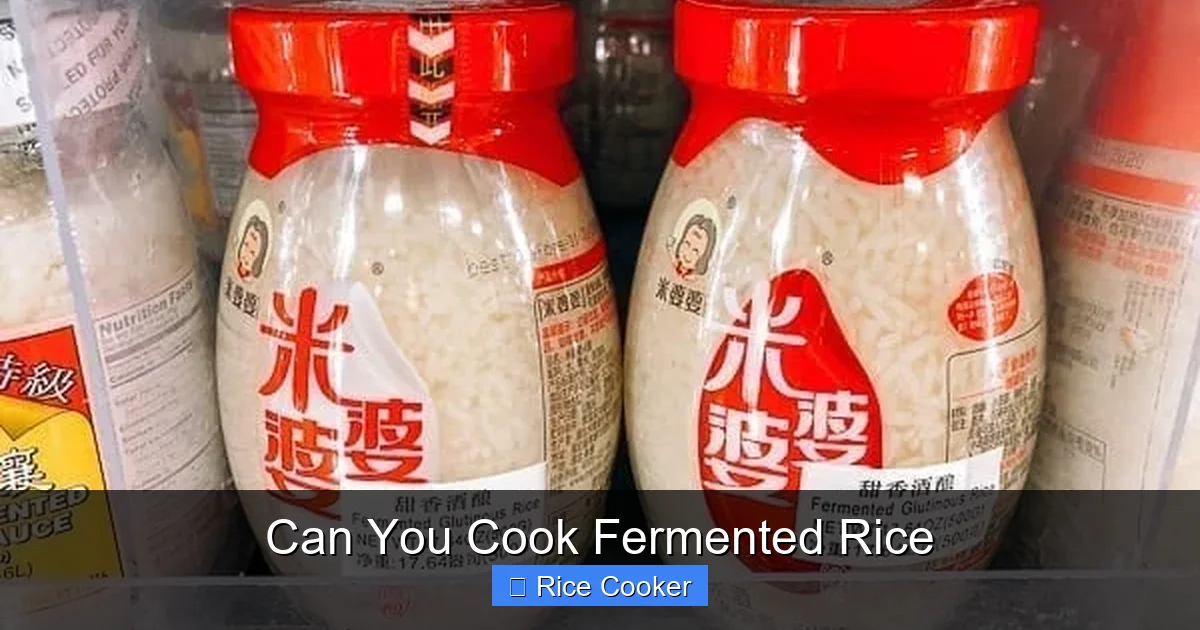
Fermented rice is safe to cook and can be prepared in a rice cooker just like regular rice. This ancient technique enhances digestibility, boosts probiotics, and adds bold umami flavors to dishes. Whether you’re using leftover rice or making it from scratch, cooking fermented rice opens up new possibilities for nutritious, gut-friendly meals.
Key Takeaways
- Yes, you can cook fermented rice in a rice cooker — it works just like regular rice, though cooking time may vary slightly.
- Fermented rice offers probiotic benefits, improving gut health and digestion thanks to active cultures.
- Cooking destroys some beneficial bacteria, but the rice remains nutritious and delicious.
- Fermented rice has a tangy, complex flavor that pairs well in soups, porridge, or fried dishes.
- Proper storage is essential — keep fermented rice refrigerated and use within a week.
- You can re-ferment cooked rice if you want to intensify fermentation without a long initial process.
- Using a rice cooker simplifies preparation, ensuring even cooking and consistent results.
📑 Table of Contents
- Can You Cook Fermented Rice? A Complete Guide to Safe & Delicious Preparation
- What Is Fermented Rice?
- Is It Safe to Cook Fermented Rice?
- Can You Cook Fermented Rice in a Rice Cooker?
- Benefits of Eating Fermented Rice
- How to Use Cooked Fermented Rice in Recipes
- Making Fermented Rice at Home
- Common Myths About Fermented Rice
- Final Thoughts: Should You Try Fermented Rice?
Can You Cook Fermented Rice? A Complete Guide to Safe & Delicious Preparation
Have you ever wondered if you can cook fermented rice in your rice cooker? The answer is a resounding yes — and not only is it possible, but it’s also a smart way to enjoy one of the world’s oldest preserved foods. Fermented rice, often called “aged rice” or “spoiled rice” in traditional cuisines, undergoes a natural fermentation process that transforms its texture, flavor, and nutritional profile. From Korean kkakdugi-style dishes to Chinese jiu niang rice wine and Indian idli batter, fermentation has been used for centuries to make grains more digestible and flavorful.
In recent years, fermented rice has surged in popularity among health-conscious cooks and food enthusiasts. But before you dive into making your own, you might be asking: Can I actually cook it in my rice cooker? Is it safe? And what does it taste like? Let’s break down everything you need to know — from how fermentation works to the best ways to prepare fermented rice in your kitchen today.
What Is Fermented Rice?
A Natural Transformation Process
Fermented rice is simply rice that has undergone a controlled spoilage process. Instead of letting rice go bad, people have long used fermentation to preserve it while enhancing its nutritional value. During fermentation, naturally occurring wild yeasts and bacteria (like Bacillus subtilis and Rhizopus) convert starches into simpler sugars and acids. This not only gives the rice a tangy, slightly sour taste but also increases the presence of B vitamins, enzymes, and beneficial microbes.

Visual guide about Can You Cook Fermented Rice
Image source: ikigaidiet.com
This process is different from sprouting or germination — it’s a slow breakdown powered by microorganisms. In many Asian cultures, fermented rice is used as a starter for dishes like doenjang (soybean paste), kimchi, or tang (hot soups). In South India, fermented rice batter is mixed with urad dal to make fluffy, airy idlis. Even in Japan, fermented rice is used to brew sake and miso.
The Science Behind the Taste
When rice ferments, lactic acid bacteria thrive and produce organic acids such as lactic and acetic acid. These acids lower the pH, creating an environment that prevents harmful bacteria from growing. At the same time, enzymes like amylase break down starches into maltose, which feeds the yeast and creates alcohol during prolonged fermentation. This is why fermented rice can sometimes develop a subtle alcoholic aroma — especially if left too long.
While the flavor is tangy and earthy, it’s not unpleasant. Think of it like sourdough bread or kombucha — acquired tastes that become beloved once you understand the process.
Is It Safe to Cook Fermented Rice?
Understanding Food Safety
One of the most common concerns about fermented rice is safety. After all, “fermented” and “rotten” are sometimes used interchangeably in casual conversation. But in proper fermentation, the process is controlled and beneficial. When done correctly, fermented rice is completely safe to eat — and in fact, safer than raw or improperly stored rice because the acidic environment inhibits pathogens like Salmonella and E. coli.

Visual guide about Can You Cook Fermented Rice
Image source: myfermentedfoods.com
However, it’s important to distinguish between controlled fermentation and spoilage. If rice is left out at room temperature for too long, harmful bacteria can grow, leading to foodborne illness. But when fermentation is initiated intentionally — using clean utensils, proper ratios of rice to water, and ideal temperatures — the result is a nutritious, shelf-stable product.
If you’re buying fermented rice from a reputable source (like a specialty market or trusted online store), you can be confident it’s safe. If you’re making it at home, follow hygiene practices strictly: wash your hands, use clean containers, and monitor the smell and color daily.
Signs of Unsafe Fermentation
Here’s how to tell if your fermented rice has gone bad:
- Off smell: A strong, putrid odor (like rotten eggs) means contamination.
- Mold: Visible fuzzy growth on the surface is a red flag.
- Unusual color: Discoloration beyond normal pale yellow or grayish tones indicates spoilage.
- Excessive bubbles or fizzing: While some bubbling is normal, excessive activity with a foul smell means trouble.
If any of these signs appear, discard the rice immediately.
Can You Cook Fermented Rice in a Rice Cooker?
The Short Answer
Yes! You absolutely can cook fermented rice in a rice cooker. In fact, using a rice cooker makes the process easier and more reliable than traditional methods.
How It Works
Most modern rice cookers are designed to handle a variety of grains — including brown rice, quinoa, and even rye. Fermented rice behaves similarly to aged rice or parboiled rice. Because the grain has already begun breaking down, it may absorb water faster and cook quicker than fresh rice. However, the exact cooking time depends on the type of rice (jasmine, basmati, glutinous, etc.) and how long it was fermented.
Here’s a general guideline:
- White rice: 15–20 minutes
- Brown rice: 30–40 minutes
- Glutinous or sticky rice: 25–35 minutes
Start with the standard water-to-rice ratio of 1:1.5 (one part rice to one and a half parts water), then adjust after the first try. Overcooking can make fermented rice mushy, so keep an eye on it during the final minutes.
Tips for Cooking Fermented Rice in a Rice Cooker
- Pre-soak: Let fermented rice soak for 20–30 minutes before cooking. This helps rehydrate the grains and ensures even cooking.
- Drain excess liquid: If your fermented rice came packed with brine or soaking liquid, drain it gently before adding water for cooking.
- Use a timer: Some rice cookers have delay settings — great for preparing breakfast overnight.
- Fluff gently: Once cooked, avoid over-stirring. A gentle fold preserves the structure.
Benefits of Eating Fermented Rice
Gut Health & Probiotics
Fermented rice contains live beneficial bacteria, especially if consumed raw or minimally heated. These probiotics support a healthy gut microbiome, aiding digestion and boosting immunity. While cooking kills most of these microbes, the rice still retains prebiotic fibers that feed good bacteria in your intestines.
Improved Digestion
The enzymes produced during fermentation — like amylase and protease — help break down complex carbohydrates and proteins. This means your body can absorb nutrients more efficiently. People with sensitive stomachs often find fermented rice easier to digest than plain white rice.
Enhanced Flavor Profile
Fermented rice develops a rich, umami depth that elevates soups, stews, and porridge. Its slightly sour note cuts through fatty dishes and balances sweetness. In Vietnamese cuisine, fermented rice is used in canh chua (sour soup); in Chinese medicine, it’s believed to aid digestion and reduce dampness in the body.
Lower Glycemic Index
Because starches are partially broken down during fermentation, fermented rice may have a lower glycemic index than regular rice. This means it causes a slower rise in blood sugar, making it a better choice for diabetics or those managing insulin resistance.
How to Use Cooked Fermented Rice in Recipes
Savory Applications
Cooked fermented rice is incredibly versatile. Here are some creative ways to use it:
- Fermented Rice Porridge: Simmer cooked rice with water, ginger, and scallions. Season with soy sauce and a splash of sesame oil. Top with fried shallots and a soft-boiled egg.
- Rice Congee (Porridge): Make a thicker version by using less water. Add minced pork, shrimp, or century eggs for richness.
- Fried Rice: Stir-fry with vegetables, protein, and a dash of fish sauce or oyster sauce. The tanginess pairs beautifully with savory ingredients.
- Rice Pudding: Mix cooked fermented rice with milk, sugar, cinnamon, and raisins. Slow-cook until creamy.
Sweet & Savory Pairings
Don’t limit yourself! Fermented rice works in both sweet and salty dishes:
- Top pancakes or waffles with fermented rice and honey.
- Add a spoonful to smoothie bowls for probiotic boost.
- Use as a base for savory rice cakes or flatbreads.
Making Fermented Rice at Home
Simple DIY Method
Want to try making fermented rice yourself? It’s easier than you think:
- Boil 1 cup of rice until soft (about 15 minutes).
- Let it cool to room temperature (never add hot rice — it kills beneficial microbes).
- Mix with 2 tablespoons of starter culture (or use 1 tablespoon of yogurt or kefir as a substitute).
- Place in a clean jar, cover loosely (not sealed), and leave at room temperature (70–80°F) for 24–48 hours.
- Refrigerate once it develops a tangy smell and slight effervescence.
Store in the fridge for up to two weeks. Use as needed!
Commercial Alternatives
Not ready to ferment at home? Many health food stores sell fermented rice products, such as:
- Ready-to-eat fermented rice snacks
- Fermented rice flour for baking
- Instant fermented rice blends for porridge
Check labels for added sugars or preservatives — opt for simple, whole-grain versions.
Common Myths About Fermented Rice
Myth 1: “Fermented rice is rotten”
Truth: Properly fermented rice is not rotten. It’s preserved and enhanced through microbial action. Rotten food lacks flavor and nutrition; fermented food gains both.
Myth 2: “It tastes like vinegar”
Truth: While it has a tangy quality, fermented rice doesn’t taste vinegary. Think sourdough, sauerkraut, or aged cheese — complex, earthy, and satisfying.
Myth 3: “Cooking destroys all benefits”
Truth: Heat kills probiotics, but fermented rice still offers digestive enzymes, fiber, and improved nutrient availability.
Myth 4: “Only Asians eat fermented rice”
Truth: While common in Asia, fermented rice is found in African, Middle Eastern, and Native American cuisines too. For example, Ethiopian injera uses fermented teff, and Native American cornmeal was often fermented for preservation.
Final Thoughts: Should You Try Fermented Rice?
Absolutely. Whether you’re looking to improve your gut health, explore ancient food traditions, or experiment with bold new flavors, fermented rice is worth a try. Cooking it in your rice cooker is simple, safe, and efficient — especially if you’re already using one for everyday meals.
Start small: buy a small container of fermented rice, cook a batch of porridge, and see how you like it. Over time, you might find yourself making your own, trying new recipes, or even using it as a starter for other fermented dishes.
Remember, fermentation is as much art as science. It rewards patience, curiosity, and a willingness to embrace the unexpected. And who knows? You might just discover your new favorite superfood.
Frequently Asked Questions
Can fermented rice make you sick?
No, properly fermented rice is safe to eat. Harmful bacteria cannot thrive in the acidic environment created during fermentation. Always ensure your rice is stored correctly and smells tangy, not foul.
Does cooking fermented rice kill the good bacteria?
Yes, heat destroys most probiotics. However, fermented rice still retains beneficial enzymes and prebiotic fibers that support digestion and gut health.
How long does fermented rice last?
When stored in an airtight container in the refrigerator, fermented rice lasts up to 2 weeks. Freezing can extend shelf life to 3–6 months.
Can I freeze fermented rice?
Yes, freeze portions in ice cube trays for easy use. Thaw overnight in the fridge before cooking. Avoid refreezing multiple times to maintain texture.
Is fermented rice gluten-free?
Yes, as long as it’s made from naturally gluten-free grains like jasmine, basmati, or brown rice. Always check labels if using commercial products.
Can I eat fermented rice cold?
Absolutely! Many cultures enjoy fermented rice cold, such as in salads or as a side dish. Just make sure it’s been properly refrigerated and hasn’t spoiled.