
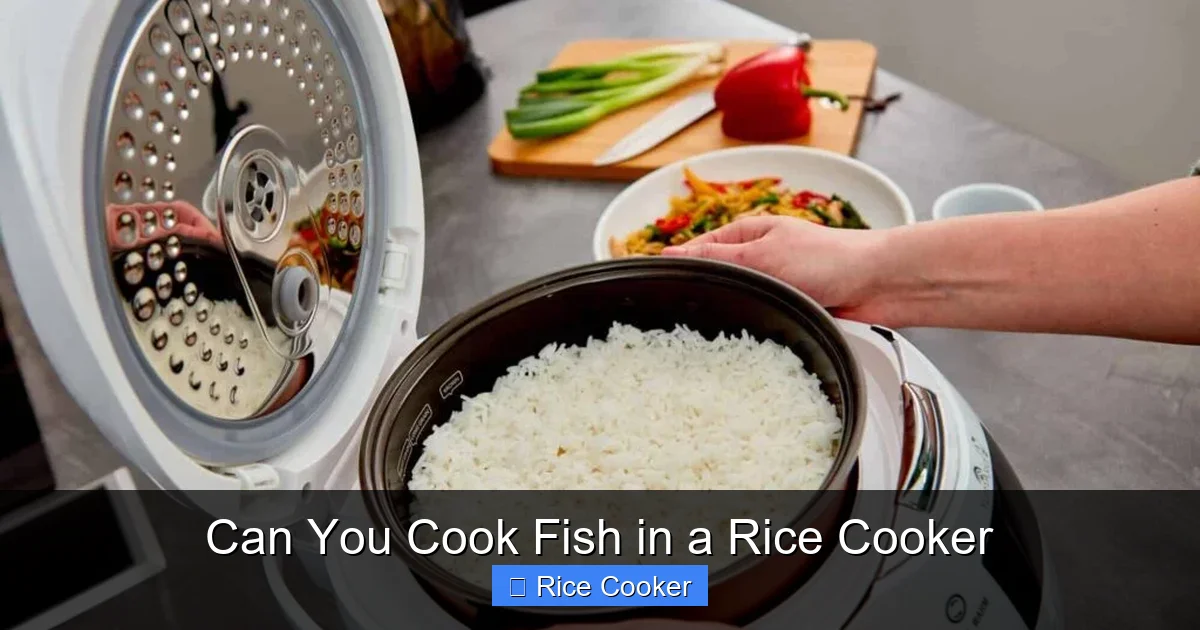
Absolutely! You can cook fish in a rice cooker, and it’s one of the easiest, mess-free ways to prepare a healthy meal. With the right technique, your rice cooker can produce tender, flavorful fish without drying it out or sticking to pans. Whether you’re cooking salmon, cod, or tilapia, this method saves time and uses minimal ingredients.
Key Takeaways
- Yes, it’s possible: A rice cooker can cook fish perfectly by creating a moist, steam-rich environment that keeps fish tender and juicy.
- No special equipment needed: Use your existing rice cooker with just a steamer basket or trivet—no extra gadgets required.
- Great for busy weeknights: Fish cooks fast in a rice cooker, making it ideal for quick, healthy dinners.
- Versatile cooking method: Works for whole fillets, steaks, or even small fish like trout or mackerel.
- Minimal cleanup: Cooking fish in a rice cooker reduces spills and stickiness compared to frying or baking.
- Customizable flavors: Add herbs, citrus, soy sauce, or spices directly into the water or on top of the fish.
- Safe if done correctly: Ensure internal temperature reaches 145°F (63°C) for food safety, especially with thicker cuts.
📑 Table of Contents
- Can You Cook Fish in a Rice Cooker? The Answer Might Surprise You
- Why Use a Rice Cooker for Fish?
- Choosing the Right Fish for Your Rice Cooker
- Step-by-Step Guide: How to Cook Fish in a Rice Cooker
- Creative Flavor Twists and Recipe Ideas
- Troubleshooting Common Issues
- Is It Safe to Cook Fish in a Rice Cooker?
- Final Thoughts: Embrace the Versatility
Can You Cook Fish in a Rice Cooker? The Answer Might Surprise You
Imagine this: It’s 6 p.m., you’re tired after work, and dinner prep is the last thing on your mind. You glance into your pantry and freezer—salmon fillets, some rice, maybe a lemon. Instead of breaking out the oven or frying pan, you reach for your trusty rice cooker. Yes, that same appliance you use to make fluffy white rice now has a new superpower: cooking fish. And it works beautifully.
Cooking fish in a rice cooker isn’t just a quirky kitchen hack—it’s a practical, efficient way to prepare a delicious, healthy meal with minimal effort. The secret lies in how rice cookers create a humid, steamy environment that gently cooks delicate proteins like fish without drying them out. In fact, many home chefs swear by this method because it yields tender, flaky results every time. Plus, it’s hands-off and perfect for multitasking while other parts of your meal come together.
Why Use a Rice Cooker for Fish?
The Science Behind Steaming Success
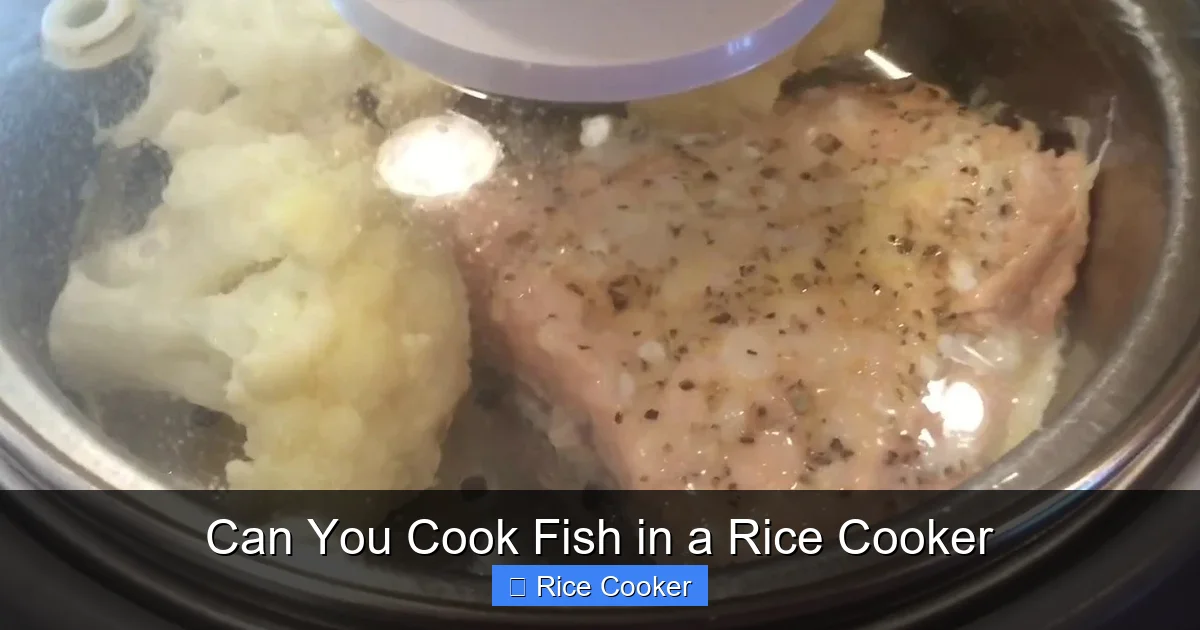
Rice cookers are designed to maintain consistent heat and moisture levels, which is ideal for steaming foods. When you add water to the inner pot and place a steaming rack above it, the water heats up and turns into steam. This steam then circulates around the food, cooking it evenly from all sides. For fish—which has a low fat content and can dry out quickly under high heat—this gentle, indirect method is almost perfect.
Visual guide about Can You Cook Fish in a Rice Cooker
Image source: i.ytimg.com
Unlike boiling, where fish can become mushy, or grilling, where hot spots may burn the edges, steaming in a rice cooker ensures even doneness. Most modern rice cookers also have a “steam” or “keep warm” setting that helps regulate temperature precisely. This means no more worrying about overcooking your delicate fish while waiting for rice to finish.
Benefits Beyond Convenience
There are several advantages to using a rice cooker for fish beyond just speed and ease. First, flavor absorption is excellent when you infuse the cooking liquid with aromatics like garlic, ginger, lemon slices, or soy sauce. The fish soaks up these flavors as it steams, resulting in a dish that tastes like it took much longer to prepare.
Second, minimal oil usage makes this method ideal for health-conscious eaters. No frying means fewer calories and less greasy residue. Third, less cleanup is a huge win—no messy pans to scrub or splattered stovetops to wipe down. Just rinse the inner pot and steamer basket, and you’re done.
Choosing the Right Fish for Your Rice Cooker
Best Cuts and Types to Use
Not all fish are created equal when it comes to rice cooker cooking. Delicate, mild-flavored fish with moderate fat content tend to perform best because they resist drying out and absorb flavors well. Here are some top choices:
Visual guide about Can You Cook Fish in a Rice Cooker
Image source: weknowrice.com
- Salmon: Rich in omega-3s and naturally oily, salmon stays moist and flaky even when lightly steamed.
- Tilapia: Lean but tender, tilapia takes on seasonings easily and cooks quickly.
- Cod: Firm texture holds up during steaming, making it great for flaky white fish lovers.
- Mahi-mahi: Also known as dolphinfish, it has a firm flesh and mild taste that pairs well with citrus or herbs.
- Trout: Small whole fish like trout are fantastic for beginners—they cook fast and look impressive when served.
Avoid very lean, fragile fish like sole or flounder unless you’re experienced, as they can break apart too easily in the steam.
Prepping Your Fish Properly
Before placing fish in the rice cooker, proper prep makes all the difference. Start by patting the fillets dry with paper towels—moisture on the surface can cause uneven cooking. Then, season generously with salt, pepper, and any desired spices or marinades. A light brush of olive oil helps prevent sticking and adds richness.
If you’re adding aromatics (like lemon slices or fresh dill), place them directly beneath or alongside the fish. For extra flavor depth, you can also pour a splash of white wine or broth into the bottom of the rice cooker instead of plain water.
Step-by-Step Guide: How to Cook Fish in a Rice Cooker
Gather Your Supplies
You won’t need much beyond your rice cooker itself. Here’s what to have ready:
- Steamer basket (most rice cookers include one)
- Fresh or thawed fish fillets or steaks
- Seasonings of your choice
- Liquid for steaming (water, broth, wine, or a mix)
- Optional: Lemon slices, garlic cloves, herb sprigs
Set Up the Rice Cooker
Begin by filling the inner pot with about 1–2 inches of liquid. Too little, and you risk burning; too much, and the fish might swim in liquid instead of steaming. If you’re using broth or wine, that’s fine—just ensure it doesn’t overwhelm the fish’s natural taste.
Place the steamer basket inside so it sits just above the liquid line. Make sure there’s enough space between the basket and the bottom so steam can rise freely.
Cooking Times and Techniques
Most fish will be ready in 8–15 minutes, depending on thickness. As a rule of thumb:
- Thin fillets (½ inch thick): 8–10 minutes
- Medium fillets (¾ inch): 10–12 minutes
- Thick steaks (1 inch+): 12–15 minutes
To check doneness, insert a fork near the center—if it flakes easily and the meat is opaque throughout, it’s done. Avoid overcooking, as residual heat continues once the cycle ends.
For best results, avoid opening the lid frequently during cooking. Steam builds pressure quickly, so each peek releases precious heat and prolongs cooking time.
Serving Suggestions
Once cooked, transfer fish to a plate immediately to prevent sitting in steam and becoming soggy. Garnish with fresh herbs, a squeeze of lemon, or a drizzle of sauce. Serve alongside steamed vegetables, quinoa, or leftover rice for a complete meal.
Creative Flavor Twists and Recipe Ideas
Asian-Inspired Steam Bowl
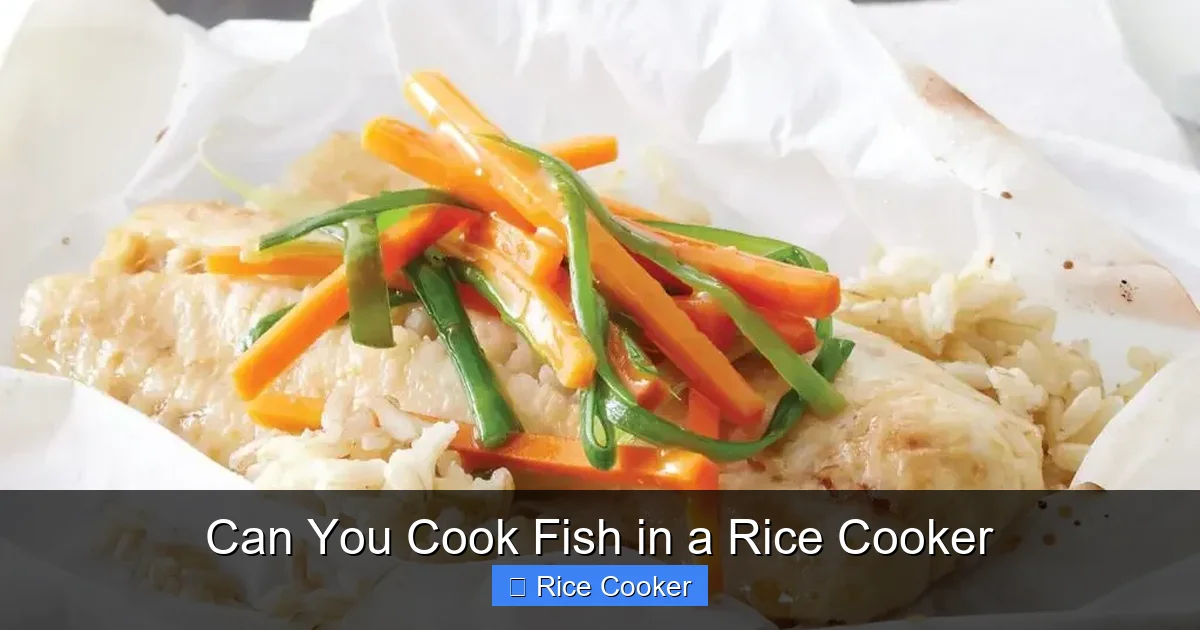
Infuse the steaming liquid with umami-rich ingredients like soy sauce, ginger, and green onions. Add a tablespoon of honey or mirin for balance. Place salmon or cod on a bed of julienned carrots and bamboo shoots before steaming. Finish with sesame seeds and cilantro.
Herb-Roasted Mediterranean Style
Use olive oil-infused water or white wine instead of plain water. Tuck rosemary, thyme, and lemon quarters around the fish. Perfect for tilapia or halibut—pair with cherry tomatoes and olives for an authentic Mediterranean vibe.
Spicy Cajun Kick
Add paprika, cayenne, garlic powder, and a dash of hot sauce to the water. Cook mahi-mahi or catfish until tender. Top with avocado slices and a dollop of remoulade for extra zing.
Simple Lemon-Dill Wonder
For beginners, this classic combo never fails. Steam whitefish with lemon slices, chopped dill, and a splash of cream. The result is light, fragrant, and restaurant-quality.
Troubleshooting Common Issues
Fish Sticks to the Bottom
This usually happens if the steamer basket isn’t elevated enough or if too much liquid causes the fish to slide down. Always ensure there’s at least ½ inch between the fish and the liquid. You can also line the basket with parchment paper to prevent sticking.
Overcooked or Dry Fish
If your fish dries out, it likely cooked too long or lacked moisture. Try reducing cooking time by 2–3 minutes next time, and always use a timer. Adding a bit of butter or cream to the steaming liquid can also help retain tenderness.
Uneven Cooking
Thicker pieces may remain translucent in the center while edges turn white. To fix this, cut larger portions into uniform sizes or fold thinner parts slightly to slow their cooking rate.
Is It Safe to Cook Fish in a Rice Cooker?
Yes, absolutely—as long as you follow basic food safety guidelines. The USDA recommends cooking fish to an internal temperature of 145°F (63°C). Many rice cookers don’t have built-in thermometers, so use a meat thermometer to verify. Also, always thaw frozen fish completely before cooking, and discard any fish that smells off or shows signs of spoilage.
One common misconception is that rice cookers can’t handle proteins other than rice. But since most models are essentially programmable steamers, they’re perfectly safe—and effective—for cooking fish, vegetables, eggs, and more.
Final Thoughts: Embrace the Versatility
Cooking fish in a rice cooker isn’t just a shortcut—it’s a gateway to simpler, healthier eating. It removes the guesswork from meal prep, reduces cleanup stress, and opens up creative culinary possibilities. Whether you’re feeding a family or whipping up a solo dinner, this method proves that great meals don’t require fancy equipment or hours in the kitchen.
So next time you open your rice cooker, remember: it’s not just for grains. With a little seasoning and timing, you can turn a humble fillet into a standout dish. Give it a try—you might just fall in love with your rice cooker all over again.
Frequently Asked Questions
Can I cook frozen fish in a rice cooker?
It’s safer to thaw fish first, but if you must cook it frozen, increase steaming time significantly and monitor closely. However, partially thawing slightly improves texture and safety.
Do I need to add oil when cooking fish in a rice cooker?
Not necessarily. Steaming alone keeps fish moist, especially oily fish like salmon. A light brush of oil helps prevent sticking and enhances browning if desired.
What liquid should I use for steaming fish?
Plain water works fine, but broth, white wine, or coconut milk add flavor. Avoid acidic liquids like vinegar for long periods, as they may affect texture.
Can I cook multiple types of fish at once?
Yes, as long as they’re similar in size and doneness time. Arrange them evenly in the steamer basket to ensure uniform cooking.
How do I know when fish is fully cooked?
Insert a fork—it should flake easily. The flesh should be opaque and separate cleanly. Use a thermometer to confirm 145°F (63°C) internal temperature.
Can I reuse the same water to cook rice after steaming fish?
Generally not recommended. Fish can impart strong odors and flavors to rice, and leftover proteins may pose bacterial risks if not refrigerated promptly.