
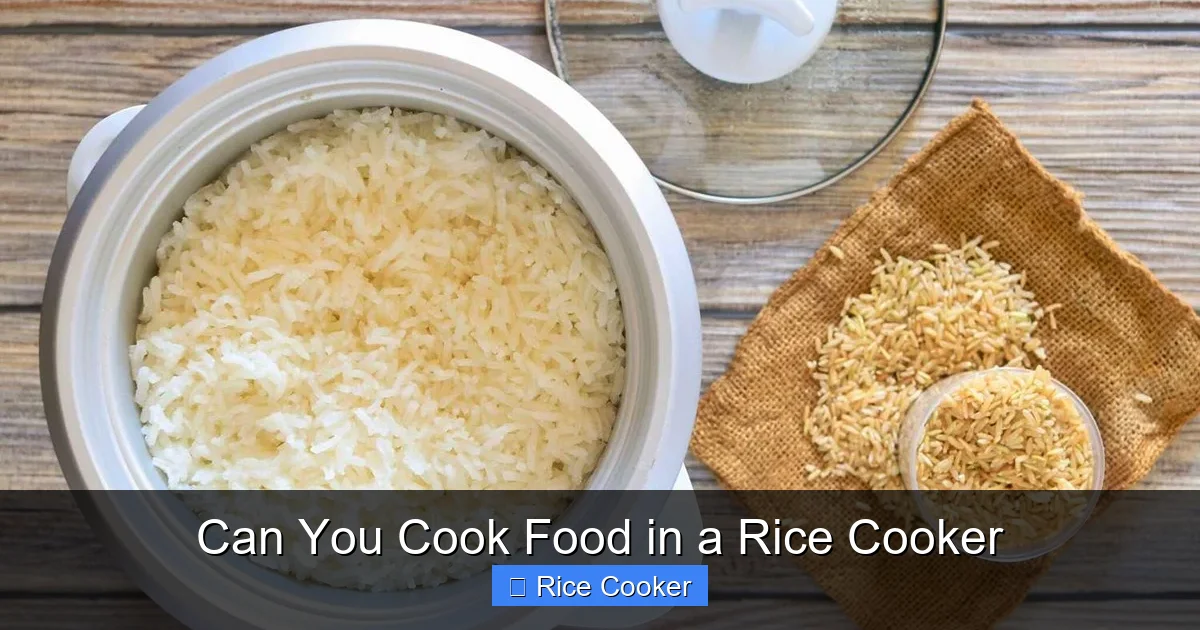
Your rice cooker is a secret powerhouse for whole meals, not just grains. With its precise temperature control and steam-lofty design, you can sauté vegetables, slow-cook proteins, bake desserts, and even proof dough—all without extra pots or pans. Whether you’re meal-prepping or whipping up weeknight favorites, this humble appliance does it all. Think beyond white rice: imagine tender chili, creamy polenta, or a perfectly risen banana bread—all from one simple machine. Let’s explore how to turn your rice cooker into your new go-to kitchen companion.
Key Takeaways
- Rice cookers are versatile appliances: Beyond boiling rice, they excel at steaming veggies, cooking grains like quinoa and barley, simmering soups, and even baking cakes.
- Temperature control matters: Many modern models offer multiple settings—brown rice, quick rice, porridge, or slow cook—that adjust heat precisely for different foods.
- You can brown meat and sauté ingredients: Some high-end rice cookers include a “tamagoyaki” or “sauté” function that preheats the pot for browning onions or searing chicken.
- Steaming is effortless: The built-in steam basket lets you cook fish, dumplings, or broccoli simultaneously while your main dish simmers below.
- Cake baking works surprisingly well: With the right batter consistency and timing, rice cookers create moist, evenly baked treats using minimal oil.
- Clean-up is simple: Most parts are non-stick and dishwasher-safe, making post-meal cleanup faster than traditional ovens or stovetops.
- Energy-efficient cooking: Rice cookers use less electricity than ovens or microwaves for many tasks, helping save on utility bills.
📑 Table of Contents
- Introduction: More Than Just Grains
- The Science Behind Your Rice Cooker
- Beyond White Rice: Cooking Grains & Legumes
- Meat, Fish, and Protein Perfection
- Vegetable Magic and Vegan Delights
- Baking Adventures: Cakes, Custards, and More
- Tips for Maximum Versatility
- Common Mistakes to Avoid
- Conclusion: Your Rice Cooker, Elevated
Introduction: More Than Just Grains
Have you ever stared into your pantry, wondering what to make for dinner? You’ve got rice, some frozen veggies, maybe leftover chicken—but you don’t feel like hauling out the stove or oven. Enter your rice cooker. That little white box sitting quietly on your counter might seem limited to boiling sticky white rice, but trust me—it’s actually a multi-functional kitchen marvel. With a few smart swaps and a little creativity, you can transform it into your go-to appliance for everything from breakfast oats to dessert cakes.
Most people think of rice cookers as single-purpose gadgets—perfect for dorm rooms or small kitchens where space is tight. But today’s models come with advanced features like fuzzy logic, delay timers, and even smartphone connectivity. And here’s the kicker: they cook food evenly, retain nutrients better than boiling methods, and free up your stovetop for other tasks. So before you dismiss yours as outdated or underused, let’s dive into how you can unlock its full potential. Whether you’re a college student, a busy parent, or someone who loves experimenting in the kitchen, this guide will show you why the rice cooker deserves a starring role in every home.
The Science Behind Your Rice Cooker
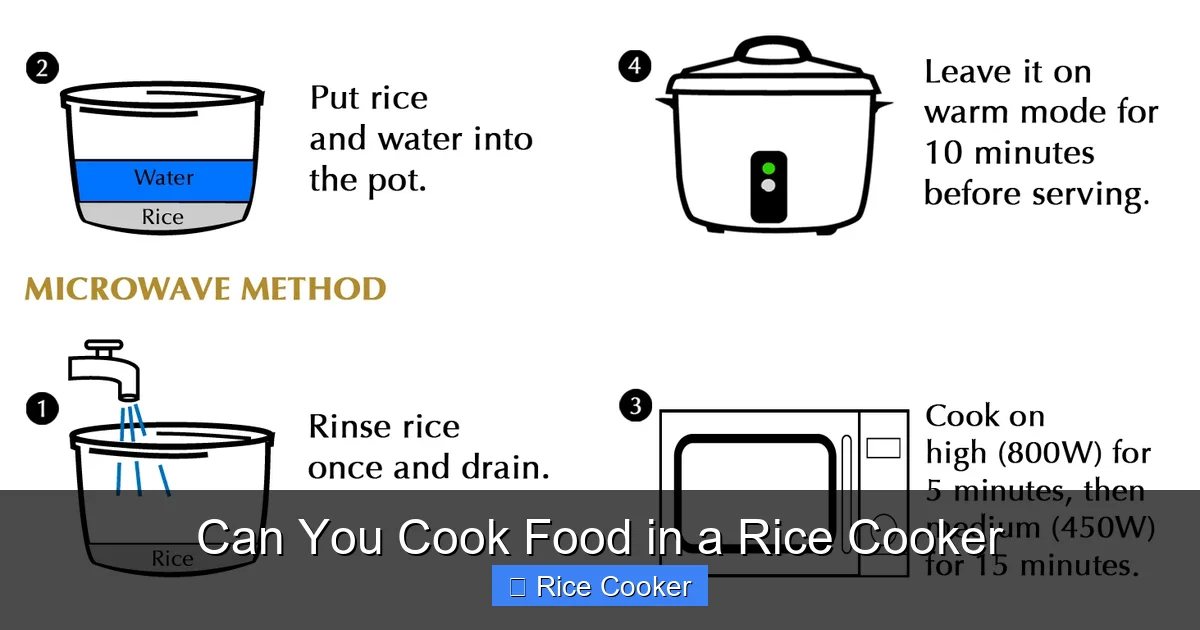
Before we start cooking up adventures, let’s talk about how rice cookers actually work. At their core, they’re designed to maintain a consistent temperature around 185°F (85°C), which is ideal for gelatinizing starch in rice grains. This process causes them to absorb water, swell, and become tender without burning. Modern rice cookers use sensors to detect when all the liquid has been absorbed—usually after 20–40 minutes—and then switch to a “keep warm” mode that holds food at a safe serving temperature without overcooking.
Visual guide about Can You Cook Food in a Rice Cooker
Image source: northernnester.com
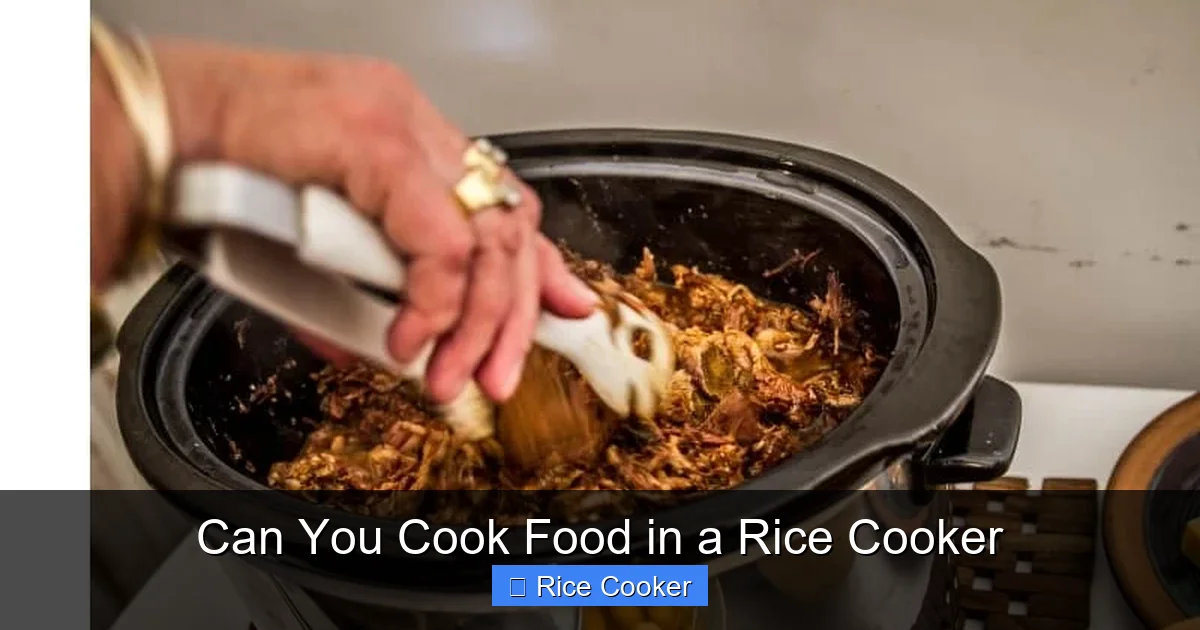
This same principle applies to many other foods. When you cook beans, lentils, or grains like farro, you’re essentially triggering starch breakdown through controlled heat and moisture. Even proteins like chicken or fish respond well to gentle, sustained warmth—just like the kind your rice cooker provides. That’s why recipes for stews, risottos, and even custards thrive in this environment. Plus, because the pot is sealed and insulated, heat distributes evenly, reducing hot spots that can ruin delicate dishes.
Why Temperature Control Is Key
Not all rice cookers are created equal. Budget models may only offer “on/off” switches, while premium ones feature fuzzy logic technology that adjusts heating cycles based on input volume and type. For example, if you add too much water, the sensor detects excess moisture and extends cooking time slightly. Or if you’re making brown rice (which takes longer due to denser bran layers), the system automatically adds extra time.
This adaptability means your rice cooker isn’t just following a recipe—it’s learning along the way. And since most rice cookers reach temperatures between 190–212°F (88–100°C), they’re capable of safely cooking meats, pasteurizing liquids, and even sterilizing baby bottles. Just remember: higher heat doesn’t always mean better. Overheating can dry out proteins or scorch starches, so stick to recommended times and liquids unless your model specifies otherwise.
Beyond White Rice: Cooking Grains & Legumes
If you’ve only used your rice cooker for plain jasmine rice, prepare to be amazed. Grains like quinoa, millet, and barley cook beautifully in rice cookers, often yielding fluffier results than boiling. The key is using the right ratio of liquid to grain—typically 2:1 for most cereals—and letting the machine do the rest.
Visual guide about Can You Cook Food in a Rice Cooker
Image source: familychoice.com.ph
Perfect Quinoa Every Time
Quinoa is a superfood packed with protein and fiber, but it needs rinsing first to remove bitter saponins. Here’s how to make it in your rice cooker:
- Wash 1 cup quinoa under cold water until runoff runs clear.
- Add 2 cups water (or broth for flavor) and a pinch of salt.
- Cook on standard setting for 15–18 minutes.
- Let sit covered for 5 minutes before fluffing.
The result? Light, nutty-tasting quinoa that separates easily—perfect for salads or side dishes.
Hearty Lentil Stews
Lentils are another superstar grain-legume hybrid. They’re rich in iron and cook quickly, making them ideal for busy weeknights. Try this simple lentil curry:
- Sauté diced onion, garlic, and ginger in oil using your rice cooker’s sauté function (if available).
- Add 1 cup red lentils, 2 cups vegetable broth, 1 can diced tomatoes, and spices (cumin, turmeric, garam masala).
- Cook on porridge or stew setting for 25–30 minutes.
- Taste and adjust seasoning; serve with rice or naan.
No stovetop? No problem. Your rice cooker handles the entire process in one pot.
Meat, Fish, and Protein Perfection
One of the biggest misconceptions is that rice cookers can’t handle meat. In reality, they’re excellent for slow-cooking tough cuts like chuck roast or pork shoulder. Because the heat is indirect and steady, collagen breaks down into gelatin, yielding fork-tender results. You’ll need to sear the meat first (using the sauté function if your model allows), then add liquid and let it simmer.
Chicken Thighs in Coconut Curry
Here’s a foolproof method:
- Brown 4 boneless chicken thighs in oil over medium-high heat.
- Add 1 can coconut milk, 2 cups water, 1 tbsp curry powder, and sliced bell peppers.
- Switch to “stew” mode and cook for 45–60 minutes, or until chicken is fully cooked.
- Serve over cooked basmati rice for a complete meal.
Pro tip: Use bone-in thighs for extra flavor and juiciness—they hold up better during long cooks.
For fish lovers, rice cookers are equally impressive. Since fish cooks fast (often in 5–10 minutes), you can pair it with rice or veggies in the steam basket. Try salmon with lemon-dill sauce:
- Place salmon fillets on a greased tray inside the inner pot.
- Add 1 cup water and ½ tsp salt to the bottom.
- Fill the steam basket with chopped carrots and broccoli.
- Cook on “quick rice” setting for 8–10 minutes.
- Drizzle with lemon juice and fresh herbs before serving.
The steam softens the veggies while keeping the fish moist and flaky—no splattering on the stove!
Vegetable Magic and Vegan Delights
Steaming vegetables in a rice cooker preserves color, texture, and nutrients better than boiling. Just toss chopped greens, root veggies, or mushrooms into the steam basket and set the timer. You’ll get crisp-tender produce every time—ideal for stir-fries, grain bowls, or snack platters.
Vegan One-Pot Chili
Who says chili needs a grill or Dutch oven? This version cooks entirely in your rice cooker:
- Sauté onions, garlic, and celery in oil.
- Add 1 can black beans, 1 can kidney beans, 1 diced tomato, 1 tbsp chili powder, and 2 cups water.
- Cook on porridge setting for 30–35 minutes.
- Top with avocado, cilantro, and lime wedges.
It’s hearty, flavorful, and ready in under an hour—with zero cleanup outside the pot.
Baking Adventures: Cakes, Custards, and More
Yes, really! Rice cookers can bake cakes, muffins, and even bread. The trick is using a greased ramekin or cake pan that fits snugly in the inner pot. Avoid recipes with too much air (like angel food cake), and keep batters thin enough to prevent overflow.
Banana Bread That Rises
Here’s a tried-and-true recipe:
- Mash 3 ripe bananas in a bowl.
- Whisk in 1 egg, 2 tbsp melted butter, ¾ cup flour, ½ tsp baking soda, and a dash of cinnamon.
- Pour into a greased 6-inch ramekin.
- Cook on “cake” setting for 35–40 minutes.
- Test with a toothpick—it should come out clean.
Result: Dense, moist banana bread with no oven required. Perfect for gluten-free diets too!
Custards and puddings also work wonders. Combine 1 cup milk, 2 egg yolks, 3 tbsp sugar, and vanilla extract in the pot. Stir well, cover with foil, and cook on low for 45–60 minutes. Stir occasionally to prevent curdling.
Tips for Maximum Versatility
To get the most out of your rice cooker, consider these pro tips:
- Use the right amount of liquid: Too little = dry food; too much = mushy results. Start with recipe ratios and adjust next time.
- Don’t open the lid unnecessarily: Each opening releases steam and slows cooking.
- Experiment with flavors: Add herbs, spices, or wine to infuse depth into grains and proteins.
- Clean promptly: Food residue hardens over time. Rinse the inner pot immediately after use.
- Read your manual: Features vary widely by brand. Some have dedicated “porridge” or “slow cook” buttons.
Common Mistakes to Avoid
Even experienced cooks stumble sometimes. Watch out for these pitfalls:
- Overfilling the pot: Never exceed ⅔ capacity—food expands as it cooks.
- Skipping the sauté step: Browning adds flavor. If your model lacks this function, use a skillet separately.
- Using metal utensils: Scratch non-stick surfaces. Opt for silicone or wood instead.
- Ignoring natural resting time: Like oven-baked goods, many dishes benefit from a 5–10 minute rest before serving.
Conclusion: Your Rice Cooker, Elevated
So there you have it—your rice cooker is far more than a glorified rice boiler. It’s a compact, efficient, and surprisingly flexible tool that can handle grains, proteins, veggies, and even sweet treats. Whether you’re feeding a crowd or prepping solo meals, its simplicity and reliability make it indispensable. Next time you’re stuck on dinner ideas, skip the takeout menu and fire up that little white box. You might just discover your new favorite way to cook.
Frequently Asked Questions
Can I cook pasta in a rice cooker?
Yes, but not traditional dried pasta. Instead, try instant or pre-cooked varieties like couscous or orzo. Cook them in a 2:1 water-to-grain ratio for 5–7 minutes on the standard setting. Regular pasta requires constant stirring and won’t release its starch properly in a sealed environment.
Is it safe to leave food in a rice cooker overnight?
Generally yes—most rice cookers enter “keep warm” mode automatically after cooking, maintaining food at a safe temperature for several hours. However, USDA guidelines recommend discarding perishables left above 40°F (4°C) for more than 2 hours. For safety, transfer leftovers to the fridge within 24 hours.
Can I cook frozen food directly in my rice cooker?
It’s possible, but not ideal. Frozen items increase cooking time and risk uneven heating. Thaw meats or veggies first, or increase liquid by 25% to compensate. For best results, avoid frozen ingredients unless absolutely necessary.
Do I need special ingredients for cooking non-rice foods?
Nope! Standard kitchen staples like water, oil, salt, and common spices work perfectly. Some recipes benefit from broth instead of water, or specific grains like arborio for risotto-style textures. But nothing exotic—your rice cooker plays nice with everyday pantry items.
How do I clean my rice cooker thoroughly?
Unplug and unplug it first. Remove the inner pot and wash with warm, soapy water. Avoid abrasive scrubbers on non-stick coatings. Wipe the exterior with a damp cloth. Most models allow dishwasher-safe cleaning of the inner pot—check your manual to confirm.
Are rice cookers energy-efficient compared to ovens?
Absolutely. A rice cooker uses about 300–600 watts during cooking versus 1,800–5,000 watts for an oven. That means lower electricity bills and less heat generated in your kitchen—especially helpful during summer months.